
Weingut Werner Hauser is a small Poysdorf winery rooted in Weinviertel DAC white-wine country, with a cellar heritage dating to 1555 and a present-day format that includes guided and retail tastings. The draw is the contrast: historic vaults and wooden barrels alongside modern cellar technology, a wine concept-store element, and a terrace looking over vineyard country.
Pearl is the En Primeur Club membership app — saves, bookings, and concierge access live there. Same editors, same standards.
- Address
- Poysdorf, Weinviertel, Lower Austria, Österreich
- Directions
- Get directions
 Saves & bookings on Pearl
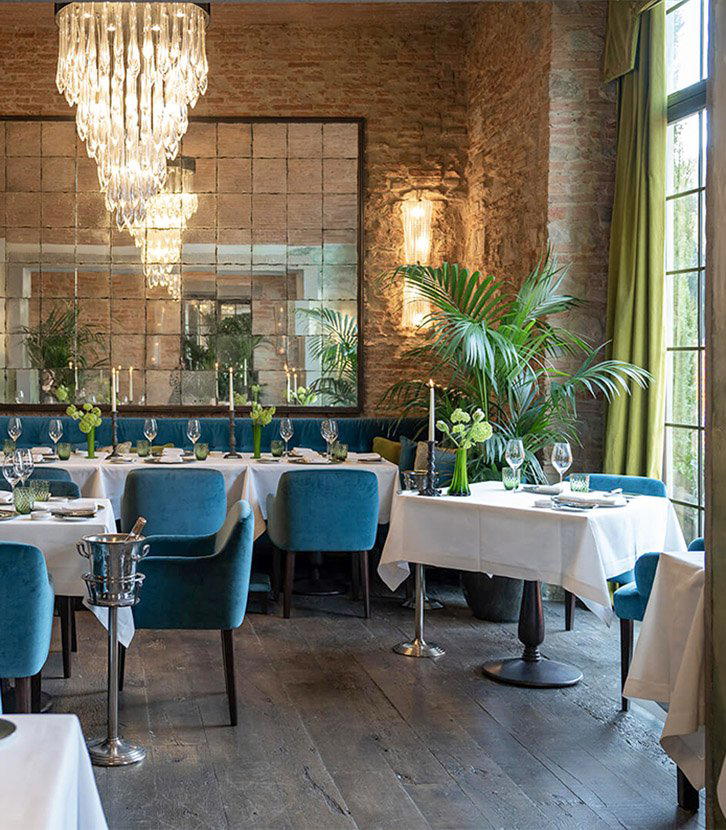
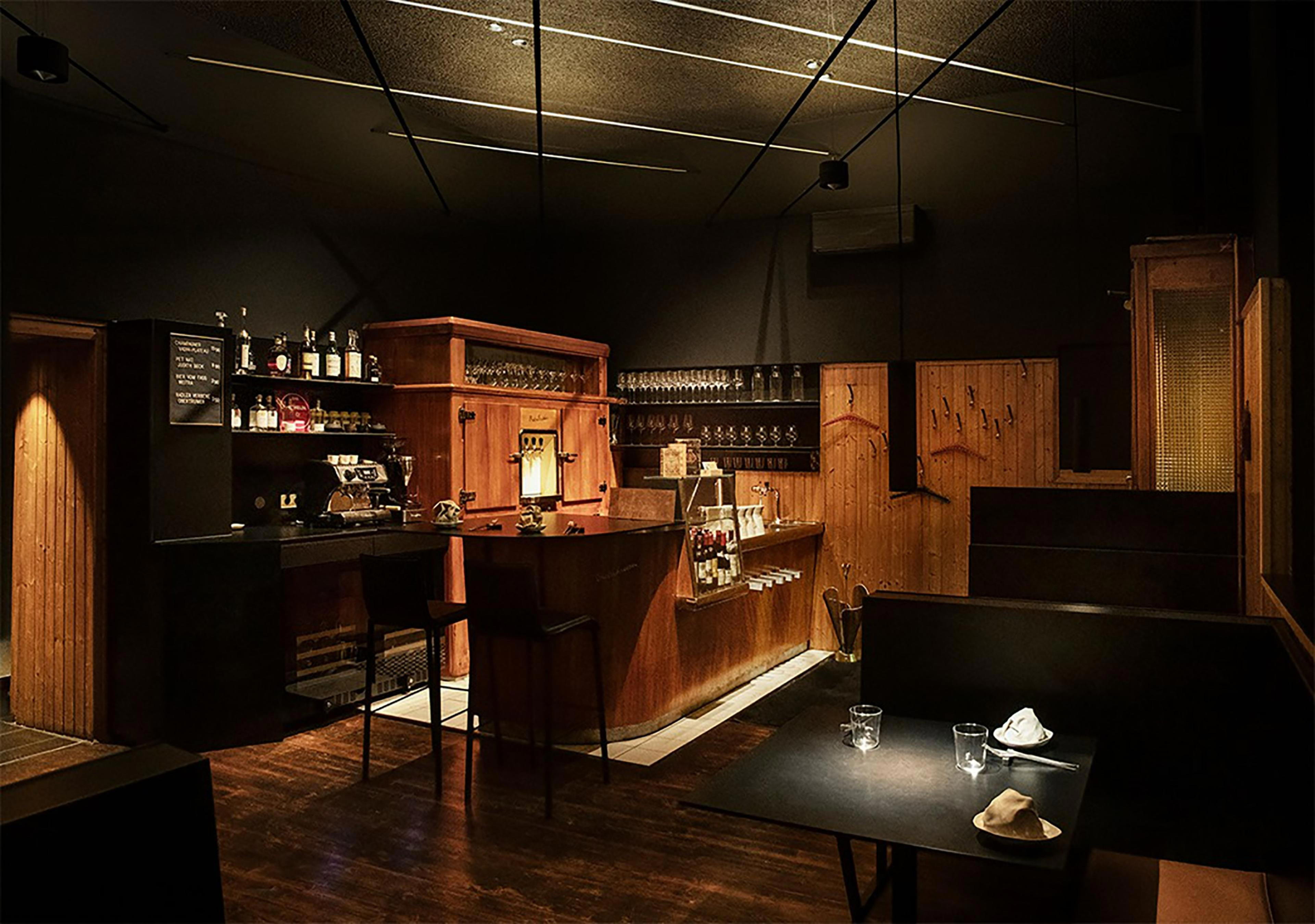
Weingut Werner Hauser in Poysdorf is best understood as a traditional family winery with a setting that does much of the communicating. The picture is not one of a flashy venue or a heavily documented restaurant-style program. It is a winery environment shaped by historic cellar vaults, wooden barrels, modern technology, a creative concept-store feel, and a scenic terrace setting. That combination gives the place its character: rustic and classic in its materials, contemporary in parts of its presentation, and quietly distinctive rather than showy.
Because the available information is focused on atmosphere rather than a detailed wine list, menu, opening schedule, or tasting format, one accurate way to frame a visit is through place and mood. This is a Poysdorf winery for travelers who value cellar texture, family-winery character, and a terrace-oriented sense of landscape. It should not be presented as a confirmed dining destination, a specific guided-tasting program, or a venue with documented specialties beyond the facts currently available.
Historic cellar character with a modern working-winery edge
The core appeal at Weingut Werner Hauser is the contrast between older cellar atmosphere and contemporary winery function. Historic cellar vaults give the setting a rooted, traditional quality, while wooden barrels reinforce the sense of a working wine estate rather than a purely decorative room. At the same time, the presence of modern technology keeps the image from becoming nostalgic in a museum-like way. The description points to a family winery that combines heritage, production context, and modern presentation.
That balance is important for setting expectations. Visitors should expect a rustic, classic, scenic environment rather than a luxury-coded venue built around formal ceremony. The “” aspect is less about secrecy than about scale of impression: the venue rely on atmosphere, cellar context, and Poysdorf setting instead of broad claims about awards, rankings, chefs, or elaborate service rituals.
The concept-store feel is also part of the identity. It suggests that the experience is not limited to a bare cellar or a purely agricultural stop; there is a curated, creative layer to how the winery presents itself. Still, without details about inventory, tasting formats, or retail structure, that point should remain general. The safest reading is that Weingut Werner Hauser blends traditional winery surroundings with a more contemporary design sensibility.
A scenic terrace and a rustic-classic mood
The scenic terrace setting is one of the clearest grounded features. It gives the venue an outdoor dimension and makes the winery more than an interior cellar visit. In practical editorial terms, this is the kind of detail that helps readers understand the atmosphere without overpromising what will happen during a visit.
Dress-code and atmosphere notes point toward rustic, classic, and scenic. That means readers do not need to imagine a highly formal dress requirement or an urban fine-dining room. The tone is better described as relaxed but traditional: a family winery where old vaults, barrels, and terrace setting define the impression.
Price is listed as $$, which provides a modest planning signal without specifying bottles, tastings, menus, or per-person costs. Since no exact prices, it is best to keep the pricing language at that level. Readers can treat it as a mid-range indicator, but not as a guarantee of any particular tasting fee, meal price, or retail bottle range.
How to place it within a Poysdorf wine itinerary
Within Poysdorf, the winery fits naturally as a winery stop for travelers interested in atmosphere and local wine culture. The available facts support a visit framed around the cellar setting, family-winery identity, modern production context, concept-store feel, and terrace. They do not support a detailed itinerary based on confirmed hours, appointment rules, grape varieties, tasting flights, or food service. For that reason, planning should remain flexible and should be confirmed directly with the winery before travel.
If the priority is a traditional Poysdorf winery with historic vaults, barrels, modern touches, and a scenic terrace, the winery matches that brief.
The cleanest editorial frame is simple: the winery is a Poysdorf family winery with a rustic-classic cellar atmosphere, modern winery elements, a creative concept-store feel, $$ pricing, and a scenic terrace setting.
Recognition history
Dated appearances from independent guides and award organizations, with the underlying list record or original source where available.
Falstaff Winery - Listed
Falstaff
Continue exploring
More in Poysdorf
Wineries in Poysdorf
Browse all →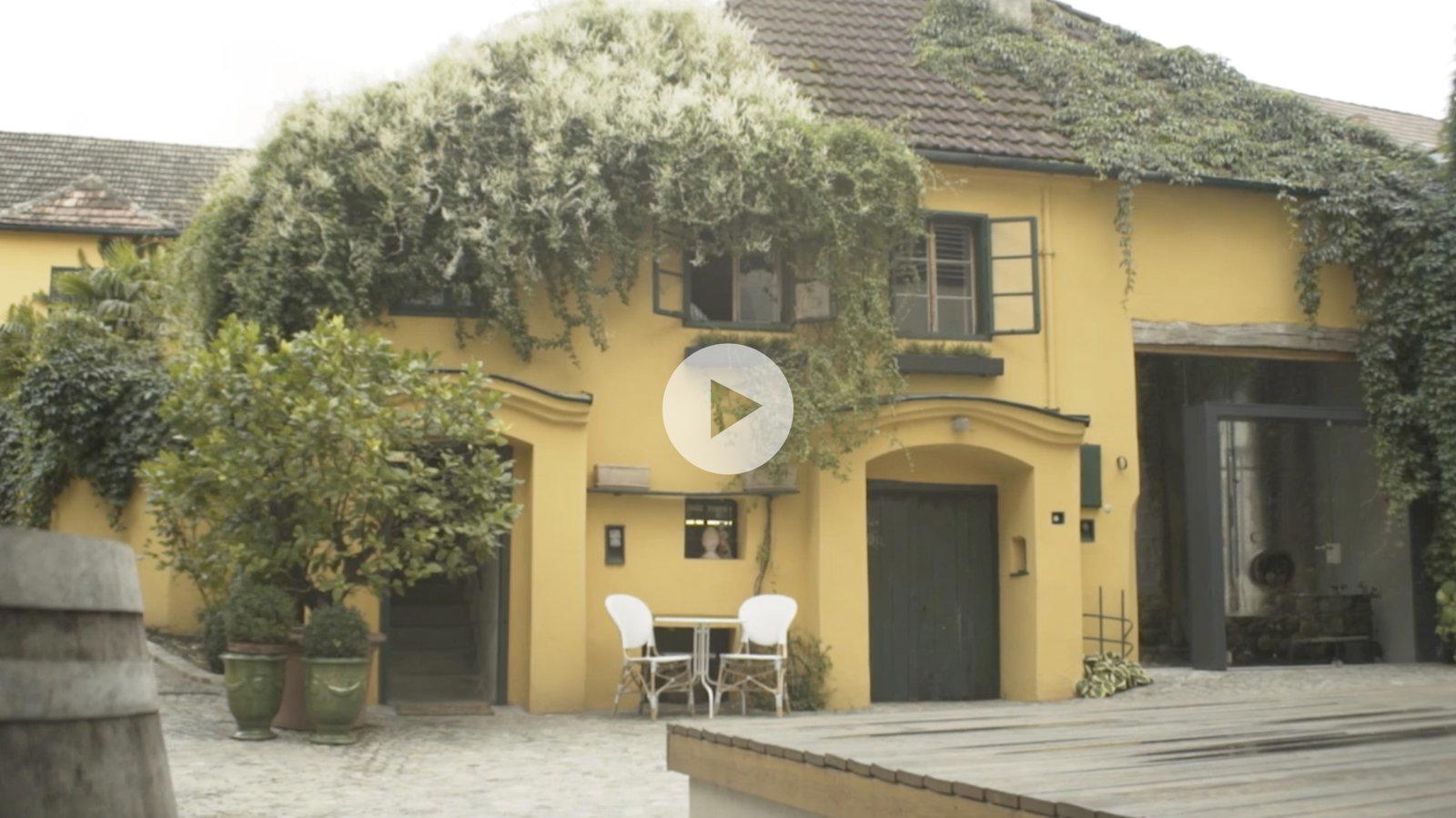
Bars in Poysdorf
Browse all →
Restaurants in Poysdorf
Browse all →
At a Glance
- Rustic
- Classic
- Scenic
- Solo Exploration
- Group Outing
- Special Occasion
- Historic Building
- Terrace
- Design Destination
- Vineyard
- Weinviertel DAC
- Grüner Veltliner
- Welschriesling
- Riesling
- Sauvignon Blanc
- Traminer
- Pinot Gris
- Still White
- Guided Tasting
- Retail Tasting
A traditional family winery with a mix of historic cellar vaults, wooden barrels, and modern technology, paired with a creative concept-store feel and a scenic terrace setting.