Weingut Tamara Kögl

Falstaff Winery - 2 Stars
Weingut Tamara Kögl brings Southern Styria’s steep-slope wine culture into a compact estate experience in Ratsch an der Weinstraße. The draw is the combination of biodynamic farming, a Buschenschank setting, and a portfolio that ranges across Sauvignon Blanc, Morillon, Welschriesling, Gelber Muskateller, Grauburgunder, Grüner Sylvaner, Zweigelt, Pinot Noir, and sparkling wine.

Pearl is the En Primeur Club membership app, where members save venues, book tables and use the concierge.

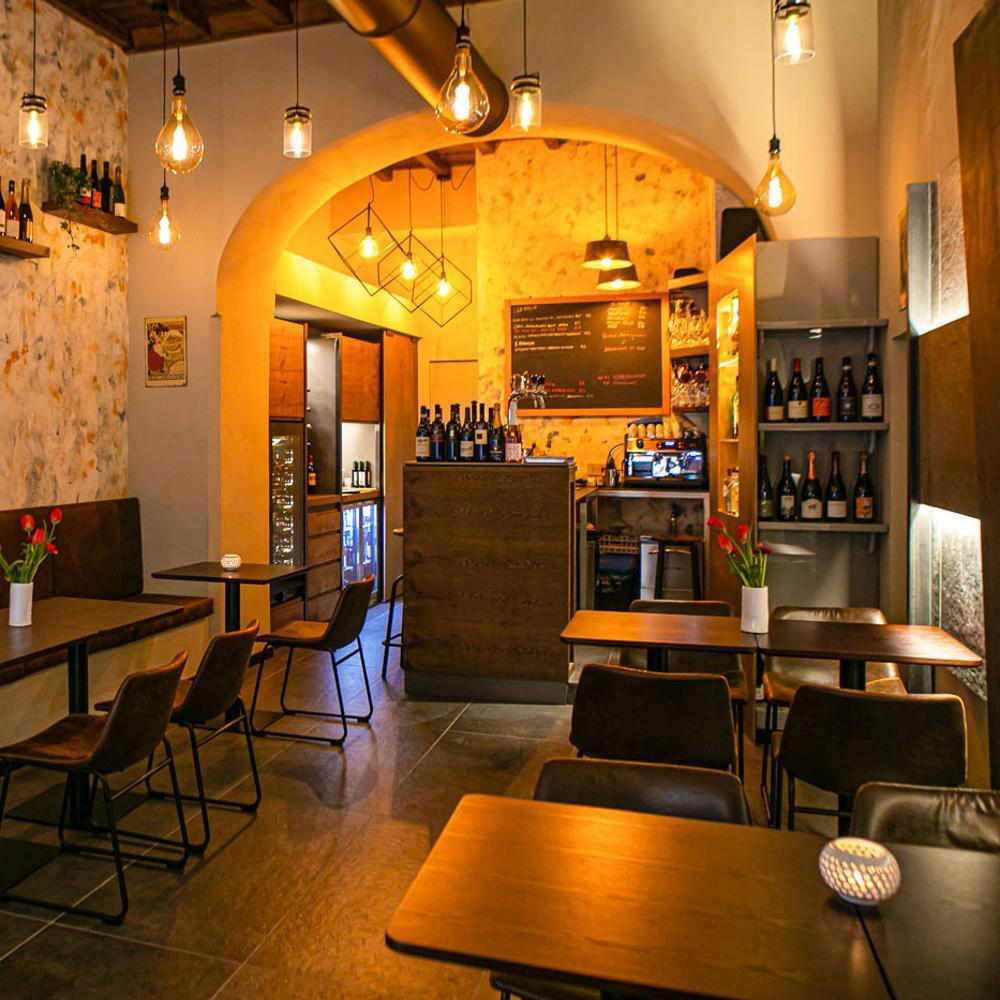
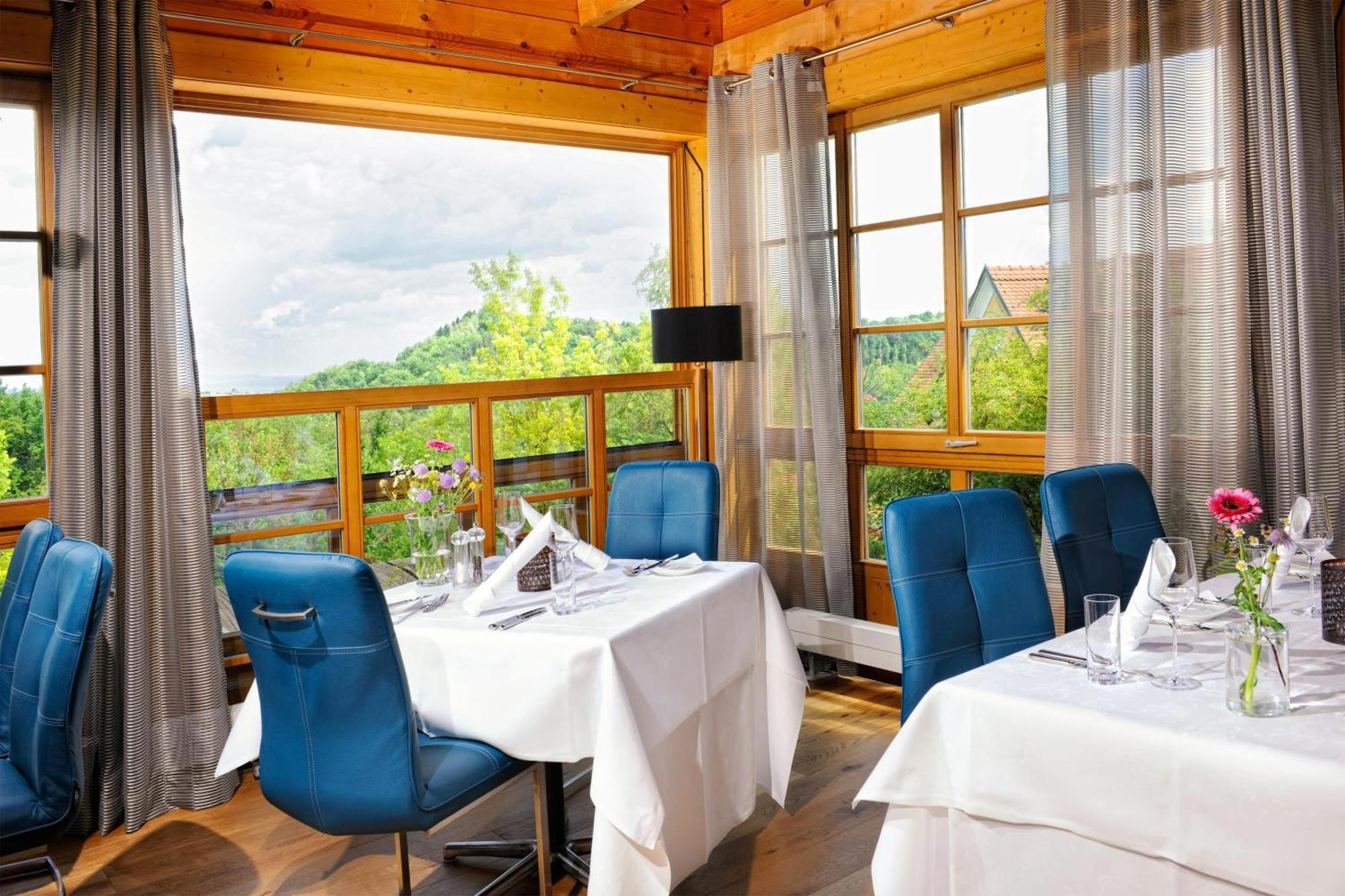
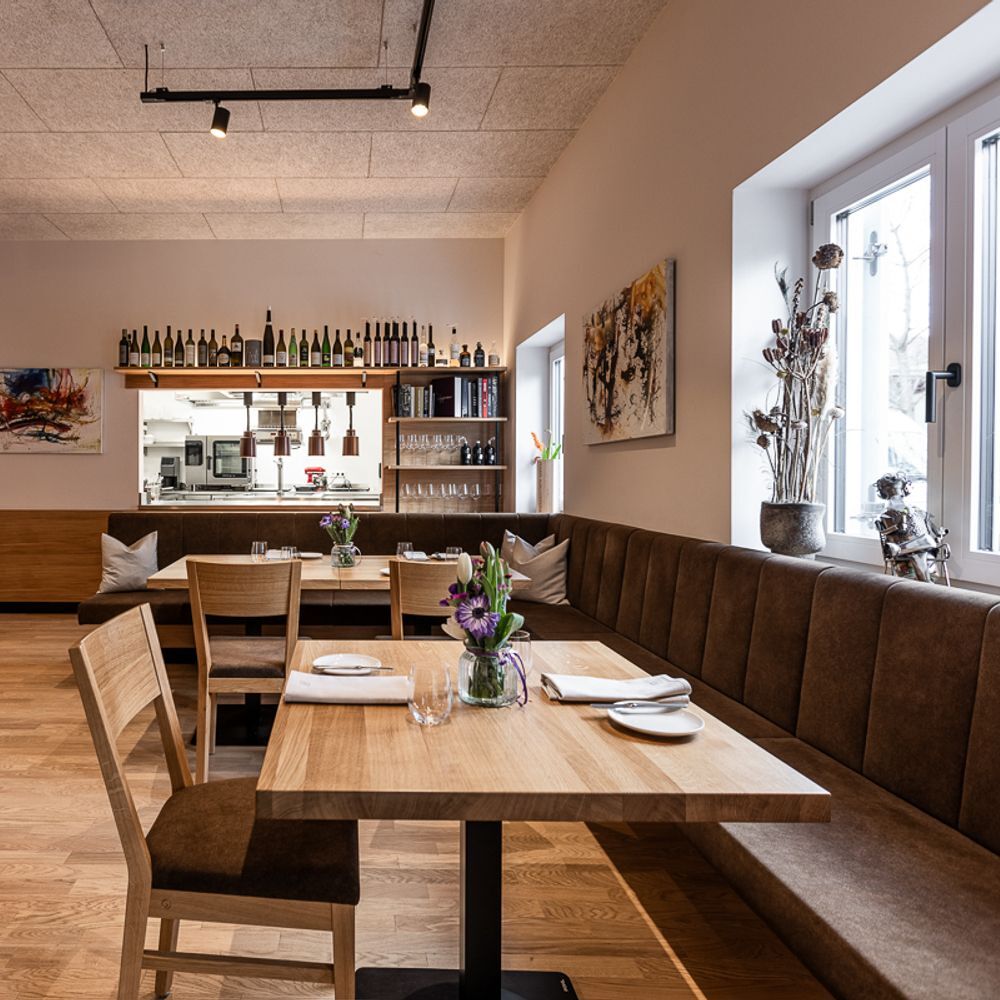
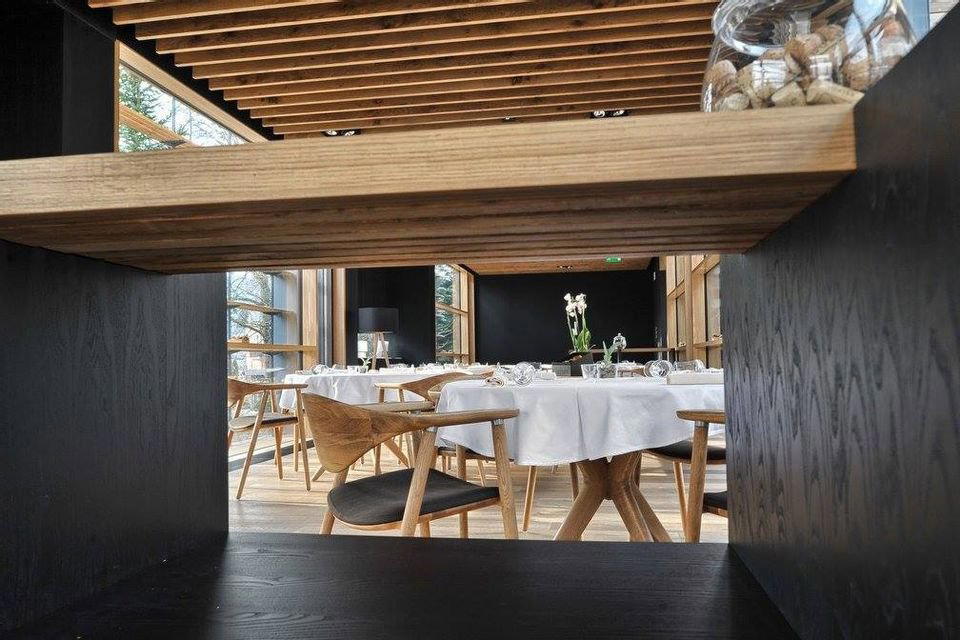
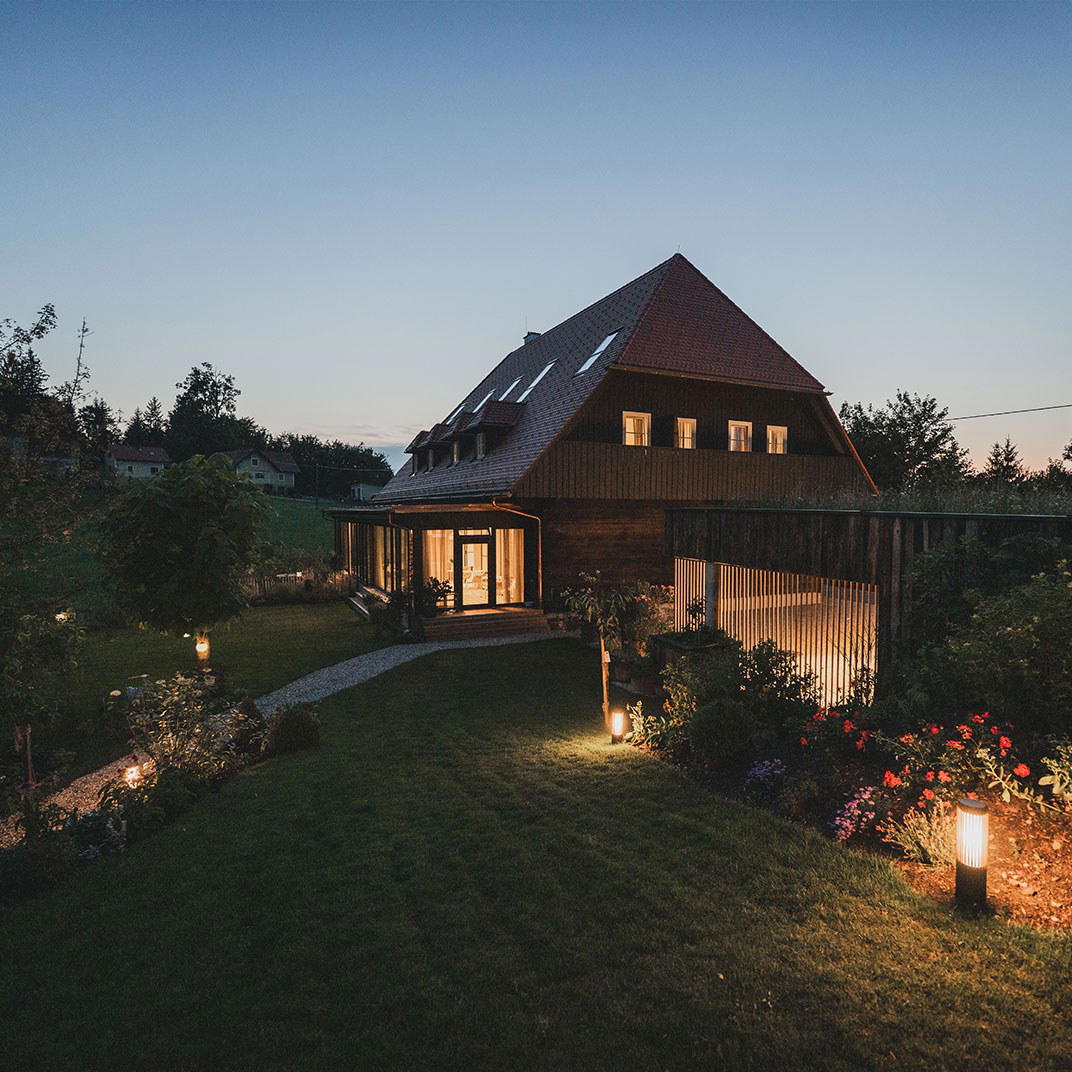
Approaching wine country in Ratsch an der Weinstraße, the mood changes before the glass does: vineyard slopes, rural quiet, and the Austrian logic that wine belongs with food, weather, and the working hill. Weingut Tamara Kögl sits in that Southern Styrian tradition, where the estate experience is defined less by architectural spectacle than by proximity to vines and table culture. Its atmosphere is cozy, classic, rustic, scenic, and intimate, with a Buschenschank format that anchors the visit in local wine hospitality rather than polished resort theatre.
Southern Styria’s identity is built on tension: steep vineyards, cool influences, aromatic white varieties, and wines that trade weight for line, fragrance, and acidity. Kögl’s range reads as a regional map. Sauvignon Blanc, Morillon, Welschriesling, Gelber Muskateller, Grauburgunder, and Grüner Sylvaner form the white-wine core; Zweigelt and Pinot Noir add a red-wine register; sparkling wine extends the cellar beyond still bottlings. The estate’s biodynamic approach matters because the editorial question here is not simply what grapes are grown, but how convincingly farming, slope, and cellar language translate into the glass.
Steep-slope Styria, read through aromatic whites and biodynamic farming
The Stermetzberg setting gives the estate its strongest context. Steep hillside viticulture is labor-intensive, and in Southern Styria it is tied to wines that feel more vertical than broad: Sauvignon Blanc with herbal snap, Gelber Muskateller built around perfume, Welschriesling and Morillon in the region’s leaner register, and Pinot Noir or Zweigelt handled more lightly than in warmer Austrian zones. Specific cuvées are not the point; the larger story is regional grammar, and Kögl’s listed varieties sit squarely inside it.
Biodynamic production adds another layer. In Austrian wine, organic and biodynamic farming have moved from fringe signal to serious quality marker, especially where growers want vineyard expression to matter more than cellar styling. Kögl’s sourcing tags include organic, biodynamic, and sustainable, and the production philosophy is biodynamic. That does not automatically make a wine compelling, but it places the estate where farming is part of the argument, not a compliance note.
The open year, 2009, places the estate within a contemporary wave of Austrian wine culture. Over the last two decades, the country has moved further from bulk reputation toward site-led, restaurant-facing, tourism-aware producers. In that context, a small-production estate with an on-site tasting room and Buschenschank structure is not mimicking grand châteaux. It works in a regional idiom: hillside wines, local food culture, and slower hospitality.
The Buschenschank format keeps the experience local rather than performative
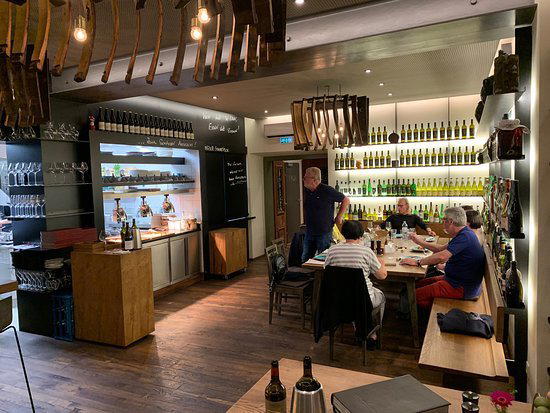
The Buschenschank matters because it changes how wine is encountered. Austria’s traditional wine tavern model links producer, table, and place; the visitor is not only evaluating a flight but reading the region through wine served alongside local food culture. Kögl offers guided tastings, Buschenschank tastings, and appointment tastings, with food pairing available and outdoor seating part of the experience. That differs from a volume tasting bar and suits drinkers who want context, conversation, and estate rhythm.
Press describes the atmosphere as having class and wine-focused hospitality, but its strength is more grounded. Vineyard and mountain views, conversational noise level, and intimate rustic styling define the audience: groups looking for wine education, solo visitors who prefer producer-led discovery to a crowded counter, and special-occasion drinkers who want the region visible throughout the visit. It is not a children-focused stop and is not positioned as dog-friendly, which keeps the tone adult and wine-led rather than a casual picnic stop.
Tamara Kögl is named as winemaker, tying the estate’s identity to a person without turning the story into biography. The stronger point is that Southern Styrian wine tourism increasingly rewards producers who connect farming, cellar, and hospitality in one coherent format. Kögl does that through a family-run, biodynamic estate model, a medium-capacity visit style, and tastings centered on the property rather than a generic regional pour.
How to place Kögl in a Ratsch wine-country itinerary
For Ratsch an der Weinstraße, the useful planning question is how much structure the day needs. Kögl works as a dedicated winery stop rather than a casual add-on, because its visit style is appointment-led and the tasting formats are guided rather than anonymous. Tour duration is listed at 60 to 90 minutes, enough to anchor part of an afternoon without taking the whole day. German is the listed tour language, so international visitors should plan conversation accordingly.
The price level sits at $$, helping travelers separate serious regional wine hospitality from luxury tasting economics. Payment options include cash, credit card, debit card, and contactless, removing one common rural-wine-country friction point. The dress code is casual, fitting the Buschenschank setting: the emphasis is on the estate, wines, and hillside context, not formal restaurant ritual.
Treat this as a terroir stop rather than a checklist stop. Come for the way Southern Styria’s steep vineyards, biodynamic farming, and aromatic varieties meet in one estate setting. For wider planning around the city, EP Club’s local guides are useful companions: Our full Ratsch An Der Weinstra E wineries guide, Our full Ratsch An Der Weinstra E restaurants guide, Our full Ratsch An Der Weinstra E hotels guide, Our full Ratsch An Der Weinstra E bars guide, and Our full Ratsch An Der Weinstra E experiences guide.
Travelers building a broader wine-country circuit across Austria and beyond can also use the wider winery archive for contrast, from »der Steiner« Hans Steiner in Podersdorf am See, ®walzer in Gneixendorf Bei Krems, 1516 Brewing Company Distillery in Vienna, A-Nobis Sektkellerei in Zurndorf, and Abfindungsbrennerei Franz in Leithaprodersdorf to Achs-Wendelin Weine in Gols, Aeijst Distillery in Sankt Nikolai im Sausal, Alexander Koppitsch in Neusiedl am See, & Handwein in Mannheim, and 00 Wines in Carlton. Kögl’s place in that wider reading is clear: a Southern Styrian hillside estate where the experience is built around biodynamic viticulture, local tavern culture, and a compact but regionally fluent range of wines.
Recognition history
Dated appearances from independent guides and award organizations, with the underlying list record or original source where available.
Falstaff Winery - 2 Stars
Falstaff
Continue exploring
More in Ehrenhausen
Wineries in Ehrenhausen
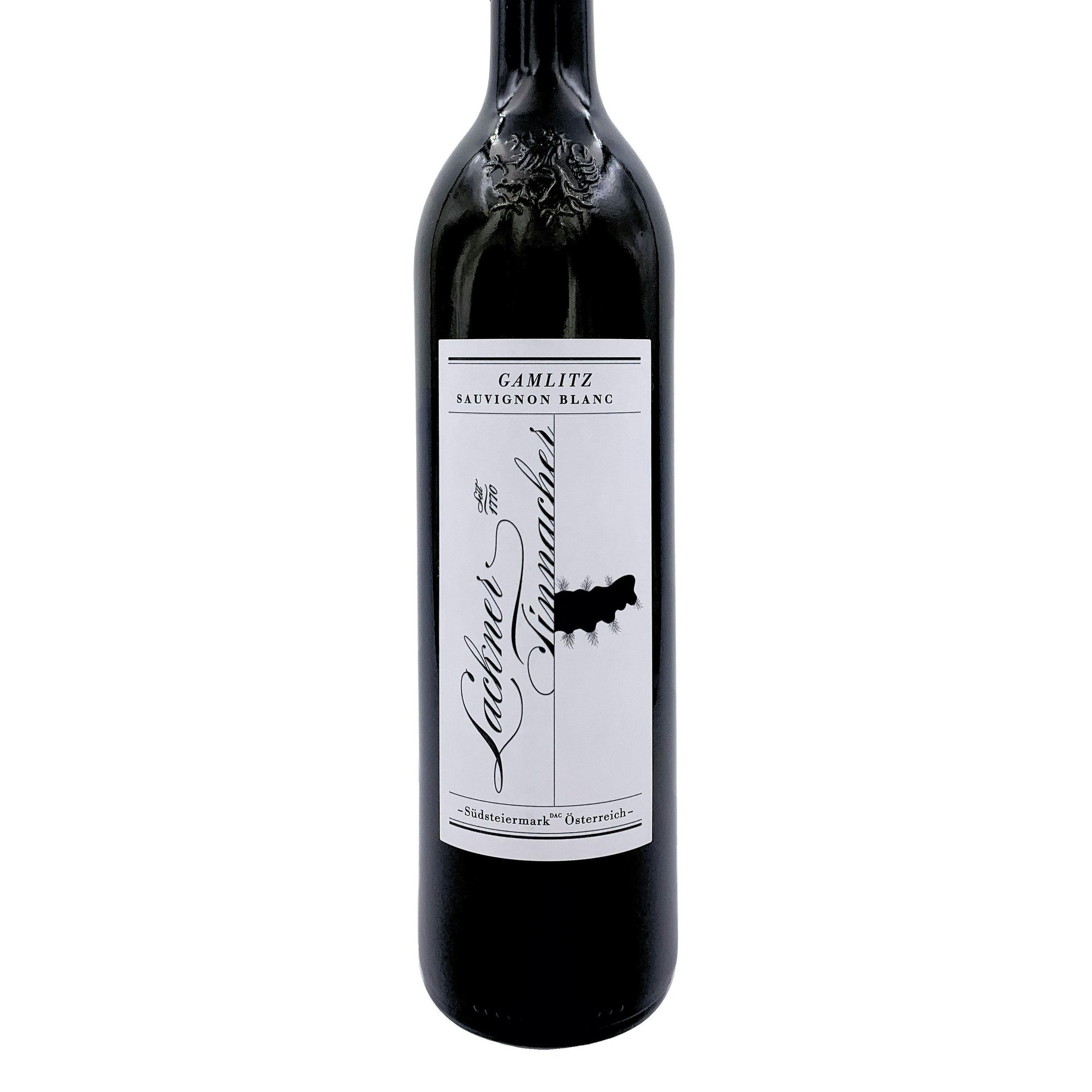
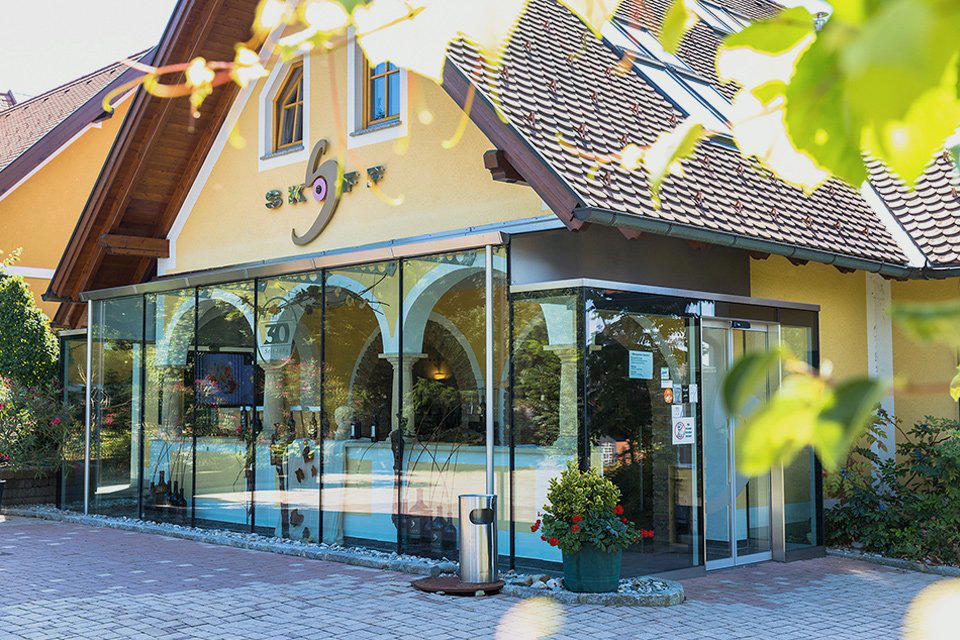
All wineries in Ehrenhausen →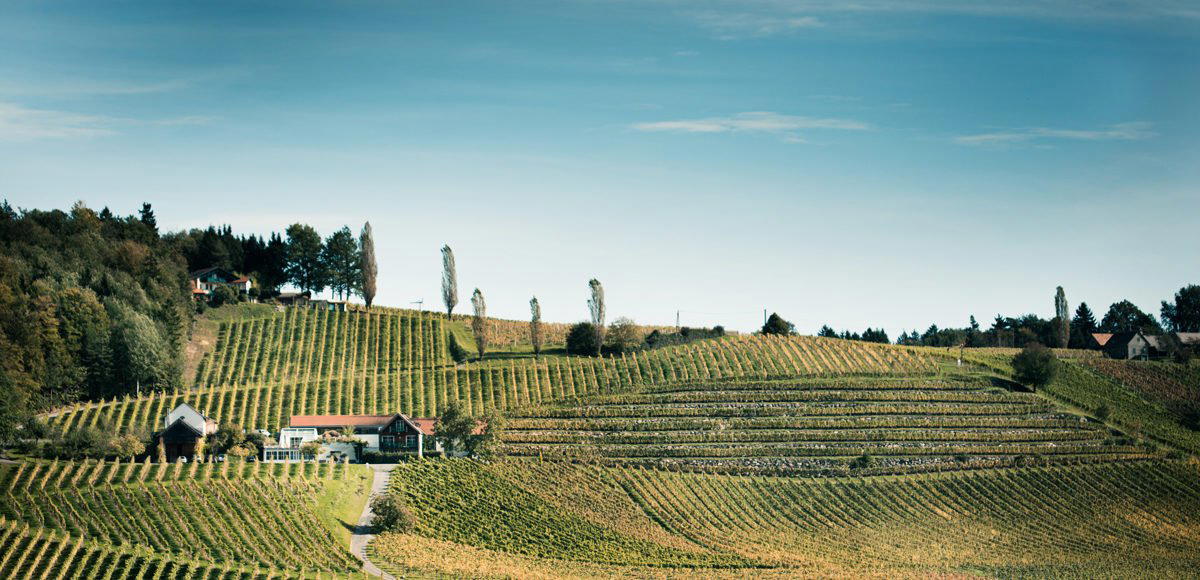
Bars in Ehrenhausen
Browse all →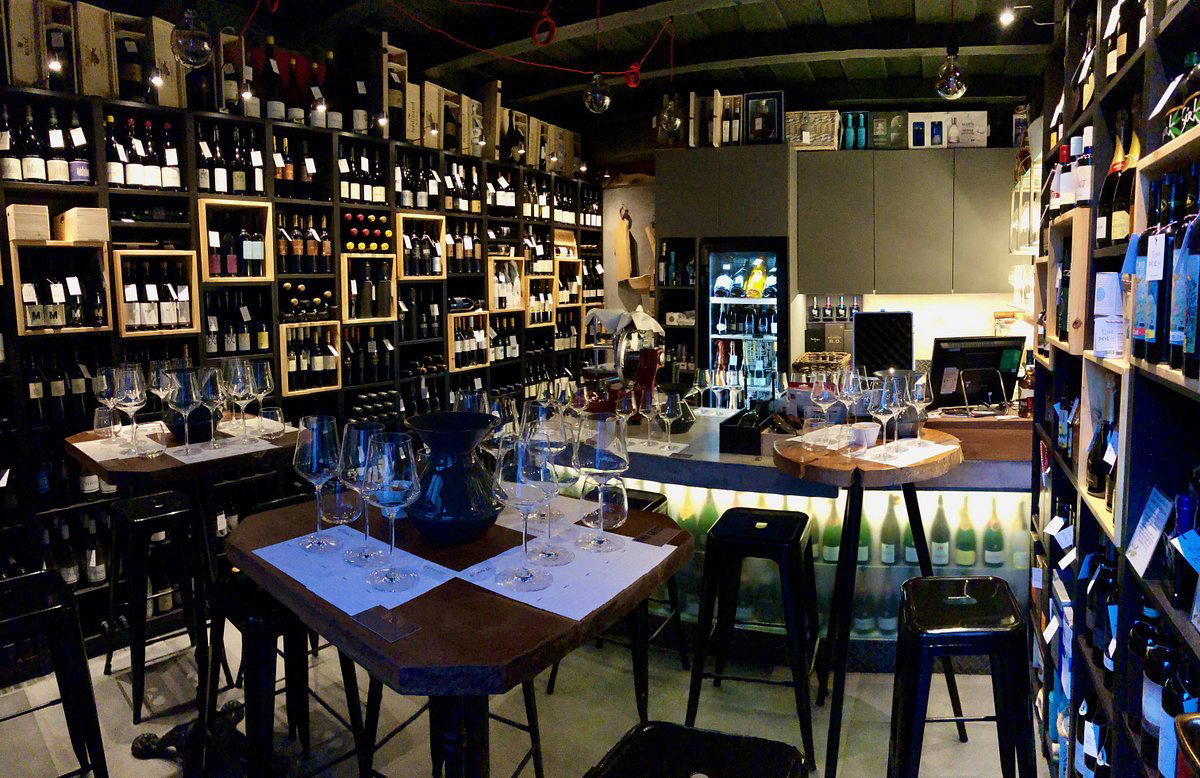
Details
- Rustic
- Scenic
- Cozy
- Classic
- Intimate
- Group Outing
- Wine Education
- Special Occasion
- Solo Exploration
- Estate Grounds
- Historic Building
- Private Tasting
- Organic
- Biodynamic
- Sustainable
- Vineyard
- Mountain
- Sauvignon Blanc
- Grüner Sylvaner
- Morillon
- Grauburgunder
- Welschriesling
- Gelber Muskateller
- Zweigelt
- Pinot Noir
- Still White
- Still Red
- Sparkling
- Guided Tasting
- Buschenschank Tasting
- Appointment Tasting
- German
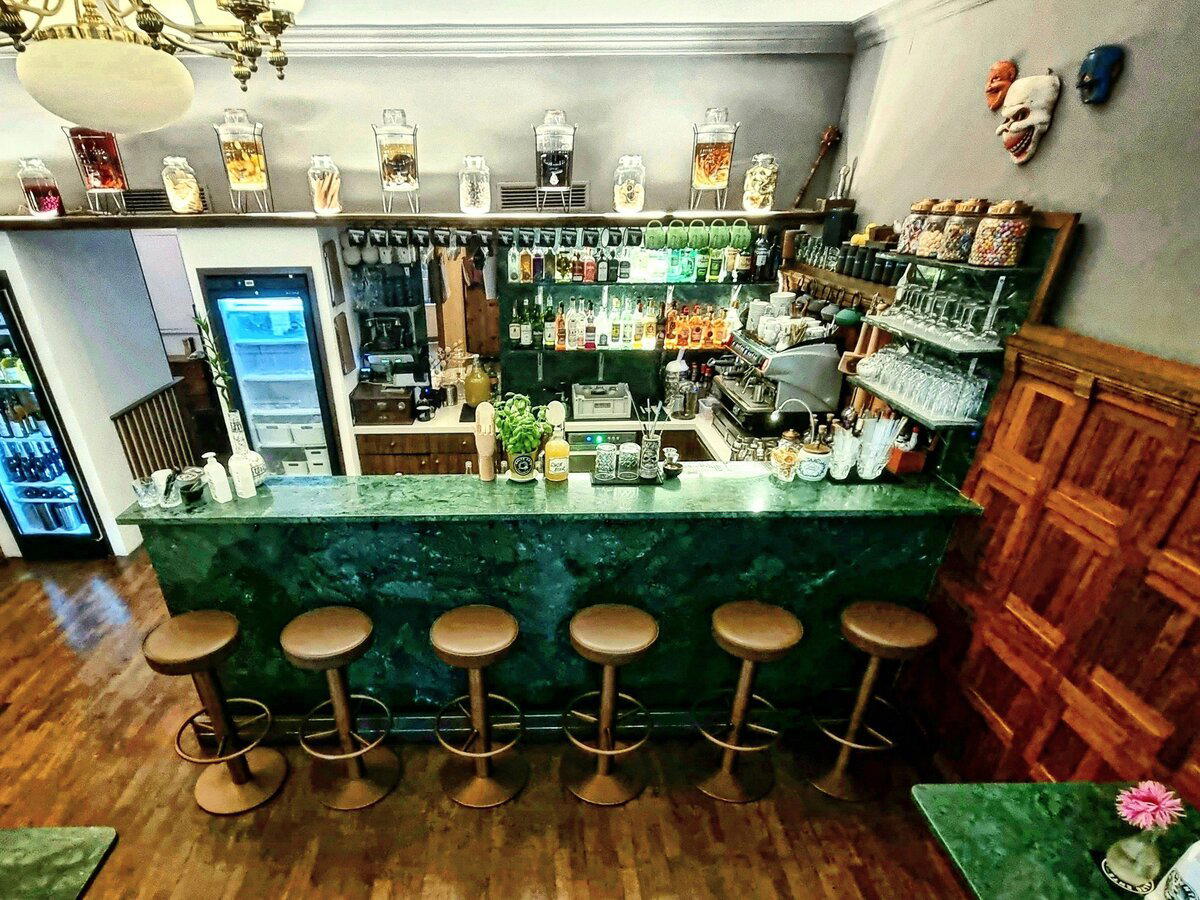
A cozy, classically styled Buschenschank atmosphere with a strong sense of place; press describes it as a place of 'class' and wine-focused hospitality, set on the steep hills of the Stermetzberg with a scenic rural backdrop.