
Weingut Seehof – Familie Fauth is a four-generation family estate in Westhofen, framed by Rheinhessen limestone and a portfolio led by Riesling, Pinot Blanc, Chardonnay, Grauburgunder and Scheurebe. Its interest lies in site expression rather than spectacle: Morstein, Kirchspiel and Steingrube give the range its serious Westhofen accent, with Florian Fauth associated with the current chapter.
Pearl is the En Primeur Club membership app — saves, bookings, and concierge access live there. Same editors, same standards.
- Address
- Westhofen, Rhine Hesse, Rhineland-Palatinate, Deutschland
- Directions
- Get directions
 Saves & bookings on Pearl
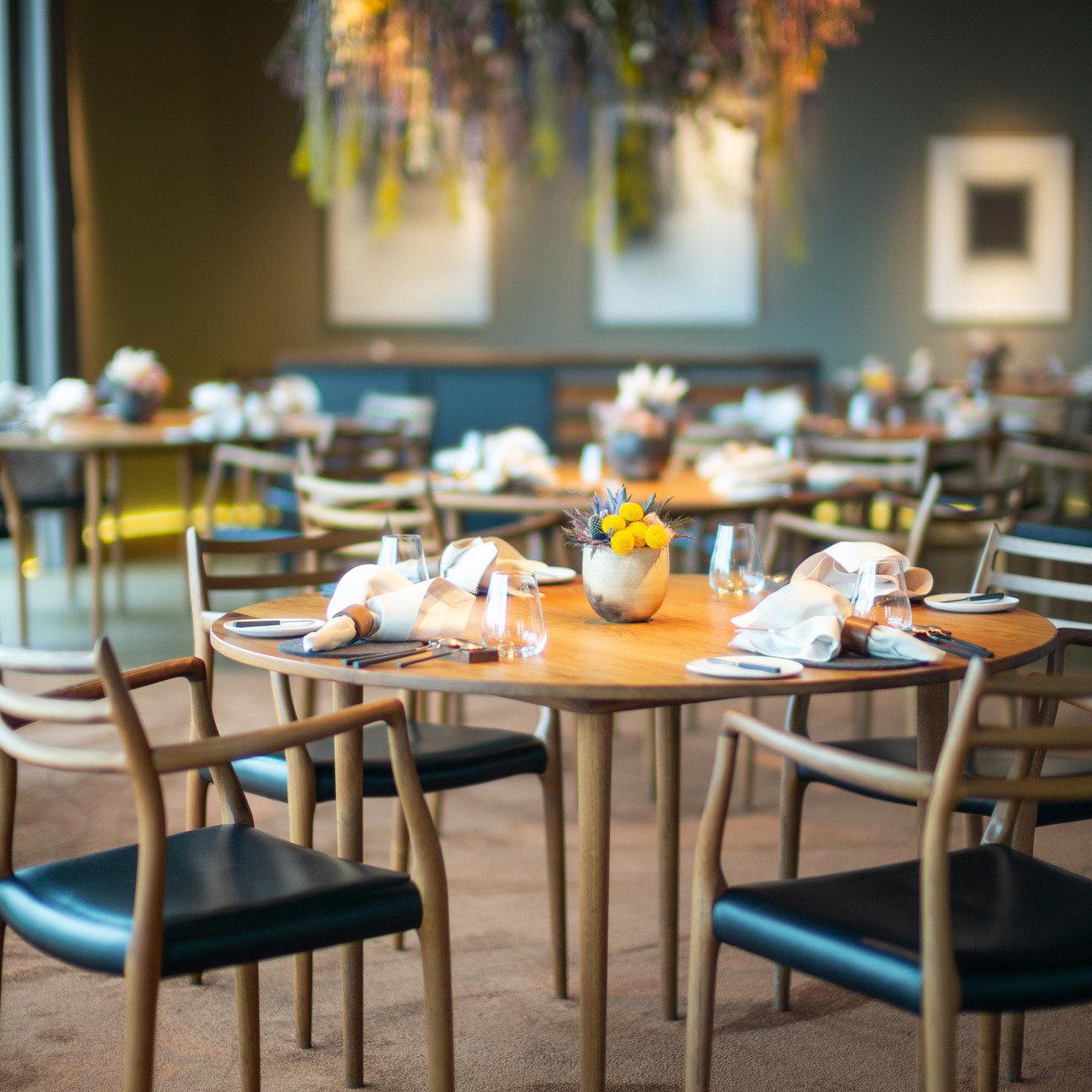
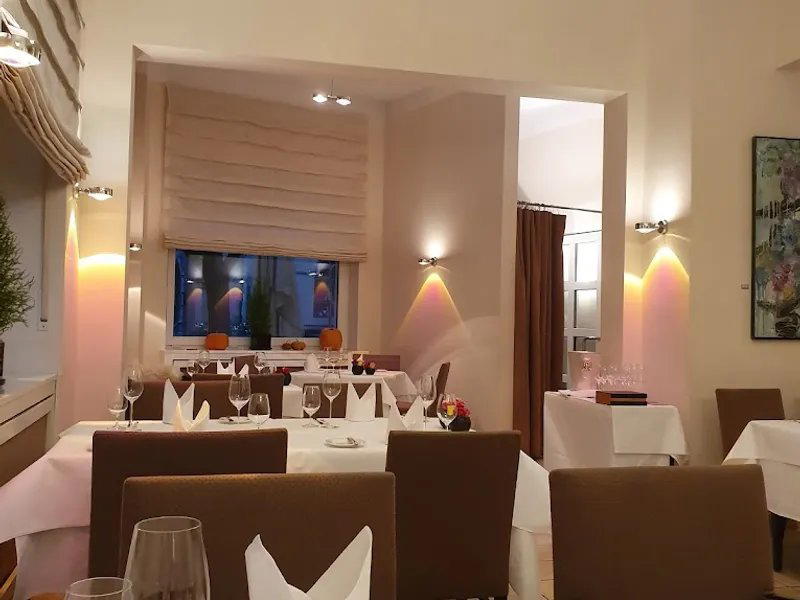
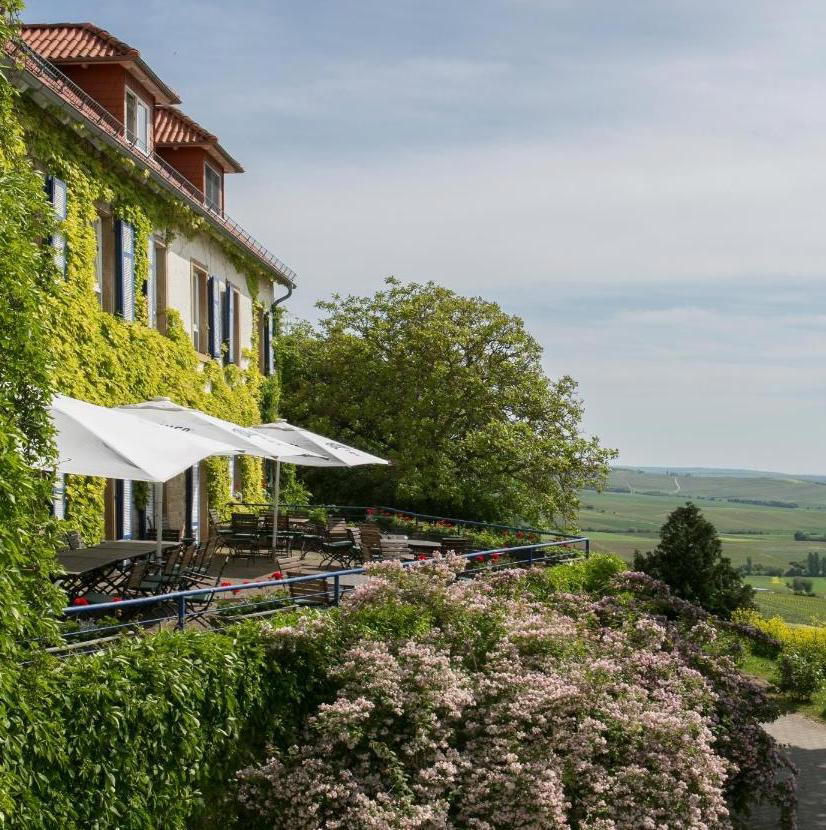
Westhofen’s historic village core gives Weingut Seehof – Familie Fauth its context: a traditional, family-run winery atmosphere in a calm, established setting. The picture is narrow but useful. This is a Westhofen estate associated with terroir-driven Riesling and Burgundian wines, and press descriptions emphasize a rooted, craft-oriented character rather than a highly staged hospitality identity. In editorial terms, that restraint is part of the point: the estate is best understood through its village setting, its family continuity and the wine styles already attached to its name, not through a more decorative story that the available record does not support.
For EP Club purposes, a reliable way to frame Weingut Seehof – Familie Fauth is as a winery to understand through place and style, not through claims about individual bottlings, vineyard names, tasting formats, opening arrangements or visitor services. The confirmed information supports a focused profile: Westhofen, family-run, traditional in mood, and centered on Riesling and Burgundian varieties.
Limestone, Morstein and the Westhofen grammar of dry whites
The estate is best discussed within Westhofen’s broader wine language, where terroir and village identity matter. What can be stated with confidence is that Weingut Seehof – Familie Fauth is known for terroir-driven Riesling and Burgundian wines. More granular claims about specific sites, named cuvées, alcohol levels, closures, élevage, bottle prices or exact production details are not part of the public record here and should not be treated as confirmed guidance. The useful reading, then, is stylistic rather than forensic: this is a producer to place within the serious, place-conscious side of the village.
That does not make the profile vague; it simply keeps the emphasis where the evidence supports it. Riesling is a central reference point, and Burgundian varieties form an important part of the estate’s identity. Visitors and readers should therefore approach the winery as part of Westhofen’s serious white-wine culture, while avoiding assumptions about any particular bottle, service format or tasting sequence unless confirmed directly by the estate. The safest expectation is not a scripted experience, but a clearer sense of how a family winery can express a village through established grape varieties.
The price category is listed as $$$, which positions the estate in EP Club’s higher price band without attaching unsupported bottle-level pricing. For a premium guide, that distinction matters: the category can help set expectations, while exact retail figures, reserve tiers or cellar-door costs should not be inferred. It signals seriousness and a likely premium context, but it should not be converted into a menu, a tariff or a promise about what will be available on any given visit.
A family estate model, not a lifestyle cellar door
The winery is described as having a traditional family-run winery atmosphere in Westhofen’s historic village core. The grounded impression is one of continuity, craft and calm rather than spectacle. Press descriptions emphasize a rooted, craft-oriented character and an established setting, which supports a restrained editorial profile. The value of that profile is precisely its lack of overstatement: it points to a working wine identity, shaped by family and place, rather than a venue defined by designed lifestyle cues.
What should not be added is just as important. The guide should therefore avoid presenting them as facts. This keeps the listing useful for readers while protecting the difference between confirmed context and attractive but unsupported assumption.
In practical terms, the estate is best introduced as a Westhofen winery for readers interested in terroir-driven Riesling and Burgundian wines. Its appeal lies in a grounded sense of place: a family-run setting, a historic village context and a calm, established character. For the right traveler, that is enough to make the estate relevant; the draw is not novelty, but a composed, traditional frame for understanding the village’s wine culture.
How to place it within a Westhofen wine itinerary
Within a Westhofen-focused itinerary, the winery fits as a stop for travelers who want to understand the village through wine rather than through nightlife or restaurant-style hospitality. The confirmed focus on Riesling and Burgundian wines makes it relevant for drinkers interested in how Westhofen expresses those varieties. It belongs in an itinerary built around regional context, careful comparison and a slower reading of place, rather than one built around spectacle or a checklist of amenities.
That caution is not a weakness in the listing; it is the responsible way to handle a venue where the strongest information concerns identity, setting and wine focus rather than visitor logistics.
For comparison, one natural reference point remains the winery itself within the wider, unnamed range of Westhofen wine and dining. The estate’s profile is not built on awards, rankings, scores or celebrity associations in the public record; it is built on place, family-run atmosphere and a craft-oriented focus on Riesling and Burgundian wines. In that sense, its role in EP Club is clear: a concise, premium-leaning Westhofen address whose significance comes from rootedness, not noise.
Recognition history
Dated appearances from independent guides and award organizations, with the underlying list record or original source where available.
Falstaff Winery - Listed
Falstaff
Continue exploring
More in Westhofen
Wineries in Westhofen
Browse all →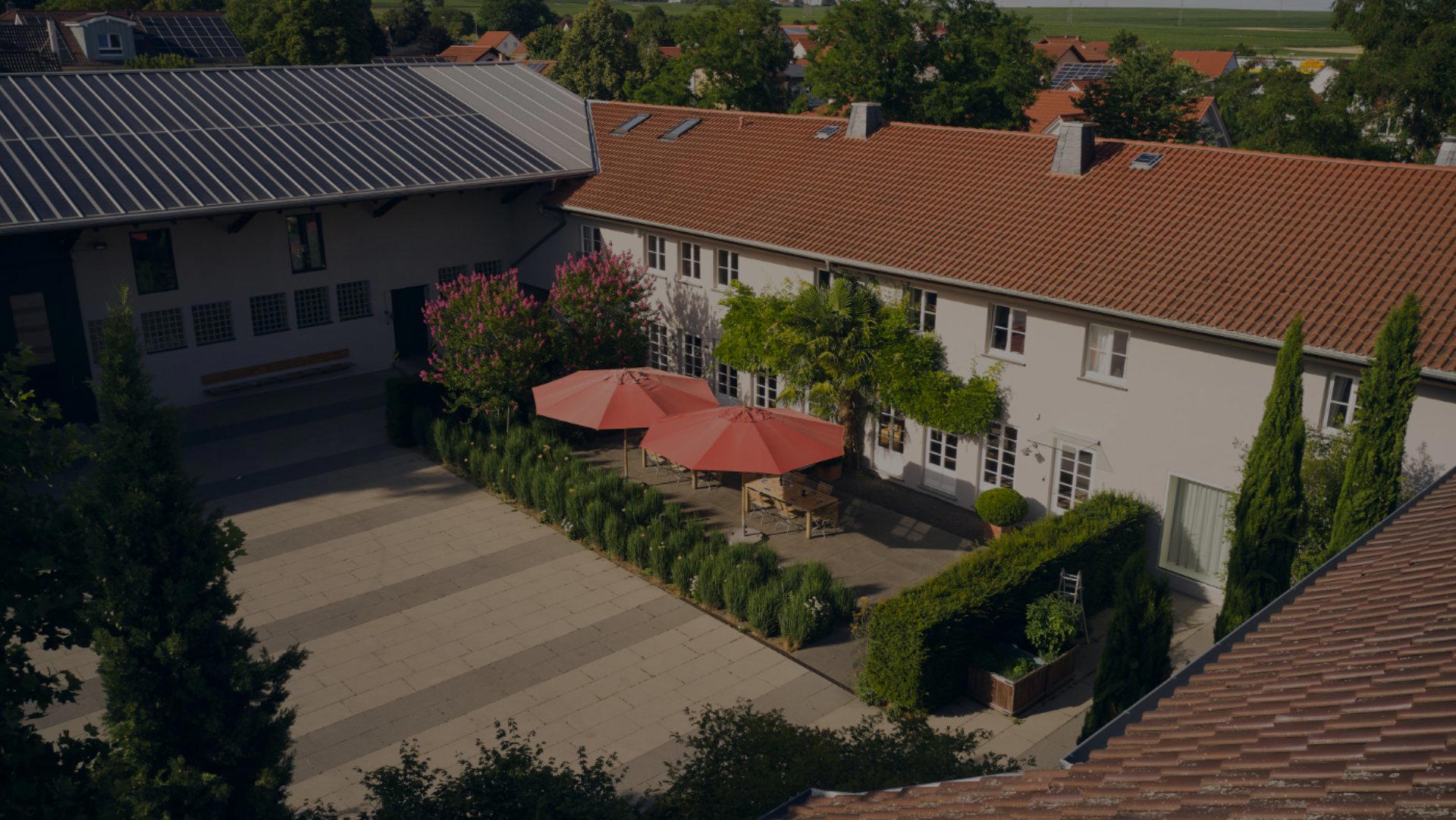
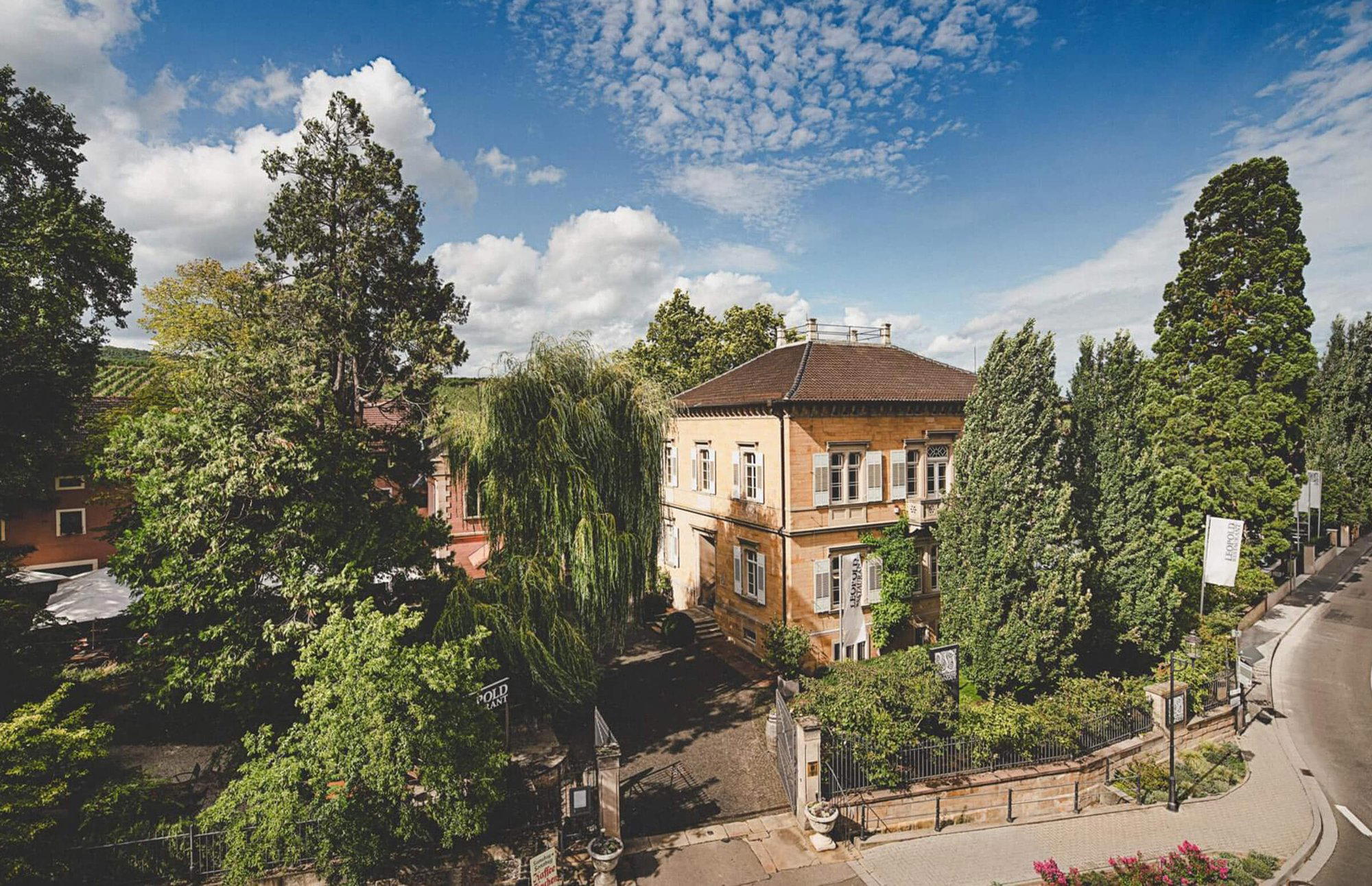
Bars in Westhofen
Browse all →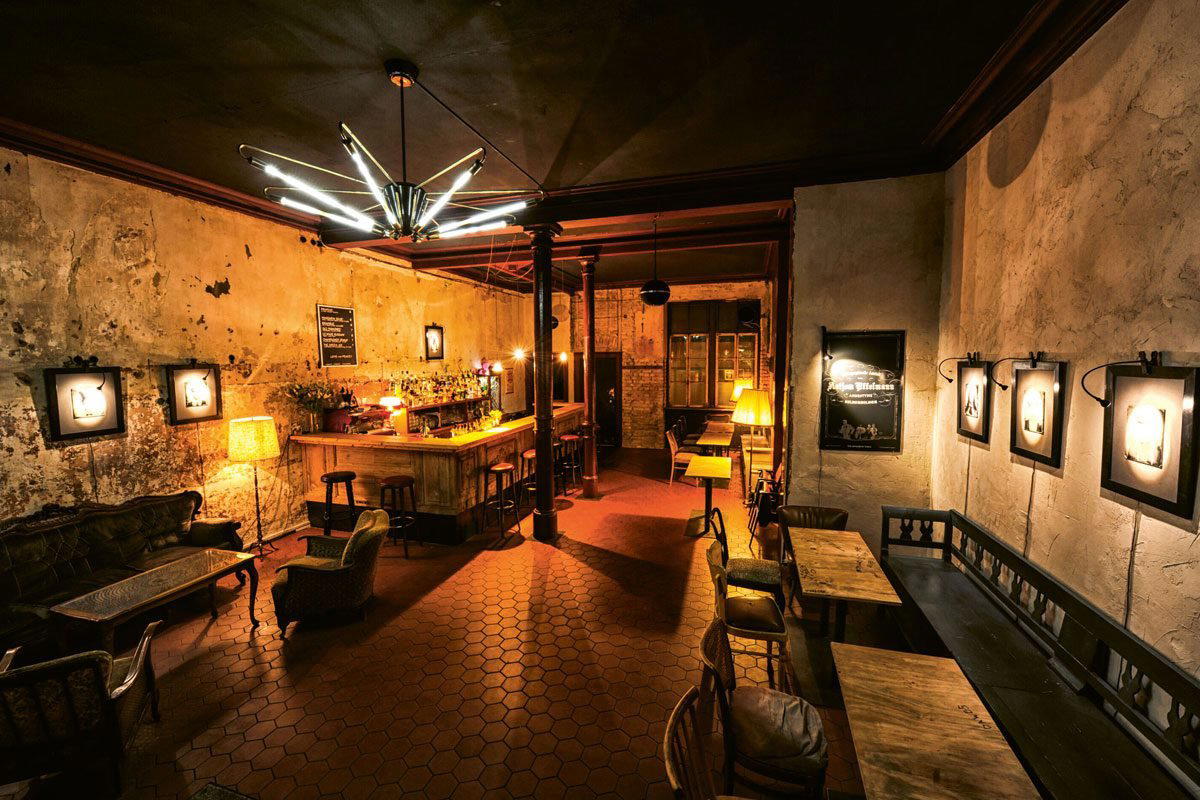
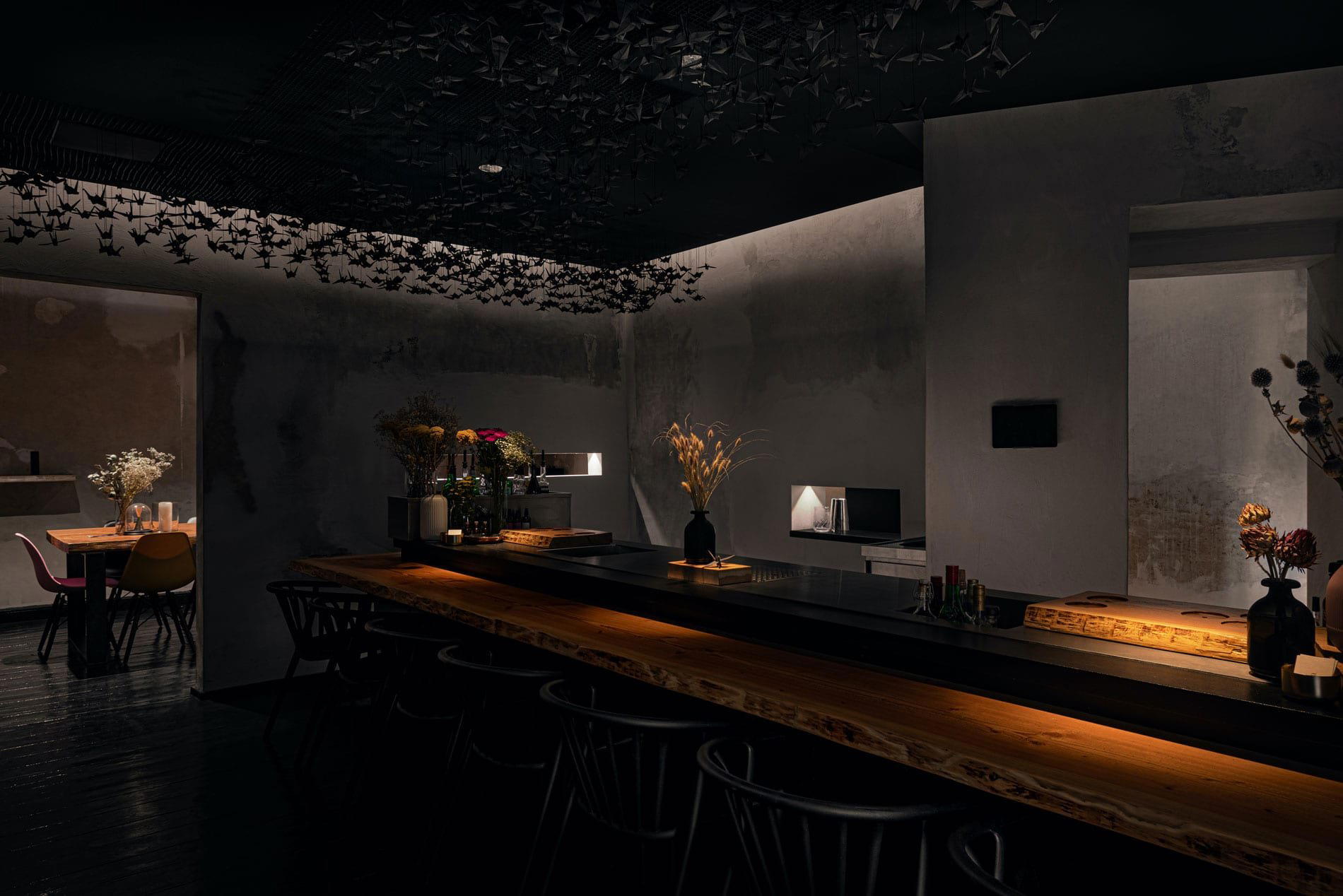
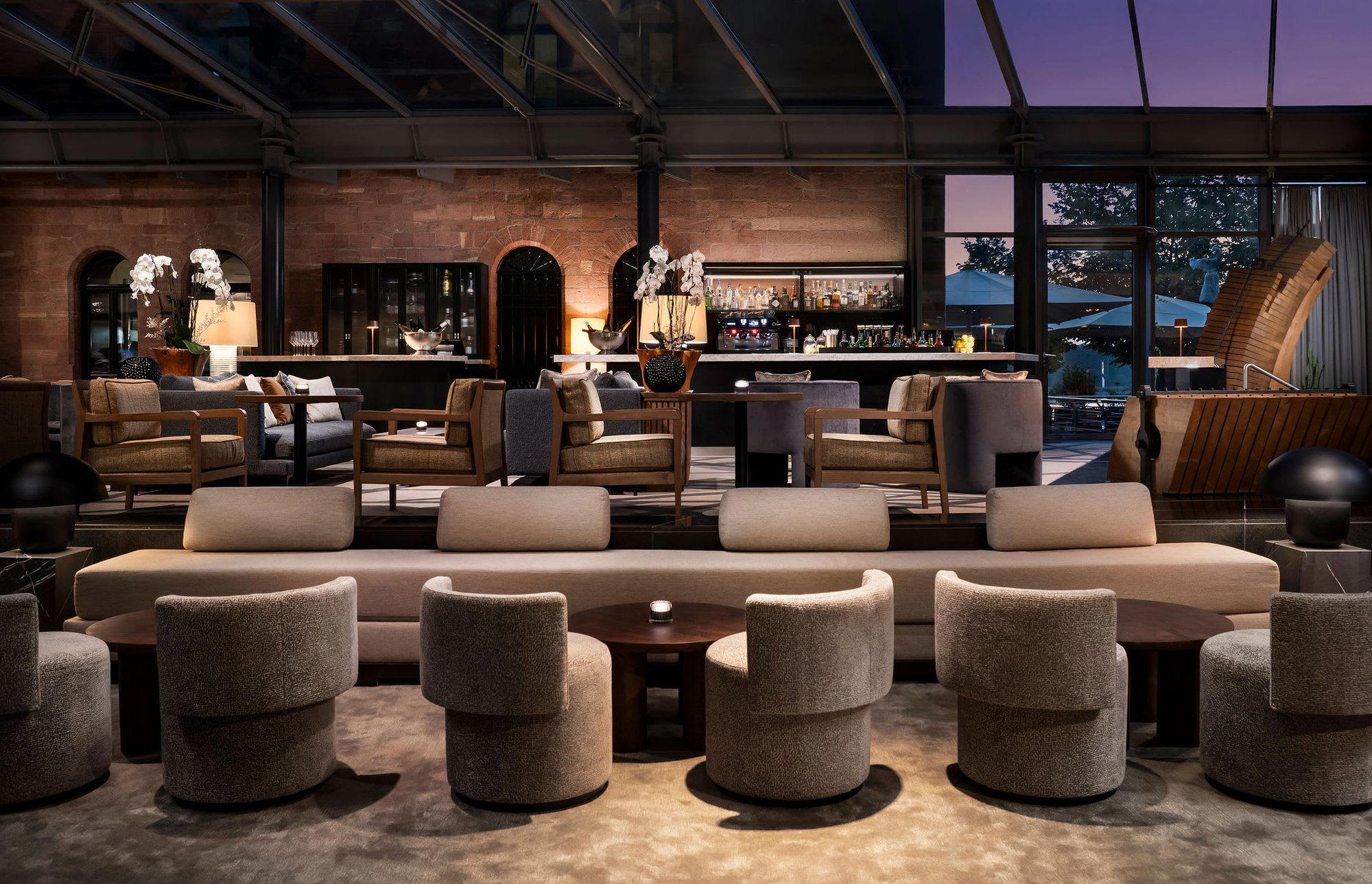
Restaurants in Westhofen
Browse all →
At a Glance
- Classic
- Quiet
- Rustic
- Wine Education
- Solo Exploration
- Special Occasion
- Historic Building
- Street Scene
- Rheinhessen
- Riesling
- Pinot Blanc
- Chardonnay
- Grauburgunder
- Scheurebe
- Still White
- Still Red
- Sparkling
- Private Tasting
Traditional family-run winery atmosphere in Westhofen’s historic village core, with a focus on terroir-driven Riesling and Burgundian wines; press descriptions emphasize a rooted, craft-oriented character and a calm, established setting.