
Weingut Schweder is a family-run Pfalz estate in Hochstadt, founded in 1898 and shaped by a compact 19-hectare vineyard base. Its appeal is less about polished wine-tourism theatre than about a traditional production setting, with Henrik Schweder named as winemaker and oenologist and the portfolio spanning Riesling, Müller-Thurgau, Dornfelder, Burgunder and Piwi varieties.
Pearl is the En Primeur Club membership app — saves, bookings, and concierge access live there. Same editors, same standards.
- Address
- Hochstadt, Pfalz (Palatinate), Rhineland-Palatinate, Deutschland
- Directions
- Get directions
 Saves & bookings on Pearl
Hochstadt’s wine country rewards a slower eye: working vineyards, quiet lanes, and estates where production matters more than stagecraft. Weingut Schweder fits that register: classic, rustic, family-run Pfalz, focused on the wine estate rather than a choreographed tasting performance. For travellers reading the Südliche Weinstraße through producers, the distinction matters. Some cellars sell architecture and elaborate visitor formats; here the useful lens is continuity, vineyard scale, and how a small estate works within a region known for direct, drinkable, site-conscious German wines.
Loess, family continuity, and a Pfalz cellar built around production
The Pfalz has long sat apart from Germany’s cooler, steeper wine narratives. Its identity is more generous, agricultural, and often more approachable at cellar-door level than the country’s vertiginous river valleys. In Hochstadt, that context frames Weingut Schweder better than any single cuvée name. The estate dates to 1898, giving it a historical anchor in a region where family succession often shapes style as much as fashion.
The vineyard footprint is 19 hectares, meaningful yet still hands-on for a family estate: large enough for a recognizable house range, small enough to stay tied to its own land. The estate is described around Hochstadt and nearby vineyard sites, with loess soils forming part of its identity. In this part of Germany, loess tends to support fruit breadth and accessible structure rather than severe austerity. Without unsupported tasting claims, that soil reference explains why the estate is best understood through land and farming before décor or service polish.
Family structure is part of the production signal. Heinz and Henrik Schweder are associated with ownership and management, while Henrik Schweder is named as winemaker and oenologist. In practical terms, cellar decisions and technical oversight sit close to the family business rather than being outsourced as a brand layer. That is structural, not romantic. In smaller German estates, continuity often appears in planting decisions, pricing discipline, and the willingness to keep familiar regional grapes alongside newer varieties.
The varietal list is broader than a Riesling-only reading of Germany suggests. Riesling and Müller-Thurgau place the estate in familiar white-wine territory; Dornfelder and Burgunder point toward still red and Pinot-family expectations within the wider Pfalz idiom. Piwi varieties are notable because these fungus-resistant grapes are part of Germany’s practical response to climate pressure and vineyard disease management. At Weingut Schweder, they sit not as a fashionable add-on but within a working estate’s range, beside established grapes with a long regional audience.
A quiet estate format rather than a staged wine-country performance
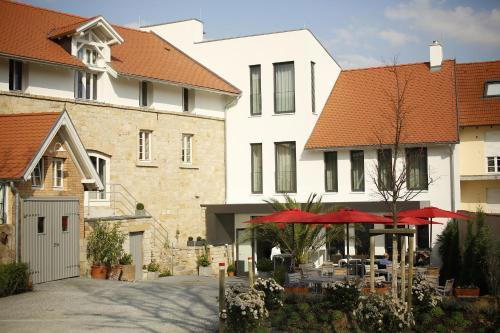
Modern wine tourism often splits between design-led tasting rooms built for visitors and production-led estates where the cellar remains the main event. The winery belongs to the second category. Its style is traditional, quiet, and production-focused, with direct estate sales. That tells an experienced traveller what to expect: a cellar visit anchored in bottles, vines, and family operation, not a multi-course pairing format or high-gloss lounge.
That restraint is the appeal for the right visitor. The estate suits solo exploration and wine education rather than large-group ceremony. It is not flagged for food pairing, outdoor seating, children, dogs, or group occasions, clarifying its role further. This is a stop for people who want to understand a working Hochstadt winery within the Südliche Weinstraße, especially through its practical mix of classic regional grapes and Piwi plantings. It is not competing with destination restaurants or resort-style winery hospitality.
The absence of public awards attached to the estate should be read carefully. In German wine, not every serious family producer is defined by medals, guide scores, or export visibility. Some estates operate through local direct sales, repeat customers, and regional familiarity. The winery’s clearer trust signals are objective rather than trophy-based: a founding date of 1898, 19 hectares under vine, a named winemaker-oenologist, and a defined Pfalz appellation context. Those facts are more useful than inflated acclaim.
Hochstadt is better approached as a cluster of wine addresses than a single marquee stop. Travellers building a compact itinerary can use our full Hochstadt wineries guide to map the local field, with nearby producer pages such as Weingut David Muth, Weingut Hörner – Hainbachhof, Weingut Rummel, and Weingut Stern giving the village denser producer context. For a wider German-language wine circuit, the contrast broadens through addresses such as & Handwein in Mannheim, 2 Naturkinder in Kitzingen, 3 Winner in Bechtheim, 49Point9 in Geisenheim, »der Steiner« Hans Steiner in Podersdorf am See, and ®walzer in Gneixendorf Bei Krems, each useful as a separate reference point rather than a direct Hochstadt comparison.
How to read the visit: choose it for region, grapes, and restraint
The right reason to seek out the winery is curiosity about the Pfalz at estate level. Travellers seeking polished tasting menus, cellar-door spectacle, or named critical scores will find clearer signals elsewhere. Those interested in how a family winery founded in the nineteenth century works with 19 hectares, conventional production, loess-grounded vineyards, and a mix of classic and future-facing grape varieties will understand the address quickly.
That makes the estate a useful counterweight to how premium wine travel is often packaged. The luxury here is not excess; it is specificity. Hochstadt, Südliche Weinstraße, Riesling, Müller-Thurgau, Dornfelder, Burgunder, and Piwi grapes form the editorial map. The cellar’s quietness is not a lack of character. It reminds you that much of German wine culture is still built around producers who sell wine where it is made, with family names on the door and the vineyard near the conversation.
For a broader trip, food, lodging, and after-dark planning sit outside the winery itself. The practical extensions are our full Hochstadt restaurants guide, our full Hochstadt hotels guide, our full Hochstadt bars guide, and our full Hochstadt experiences guide. Treat the winery as a focused wine stop within that larger frame: quiet, traditional, modest in scale, and rooted in the working rhythms of the Pfalz.
Recognition history
Dated appearances from independent guides and award organizations, with the underlying list record or original source where available.
Falstaff Winery - 1 Stars
Falstaff
Continue exploring
More in Hochstadt
Wineries in Hochstadt
Browse all →
Bars in Hochstadt
Browse all →


Restaurants in Hochstadt
Browse all →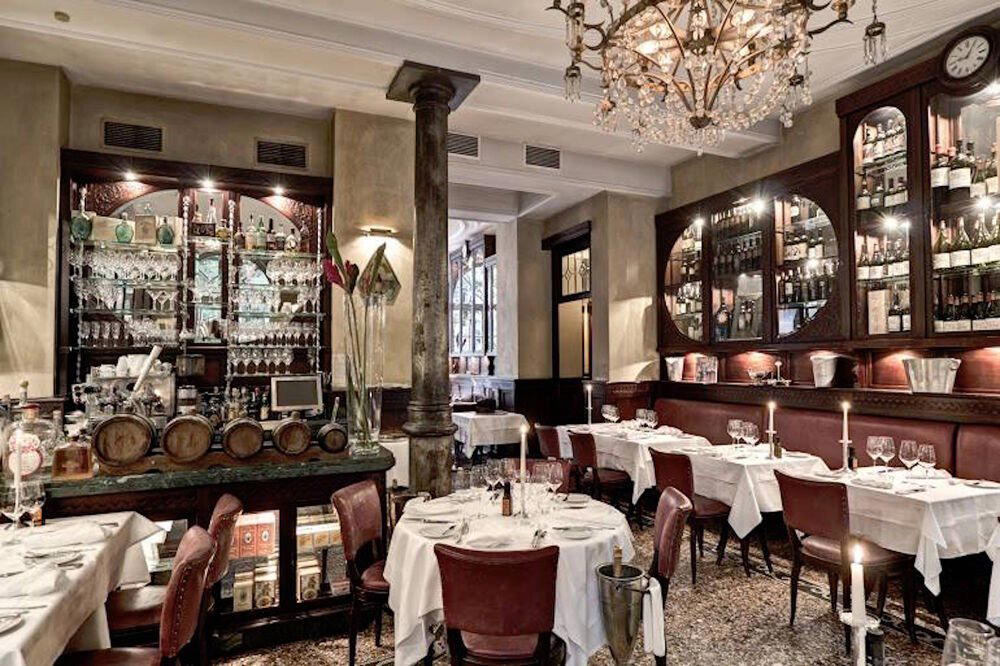
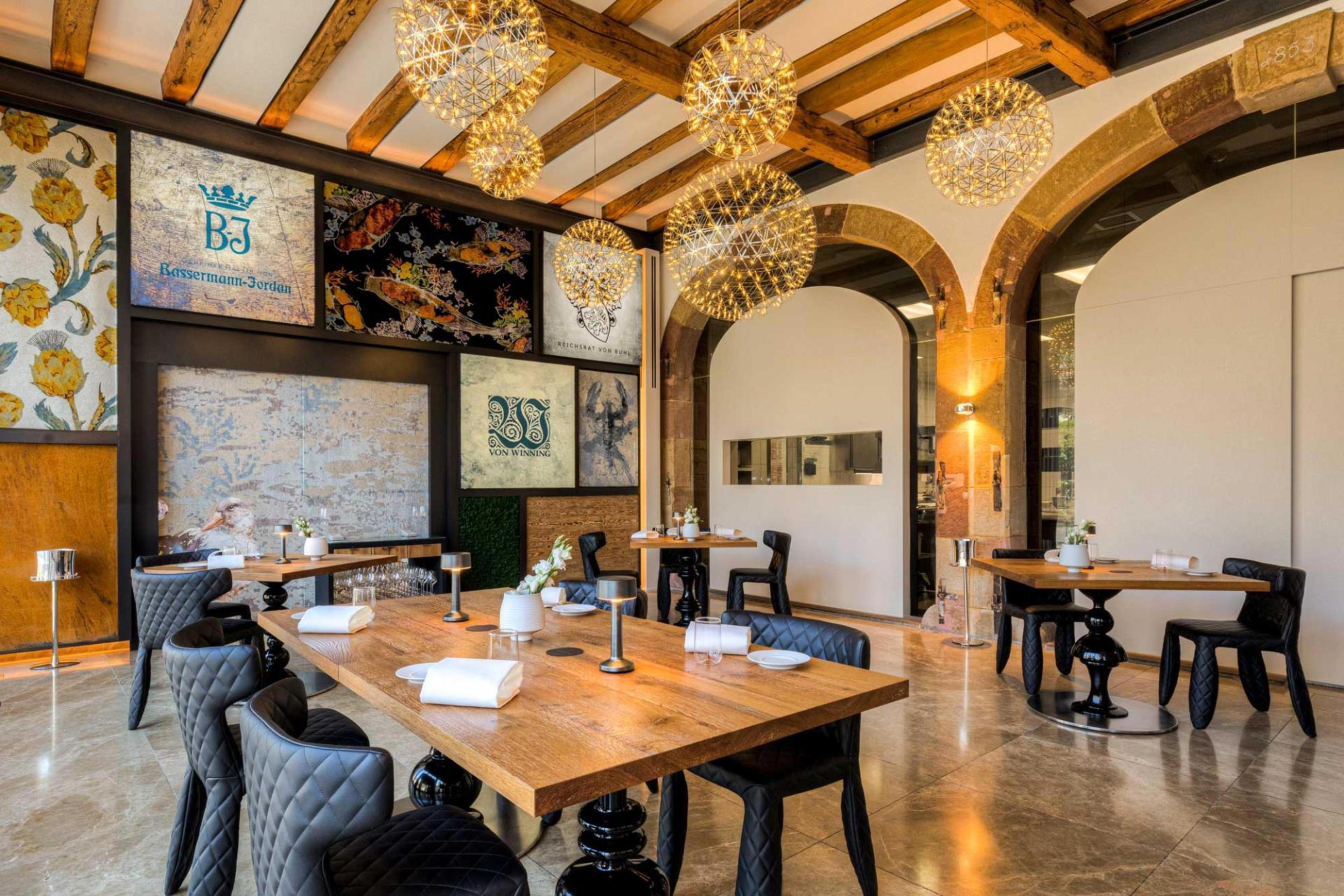
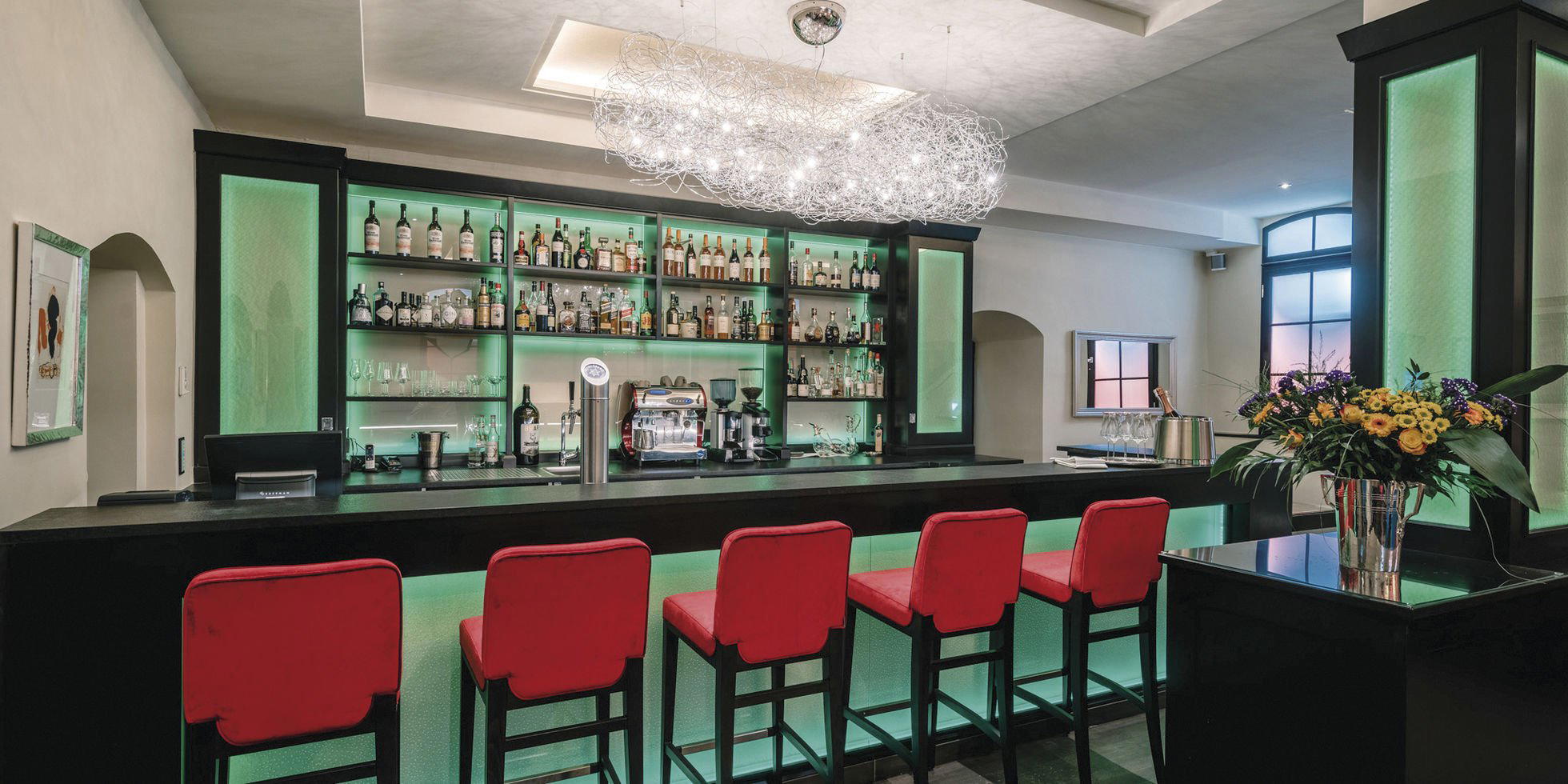
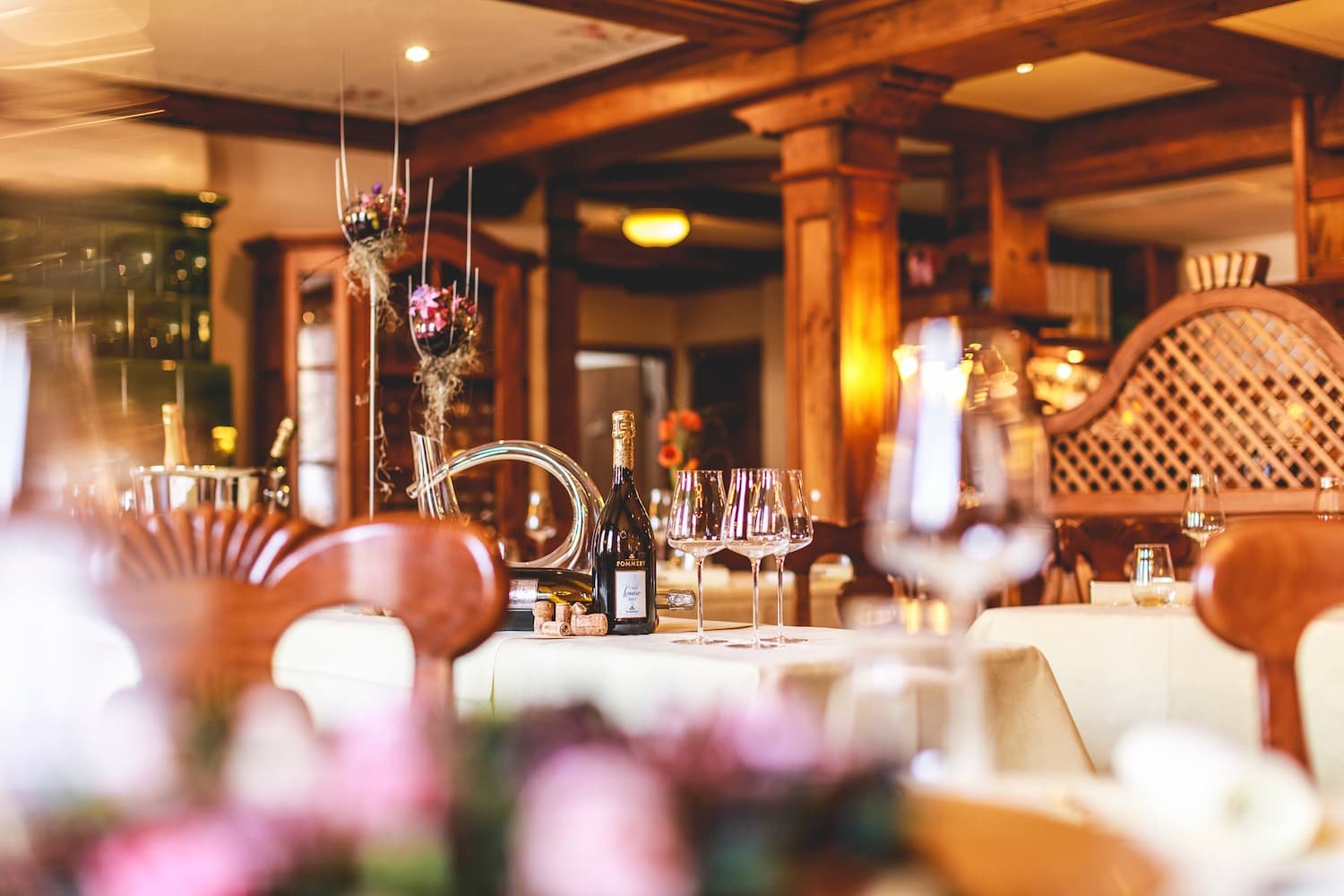
At a Glance
- Classic
- Rustic
- Quiet
- Solo Exploration
- Wine Education
- Vineyard
- Südliche Weinstraße
- Riesling
- Müller Thurgau
- Dornfelder
- Burgunder
- Piwi
- Still Red
- Still White
Family-run, traditional wine estate with a long-established, production-focused atmosphere.