
Falstaff Winery - Listed
Weingut Schmitt-Weber is a small family winery in Perl with a clear Obermosel identity: Burgunder varieties, Muschelkalk soils, and a dry-leaning house style. The interest here is not spectacle but a layered portfolio, from Klassiker and Lagenweine to the 1725 premium line, Sekt, sweet wines, alcohol-free Secco, and estate spirits.

Pearl is the En Primeur Club membership app — saves, bookings, and concierge access live there. Same editors, same standards.
- Address
- Perl, Moselle, Rhineland-Palatinate, Deutschland
- Directions
- Get directions
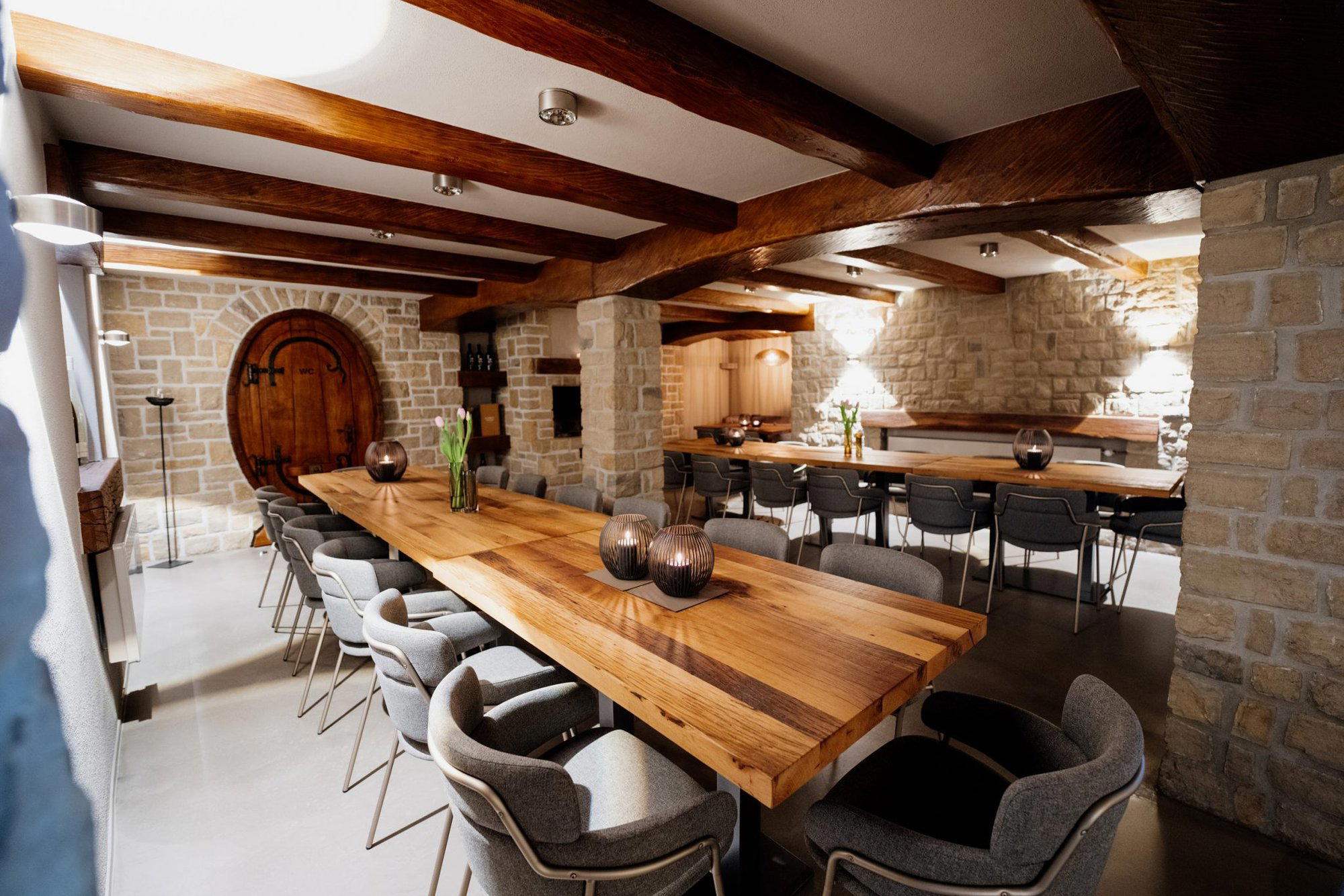
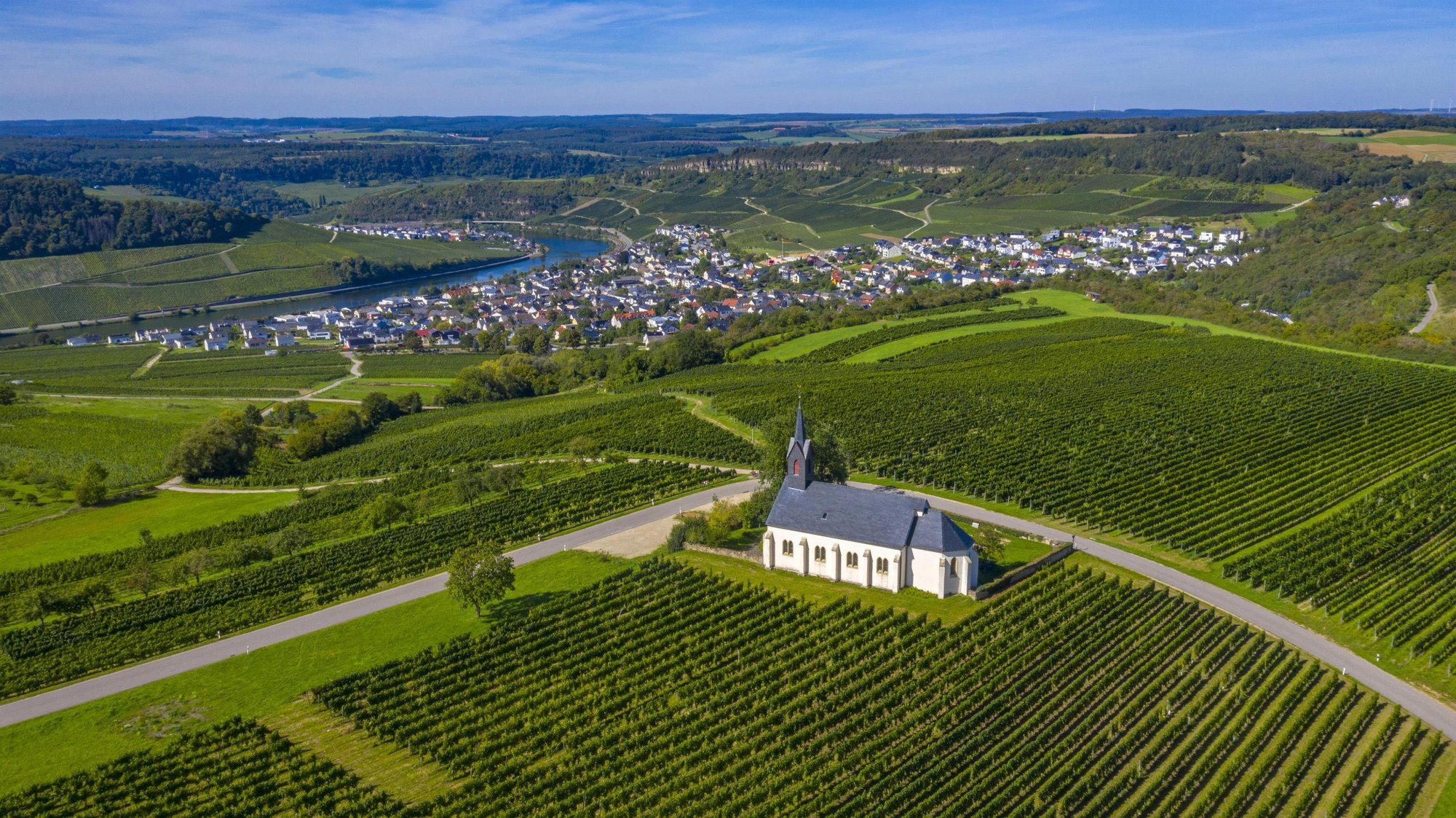
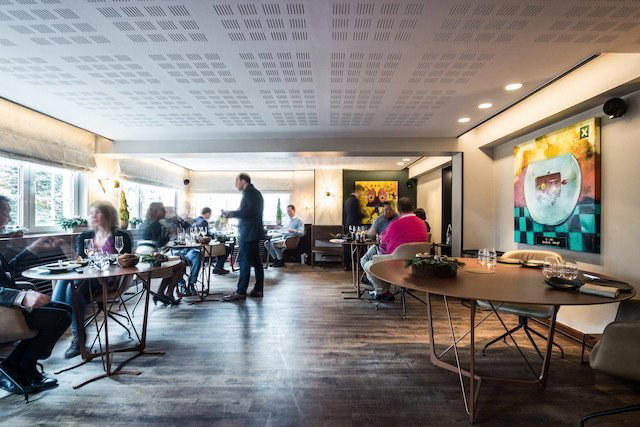
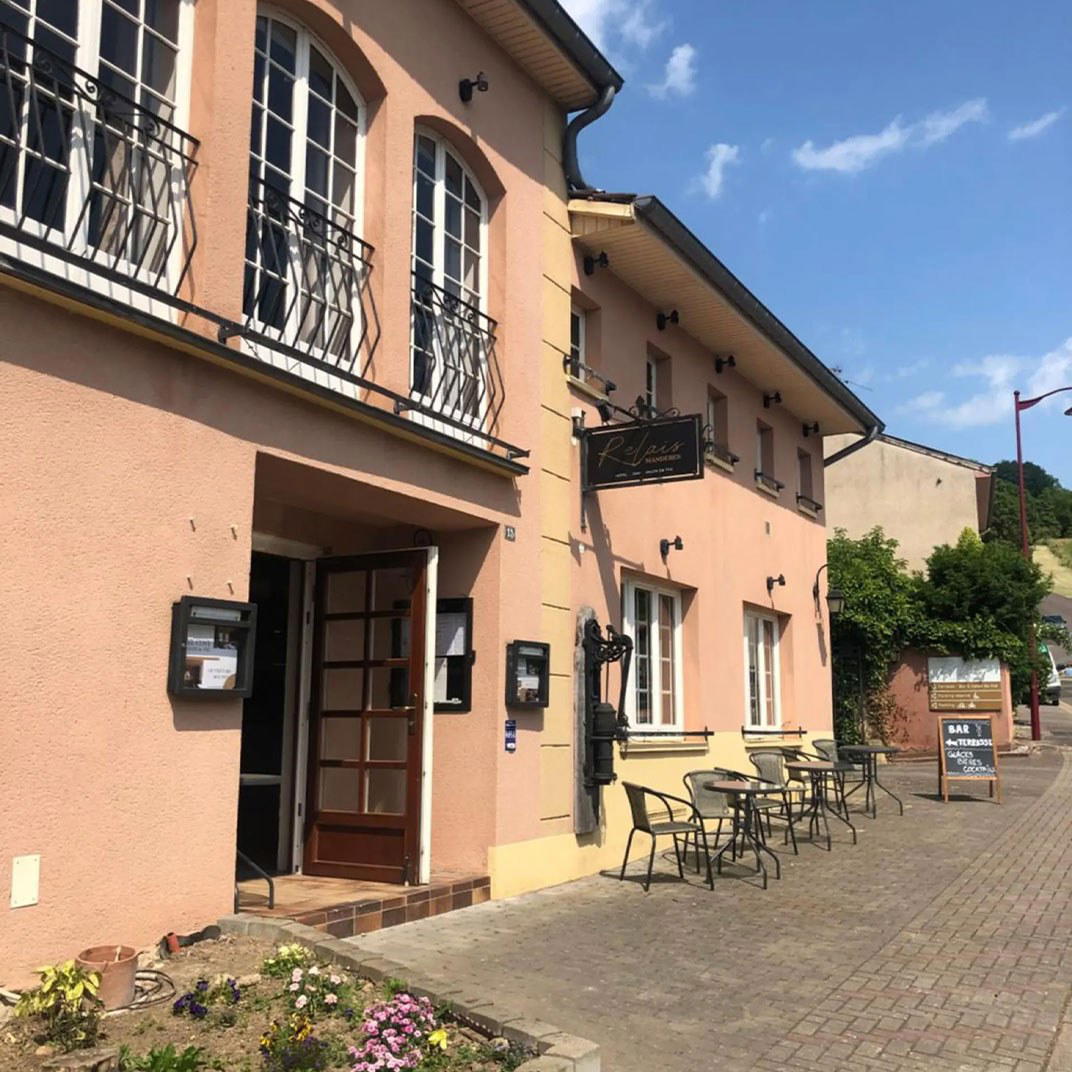
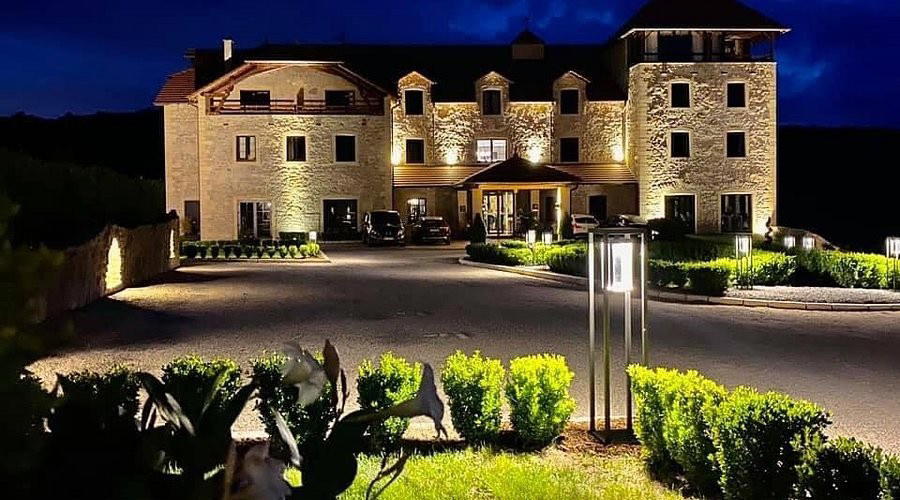
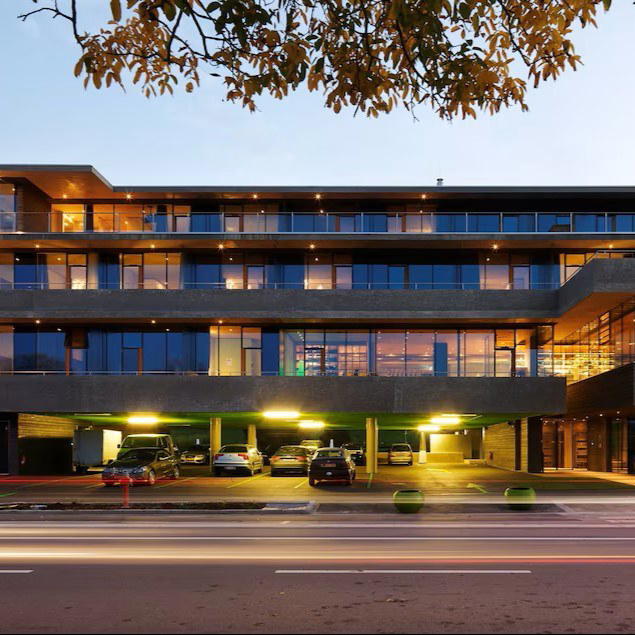
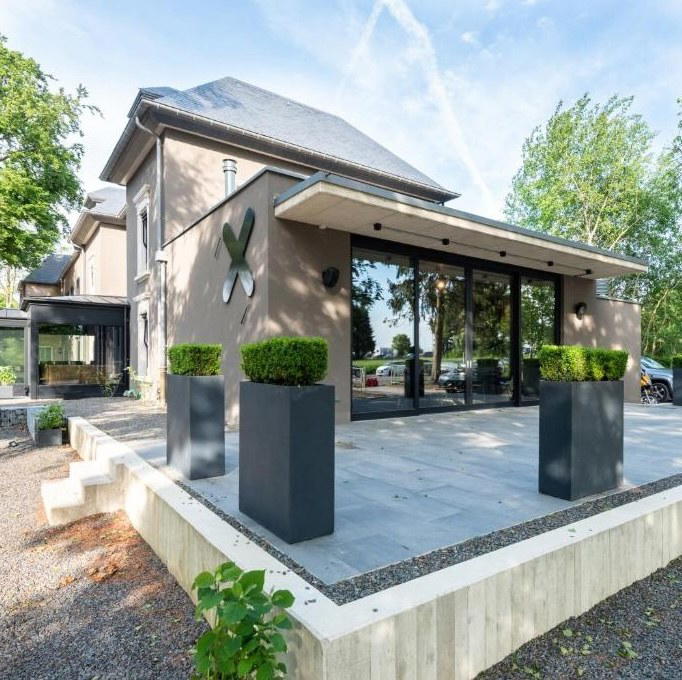
Perl’s wine country is best approached without expecting spectacle. The picture of Weingut Schmitt-Weber is deliberately modest: a small family winery atmosphere, a focus on traditional Burgundian wines, stone Muschelkalk soils and a mostly dry style. That is enough to define the tone without overstating the visit. The appeal is heritage-driven and understated rather than flashy, with a classic, cozy, rustic character that feels grounded rather than polished.
Muschelkalk, Burgundian wines and a mostly dry style
Weingut Schmitt-Weber combines traditional Burgundian wines and stone Muschelkalk soils. That pairing gives Weingut Schmitt-Weber its most useful editorial frame. Instead of treating the winery as a broad catch-all, it is better read as a focused, heritage-minded Perl address where the emphasis is on a mostly dry expression and a restrained sense of place.
Muschelkalk is important because it suggests a stony, limestone-based context for the wines. The broader direction is traditional Burgundian wines, stone soils and a dry-leaning style. That is the core of the estate’s identity.
The dry style also helps set expectations. Weingut Schmitt-Weber should not be framed through assumptions about sweetness or through generalized clichés about German wine. Its mostly dry house character has a quiet, classic sensibility. For visitors or buyers, that means the winery is best approached as a place where understatement matters: the attraction is not luxury theatre, but a grounded family-winery mood.
A portfolio built for drinking, gifting and cellar curiosity
The winery suits drinkers who appreciate a classic and rustic frame rather than a trend-led one. The price level is listed as $$, which places it in a moderate bracket for guide purposes. Beyond that, readers should confirm current bottles, availability, tasting options and purchase arrangements directly with Weingut Schmitt-Weber before planning around a specific wine or service.
Weingut Schmitt-Weber is a small family winery with traditional Burgundian wines, stone Muschelkalk soils and a mostly dry style.
How to read the visit: quiet cellar energy, not spectacle
The best reading of Weingut Schmitt-Weber is low-key and heritage-led. The tone is classic, cozy and rustic, with a character shaped by tradition and understatement rather than spectacle.
That restraint is part of the appeal. A small family winery atmosphere can be more valuable than a highly staged experience when the main interest is wine, place and continuity. Here, the grounded themes are clear enough: Burgundian tradition, Muschelkalk soils and a mostly dry approach. Those are the points to keep in view when deciding whether the venue fits a trip.
Use Perl as the anchor and build outward carefully. If you are planning around a specific tasting, bottle, opening time or purchase, confirm directly with Weingut Schmitt-Weber. If you are choosing based on atmosphere, the profile is more decisive: $$ pricing, a classic and cozy rustic mood, and a heritage-driven family winery style focused on traditional Burgundian wines from stone Muschelkalk soils.
Recognition history
Dated appearances from independent guides and award organizations, with the underlying list record or original source where available.
Falstaff Winery - Listed
Falstaff
Continue exploring
More in Perl
Wineries in Perl
Browse all →

Bars in Perl
Browse all →
Restaurants in Perl
Browse all →
Details
- Classic
- Cozy
- Rustic
- Wine Education
- Group Outing
- Special Occasion
- Private Tasting
- Historic Building
- Estate Grounds
- Sustainable
- Vineyard
- Pinot Blanc
- Pinot Gris
- Chardonnay
- Riesling
- Auxerrois
- Still White
- Still Rosé
- Sparkling
- Guided Tasting
- Shop Tasting
Small family winery atmosphere focused on traditional Burgundian wines, stone muschelkalk soils, and a mostly dry style; the tone is heritage-driven and understated rather than flashy.