
Weingut Schüler Katz is a historic family winery in Kiedrich, founded in 1693, with roughly 6 hectares of Rheingau vineyards across Kiedrich, Erbach, and Eltville. The estate’s appeal is old-school wine hospitality: Riesling and Pinot Noir, tastings in cellar and courtyard settings, and a seasonal Straußwirtschaft from Carnival to Mother’s Day.
Pearl is the En Primeur Club membership app — saves, bookings, and concierge access live there. Same editors, same standards.
- Address
- Kiedrich, Rheingau, Hesse, Deutschland
 Saves & bookings on Pearl
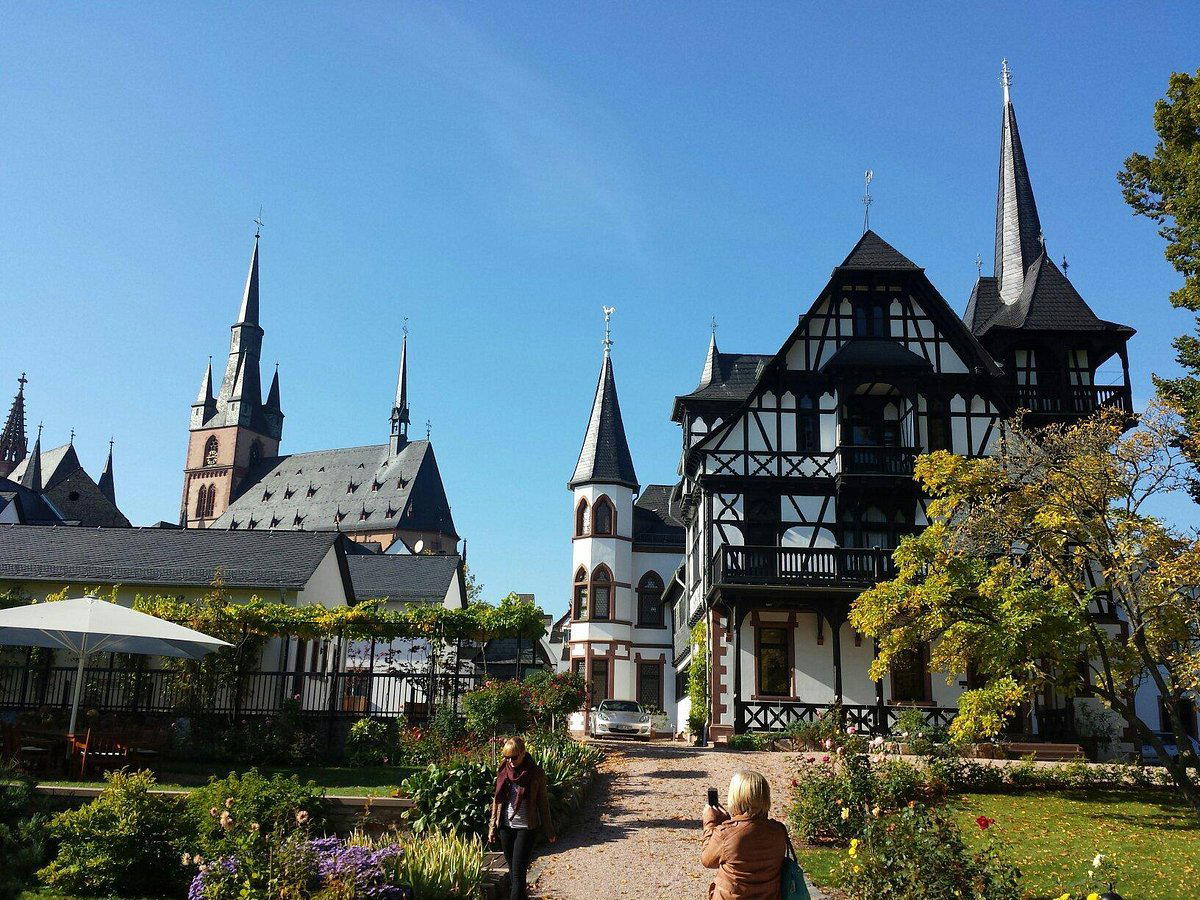
Weingut Schüler Katz in Kiedrich is best understood through its setting: historic, atmospheric, rustic, and closely tied to the feeling of a family-run estate. The details point less to a heavily scripted visitor concept and more to a place defined by an ancient wine cellar and a beautiful old courtyard. For travelers researching Kiedrich, that is the reliable hook: the venue’s appeal rests on place, age, and atmosphere rather than on confirmed claims about a specific menu, tasting format, awards, vineyard holdings, or named wine styles.
Because the available information is deliberately narrow, the safest way to describe Weingut Schüler Katz is as a historic and scenic estate setting in Kiedrich with a cozy, classic character.
A historic Kiedrich setting with cellar and courtyard character
The strongest confirmed feature is architectural and atmospheric. Weingut Schüler Katz has an ancient wine cellar and a beautiful old courtyard, giving the venue a sense of age and local texture. Those details matter because they shape expectations before any more specific service questions come into play. This is not a page that can responsibly promise a particular tasting sequence, food offering, or beverage list; it can, however, point to a historic estate environment in Kiedrich.
The descriptors attached to the venue are consistent: historic, rustic, cozy, scenic, and classic. Taken together, they suggest a place where the setting is central to the visit. The courtyard gives the venue an outdoor, old-estate quality, while the cellar adds atmosphere and a sense of continuity. For visitors who value spaces with visible history, those are the facts worth keeping in focus.
Family-run estate description is also important, but it should be used carefully. It supports a reading of the venue as personal and locally rooted, not as evidence for operational details.
Price is listed as $$, which places the winery in a moderate bracket for guide purposes. Readers should treat the price marker as a general planning signal rather than as a promise about a specific spend.
The courtyard-and-cellar atmosphere keeps the focus on place
The old courtyard and ancient cellar are particularly useful planning cues. They indicate a venue whose appeal is not only transactional but atmospheric: a historic place in Kiedrich where the surroundings help define the experience. That can be especially valuable for travelers who prefer rustic, scenic settings over polished or anonymous interiors.
Those details may matter to a real visit, but they are not part of the confirmed dataset. Strong practical advice is therefore simple: treat the venue as a historic Kiedrich estate setting and confirm current visit details directly before making plans.
This restrained description is still useful. Many venue pages become less reliable when they add attractive but unsupported specifics. In this case, the grounded picture is narrower but clear: the winery offers a classic Kiedrich atmosphere, with a family-run estate identity, an ancient wine cellar, and a beautiful old courtyard. That is enough to distinguish it from more generic dining or drinking options without inventing details that have not been verified.
How to place it within a Kiedrich itinerary
For an itinerary in Kiedrich, the winery fits best as a historic, atmospheric stop rather than as a venue to choose for a confirmed cuisine, chef, award, tasting format, or dining schedule. If your priority is a sense of local character, the cellar-and-courtyard setting is the reason to keep it on the shortlist.
The fair comparison is between types of experience: a historic family-estate atmosphere at the winery versus other local places that may emphasize different strengths. Within that frame, the venue’s confirmed identity is clear and appealing without needing extra embellishment.
The critical read is simple: the winery is a $$ venue in Kiedrich whose strengths are atmosphere, history, and setting. Its ancient wine cellar, beautiful old courtyard, and family-run estate character make it a strong candidate for travelers who care about place and mood.
Recognition history
Dated appearances from independent guides and award organizations, with the underlying list record or original source where available.
Falstaff Winery - Listed
Falstaff

At a Glance
- Historic
- Rustic
- Cozy
- Scenic
- Classic
- Family
- Group Outing
- Wine Education
- Special Occasion
- Historic Building
- Estate Grounds
- Barrel Room
- Private Tasting
- Sustainable
- Vineyard
- Rheingau
- Riesling
- Pinot Noir
- Spätburgunder
- Whiteburgunder
- Still White
- Still Red
- Sparkling
- Wine Tasting
- Wine Sale
Historic and atmospheric, with an ancient wine cellar and a beautiful old courtyard in the setting of a family-run estate.