Weingut Pohl-Botzet

Falstaff Winery - Listed
A small Mosel winery in Graach an der Mosel built around Riesling from steep slate sites. The appeal is narrow rather than broad: quiet, wine-focused, and rooted in the region’s long tradition of light, ageworthy white wines shaped by slope, stone, and patient farming.

Graach an der Mosel needs no spectacle. The village sits inside one of Germany’s clearest wine geographies, where river, steep hillsides, and grey-blue slate explain much before a glass is poured. Here, the strongest winery experiences are often quiet: small cellars, a focused range, and conversation returning to Riesling because the terrain gives little reason to chase novelty.
Weingut Pohl-Botzet belongs to that older Mosel rhythm. Its signal is not a celebrity winemaker, architectural tasting room, or sprawling portfolio, but the decision to cultivate Riesling exclusively on steep slate sites. That narrow brief places the estate inside the region’s most exacting tradition. In the Mosel, this matters: Riesling is unusually transparent to site, and slate slopes tend to give wines acidity, aromatic lift, and ageing capacity that broader white-wine categories rarely communicate as precisely.
Riesling, slate, and the discipline of a narrow Mosel portfolio
The Mosel’s serious white-wine culture is built on constraint. Steep vineyards limit mechanisation, Riesling demands close timing, and lighter-bodied wines rely on balance rather than weight. A small estate working only with Riesling makes a clear editorial statement: the land is the subject, not variety for its own sake. Here, wines are described around longevity, freshness, fruit expression, and elegance, all aligned with classical Mosel style rather than high extraction or oak.
That narrowness helps visitors understand Graach through wine, not a checklist of labels. A broad tasting can entertain; a focused Riesling tasting teaches. The comparison is not between grapes but between slope, ripeness, acidity, and the way slate-grown fruit carries itself. Even without named parcels or technical cellar detail, the format points to a site-led reading of the Mosel: aromatic whites shaped by gradient, stone, and a cool river valley climate.
Graach’s wine identity also sits close to the wider Bernkastel-Kues orbit, where Riesling has long moved between village hospitality and serious cellaring culture. For readers building a local wine itinerary, Our full Graach an der Mosel wineries guide is the natural planning layer, while nearby winery pages such as Weingut Josef Bernard-Kieren and Weingut Willi Schaefer help frame the village as a place where Riesling is not a category but a local language.
A quiet tasting style suits the village better than performance
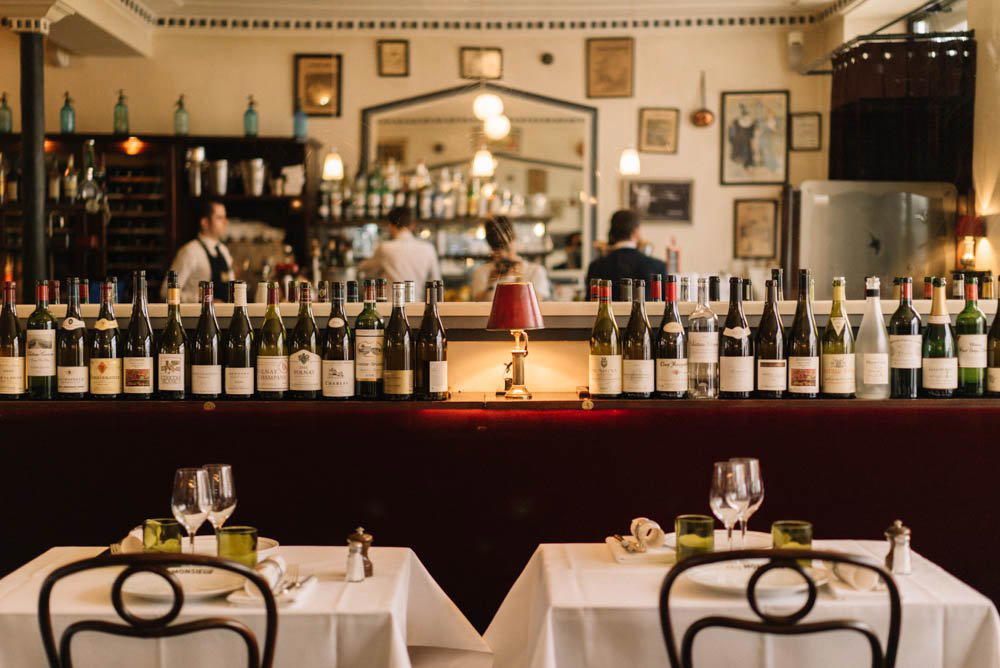
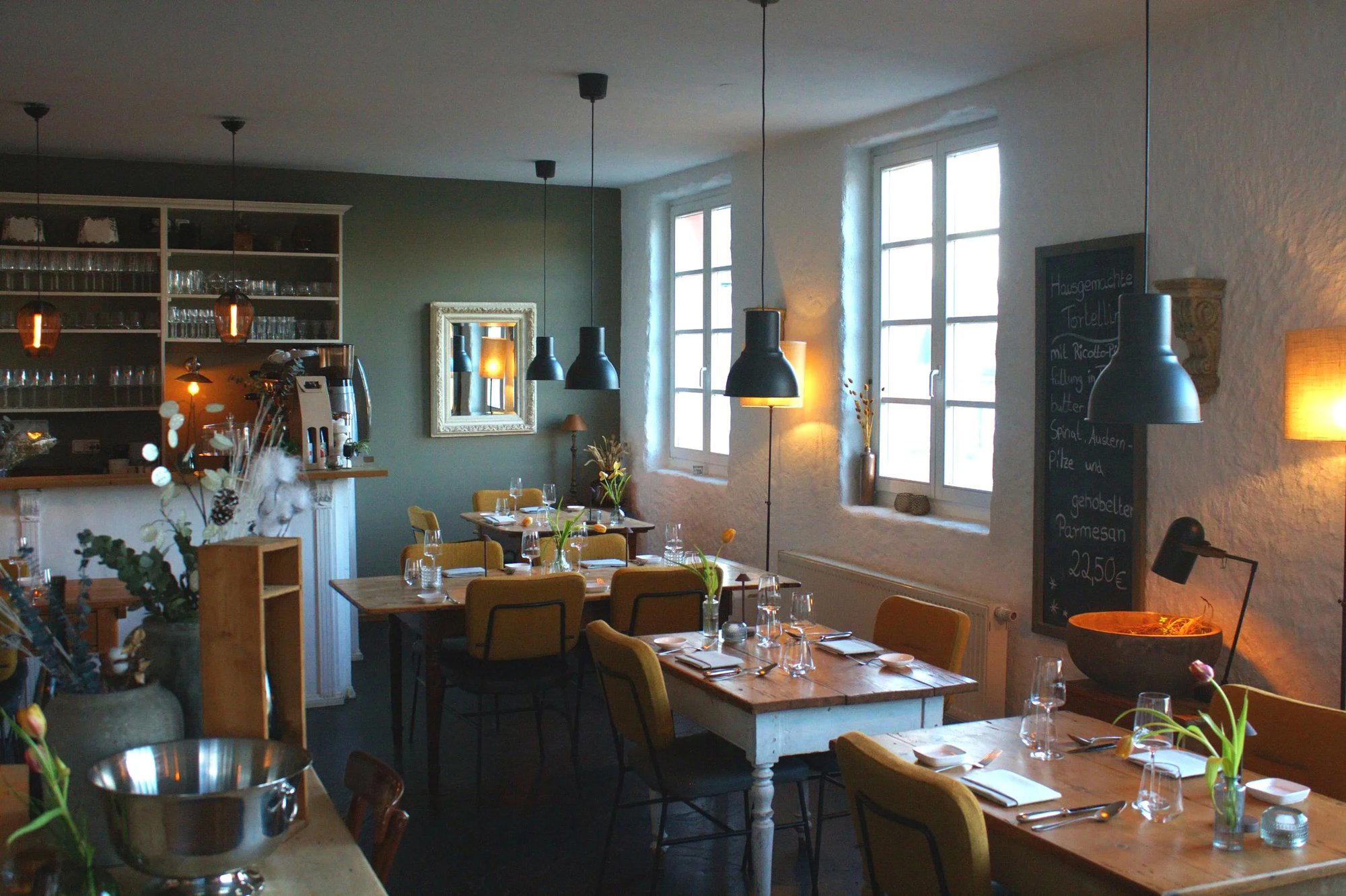
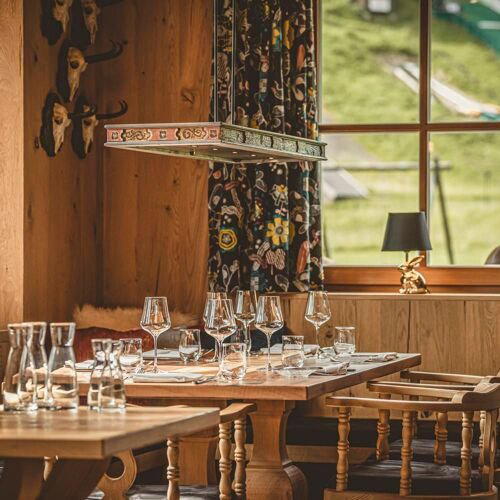
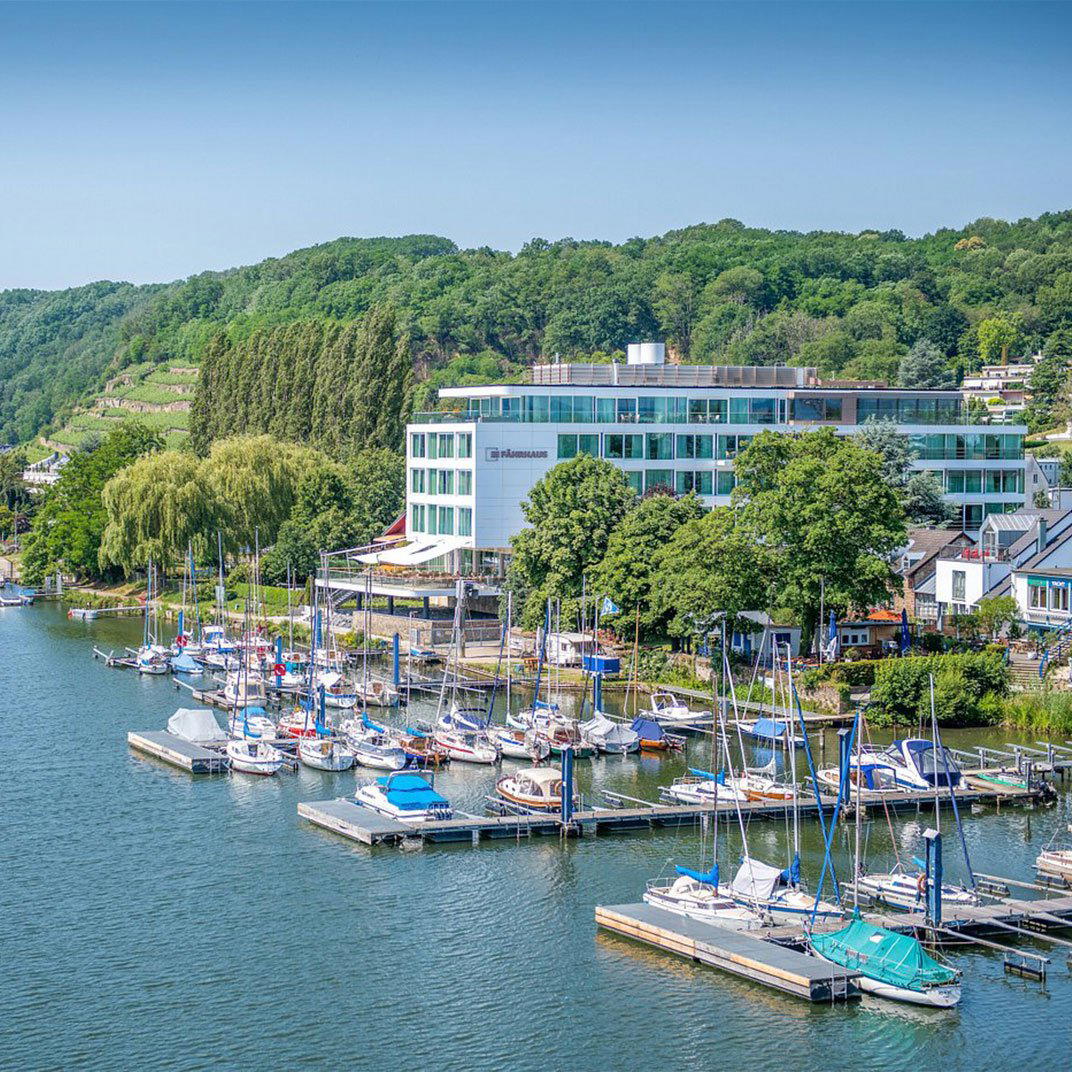
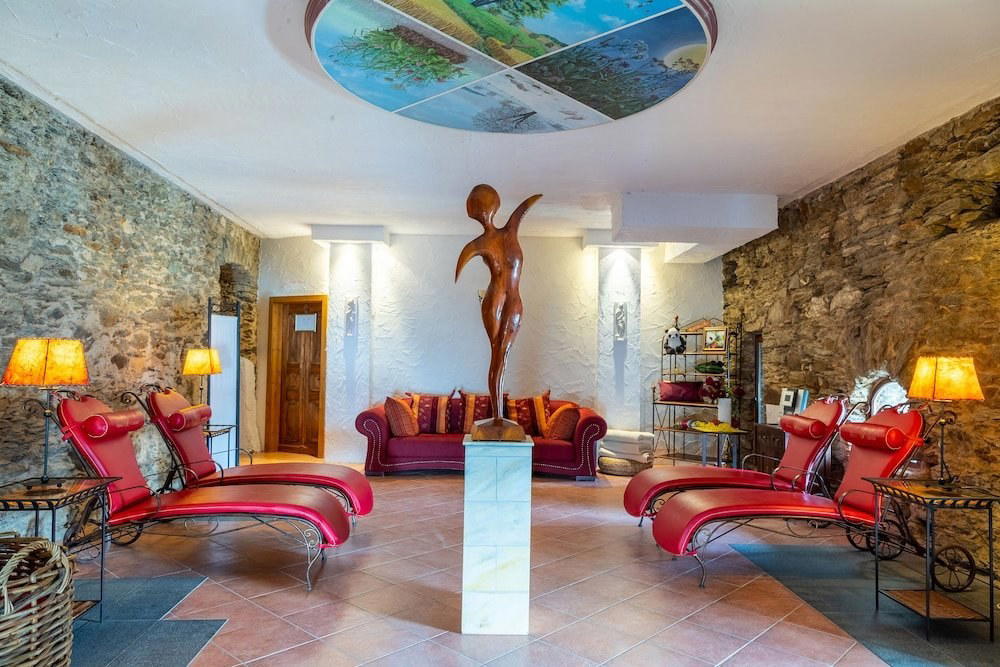
The atmosphere is small-scale, rustic, quiet, and wine-focused, with a scenic vineyard context rather than a formal hospitality frame. That suits Graach. Mosel villages reward slower itineraries: a cellar visit, a short walk, a meal, then another glass with more context than ceremony. The estate’s by-request tasting format points to personal hospitality, better for travellers curious about Riesling than those seeking packaged luxury.
The absence of a broad food-pairing program or large visitor apparatus is not a weakness. It keeps attention on the wine and the ground behind it. In a region where vineyards are dramatically steep and wines delicate, a quieter setting often gives the better education. The relevant questions are practical and vinous: how dry or fruit-driven the range feels, how the acidity carries, and how the wines are intended to develop with time.
That makes the estate better suited to some travellers than others. It fits solo exploration, wine education, and small group visits focused on understanding Mosel Riesling at close range. It is less aligned with travellers seeking a restaurant-style visit or a full-day estate experience with elaborate add-ons. In EP Club terms, this is a low-theatre, high-context stop: the reward is reading a specific place through a focused glass.
How to place it inside a broader Germany wine trip
Germany’s contemporary wine scene has widened beyond the old shorthand of sweet Riesling, but the Mosel remains the reference point for understanding why Riesling matters. Other regions and producers may emphasise natural-wine methods, urban tasting rooms, mixed grape portfolios, or design-led visitor experiences. The Mosel’s counterargument is older and exacting: steep land, slate, acidity, and wines that stay light while carrying tension.
That is why Graach works well as the anchor of a varied German wine itinerary. Travellers comparing regional styles can move from the Mosel’s Riesling discipline to producers elsewhere, using pages such as & Handwein in Mannheim, 2 Naturkinder in Kitzingen, 3 Winner in Bechtheim, 49Point9 in Geisenheim, 532 Riesling in Rüdesheim am Rhein, and 70469! in Stuttgart Feuerbach as broader reference points across the country’s wine map. For cross-border context, »der Steiner« Hans Steiner in Podersdorf am See and ®walzer in Gneixendorf Bei Krems show how Central European wine travel can shift in mood and grape language without losing agricultural seriousness.
For the stay around Graach, supporting choices matter because the wine day should not be overbuilt. Use Our full Graach an der Mosel restaurants guide for meals that keep the evening local, Our full Graach an der Mosel hotels guide for a base within the village rhythm, Our full Graach an der Mosel bars guide for a quieter drink after tasting, and Our full Graach an der Mosel experiences guide for ways to read the river landscape beyond the cellar. The point is not to turn the Mosel into a rushed circuit, but to let one grape, one village, and one slope language set the pace.
The critical reason to visit Weingut Pohl-Botzet is concentration. Many wineries can pour Riesling; fewer define themselves so completely through it. In a region where terroir can become cliché, this narrow production model gives the word structure: Riesling, steep slate, quiet hospitality, and wines framed for freshness and long life. That is enough to justify attention, especially for travellers who prefer specificity over performance.
Frequently asked questions
What should I expect atmosphere-wise at Weingut Pohl-Botzet?
Expect a small-scale, quiet setting in Graach an der Mosel, with a rustic, wine-focused feel rather than a formal tasting room. The estate sits among steep slate hillside vineyards, and tastings are arranged by request.
What part of town is Weingut Pohl-Botzet in?
Weingut Pohl-Botzet is located at Graach an der Mosel, Moselle, Rhineland-Palatinate, Deutschland, Graach an der Mosel.
What's the cost level for Weingut Pohl-Botzet?
Pricing at Weingut Pohl-Botzet is listed as $.
What makes Weingut Pohl-Botzet worth visiting?
The draw is focus: this family-run estate in the Mosel works exclusively with Riesling from steep slate sites. That narrow approach makes the visit useful for anyone interested in Germany's Mosel style, especially with guided tasting and vineyard tour options.
What's the best way to book Weingut Pohl-Botzet?
Use an appointment-only approach and arrange a by-request tasting in advance, since the estate does not operate as a walk-in stop. The address is Graach an der Mosel, Moselle, Rhineland-Palatinate, Deutschland, and street parking is listed.
Recognition history
Dated appearances from independent guides and award organizations, with the underlying list record or original source where available.
Falstaff Winery - Listed
Falstaff
Request a visit to Weingut Pohl-Botzet
Tell us when you would like to go and how many people, and we put the request to the estate and reply to you by email.
Continue exploring
More in Graach an der Mosel
Wineries in Graach an der Mosel
All wineries in Graach an der Mosel →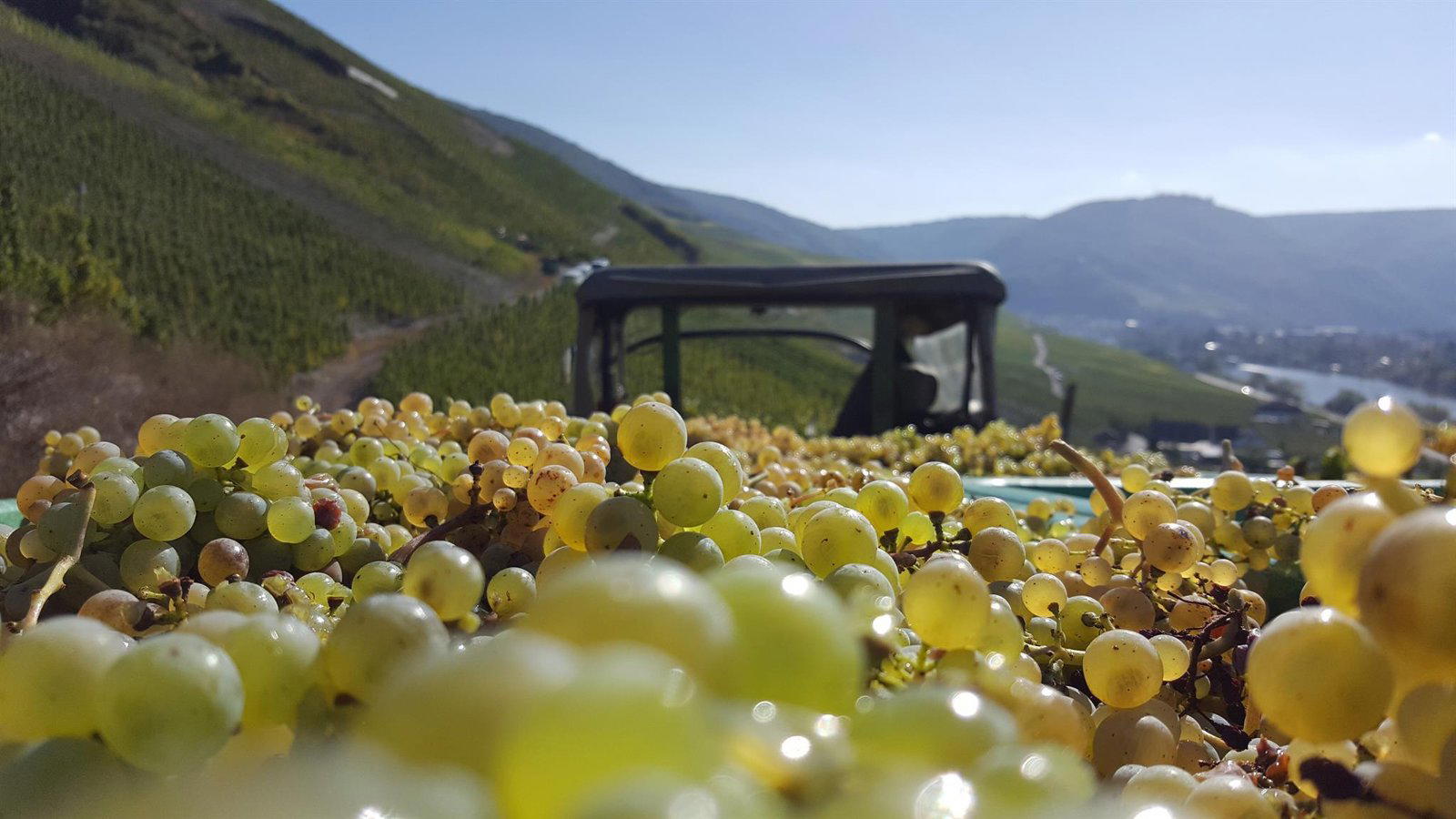
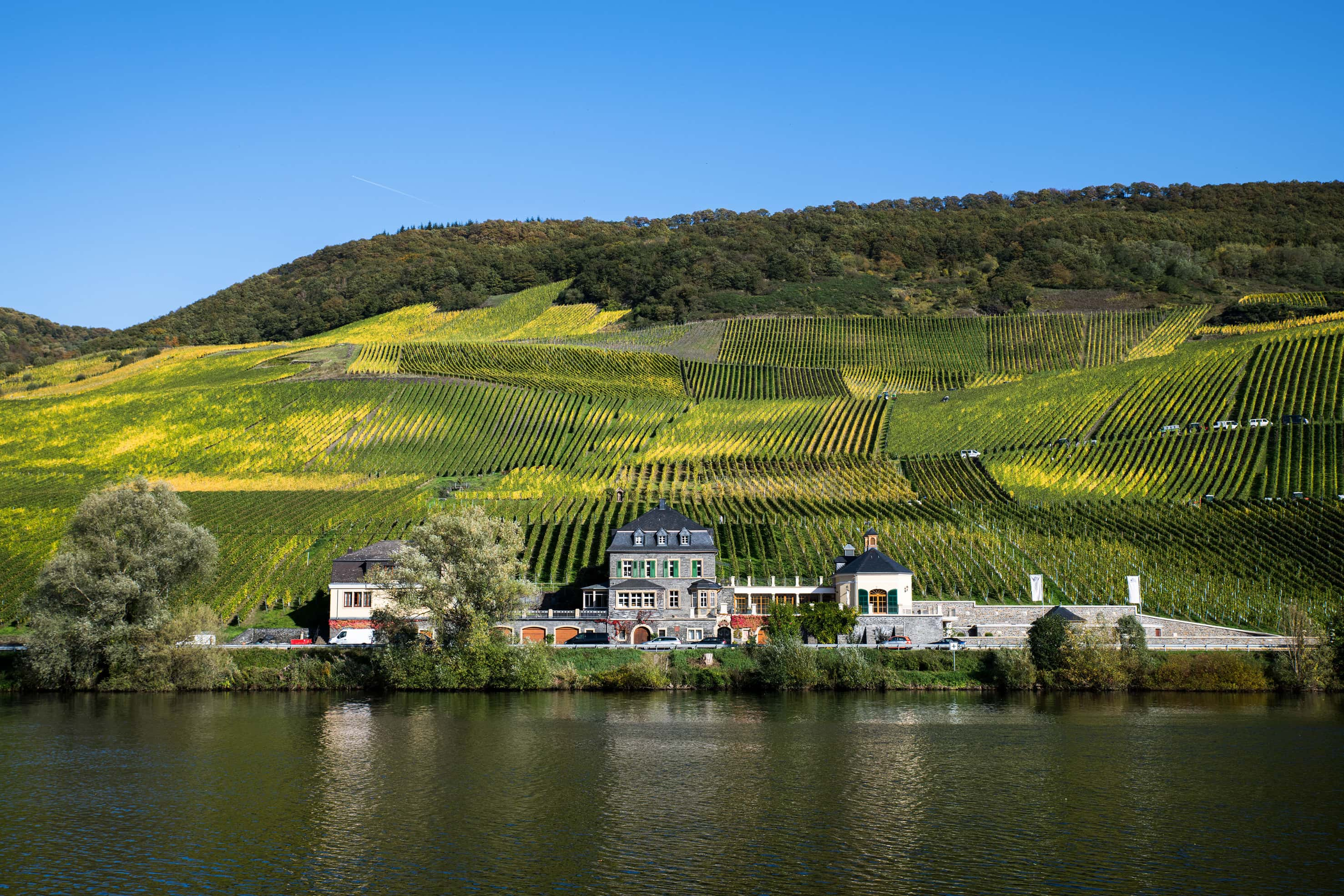
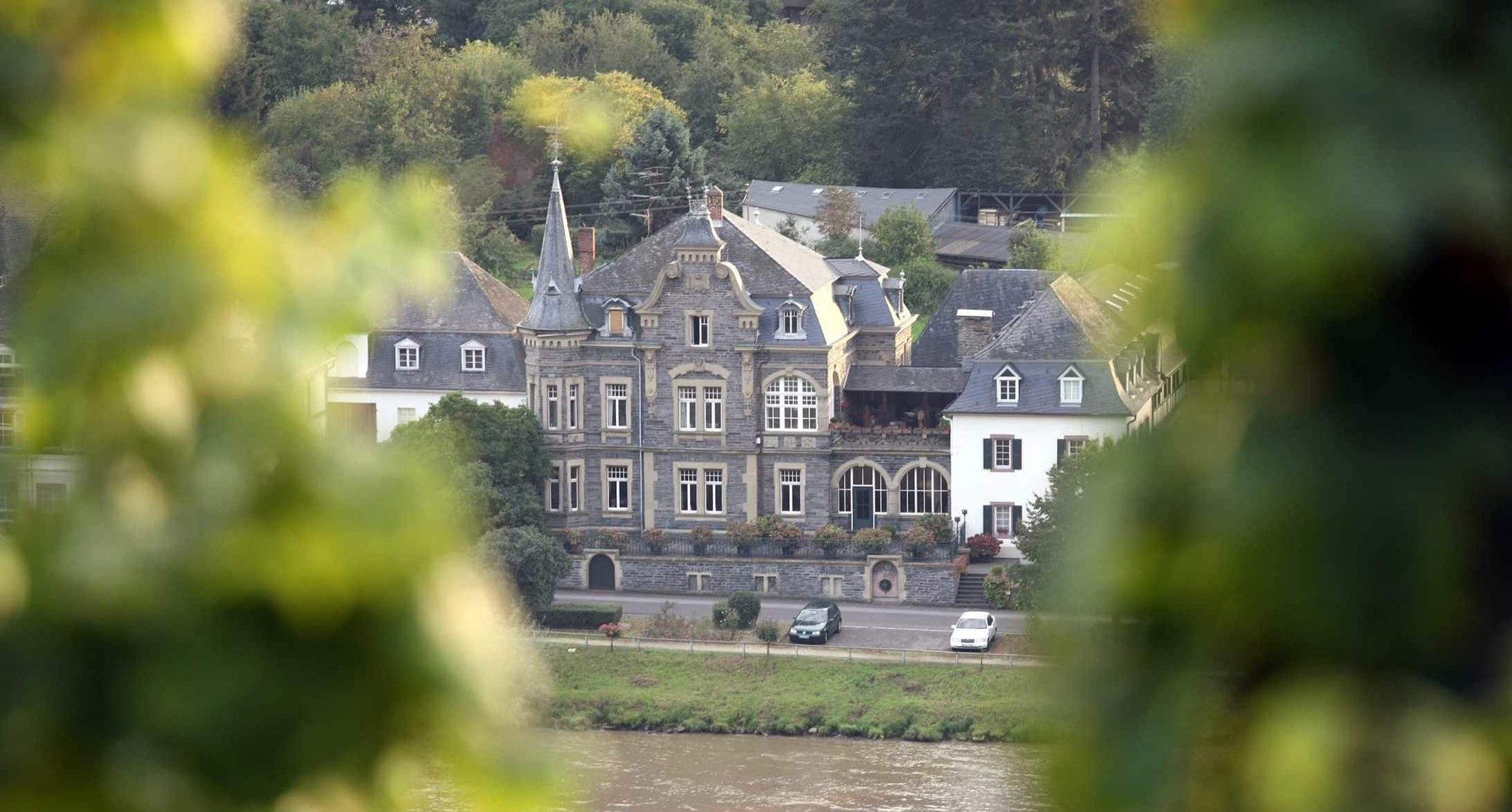
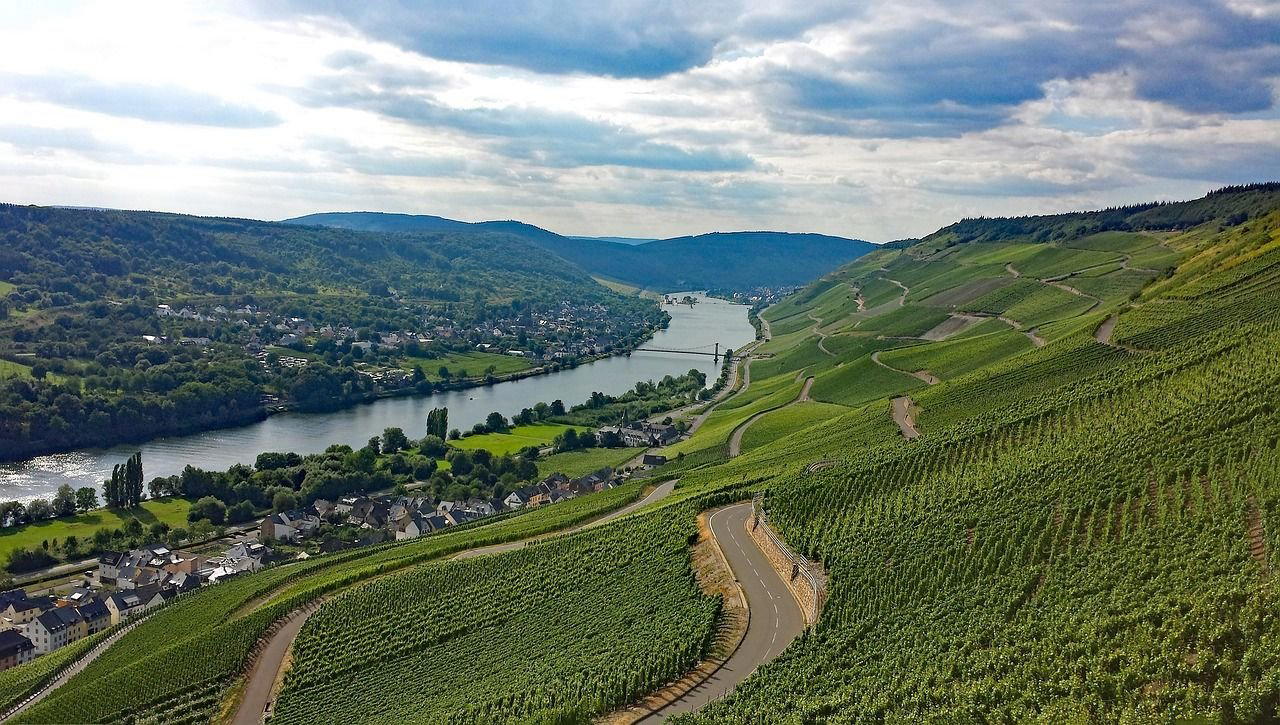
Bars in Graach an der Mosel
Browse all →
Details
- Rustic
- Cozy
- Scenic
- Quiet
- Solo Exploration
- Wine Education
- Special Occasion
- Estate Grounds
- Vineyard Tour
- Private Tasting
- Vineyard
- Riesling
- Still White
- Guided Tasting
- By Request Tasting
Small-scale, wine-focused Mosel winery atmosphere centered on Riesling and slate-grown vineyards; likely rustic and traditional rather than formal.