
Weingut Michael Opitz is a small Apetlon winery in Burgenland’s southern Seewinkel, shaped around organic farming, dry-grown fruit, and low-intervention cellar work. The draw is not scale or ceremony but a focused rural wine-country experience, with still reds, still whites, and orange wine led by varieties such as Muskat, Pinot Gris, Pinot Blanc, Chardonnay, Zweigelt, Blaufränkisch, and Merlot.
Pearl is the En Primeur Club membership app — saves, bookings, and concierge access live there. Same editors, same standards.
- Address
- Apetlon, Lake Neusiedl, Burgenland, Österreich
- Directions
- Get directions
 Saves & bookings on Pearl
Approaching wine country around Apetlon, the atmosphere shifts from Austrian postcard neatness into something flatter, quieter, and more agricultural. The southern Seewinkel is not a grand-château theatre; it is a working range of vineyard rows, village edges, and cellar-door pragmatism. That matters for understanding Weingut Michael Opitz, because the appeal here sits in the meeting point between place and method: a working winery in Apetlon with an emphasis on honest, expressive wines and a minimal-intervention, organic farming philosophy.
This is best read as a quiet, rustic, hidden-gem address rather than a polished hospitality stage. The picture is deliberately simple: Apetlon, southern Seewinkel, a working winery, and a philosophy that favors organic farming and minimal intervention. Those details are enough to set expectations without inventing a menu, a tasting format, a grape list, or a service style that has not been confirmed.
Seewinkel setting, organic farming, and a low-intervention cellar language
The strongest editorial reason to pay attention is the winery’s stated production outlook. Organic farming and a minimal-intervention approach are not just mood words in a rural wine region; they tell visitors how the venue wants its wines to be understood. The focus is on expression, honesty, and a direct relationship between the bottle and the agricultural setting around Apetlon.
Because the information is intentionally narrow, it is better not to over-interpret the cellar. There is no confirmed public detail here to support a specific grape roster, named cuvée, vintage claim, award history, tasting note, or production figure. What can be said is more restrained: Weingut Michael Opitz presents itself as a working winery in the southern Seewinkel, shaped by organic farming principles and a minimal-intervention philosophy.
That restraint is useful for travelers. It keeps the venue from being framed as something it is not. Rather than promising a particular format, a signature bottle, or a formal tasting sequence, the safer expectation is a wine-focused stop with a quiet, rustic character. The draw is the setting and the philosophy, not an inflated list of amenities.
In that sense, the winery fits a broader Apetlon rhythm. The village and surrounding wine country reward visitors who are comfortable with low-key places, agricultural context, and producers whose identities are grounded in land and method. Weingut Michael Opitz belongs in that frame: not flashy, not built around spectacle, and not dependent on a long list of claims to make sense.
A small Apetlon visit built around wine rather than spectacle
The experience is best understood as rural and compact in tone. The descriptors point to a working winery that feels quiet, rustic, cozy, and somewhat hidden away. That combination favors visitors who value atmosphere and production philosophy over elaborate staging. It is not necessary to dress the place up as a resort-style stop; the point is the working-winery character and the southern Seewinkel setting.
For planning purposes, the price level is listed as $$. That gives a broad sense of accessibility without implying a specific bottle price, tasting fee, or package. No confirmed detail supports a precise spend, a set tasting structure, food pairing, appointment policy, opening hours, payment method, or group capacity, so those points should be checked directly before making plans.
The same caution applies to the wines themselves. Visitors who care about a specific style should treat the venue as a promising Apetlon wine stop and confirm current availability through the winery rather than relying on assumed offerings.
That honesty is part of the appeal. A thin but grounded profile is more useful than an ornate one built from guesswork. The winery is best framed as a quiet working winery in Apetlon: rustic, cozy, and rooted in an organic, minimal-intervention outlook. For travelers who enjoy understated wine-country addresses, that may be the essential reason to go.
For travelers building a broader Apetlon itinerary, the winery belongs inside a village-level wine circuit rather than a single-stop destination plan. Other dining and wine-related stops in Apetlon can be considered generically, but there is no need to force direct comparisons or rank the venue against named places without context. The useful frame is simple: the winery is one Apetlon address for visitors interested in the quieter side of the southern Seewinkel.
How to place it in a Burgenland wine itinerary
The practical read is direct: come for a working winery in Apetlon whose clearest confirmed signals are organic farming, minimal intervention, honest expression, and a quiet rustic setting. The price level is $$, and the mood is more than high-gloss destination. That makes it especially relevant for travelers who already know they want a grounded southern Seewinkel wine stop.
It may also suit first-time visitors who prefer modest, place-led experiences over heavily produced hospitality. Still, expectations should remain flexible. Confirm practical details directly before planning around it.
Use Apetlon as the base frame. A reliable way to understand the winery is not through invented specifics, but through the confirmed essentials: a working winery in the southern Seewinkel, quiet and rustic in character, with an organic farming philosophy and a minimal-intervention approach to honest, expressive wines.
Recognition history
Dated appearances from independent guides and award organizations, with the underlying list record or original source where available.
Falstaff Winery - Listed
Falstaff
Continue exploring
More in Apetlon
Wineries in Apetlon
Browse all →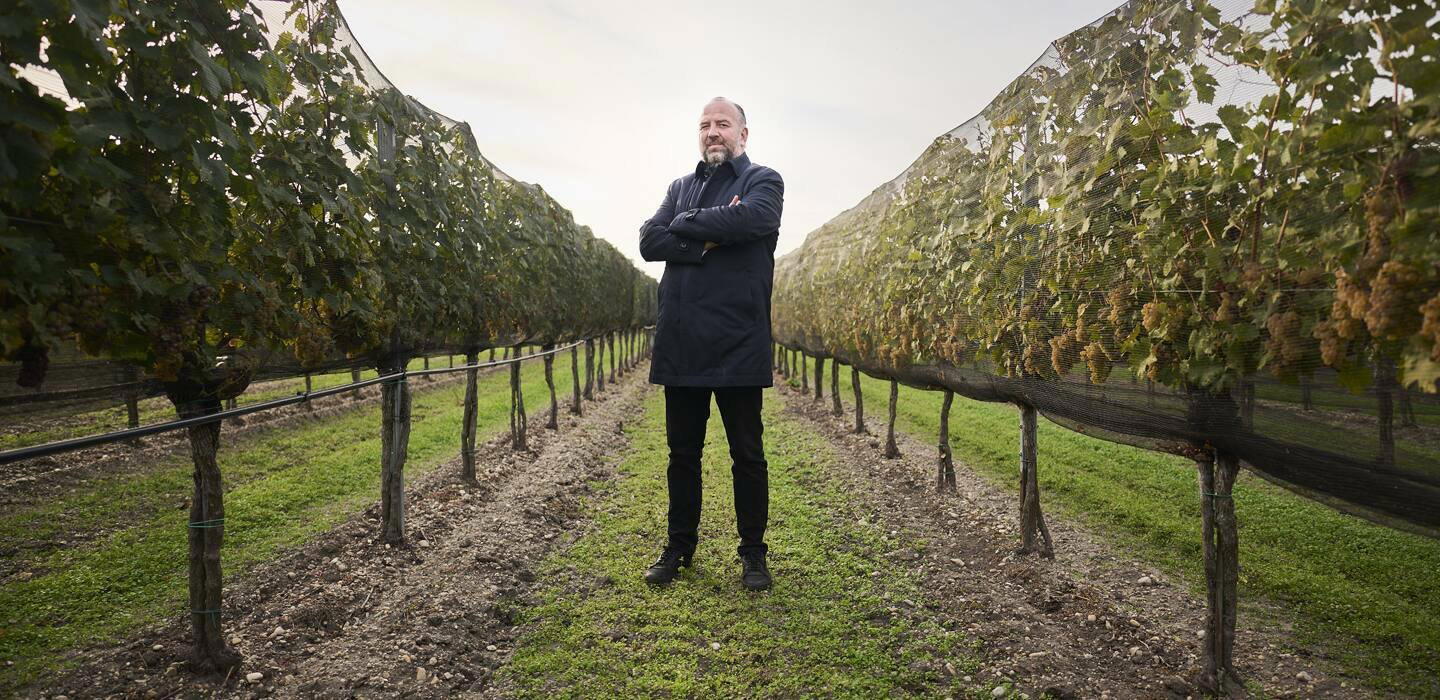
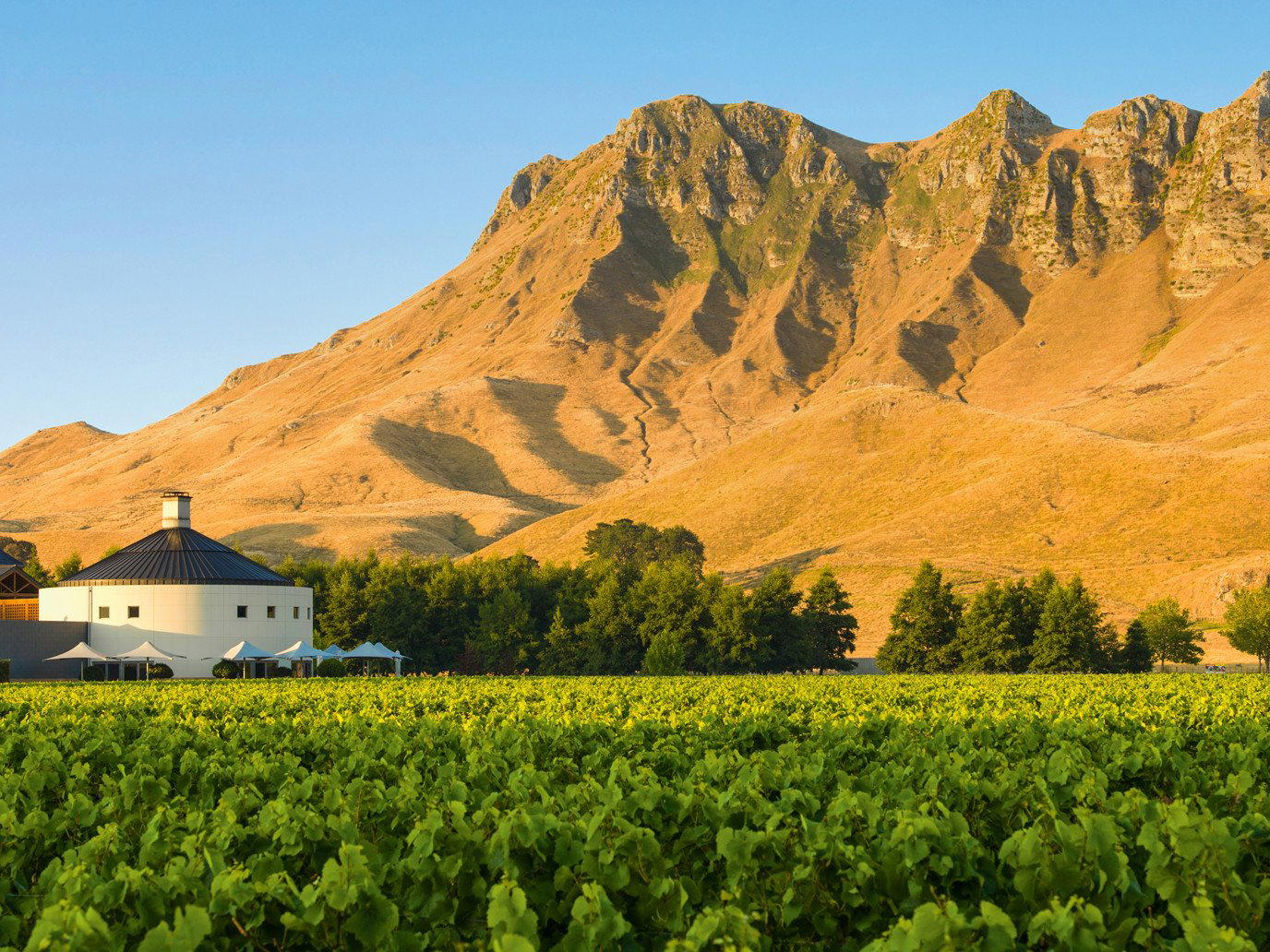
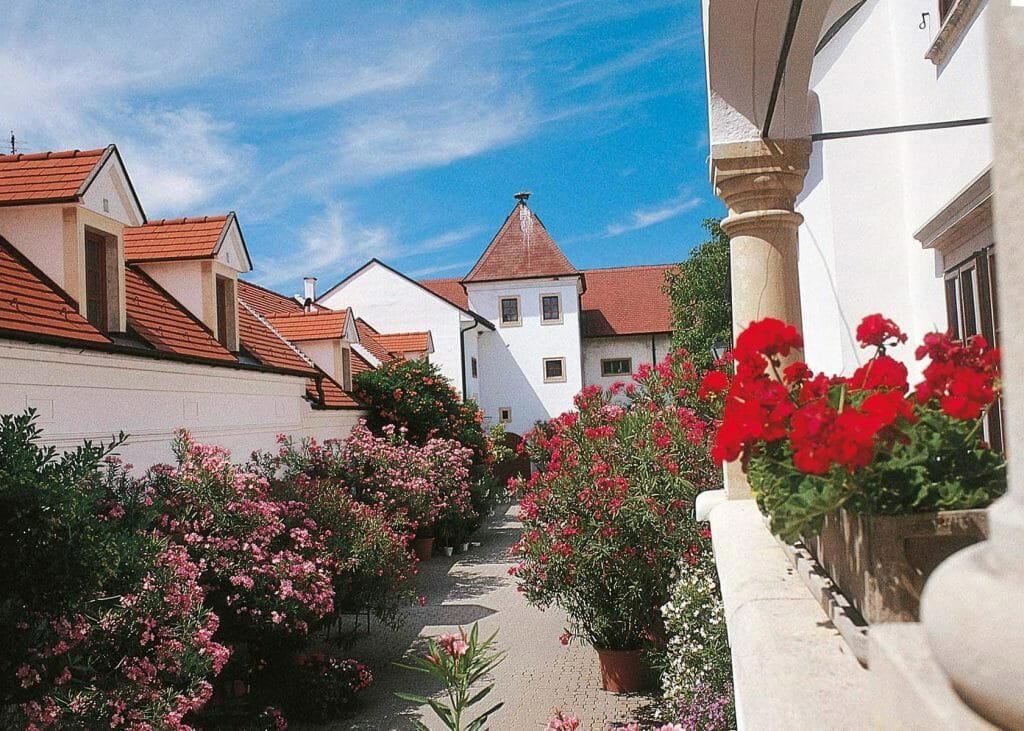
Bars in Apetlon
Browse all →

Restaurants in Apetlon
Browse all →
At a Glance
- Quiet
- Rustic
- Cozy
- Solo Exploration
- Special Occasion
- Private Tasting
- Historic Building
- Organic
- Sustainable
- Vineyard
- Neusiedlersee
- Muskat
- Pinot Gris
- Pinot Blanc
- Chardonnay
- Zweigelt
- Blaufränkisch
- Merlot
- Still Red
- Still White
- Orange
- Tasting By Appointment
A working winery in the southern Seewinkel region with an emphasis on honest, expressive wines and a minimal-intervention, organic farming philosophy.