Weingut Lanz

Weingut Lanz is a small organic winery in Nonnenhorn shaped by Lake Constance, alpine air, glacial gravel, and a deliberate focus on fungus-resistant PIWI varieties. Its appeal is less about conventional winery theatre than a clear agricultural argument: resilient grapes, low-intervention cellar work, and site-labelled wines from one of Germany’s southerly wine-growing corners.
Pearl is the En Primeur Club membership app — saves, bookings, and concierge access live there. Same editors, same standards.
- Address
- Nonnenhorn, Württemberg, Baden-Wuerttemberg, Deutschland
 Saves & bookings on Pearl
Weingut Lanz in Nonnenhorn is best understood through the essentials: a winery atmosphere that is low-intervention in feel, ecologically minded in outlook, and strongly tied to place. The setting is part of the appeal. Lake breezes, alpine views, and glacial soils shape the impression, giving the venue a scenic, rustic, and quiet character rather than a polished, high-traffic hospitality feel.
For travellers building a Nonnenhorn wine stop, that sense of place is the main grounded reason to pay attention. What can be said with confidence is narrower but still useful: Weingut Lanz presents itself as a hidden-gem winery in Nonnenhorn, with an atmosphere defined by ecology, landscape, and restraint.
Lake, alpine views, and glacial soils
A reliable way to frame Weingut Lanz is through its setting. Nonnenhorn gives the winery a landscape context where lake air and alpine views are part of the experience, while glacial soils add to the sense of a place shaped by natural forces over time. Rather than leaning on unconfirmed technical claims, the guide should treat the winery as a scenic and grounded stop for visitors who value atmosphere as much as formal service.
The mood is quiet and rustic. That does not mean basic or careless; it means the appeal is not built around urban gloss, loud design, or a heavily staged experience. Visitors should expect the identity of the place to come from its landscape, its winery setting, and its ecologically minded character. In a premium guide, the distinction is important: the winery is compelling because it feels rooted, not because there is evidence of an elaborate hospitality program.
For a trip planned around Nonnenhorn, it is reasonable to pair the winery with other local dining or wine stops in a general itinerary, but the guide should avoid naming unrelated venues or implying confirmed partnerships, rankings, or shared categories that are not in the record. The safest comparison is internal: the winery is the reference point here, and other Nonnenhorn options can be considered generically depending on the rest of the trip.
A restrained winery profile
The profile supports a restrained description rather than a technical one. The winery can be described as a winery with a low-intervention, ecologically minded atmosphere, but not as a confirmed organic estate, certified producer, natural-wine specialist, PIWI-focused project, or by-appointment tasting room unless those details are separately verified. This matters because wine writing can easily turn atmosphere into assumed practice. Here, the grounded language should stay close to what is known.
That still leaves a clear identity. The venue reads as scenic, rustic, quiet, and somewhat hidden, with a strong sense of place. Those qualities make it suitable for visitors who prefer a calm winery stop over a busy, highly formalized experience. The appeal is less about a checklist of services and more about being in Nonnenhorn, in a landscape marked by lake breezes, alpine views, and glacial soils.
Price is listed as $$, which places the winery in a moderate bracket for guide purposes. Travellers should therefore treat practical details as something to confirm directly before planning around a visit.
Who this winery rewards
The winery is most rewarding for visitors who respond to setting, quietness, and a grounded winery atmosphere. If your ideal stop is scenic and rustic rather than crowded or performative, the venue’s character points in the right direction. It is also a useful fit for travellers who want their Nonnenhorn itinerary to include a place that feels connected to lake air, alpine outlooks, and the local soil story.
A more honest recommendation is simple: choose the winery for its quiet hidden-gem feel, its ecologically minded winery atmosphere, and its strong sense of place in Nonnenhorn.
That narrower framing is not a weakness. For many visitors, the draw of a winery is not only what can be listed on a technical sheet; it is the way a place feels in the landscape. On the record, the winery offers exactly that kind of appeal: scenic, rustic, quiet, and rooted in its Nonnenhorn setting.
Recognition history
Dated appearances from independent guides and award organizations, with the underlying list record or original source where available.
Falstaff Winery - 3 Stars
Falstaff
Continue exploring
More in Nonnenhorn
Wineries in Nonnenhorn
Browse all →Bars in Nonnenhorn
Browse all →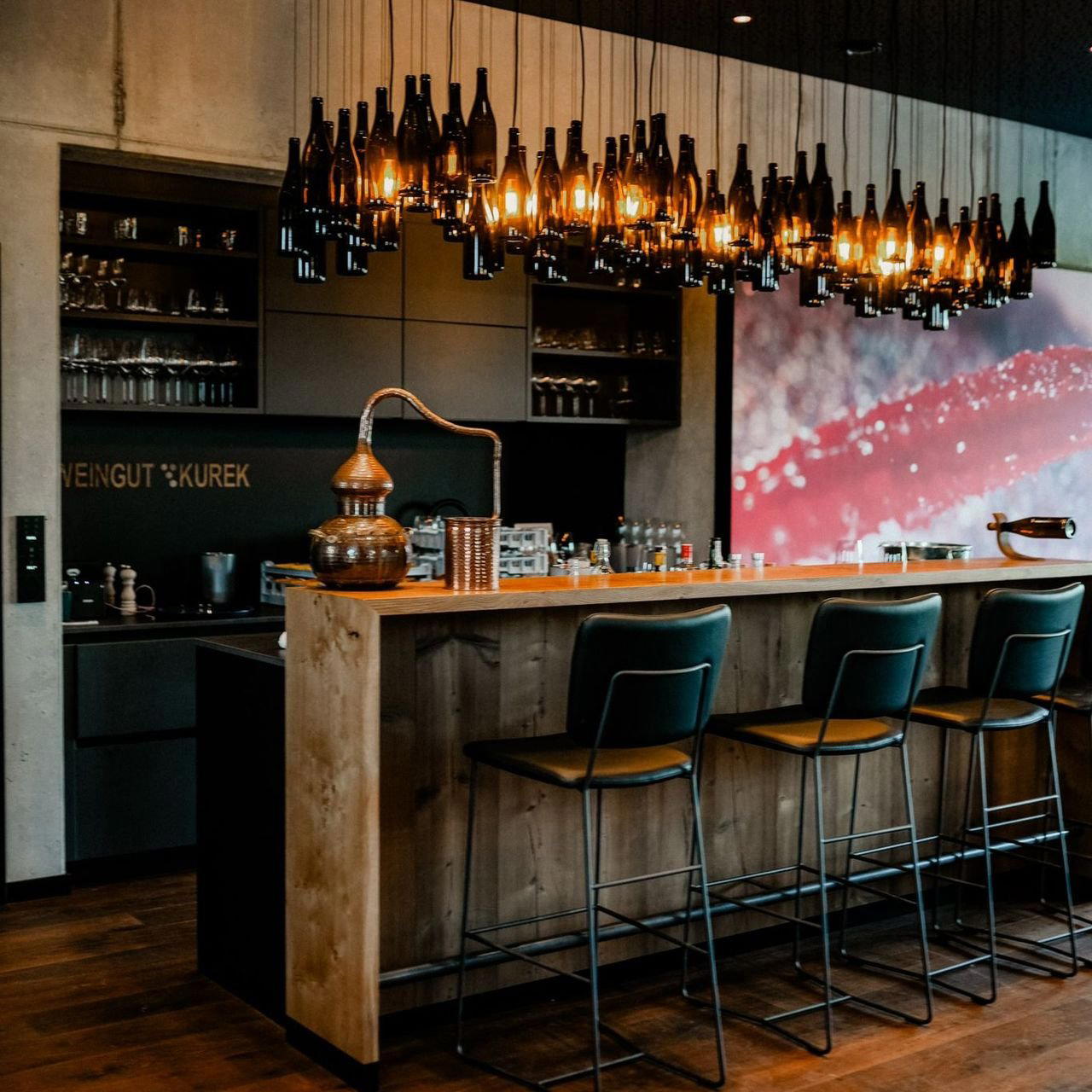
Restaurants in Nonnenhorn
Browse all →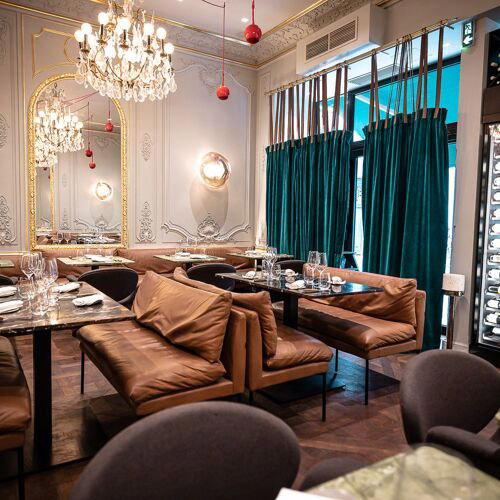
Hotels in Nonnenhorn
Browse all →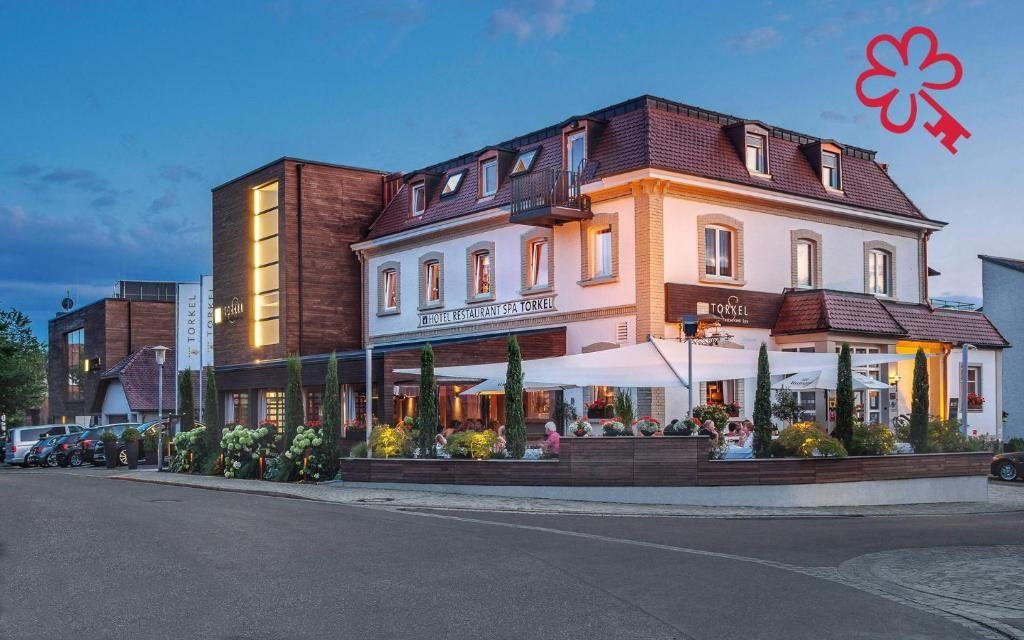
At a Glance
- Scenic
- Rustic
- Quiet
- Solo Exploration
- Wine Education
- Estate Grounds
- Vineyard Tour
- Design Destination
- Organic
- Waterfront
- Mountain
- Vineyard
- Bayerischer Bodensee
- Johanniter
- Souvignier Gris
- Cabernet Blanc
- Muscaris
- Solaris
- Cabertin
- Pinotin
- Pinot Noir
- Still White
- Still Red
- Still Rosé
- Sparkling
- Cellar Door Tasting
- By Appointment Tasting
Low-intervention, ecologically minded winery atmosphere with a strong sense of place, shaped by lake breezes, alpine views, and glacial soils.