Weingut Katharina Gessl

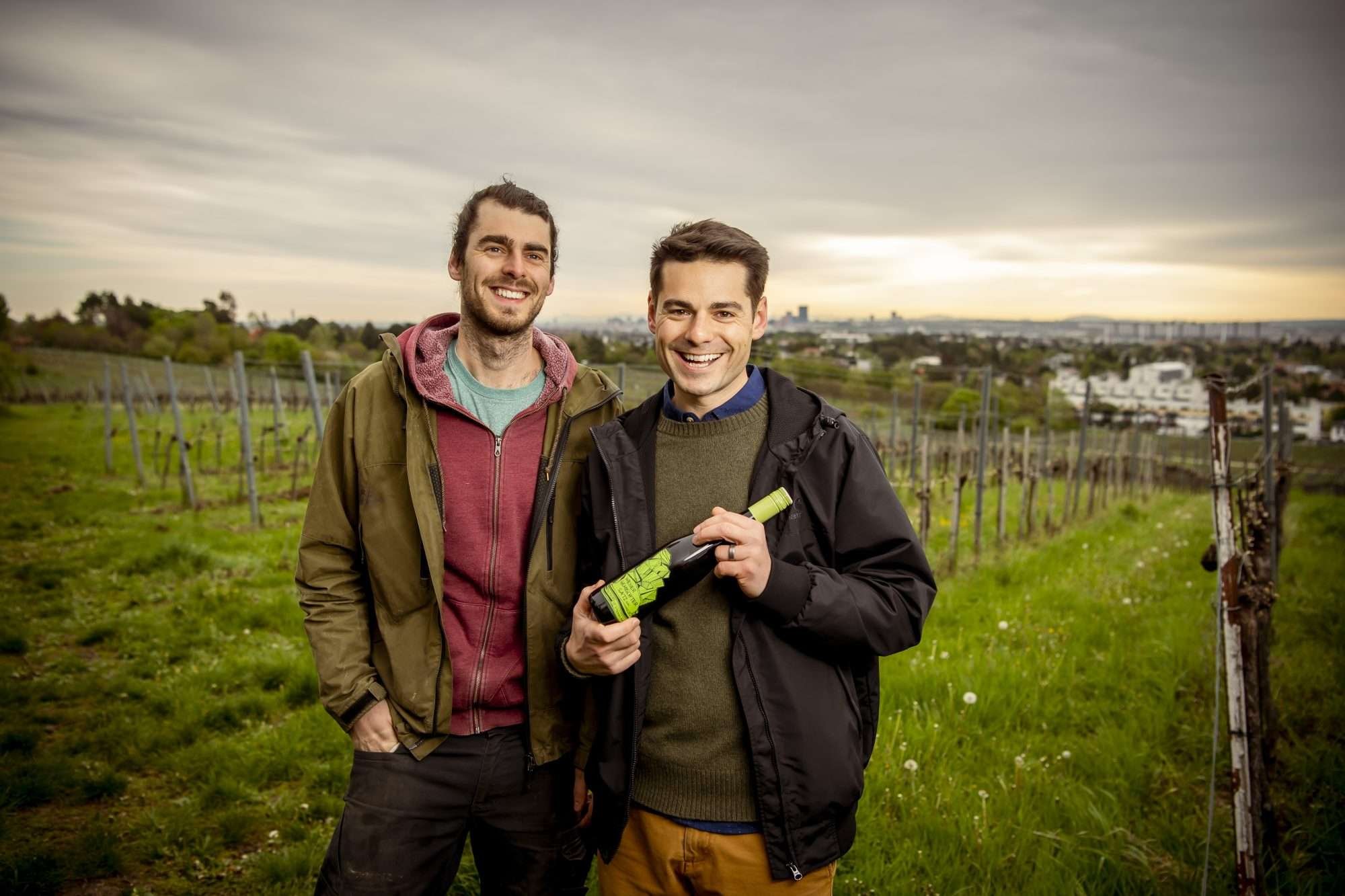
Weingut Katharina Gessl is a small organic winery in Zellerndorf, framed by the Weinviertel’s farm-village rhythm rather than by cellar-door spectacle. The draw is a purist, low-intervention range led by Grüner Veltliner, Riesling, Chardonnay, Gelber Muskateller, red varieties, sparkling wine and a 2024 pét-nat, with private tastings by appointment.
Pearl is the En Primeur Club membership app — saves, bookings, and concierge access live there. Same editors, same standards.
- Address
- Zellerndorf, Weinviertel, Lower Austria, Österreich
 Saves & bookings on Pearl
Approaching wine in Zellerndorf means shifting down a gear. Weingut Katharina Gessl is best understood through the outline available for it: a Weinviertel farm setting, organic vineyards, and a low-intervention approach to winemaking. The appeal is not a documented list of awards, a public ranking, or a detailed hospitality format. It is the quieter character of a place described as rustic, classic, purist, and nature-focused.
That limited but useful profile sets expectations clearly. This is not a page where a long menu, a tasting schedule, a grape-by-grape cellar list, or a named service format can be stated as fact. The reliable frame is broader: Weingut Katharina Gessl sits in Zellerndorf and is associated with organic vineyard work and a restrained, low-intervention wine identity. Readers should treat any more specific claims about varieties, bottlings, tour lengths, reservation rules, awards, or production details as unless confirmed directly by the winery.
Weinviertel structure, low-intervention grammar
The strongest description of Weingut Katharina Gessl is stylistic rather than encyclopedic. Its identity is purist and nature-focused, with an emphasis on organic vineyards and low-intervention winemaking. In practical editorial terms, that means the venue should be read less as a staged luxury destination and more as a quiet farm-based wine address in Zellerndorf.
The Weinviertel context matters, but it should not be overstated beyond what is known. Zellerndorf gives the winery a rural Lower Austrian setting, and the description points to a classic farm atmosphere rather than a highly polished hospitality concept. That is enough to make the place interesting for visitors who value setting, farming philosophy, and restraint. It is not enough to justify unsupported claims about specific grapes, labels, sparkling styles, cellar methods, or current releases.
Low-intervention language can be easy to overuse, so the safest reading here is modest. The facts support a nature-focused approach and organic vineyard emphasis. They do not establish a detailed technical program, a certified award history, or a particular tasting ritual. The better expectation is a hidden-gem atmosphere: quiet, rustic, and rooted in a classic Weinviertel farm setting.
A small cellar with a contemporary Austrian accent
The winery’s editorial interest comes from that combination of place and approach. A Zellerndorf winery described through organic vineyards and low-intervention winemaking belongs to a contemporary Austrian conversation about farming, restraint, and less heavily manipulated wines.
For visitors, reliable guidance is therefore about mood rather than mechanics. Expect a quiet, rustic, classic setting rather than a documented fine-dining-style experience. The dress-code description is also more cultural than formal: purist and nature-focused, in keeping with a farm context. That suggests dressing comfortably and respectfully for a rural wine setting, not preparing for a formal dining room.
The price indicator is listed as $$, which places the venue in a moderate range at the broad guide level.
How to read Zellerndorf around the glass
Zellerndorf is useful precisely because the portrait of the winery is not urban or theatrical. The venue is framed as a in a classic Weinviertel farm setting, with organic vineyards and low-intervention winemaking at the center of its identity. That makes it most relevant for readers who want a quieter wine stop and who are comfortable confirming operational details directly rather than relying on a fixed published format.
When comparing options, keep the comparison local and general. Other dining or wine-related stops in Zellerndorf may suit different plans, but no specific peer venue is here beyond the winery itself. The safest way to plan is to treat this as a Zellerndorf winery profile with limited confirmed public detail: strong on atmosphere and philosophy, thin on service particulars.
The editorial case for the winery is narrow but clear: it is a $$ Zellerndorf wine venue with a quiet, rustic, classic feel; a purist and nature-focused character; and a emphasis on organic vineyards and low-intervention winemaking. Go for the relationship between rural setting and method, not for ceremony, documented accolades, or a guaranteed hospitality format.
Recognition history
Dated appearances from independent guides and award organizations, with the underlying list record or original source where available.
Falstaff Winery - Listed
Falstaff
Continue exploring
More in Zellerndorf
At a Glance
- Quiet
- Rustic
- Classic
- Solo Exploration
- Group Outing
- Wine Education
- Special Occasion
- Private Tasting
- Historic Building
- Design Destination
- Organic
- Sustainable
- Vineyard
- Weinviertel DAC
- Grüner Veltliner
- Riesling
- Chardonnay
- Gelber Muskateller
- Zweigelt
- Blauer Portugieser
- Cabernet Sauvignon
- Weissburgunder
- St. Laurent
- Still White
- Still Red
- Sparkling
- Pet Nat
- Tasting
- Private Tasting
Purist and nature-focused, with a classic Weinviertel farm setting that emphasizes organic vineyards and low-intervention winemaking.