Weingut Huber

Falstaff Winery - Listed
Weingut Huber is a Traisental DAC estate with a site-driven focus shaped by calcareous conglomerate and lime soils. The emphasis is on still wines led by Grüner Veltliner and Riesling, with Sauvignon Blanc, Zweigelt and Gelber Muskateller also in the frame, making it a concise study in Lower Austrian mineral precision rather than cellar-door spectacle.

Pearl is the En Primeur Club membership app — saves, bookings, and concierge access live there. Same editors, same standards.

Approach Weingut Huber in Hauskirchen as a quiet Austrian winery rather than a venue built around spectacle. The picture is deliberately simple: a family-run estate, a premium price marker of $$$, and a style described as clear, site-driven and mineral, with that mineral impression tied to limestone-conglomerate soils. Those are the details worth holding onto, because they give the visit its strongest frame without needing inflated claims about formats, awards, menus or varieties.
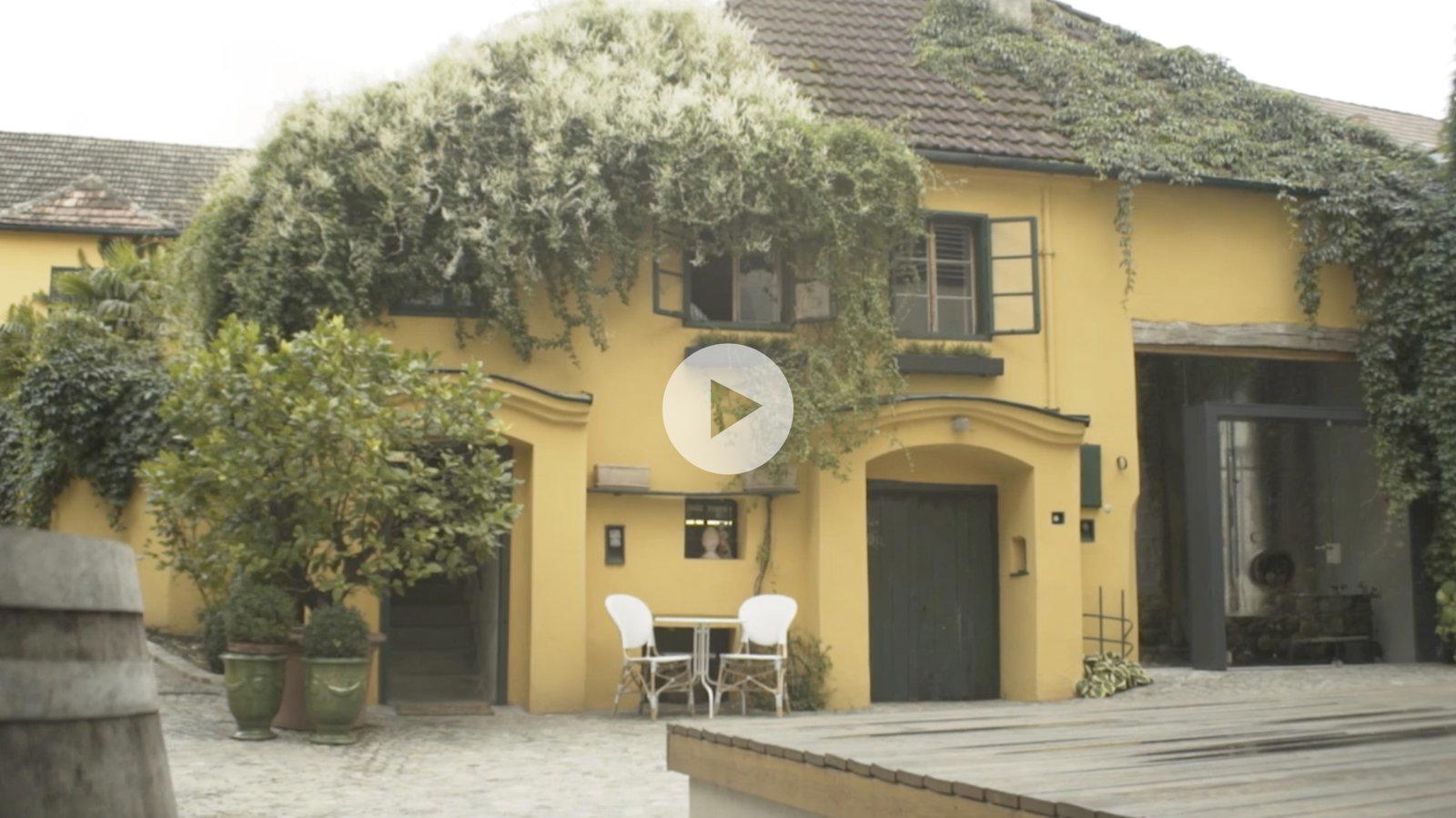
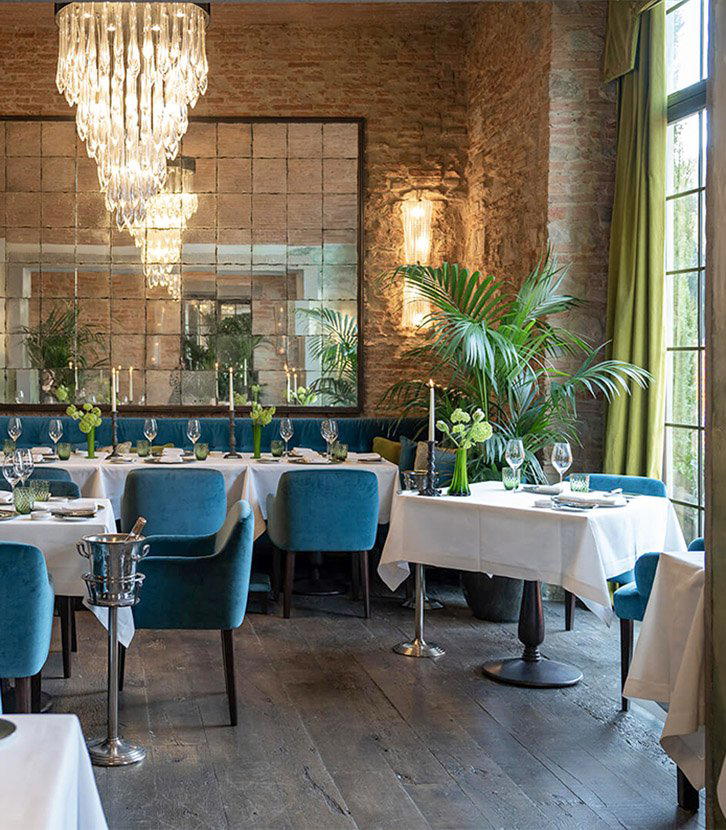
The mood is best understood through a few words: classic, quiet, scenic and rustic. That does not describe a high-design hospitality production or a broad entertainment stop. It points instead to a wine-focused setting where the draw is the estate’s identity and the landscape around it. If you are choosing between unnamed Hauskirchen options, Weingut Huber is the one to consider when the priority is Austrian wine with a clear sense of place.
Calcareous soils and the case for mineral Austrian wine
The most grounded way to read Weingut Huber is through soil and style. The estate is known for premium wines shaped by limestone-conglomerate soils, and the resulting profile is described as having pronounced minerality. That is a useful, specific anchor. It suggests wines whose appeal is not only fruit or immediate generosity, but also line, clarity and the impression of structure that drinkers often associate with calcareous ground.
“Minerality” can be an overused word in wine writing, so it is worth keeping the claim narrow here. The point is not that every bottle behaves in a particular way, or that a specific grape, cuvée or vintage defines the estate. The point is that Weingut Huber’s reputation rests on a site-driven style, and that limestone-conglomerate soils are central to how the wines are described. That makes the winery more interesting for guests who like to think about origin, texture and restraint than for visitors simply chasing a famous label or a heavily staged tasting experience.
This is also where the family-run character matters. Without inventing a biography or naming individuals, it is fair to say that family-run wineries often communicate continuity through style: a house view of ripeness, freshness, site expression and balance. At Weingut Huber, the available facts support that kind of reading. The estate is presented as premium, Austrian, family-run and site-focused, with a mineral signature drawn from its soils.
A low-noise winery for drinkers who want context
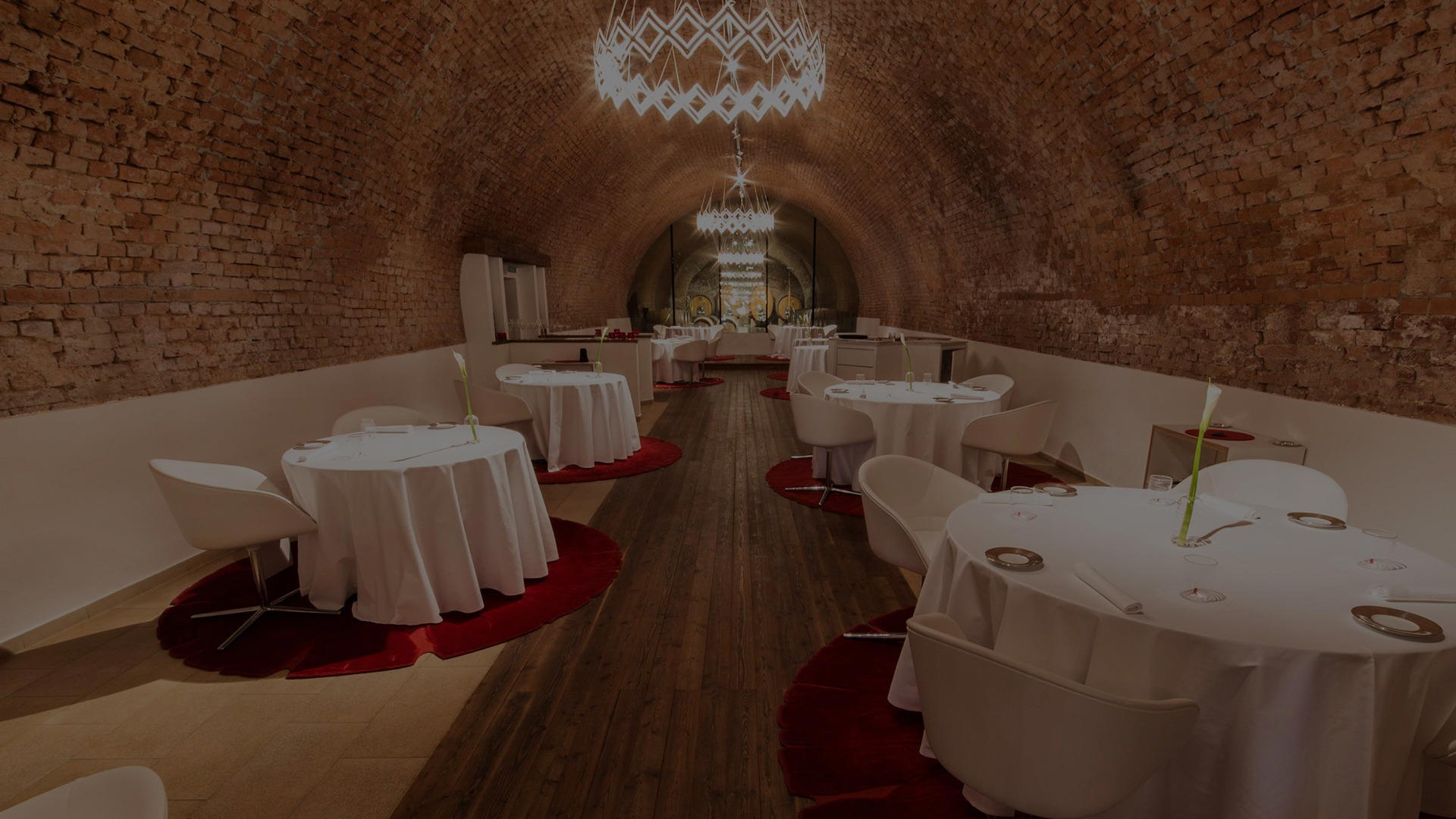
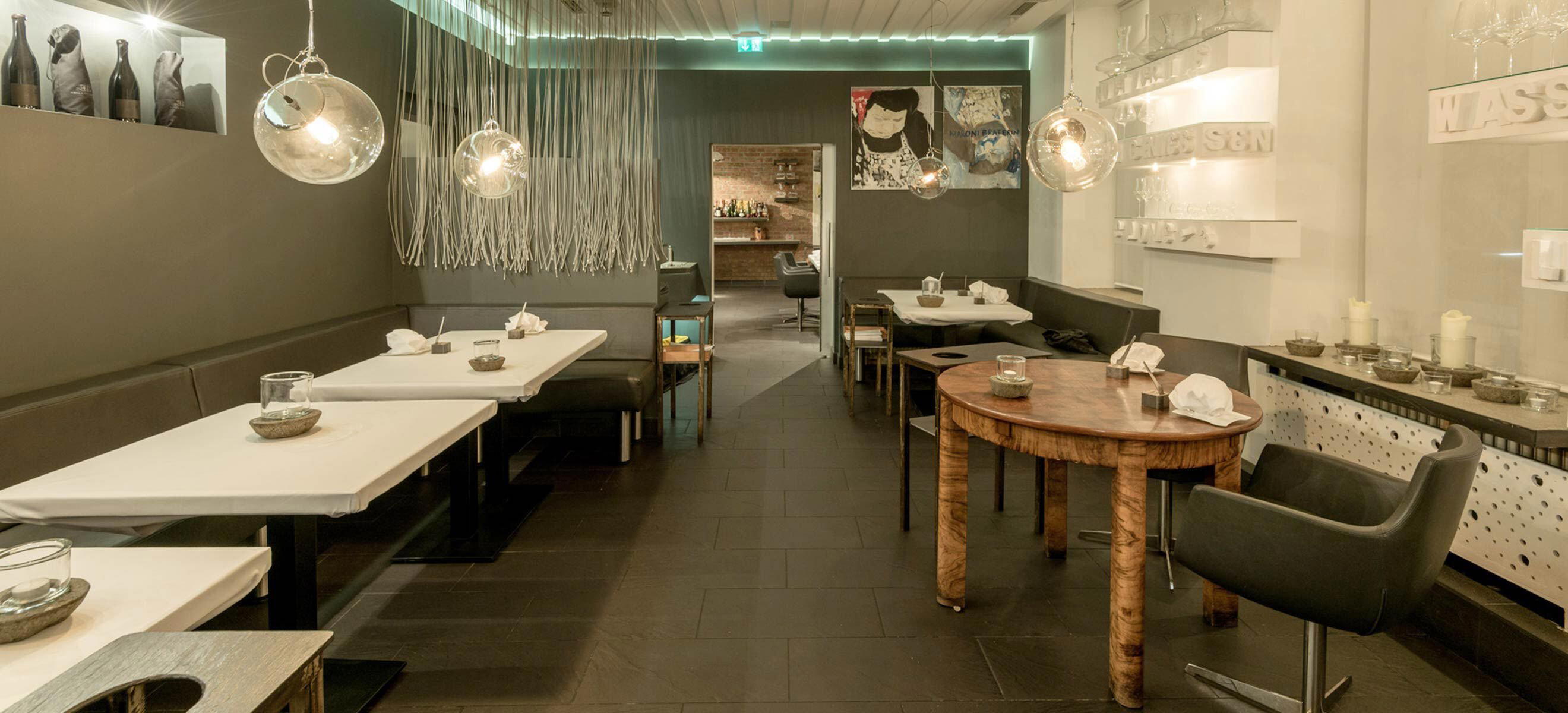
Weingut Huber’s atmosphere is classic, quiet, scenic and rustic. Those terms are helpful because they set expectations before any practical planning begins. This is not a page where firm claims can be made about seat counts, tasting menus, group policies, food pairings, appointment rules or special services. The reliable editorial advice is therefore to approach the winery as a focused wine stop and to confirm practical details directly before visiting.
That restraint is important. It does not verify a lunch offer, a restaurant format, delivery, take-out, allergy accommodation, a chef, a named winemaker, a founding year, a score, or an award. Those details should not be assumed.
For visitors who enjoy quieter wine settings, that lack of extra noise can be part of the appeal. The ideal way to engage with Weingut Huber is to focus on what is confirmed: the estate’s Austrian identity, its family-run character, its premium positioning, and the limestone-conglomerate soils behind its pronounced mineral style. In practice, that means listening for how the wines express place rather than arriving with a checklist of services.
How to place it within a Hauskirchen wine itinerary
For planning purposes, keep the location simple: Weingut Huber is in Hauskirchen. Do not rely on street-level claims or more detailed location language unless you have confirmed them through the winery directly.
The $$$ price marker is another useful planning cue. It places Weingut Huber in a premium bracket, so visitors should approach it as a considered stop rather than a casual bargain detour. That does not establish exact tasting fees, bottle prices or package formats; it simply signals that the estate should be evaluated with premium expectations. If budget, timing or access matters, verify those details directly before making the trip.
Within Hauskirchen, Weingut Huber is best positioned as a quiet winery for guests who care about Austrian wine, site expression and mineral structure. Other dining or drinking options in Hauskirchen can round out a day, but they should be treated separately unless their details are independently confirmed. The strongest reason to prioritize this venue is not a claimed award, a specific grape list or a hospitality gimmick. It is the combination of family-run identity, scenic rustic atmosphere, premium positioning and a clear style shaped by limestone-conglomerate soils.
Recognition history
Dated appearances from independent guides and award organizations, with the underlying list record or original source where available.
Falstaff Winery - Listed
Falstaff
Continue exploring
More in Hauskirchen
Wineries in Hauskirchen
All wineries in Hauskirchen →
Bars in Hauskirchen
Browse all →
Restaurants in Hauskirchen
Browse all →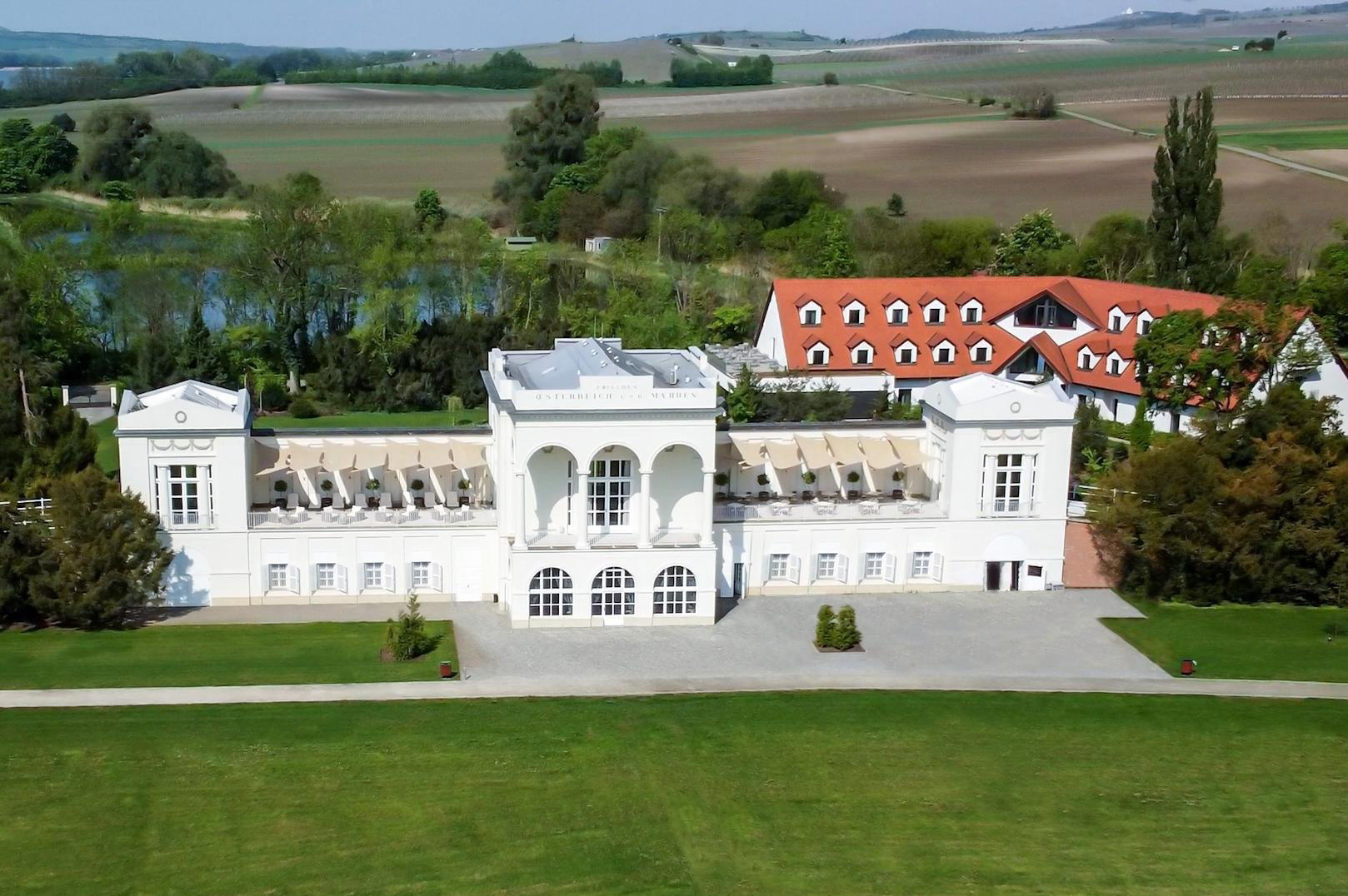
Details
- Classic
- Quiet
- Scenic
- Rustic
- Wine Education
- Special Occasion
- Solo Exploration
- Historic Building
- Sustainable
- Organic
- Vineyard
- Grüner Veltliner
- Riesling
- Sauvignon Blanc
- Zweigelt
- Gelber Muskateller
- Still White
- Still Red
- Tasting Room
A family-run Austrian winery known for premium wines with a clear, site-driven style and pronounced minerality from limestone-conglomerate soils.