Weingut Herzog

Falstaff Winery - Listed
Weingut Herzog is a family-run winery in Thal shaped by the St. Gallen Rhine Valley’s steep slopes, rocky terrain, and cool-climate Swiss varieties. The draw is not spectacle but place: Müller-Thurgau, Pinot Noir, sustainable vineyard work, and a small estate rhythm built around direct guest contact.

Pearl is the En Primeur Club membership app, where members save venues, book tables and use the concierge.

Thal’s wine country does not announce itself with the grand formality of Europe’s larger appellations. The appeal is quieter: vineyard slopes, mountain views, rustic cellar-door hospitality, and a regional language of wine built on altitude, stone, and restraint. Weingut Herzog belongs to that tradition, a family estate in the St. Gallen Rhine Valley where the scenery is not background decoration but part of the argument for the wines.
The Rhine Valley matters here because it pulls Swiss wine away from the clichés of postcard Alpine drinking and toward a more specific conversation about site. Steep-slope viticulture is central to the estate’s identity, and that matters in practical terms: hillside farming tends to limit industrial ease, puts more pressure on vineyard work, and makes geology and exposure harder to ignore. In a country where many serious wines stay close to home, producers like this help explain why Swiss wine can feel intensely regional even before a bottle reaches an export shelf.
Rocky Rhine Valley slopes set the tone
The estate’s strongest claim is terroir rather than trophy culture. Its vineyards are associated with steep slopes and rocky Rhine Valley character, with an emphasis on wines that communicate mineral structure rather than sheer weight. That places the winery in a Swiss category where the land is the main credential: not a luxury gloss, not a collector-market performance, but a reading of local terrain through varieties suited to the region.
Müller-Thurgau and Pinot Noir form the clearest varietal anchors. In German-speaking Switzerland, that combination makes sense. Müller-Thurgau, also known as Riesling-Silvaner, can translate cooler conditions into brisk, early-drinking whites, while Pinot Noir carries a long Swiss history in regions where moderation matters more than extraction. The point is not to chase an international template. The more persuasive reading is that the estate works within a local register, where freshness, slope, and stone are more useful reference points than cellar theatrics.
Sustainability is also part of the estate’s public identity, with biodiversity and careful treatment of soil and natural resources presented as foundations for quality. That language is common across contemporary wine, but it carries extra weight in steep vineyards, where farming decisions are visible in the maintenance of the land itself. There is no need to overstate the claim with certification language. The relevant signal is simpler: the property frames vineyard stewardship as part of wine character, not as a separate branding exercise.
For travellers mapping the area through wine rather than restaurant reservations, Thal is better read as a cluster than as a single stop. Nearby estate pages such as Ochsentorkel Weinbau, Weinbau Tobler, and Weingut am Steinig Tisch, Roman Rutishauser help frame the local picture, while our full Thal wineries guide is the more useful starting point for building a regional route.
A small cellar-door rhythm, not a staged wine attraction
The hospitality format is personal and low-key, closer to a family winery visit than a polished tasting-room circuit. The estate is positioned around direct guest contact, guided and self-guided tasting formats, wine education, and estate-ground time. That makes the experience especially suited to drinkers who want context rather than performance: why these grapes, why this valley, why this style of Swiss wine.
The portfolio is broad enough to avoid a narrow tasting script without turning into a catalogue. Still white and still red wines are the main focus, supported by sparkling wine, an Edelbrand, and Traubenschorle. The latter matters because it signals a hospitality mindset wider than the usual tasting flight: a grape-based refreshment can make a winery visit more inclusive for groups where not everyone is drinking wine. It also fits the estate’s direct, regional tone better than an imported luxury cue would.
Price positioning sits in a moderate bracket, and the estate’s small production scale reinforces the sense that this is a local-contact winery rather than a volume-led brand. External recognition is modest but useful: a 4.5 rating from 19 SwissWineCellar reviews and an SRF 1 portrait mention give the winery public visibility without turning the story into an awards résumé. In this context, that is the right proportion. The wines are better understood through place and farming than through medals.
Visitors should also understand the broader Thal trip as a small-region itinerary. The wine stop can sit alongside our full Thal restaurants guide, our full Thal hotels guide, our full Thal bars guide, and our full Thal experiences guide. For a wider Swiss and Central European wine frame, compare the planning texture with estate pages such as 180°Süd in Frick, A & A Weinbau in Henggart, A. & C. Chevalley in Lutry, aagne weingut in Hallau, and Abbaye de Mont in Mont Sur Rolle.
Who should make time for it
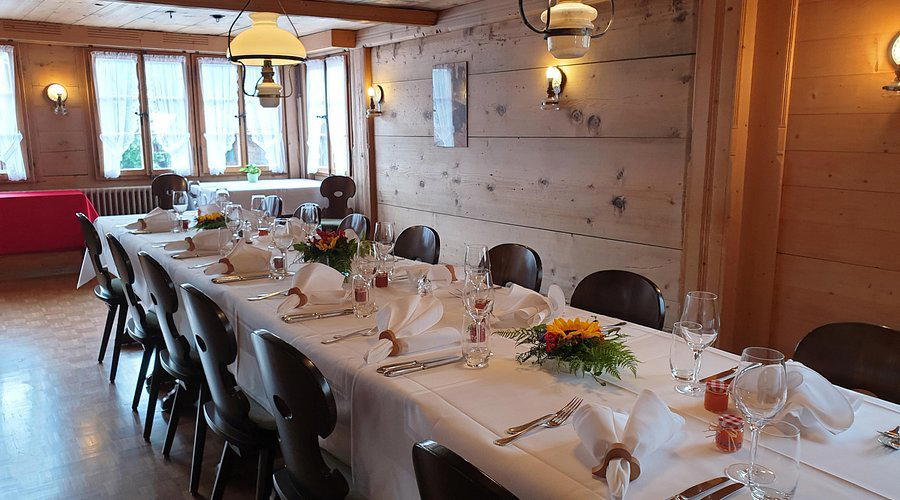
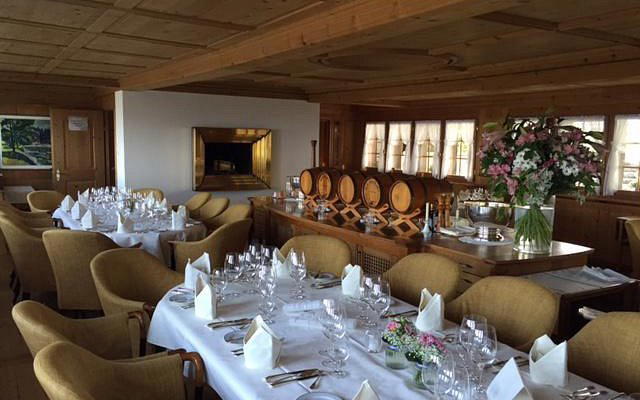
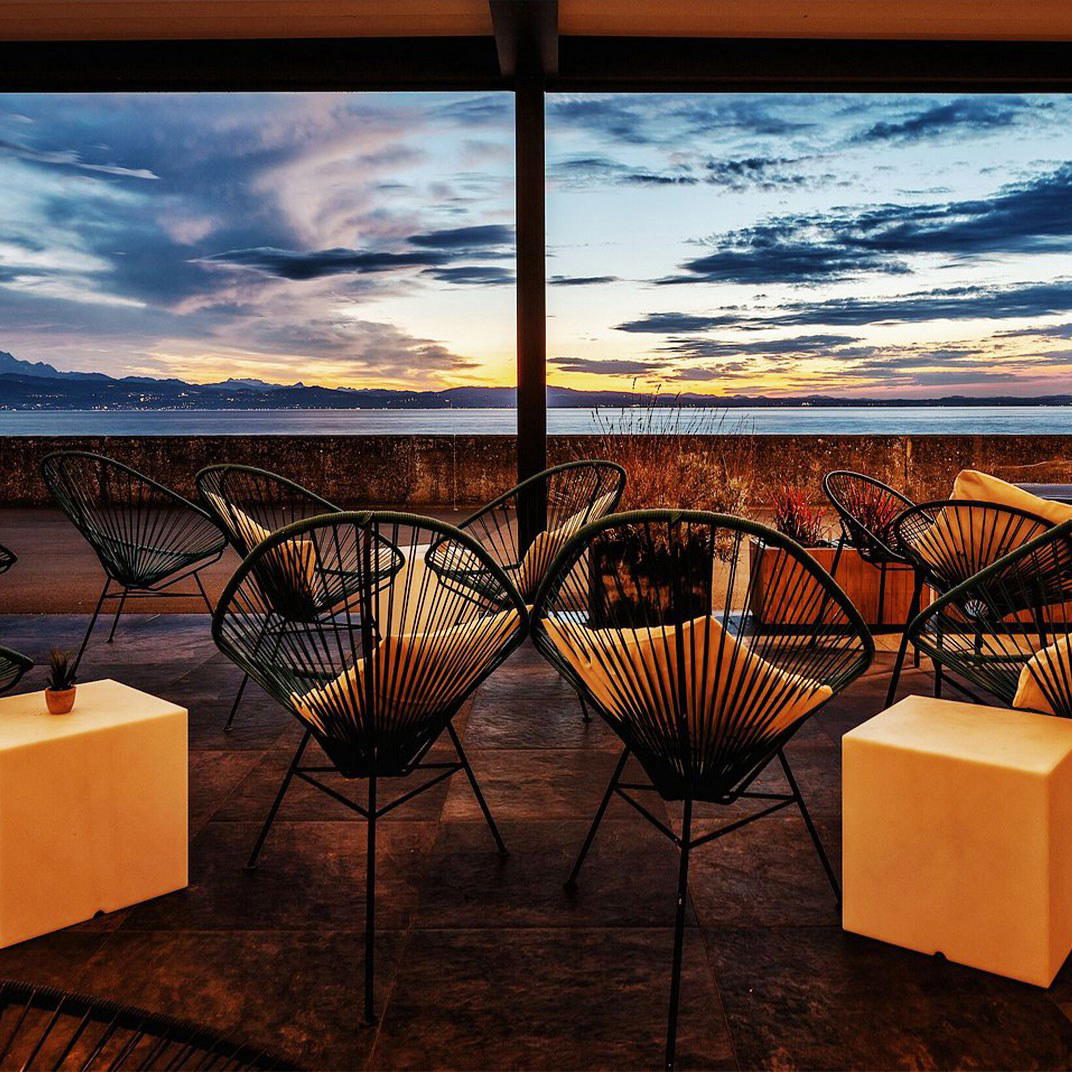
This is a strong choice for travellers who prefer regional specificity over cellar-door spectacle. The setting is quiet, rustic, and scenic, with vineyard and mountain views shaping the mood. Casual dress fits the tone, and the estate is suited to solo exploration, wine education, group outings, and special-occasion tastings when the emphasis is on conversation rather than ceremony.
The practical strengths are plain: small-scale production, sustainable sourcing, a wine club, shipping availability, card and contactless payment options, and accessibility features including wheelchair access, accessible parking, and step-free entry. Food pairing is not part of the core format, and the experience is better approached as a wine-focused visit. For travellers extending the wine map beyond Switzerland, pages such as »der Steiner« Hans Steiner in Podersdorf am See and & Handwein in Mannheim show how other German-language wine regions express a different relationship between small estates, local identity, and guest contact.
The editorial case for Weingut Herzog is clear: it gives Thal’s wine culture a readable shape. Founded in 1984 and rooted in AOC St. Gallen, the estate connects family continuity, steep-slope farming, Müller-Thurgau, Pinot Noir, and a quiet hospitality model. For travellers trying to understand the St. Gallen Rhine Valley through wine, that combination is more useful than a long list of cellar details.
Recognition history
Dated appearances from independent guides and award organizations, with the underlying list record or original source where available.
Falstaff Winery - Listed
Falstaff
Continue exploring
More in Thal
Wineries in Thal
All wineries in Thal →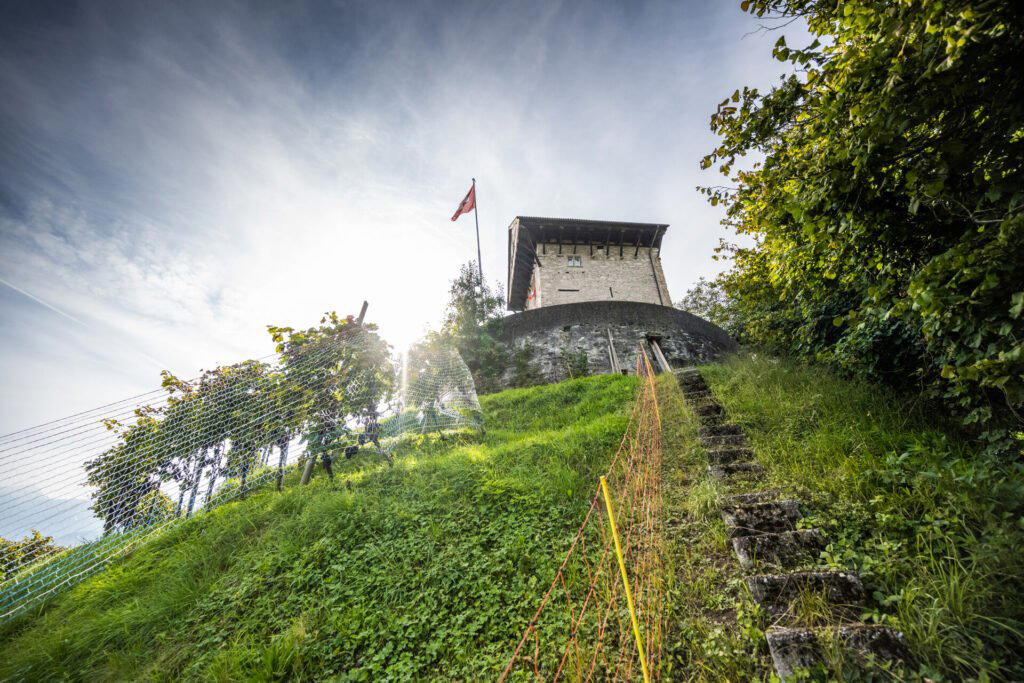
Bars in Thal
Browse all →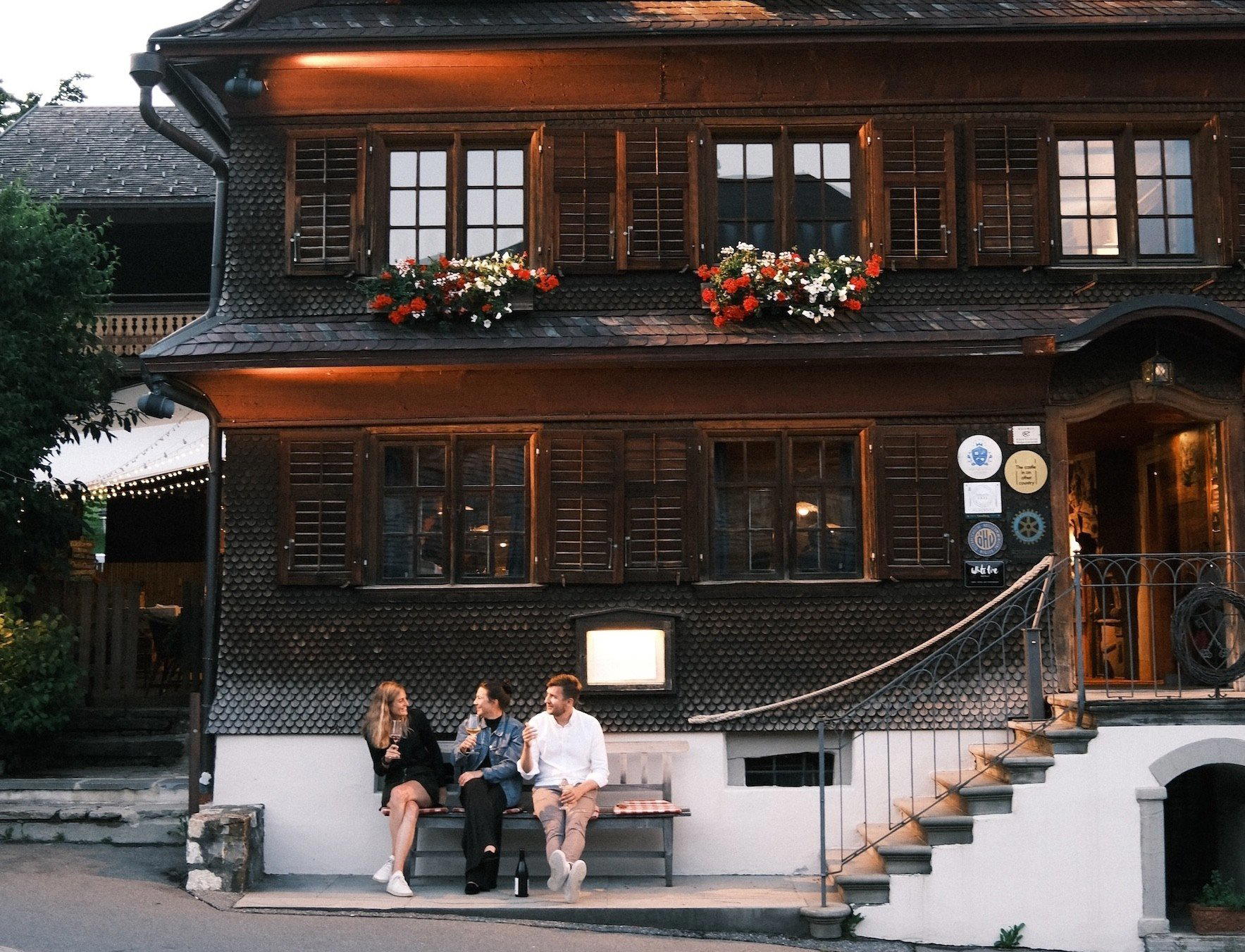
Details
- Quiet
- Classic
- Rustic
- Scenic
- Solo Exploration
- Group Outing
- Special Occasion
- Wine Education
- Estate Grounds
- Private Tasting
- Sustainable
- Vineyard
- Mountain
- Müller Thurgau
- Pinot Noir
- Still White
- Still Red
- Guided Tasting
- Self Guided Tasting
Historic family winery with a scenic, terroir-focused setting in the St. Gallen Rhine Valley; the atmosphere is positioned as personal and welcoming, with a strong emphasis on tradition, sustainability, and direct guest contact.