Weingut Heidelberg

Falstaff Winery - 3 Stars
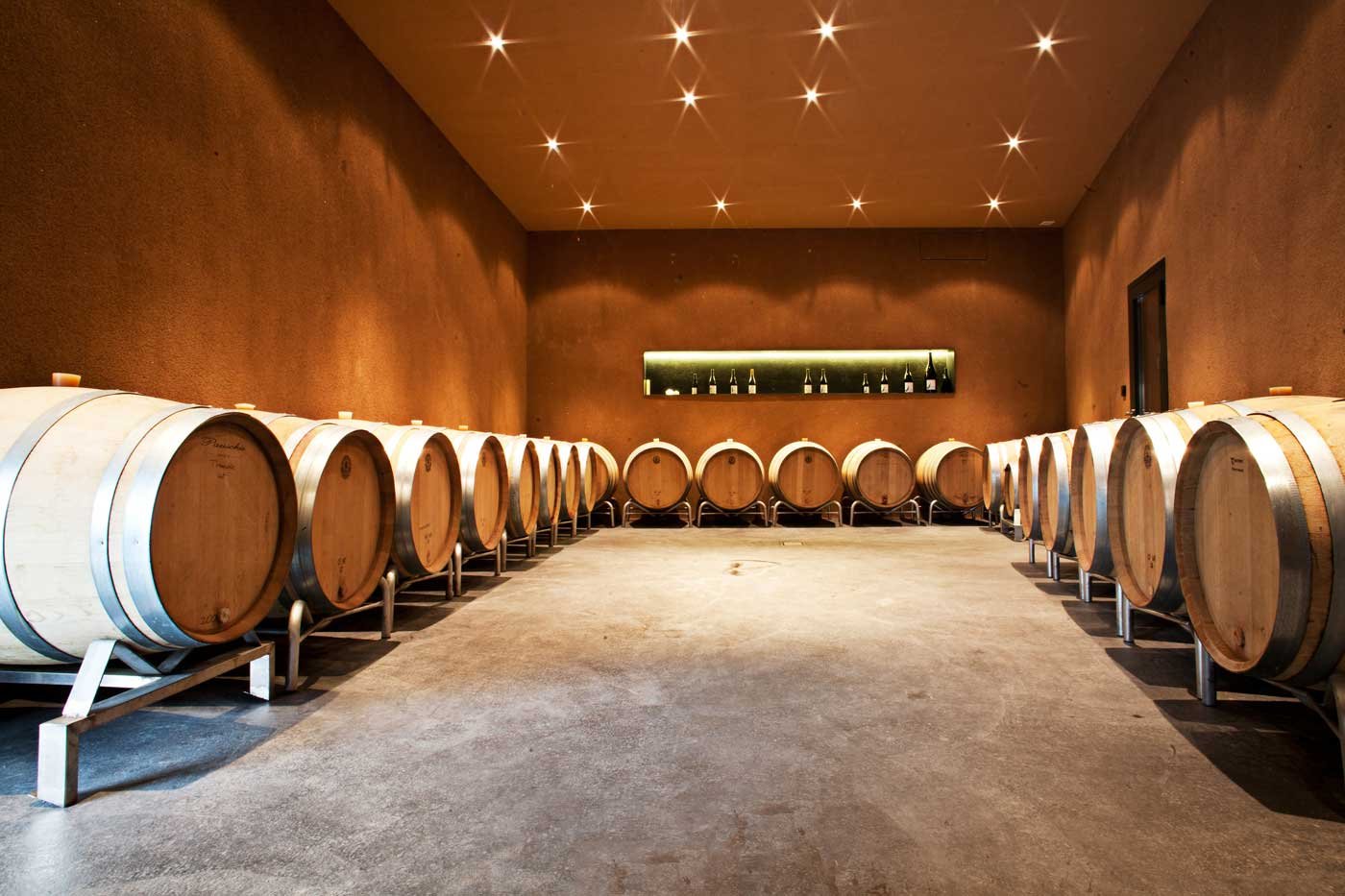
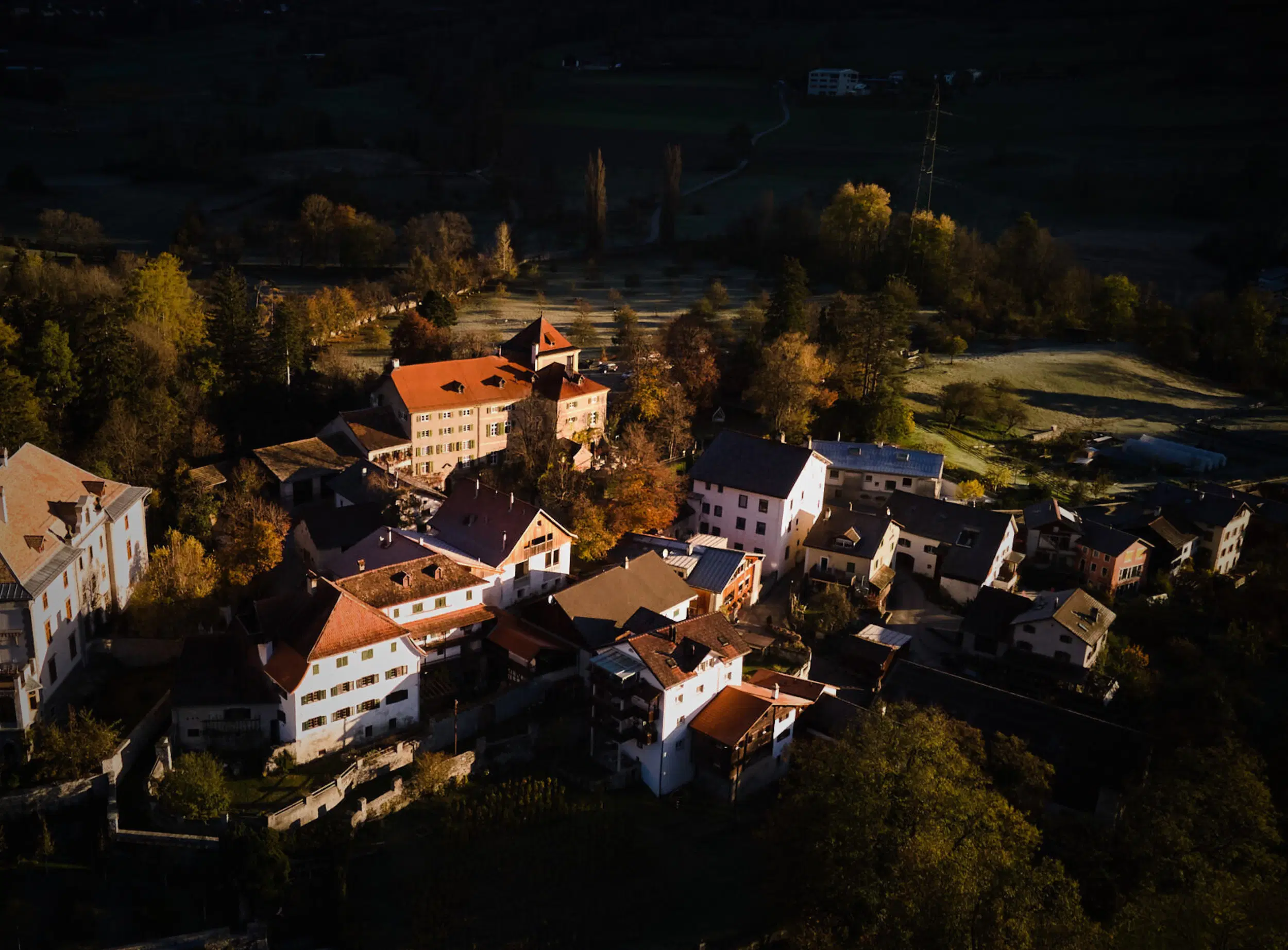
Weingut Heidelberg is a small Maienfeld vineyard estate built around direct contact with the vines: 5 hectares, on-site pressing, a modern cellar, and a traditional wooden barrel cellar. The visit is low-key and agricultural in feel, with guided tasting, a snack, and seating either in a rustic Weinstübli or beneath a pergola set among the rows.

Pearl is the En Primeur Club membership app, where members save venues, book tables and use the concierge.
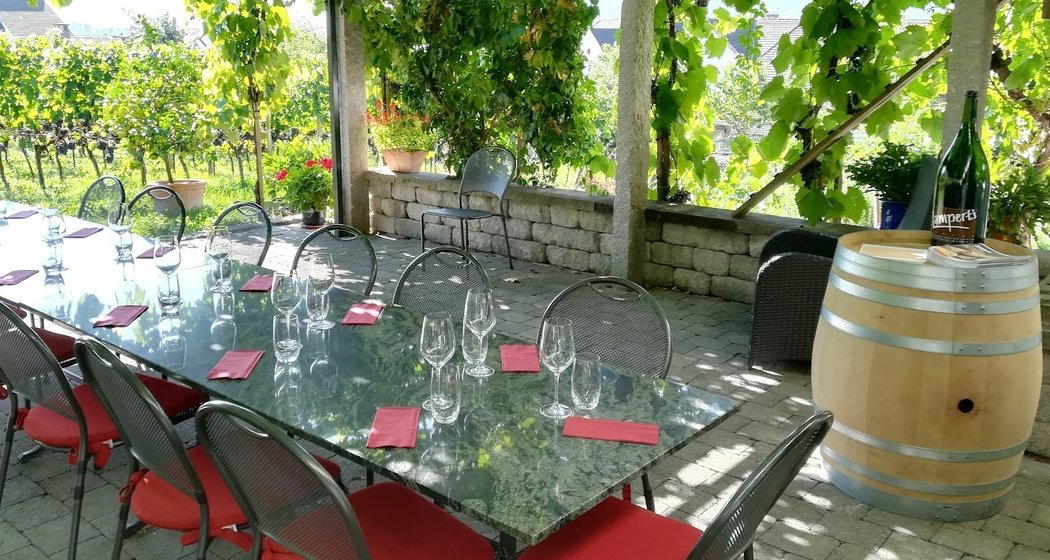
Maienfeld wine tourism works well when the setting stays close to the vines. Weingut Heidelberg fits that vineyard-centered picture: a rustic, scenic estate experience where tastings may take place in a rustic Weinstübli or under a vine-covered pergola. The appeal is not built on a formal restaurant promise or a list of accolades. It is a winery visit shaped by place, atmosphere, and production context.
The picture is deliberately simple. Weingut Heidelberg is in Maienfeld, with a production setting that combines a modern cellar and a traditional wooden barrel cellar. That combination gives the visit its character: the estate can feel classic and cozy while still being connected to contemporary cellar work. For travelers choosing among other dining or tasting options in Maienfeld, the draw here is the vineyard setting rather than a chef-led meal, a bar scene, or a luxury tasting salon.
A vineyard-centered sense of place
Weingut Heidelberg is best understood as a working wine estate experience rather than a venue defined by restaurant-style details. The information supports a rustic, scenic, and classic atmosphere, with tastings offered in spaces that keep the vineyard and cellar close to the guest. That matters because the strongest reason to come is context: the feel of Maienfeld wine country, the proximity to vines, and the contrast between a modern cellar and a traditional wooden barrel cellar.
Because the available record is narrow, it is worth being precise about what can and cannot be promised. There is no confirmed basis here for naming specific dishes, a full cuisine style, a chef, a founding date, a seat count, awards, ratings, or a detailed drinks program beyond the winery setting itself. The price level is listed as $$, which positions the estate as approachable in broad terms, but the value is mainly experiential: a rustic vineyard visit in Maienfeld with tasting spaces that match the landscape.
The absence of confirmed menu or accolade detail should not be treated as a weakness. It simply changes how to assess the venue. Weingut Heidelberg is not being presented as a scored fine-dining address or a collector-focused room built around trophy labels. It is better framed as a cozy, vineyard-centered stop where the production environment and the tasting setting are the main reasons to choose it.
A rustic Weinstübli or a pergola among the vines
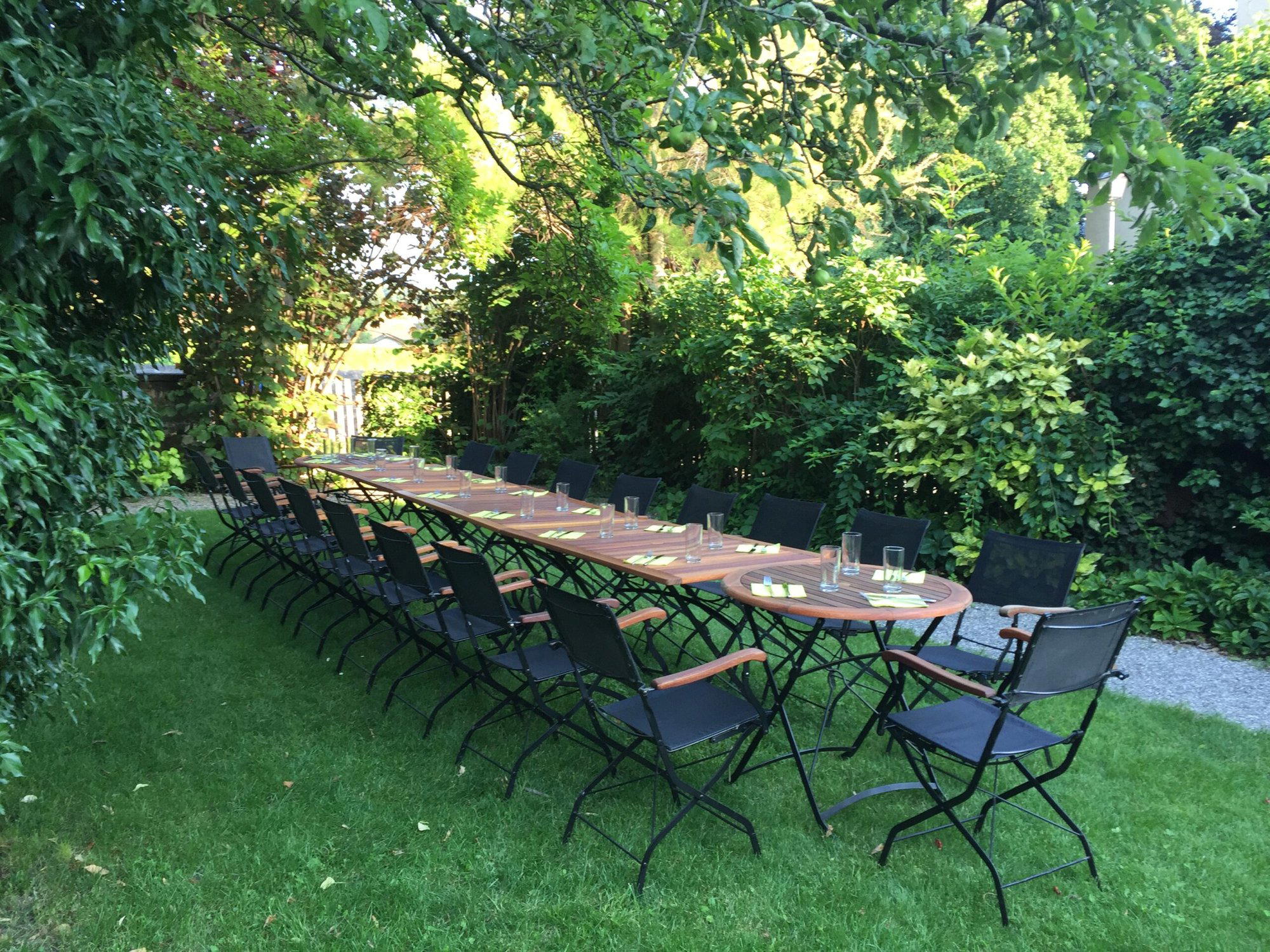
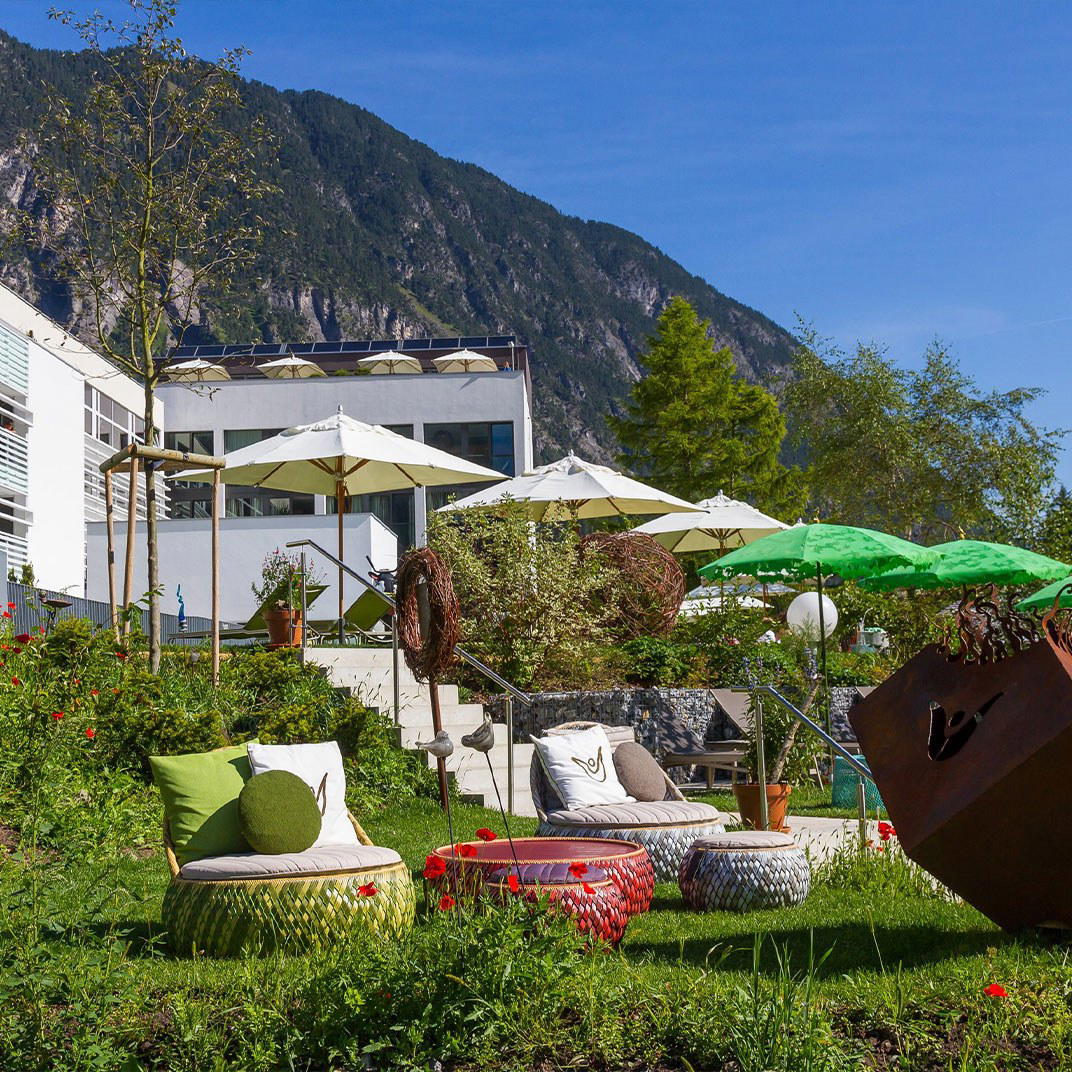
The most concrete hospitality detail is the setting for tastings. A rustic Weinstübli offers a sheltered, traditional room, while the vine-covered pergola places the experience outdoors in direct conversation with the vineyard. Those two settings give the estate its range: cozy and classic inside, scenic and open-air outside.
That rustic tone also helps set expectations. Visitors should not arrive expecting a fully documented restaurant format, a published multi-course menu, or specialist services such as take-out, delivery, allergy-specific handling, or a named culinary program. The grounded description points instead to a wine estate atmosphere: relaxed, vineyard-centered, and shaped by the physical place.
The production setting adds another layer. The facts describe both a modern cellar and a traditional wooden barrel cellar, which gives the visit a useful contrast between contemporary winemaking infrastructure and older cellar character. Even without leaning on technical claims, that contrast is enough to explain why the venue feels more substantial than a detached tasting counter. The estate setting is part of the experience.
How to fold Heidelberg into a Maienfeld day
For a Maienfeld itinerary, Weingut Heidelberg makes the most sense when wine and setting are the anchor. It can be paired with other Maienfeld dining or hospitality plans, but the reason to reserve time for the estate is its vineyard-centered mood: rustic, scenic, cozy, and classic. The price marker of $$ keeps expectations grounded, while the Weinstübli, pergola, modern cellar, and wooden barrel cellar provide the core of the visit.
Travelers comparing options should keep the distinction clear. Other Maienfeld dining rooms may be better suited to a full meal, while Weingut Heidelberg is better read through the lens of a winery experience. It is a place to choose for the feel of a Maienfeld estate, not for claims about awards, exact vineyard size, named dishes, special services, or formal dining credentials.
Recognition history
Dated appearances from independent guides and award organizations, with the underlying list record or original source where available.
Falstaff Winery - 3 Stars
Falstaff
Continue exploring
More in Maienfeld
Wineries in Maienfeld
All wineries in Maienfeld →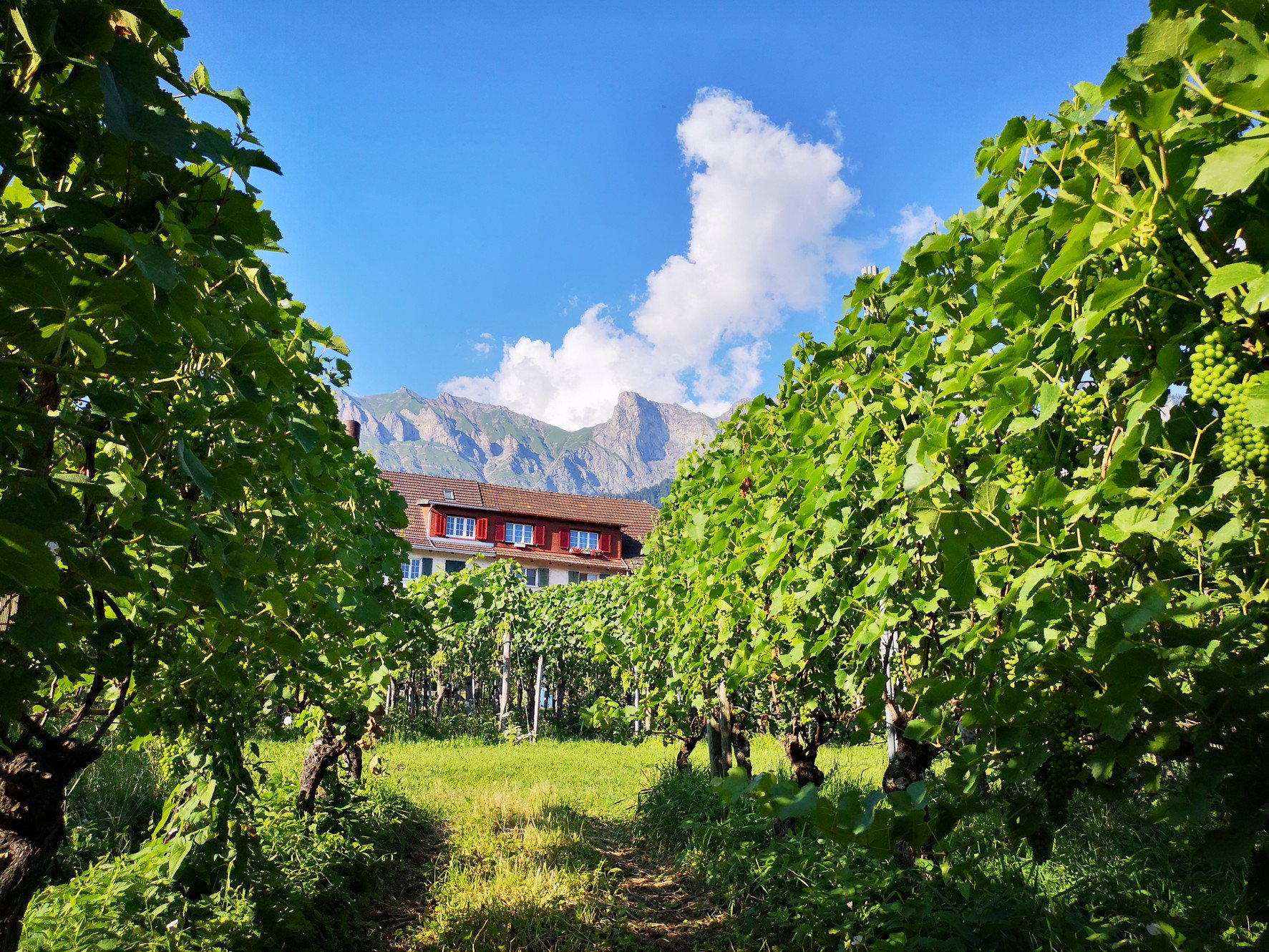

Bars in Maienfeld
Browse all →
Restaurants in Maienfeld
All restaurants in Maienfeld →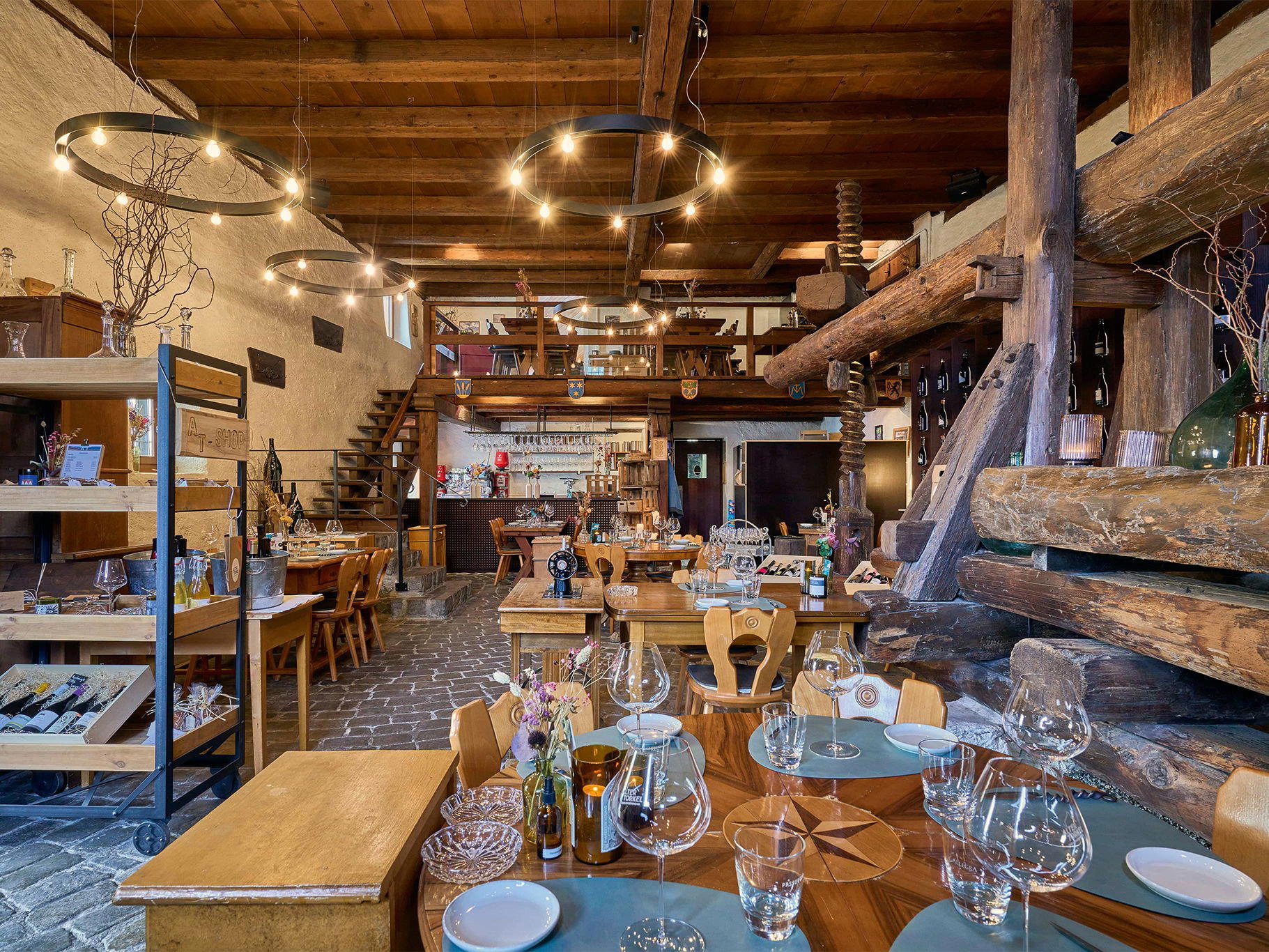
Details
- Rustic
- Scenic
- Cozy
- Classic
- Wine Education
- Group Outing
- Special Occasion
- Historic Building
- Terrace
- Vineyard Tour
- Vineyard
- Mountain
- Guided Tasting
- Wine Tasting With Snack
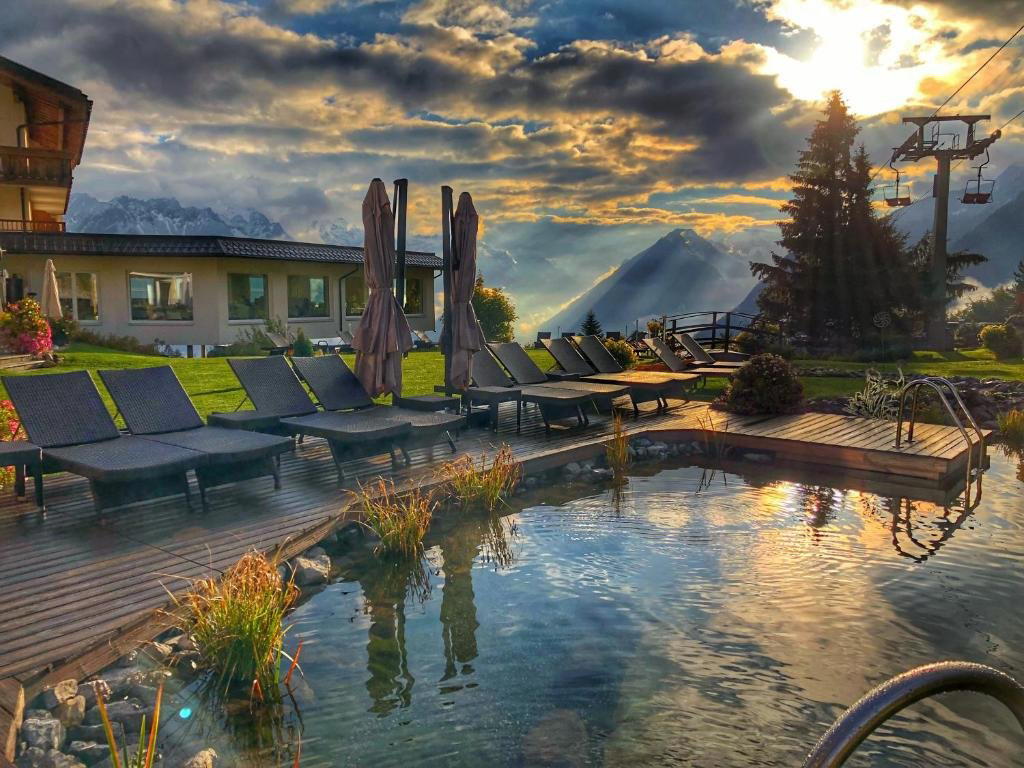
Rustic and vineyard-centered, with tastings offered in a rustic Weinstübli or under a vine-covered pergola; the production setting combines a modern cellar with a traditional wooden barrel cellar.