
Ahr Pinot Noir has always been a study in slope, slate and nerve, and Weingut H. J. Kreuzberg sits close to that tradition’s center of gravity in Dernau. Founded in 1953, the family-run estate works a small, fragmented holding across steep Devonian slate sites, with Spätburgunder carrying the argument from estate wines through reserve and auction bottlings.
Pearl is the En Primeur Club membership app — saves, bookings, and concierge access live there. Same editors, same standards.
- Address
- Dernau, Ahr, Rhineland-Palatinate, Deutschland
 Saves & bookings on Pearl
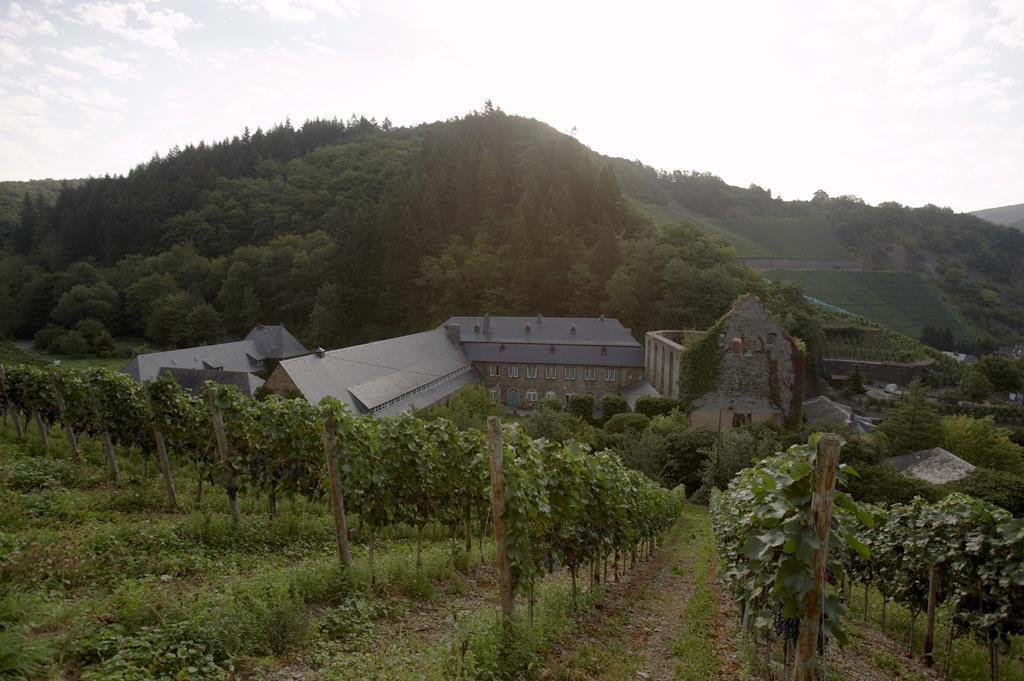
Approaching Weingut H. J. Kreuzberg in Dernau is best understood through its setting. The picture is not a page of precise production statistics or a menu-style tasting format; it is a traditional Ahr valley wine estate defined by steep slate slopes, a strong sense of terroir, and a cellar-door identity.
The useful starting point is the landscape. Dernau sits in the Ahr valley, where the drama of the slopes is central to the experience of visiting wine estates. At Weingut H. J. Kreuzberg, the confirmed character is that of a winegrowing address shaped by steep slate terrain and the practical culture of cellar-door sales. The setting is not incidental decoration; it is the main reason to understand the estate as a terroir-led destination.
Slate, slope and terroir define the Ahr argument
What can be said with confidence is that Weingut H. J. Kreuzberg belongs to the traditional winegrowing world of Dernau and the Ahr valley. The description emphasizes steep slate slopes and a terroir-minded setting. That matters because the strongest reason to visit is the connection between place and wine culture: the valley, the stone, the slope and the cellar-door context all frame the estate before any individual bottle is discussed.
Rather than presenting an invented technical profile, the more accurate way to place the winery is as a classic Dernau wine estate where the surrounding Ahr landscape is part of the draw. Visitors should treat any detailed current-release or tasting information as something to confirm directly with the winery.
The mood is also part of the profile. EP Club’s venue notes describe the estate as scenic, classic, rustic and something of a. Those are broad descriptors, but they are useful ones: this is not being framed here as a flashy hospitality complex or a restaurant-style destination. It is a wine estate whose appeal rests on the steep Ahr setting, the traditional winegrowing atmosphere and the practical cellar-door experience.
A rebuilt vinothek in a valley shaped by recovery
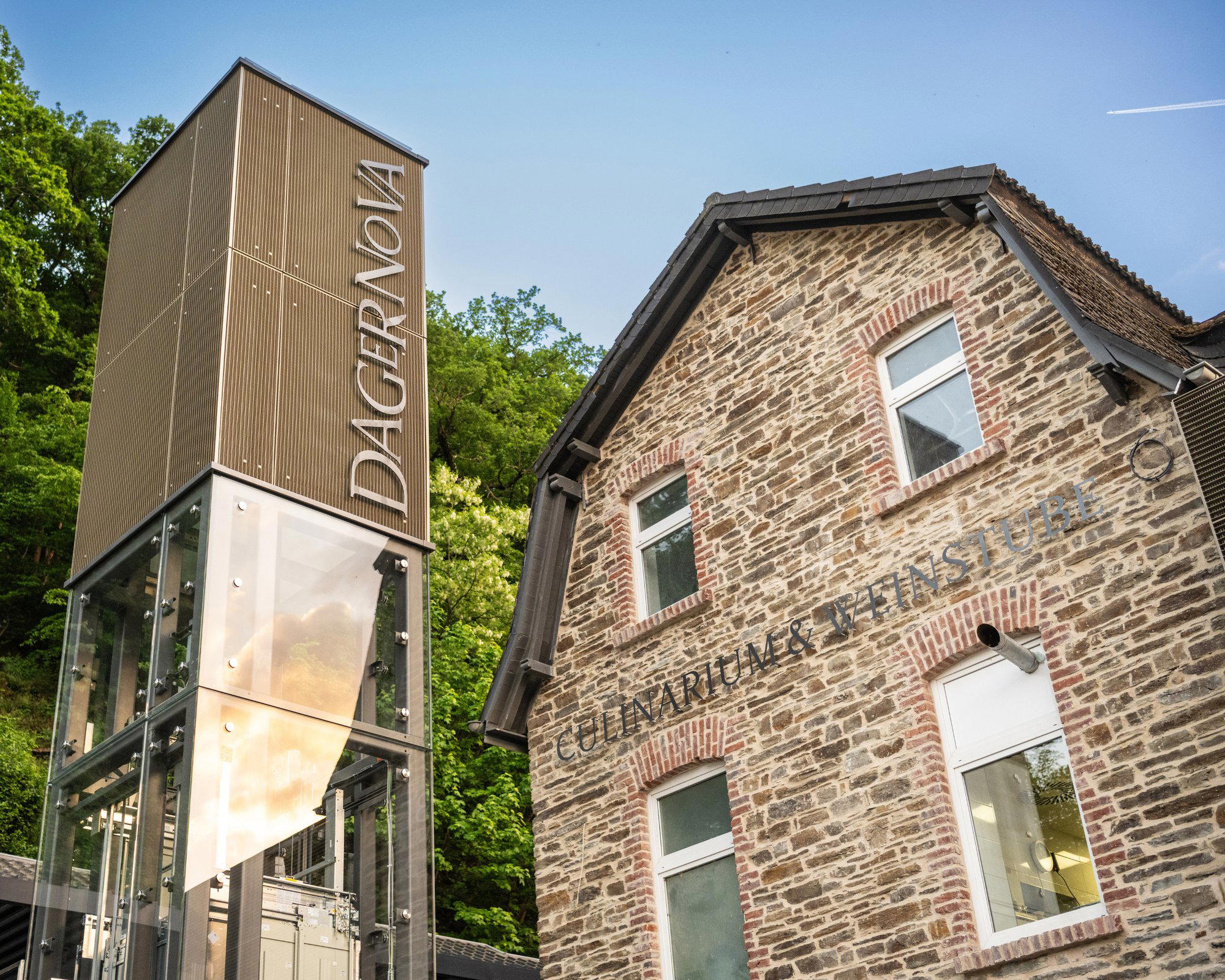
Among the more important details is that winery has a rebuilt or modernized vinothek and cellar-door sales after the flood. That recovery context is central to the contemporary visitor impression. The estate’s identity combines a traditional winegrowing setting with a renewed visitor-facing space, giving it a balance of continuity and rebuilding rather than a purely historic or purely modern feel.
The vinothek detail is worth keeping precise. The information supports a modernized cellar-door setting; it does not support claims about exact opening hours, appointment rules, walk-in policies, private tasting formats, tour availability, shipping, food service or specific hospitality packages. For planning, the safest editorial advice is simple: expect a wine-estate visit in Dernau and check the winery’s own current channels before relying on any operational detail.
That restraint is important for a premium guide. A venue can be compelling without a long list of unsupported specifics. In this case, the reliable story is already strong enough: a dramatic Ahr valley estate, steep slate slopes, a terroir-led winegrowing environment, and a rebuilt vinothek connected to cellar-door sales. The result is a grounded destination for readers who value setting and regional character over heavily packaged experiences.
How to place it in a Dernau wine itinerary
For a Dernau itinerary, the winery fits best as a wine-focused stop anchored in the valley itself. Build the visit around the scenery, the slope-side context and the chance to encounter a traditional estate with a refreshed cellar-door presence.
Price is listed as $$, which gives a general sense of positioning without implying a specific tasting fee, bottle price or package. That is the only pricing detail. Readers should avoid treating the price marker as a promise of any particular product, flight or experience. It is best read as a broad editorial shorthand rather than a current rate card.
In the wider Dernau context, the winery is distinctive through a combination of place and atmosphere: steep slate slopes, a dramatic Ahr valley backdrop, classic winegrowing character and a post-flood modernized vinothek. Those details are enough to explain why it belongs on a wine-oriented Dernau shortlist. The estate’s appeal is not an invented accolade, a claimed ranking or a detailed bottle-by-bottle program; it is the grounded experience of a traditional Ahr valley winery shaped by landscape, recovery and terroir.
Recognition history
Dated appearances from independent guides and award organizations, with the underlying list record or original source where available.
Falstaff Winery - 4 Stars
Falstaff
At a Glance
- Scenic
- Classic
- Rustic
- Wine Education
- Special Occasion
- Corporate Event
- Private Tasting
- Historic Building
- Vineyard Tour
- Vineyard
- Mountain
- Ahr
- Spätburgunder
- Frühburgunder
- Dornfelder
- Cabernet
- Portugieser
- Regent
- Still Red
- Walk In Tasting
- Appointment Tasting
Dramatic Ahr valley estate with steep slate slopes; a traditional winegrowing setting that emphasizes terroir, with a rebuilt/modernized vinothek and cellar-door sales after the flood.