
Falstaff Winery - Listed
A small Mosel family estate in Ürzig with more than 500 years of winegrowing behind it, Weingut H.C. Berres is built around steep-slope Riesling, old vines, and named sites including Ürziger Würzgarten, Ürziger Goldwingert, and Erdener Treppchen. The appeal is not flash; it is a quiet, site-led view of Mosel wine culture with guest-house hospitality and tasting formats oriented around education.

Pearl is the En Primeur Club membership app, where members save venues, book tables and use the concierge.

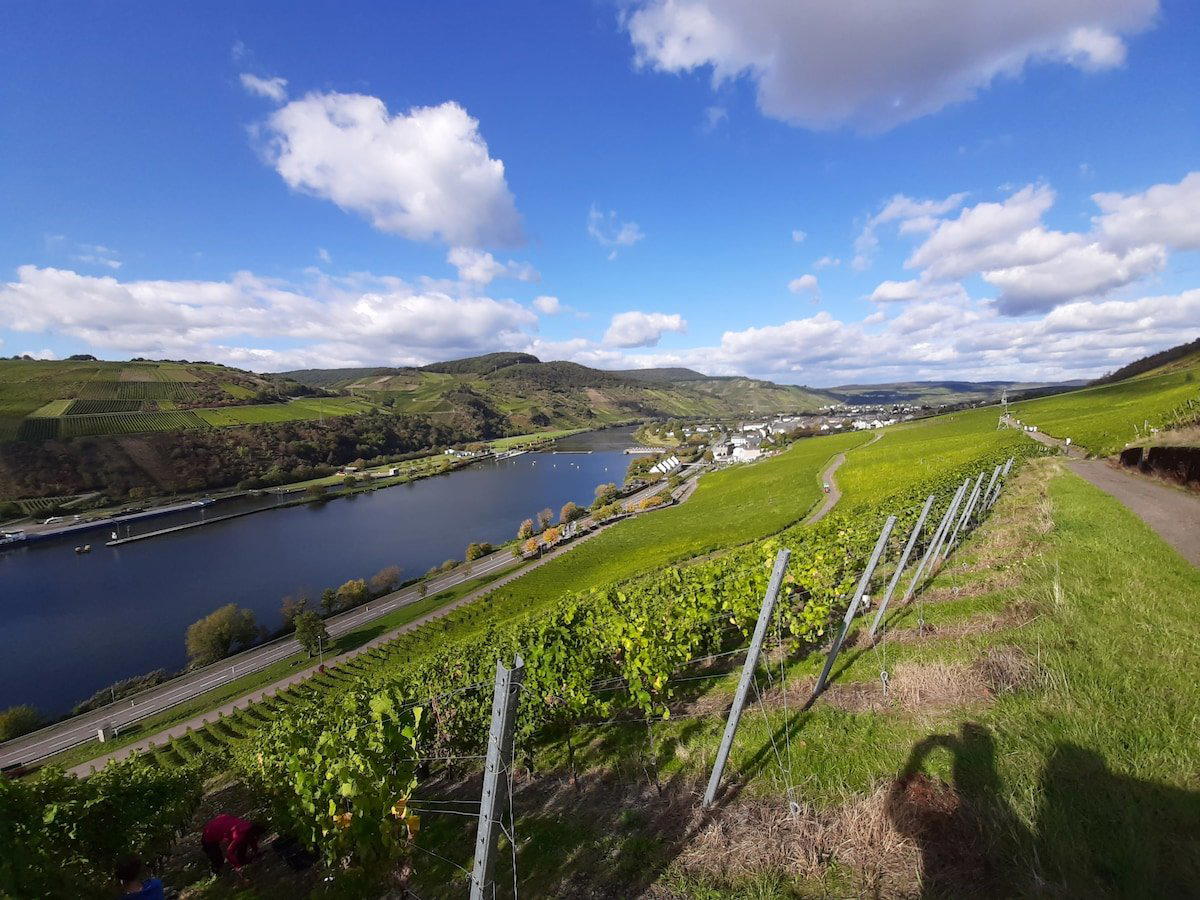
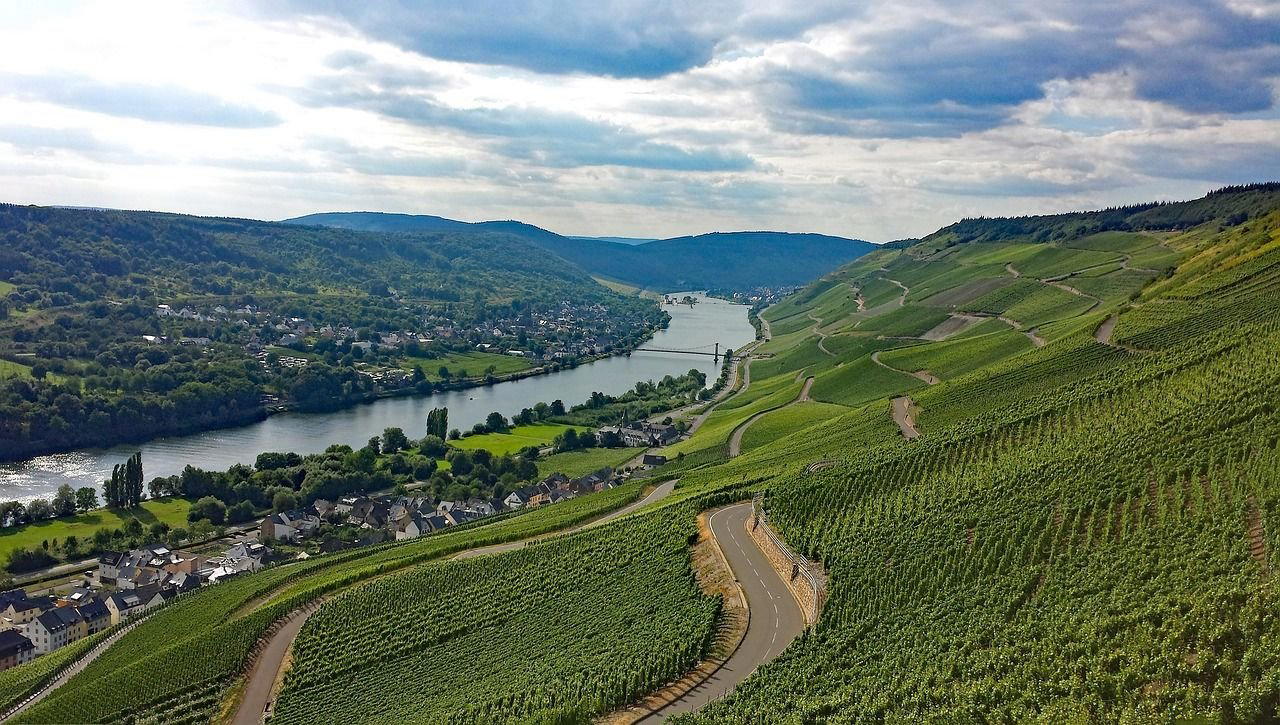
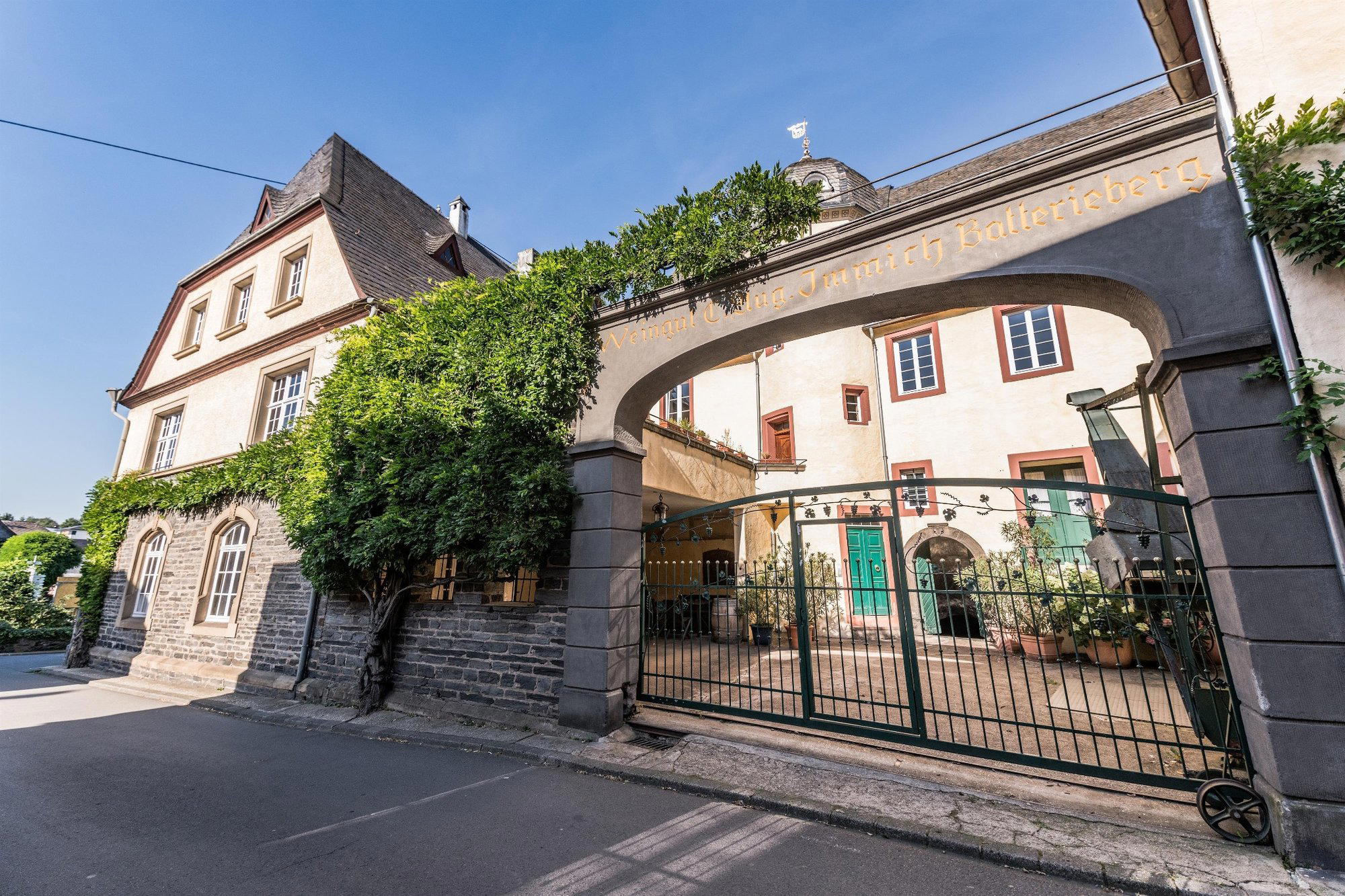
Urzig gives Weingut H.C. Berres a clear sense of place before any specific bottle or tasting detail comes into view. The picture is of a traditional family winery in a scenic Moselle village, with the surrounding landscape doing much of the work: quiet streets, a rustic village setting, and steep vineyard terrain that makes the region feel immediately tied to labor, slope, and weather. For travelers, the appeal is not a flashy destination but a classic Moselle stop where the context matters.
Berres as a place defined by unconfirmed menus, fixed tasting packages, awards, scores, grape lists, opening hours, or service formats. The reliable frame is simpler and more useful: it is a family winery in Urzig with a strong emphasis on long history, steep vineyard terroir, and hands-on production. That is enough to position it honestly for a wine-country itinerary without inventing details that should be checked directly with the estate.
Steep Urzig sites shape the house style
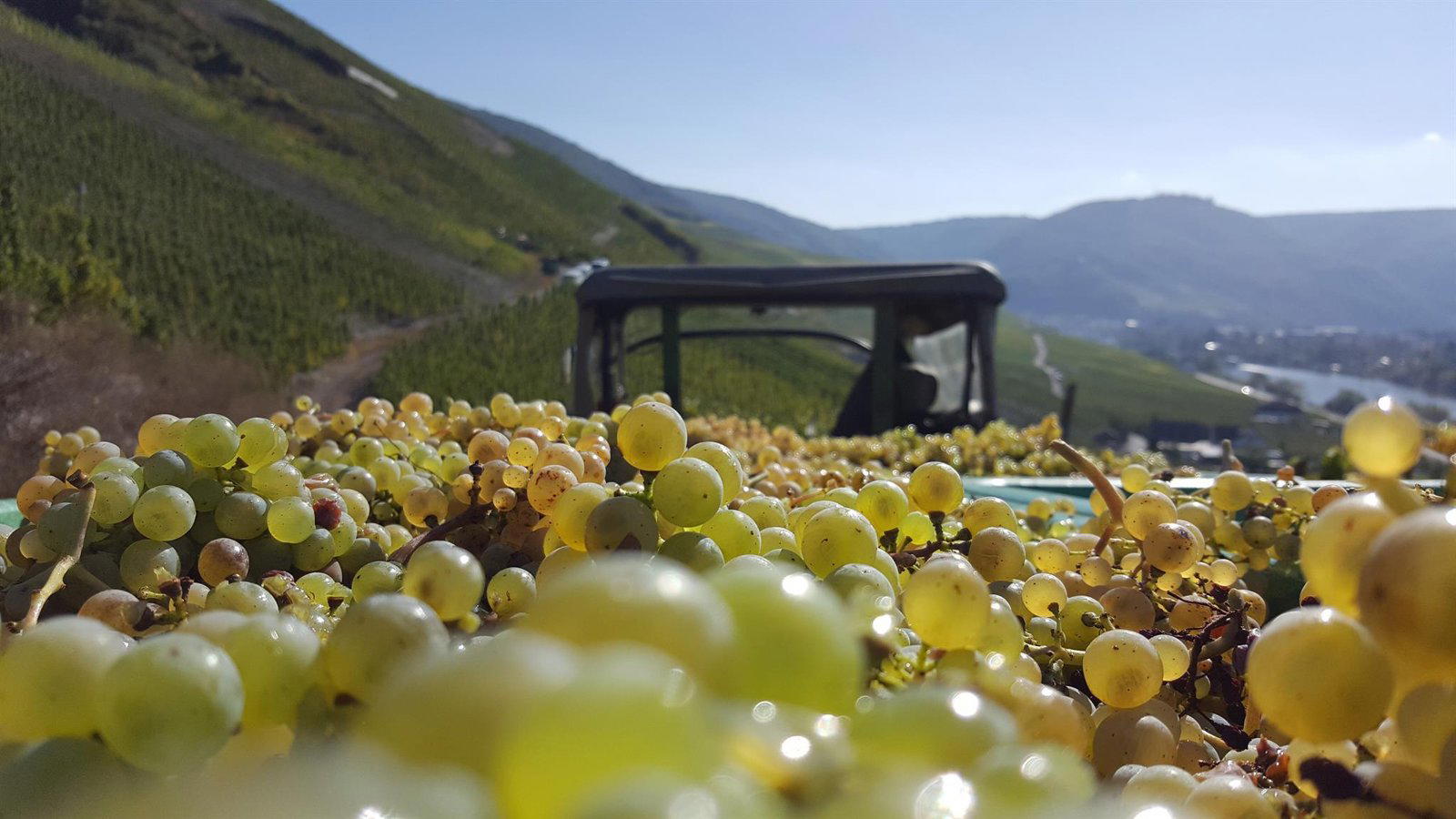
The most grounded way to understand Weingut H.C. Berres is through its Moselle setting. Steep vineyards are not just scenery in this part of the world; they shape how wine estates work, how visitors experience the landscape, and why the village has a quieter, more traditional feel than a destination built around spectacle. The description points to steep vineyard terroir and hands-on production, so the emphasis belongs on place, gradient, and craft rather than on unsupported claims about particular vineyard names or bottlings.
That matters for visitors because a winery like this is best approached with patience. The experience is likely to be most rewarding for people who want to understand why the Moselle’s hillsides have such cultural weight: the land is difficult, the setting is intimate, and the craft is associated with accumulated family knowledge. Without details on the exact range, grape varieties, or tasting structure, it is better to read the estate through its confirmed identity as a long-established, traditional family winery.
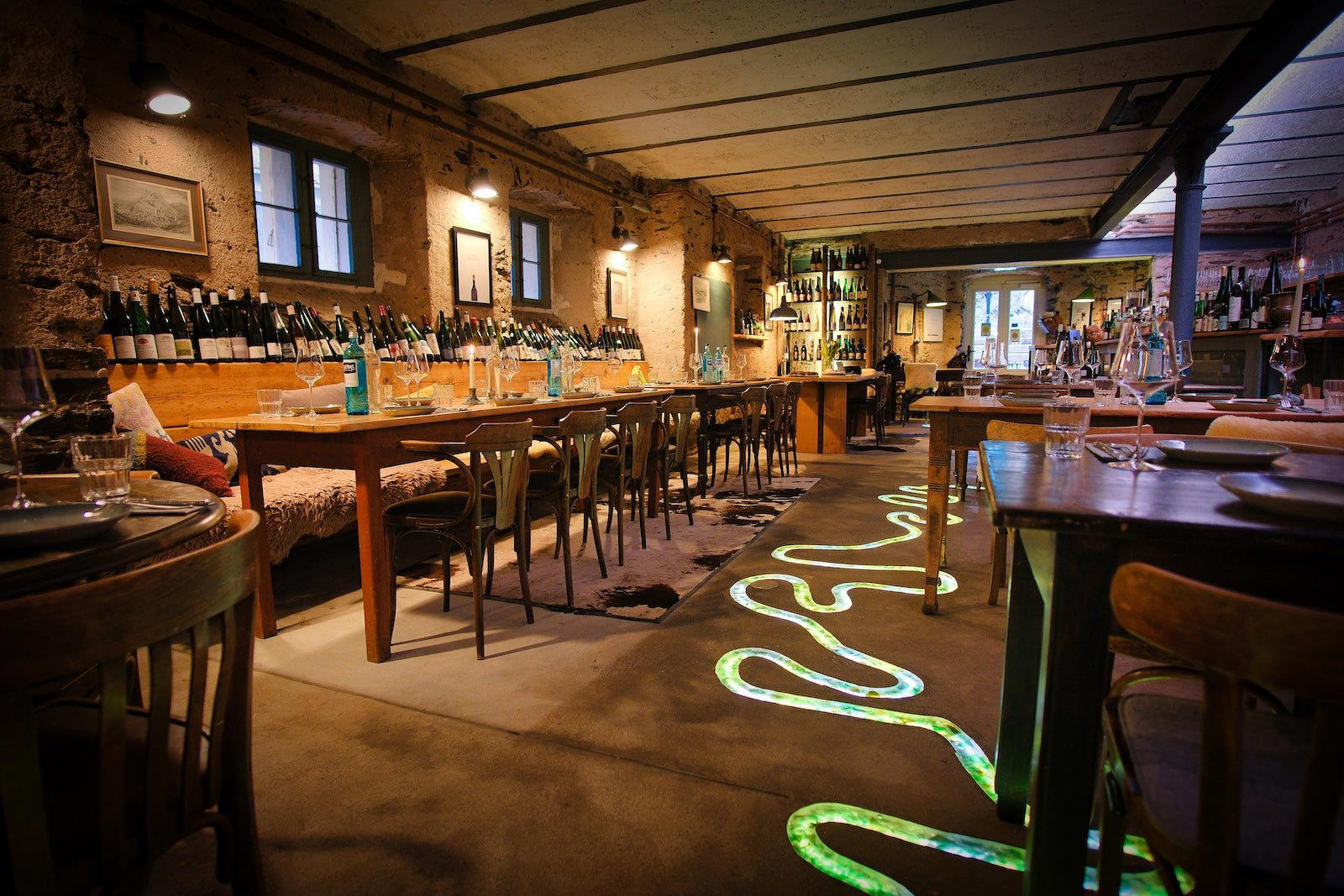
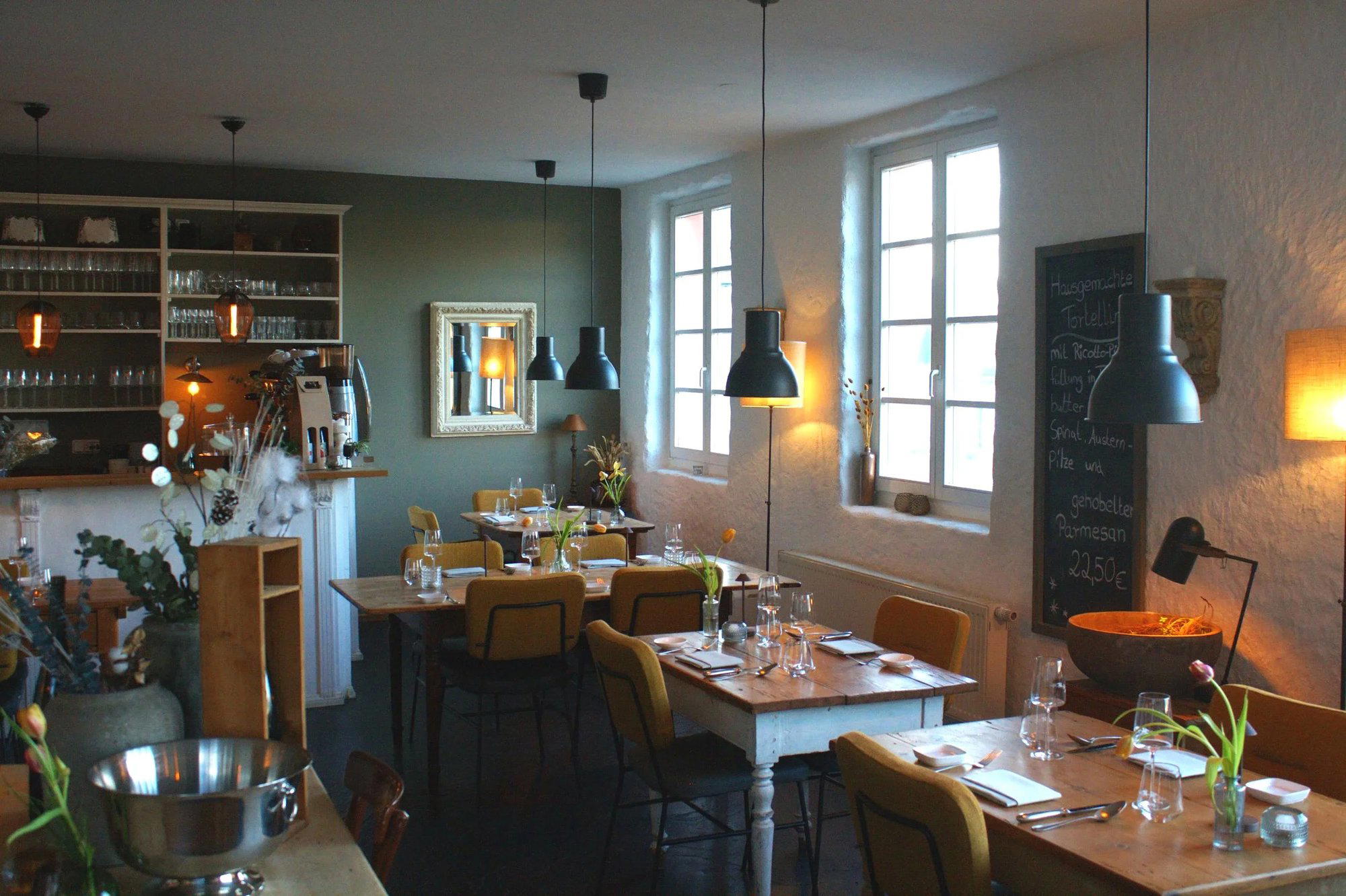
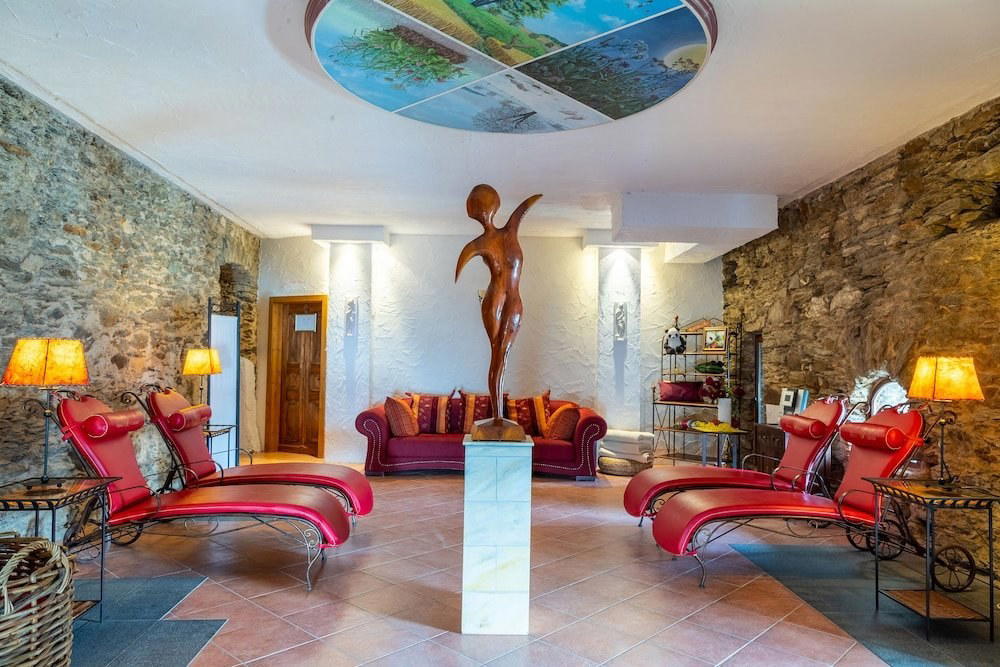
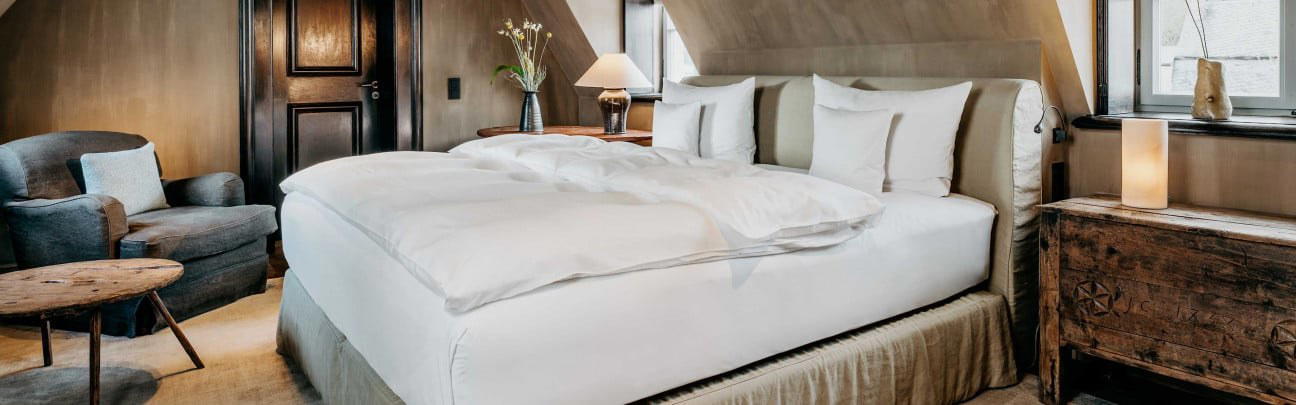
The mood is also part of the proposition. The atmosphere is scenic, quiet, classic, rustic, and cozy. Those words suggest a visit centered on the village and the winery’s sense of continuity, not on a high-design tasting room or a restaurant-style service model. If you are planning around specific wines, vintages, food pairings, or availability, confirm those details directly before relying on them.
A tasting format for learning the Moselle, not just buying bottles
The public facts available here do not verify a specific tasting format, appointment policy, bottle list, pairing, tour length, or guest-house arrangement. Rather than filling those gaps with assumptions, the useful planning advice is to treat Weingut H.C. Berres as a traditional winery visit where the strongest confirmed draw is the setting: a family producer in Urzig, rooted in long history and steep Moselle terroir.
That can still be valuable for travelers. The Moselle is a region where landscape and production are closely linked, and a stop at a family winery can help make that connection visible.
For planning, build in flexibility. Check current visiting arrangements, opening times, and any tasting options directly with the winery before making the trip. What can be said with confidence is that the cost level is listed as $$ and the atmosphere is best described as classic, rustic, cozy, scenic, and quiet.
Where it sits in a wider wine trip
The case for Weingut H.C. Berres is strongest for travelers who want a traditional Moselle village winery rather than a heavily programmed attraction. It fits a wine-country day built around Urzig’s landscape, with time to appreciate the village setting and the steep vineyard context that gives the area its character. The estate’s emphasis on long history and hands-on production makes it especially relevant for visitors who care about continuity and craft.
Keeping the focus on Weingut H.C. Berres is the more accurate approach: the important confirmed facts are the winery’s family character, its Moselle village setting, and its connection to steep vineyard terroir.
The editorial read is therefore clear: choose Weingut H.C. Berres for a quiet, classic, rustic view of the Moselle, not for claims about awards, scores, exact vineyards, bottle categories, or formal tasting programs. If those specifics matter to your visit, confirm them directly. On the record, the estate stands as a cozy traditional family winery in Urzig with a strong sense of place and a price level of $$.
Recognition history
Dated appearances from independent guides and award organizations, with the underlying list record or original source where available.
Falstaff Winery - Listed
Falstaff
Continue exploring
More in Urzig
Wineries in Urzig
All wineries in Urzig →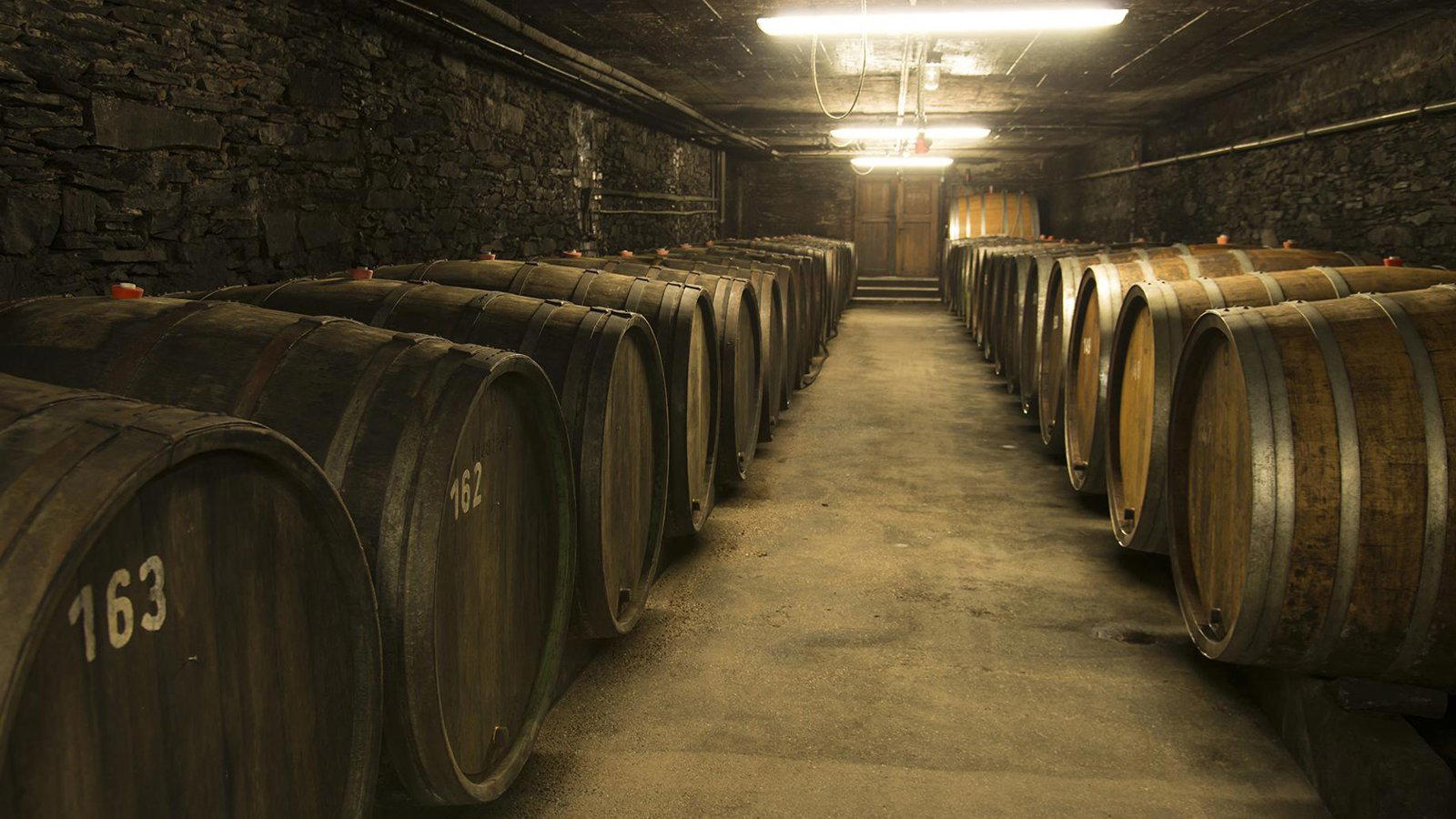
Details
- Scenic
- Quiet
- Classic
- Rustic
- Cozy
- Wine Education
- Special Occasion
- Group Outing
- Solo Exploration
- Private Tasting
- Historic Building
- Estate Grounds
- Vineyard
- Mountain
- Riesling
- Pinot Blanc
- White Burgundy
- Pinot Noir
- Sauvignon Blanc
- Still White
- Still Rosé
- Still Red
- Sparkling
- Guided Tasting
- Private Tasting
Traditional family winery in a scenic Moselle village, with a strong emphasis on long history, steep vineyard terroir, and hands-on production.