
A small family-run Burgenland winery shaped by the southern slopes of the Leithagebirge and the sunny Lake Neusiedl climate. The appeal is agricultural rather than theatrical: hand harvesting, herbicide avoidance, roughly 7 hectares of vines, and a broad range spanning Welschriesling, Grüner Veltliner, Zweigelt, Merlot, Syrah and Rathay.
Pearl is the En Primeur Club membership app — saves, bookings, and concierge access live there. Same editors, same standards.
- Address
- Purbach, Leithaberg, Burgenland, Österreich
 Saves & bookings on Pearl
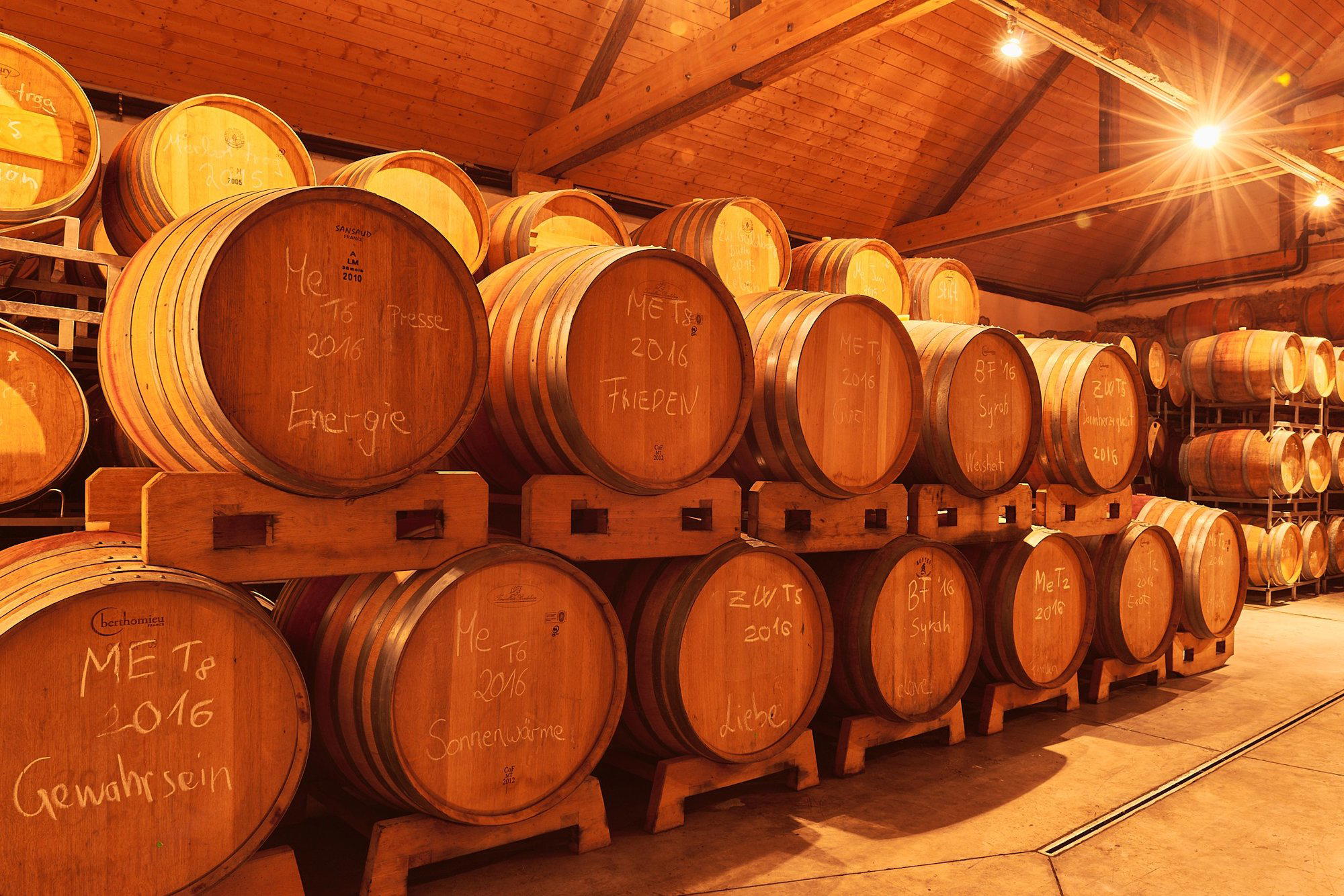
Weinbau Hafner & Tschank is a family-run winery in Purbach with a classic, rustic atmosphere and a scenic vineyard setting. The picture is intentionally simple: this is a hidden-gem address where the emphasis is on fruit-forward wines, sustainable viticulture, and the feeling of a traditional local winery rather than a polished, high-spectacle venue.
For visitors, that means the strongest reason to seek it out is context. Purbach is a wine town where the surrounding landscape matters, and Weinbau Hafner & Tschank fits that setting through its focus on vineyard work and approachable wines.
Fruit-forward wine in a traditional Purbach setting
The clearest theme at Weinbau Hafner & Tschank is fruit expression. Rather than presenting the winery as a destination for a particular variety, flagship bottle, or formal tasting menu, it is more accurate to describe it as a Purbach winery focused on fruit-forward wines shaped by a favorable vineyard environment. That makes it a useful stop for travelers who want a grounded local wine experience without needing the venue to carry an elaborate prestige narrative.
The atmosphere is also part of the draw. The description points to a classic, rustic, family-run winery in a scenic vineyard setting. Those cues matter because they set expectations correctly. This is not a page that can honestly promise a large hospitality complex, a chef-led food program, a private cellar tour, or an appointment-only experience. What can be said is that the venue belongs to the quieter side of wine travel: traditional, agricultural, and connected to its place.
Sustainable viticulture is another part of the identity. The available facts do not specify techniques, certifications, vineyard size, or farming rules, so those details should not be invented. Still, the sustainability focus is meaningful on its own. It signals that the winery’s public character is tied to vineyard responsibility as well as to the finished wines.
A Purbach visit built around vineyard character, not spectacle
Weinbau Hafner & Tschank is best approached as a scenic Purbach wine stop with modest, traditional appeal. The strongest fit is a visitor who values setting, local character, and a family-run atmosphere over luxury cues or heavily staged hospitality. The price level is listed as $, which supports the impression of an accessible venue rather than an expensive special-occasion format.
No confirmed public details are available here for exact hours, reservation requirements, tasting structure, food service, delivery, take-out, dietary accommodations, or a specific menu. Travelers should therefore avoid building an itinerary around assumptions. The safest description is a traditional winery experience in Purbach, with a focus on fruit-forward wine and sustainable viticulture.
For a wider day in town, compare Weinbau Hafner & Tschank with other dining and wine options in Purbach generically rather than treating it as the only expression of the local scene. Its particular strength is the combination of rustic atmosphere, scenic surroundings, family-run identity, and a hidden-gem feel. Those qualities make it appealing for visitors who prefer understated regional character to a venue defined by rankings, awards, or elaborate service claims.
How to read the portfolio
The portfolio description is broad rather than technical: Weinbau Hafner & Tschank focuses on fruit-forward wines. That wording should be taken at face value. It does not confirm a list of grape varieties, a specific cellar method, a named flagship, vintage details, or a formal tasting sequence. Readers looking for those particulars should verify them directly before visiting or purchasing.
What can be said is that fruit-forwardness pairs naturally with the venue’s overall identity. In a climatically favored vineyard setting, a traditional family-run winery can place the emphasis on clear, accessible wine character rather than on performance or luxury. That is the honest appeal here: a rustic Purbach address where the landscape, the farming outlook, and the family winery atmosphere are central to the experience.
In editorial terms, Weinbau Hafner & Tschank should be framed with restraint. Its confirmed strengths are not a documented award record, a famous chef, a detailed cuisine, a cellar size, or a hospitality format. They are simpler: Purbach, $, sustainable viticulture, fruit-forward wines, scenic vineyard surroundings, and a classic family-run feel. For many wine travelers, that may be enough.
Recognition history
Dated appearances from independent guides and award organizations, with the underlying list record or original source where available.
Falstaff Winery - Listed
Falstaff
Continue exploring
More in Purbach
At a Glance
- Classic
- Rustic
- Scenic
- Solo Exploration
- Group Outing
- Special Occasion
- Estate Grounds
- Vineyard Tour
- Sustainable
- Vineyard
- Neusiedlersee
- Welschriesling
- Grüner Veltliner
- Zweigelt
- Merlot
- Syrah
- Rathay
- Still White
- Still Red
- Tasting Room
Traditional family-run winery atmosphere in a climatically favored vineyard setting, with a focus on fruit-forward wines and sustainable viticulture.