Weatherborne Wine
Weatherborne Wine operates out of Philo, in the heart of Anderson Valley, where the coastal fog and cool Boonville air shape Burgundian varieties with unusual precision. For visitors exploring Mendocino County's wine corridor, Weatherborne represents a considered stop on the Philo School Road stretch.

Pearl is the En Primeur Club membership app — saves, bookings, and concierge access live there. Same editors, same standards.
- Address
- 8750 Philo School Rd, Philo, CA 95466
- Phone
- (707) 684-5299
- Website
- weatherborne.com
- Directions
- Get directions
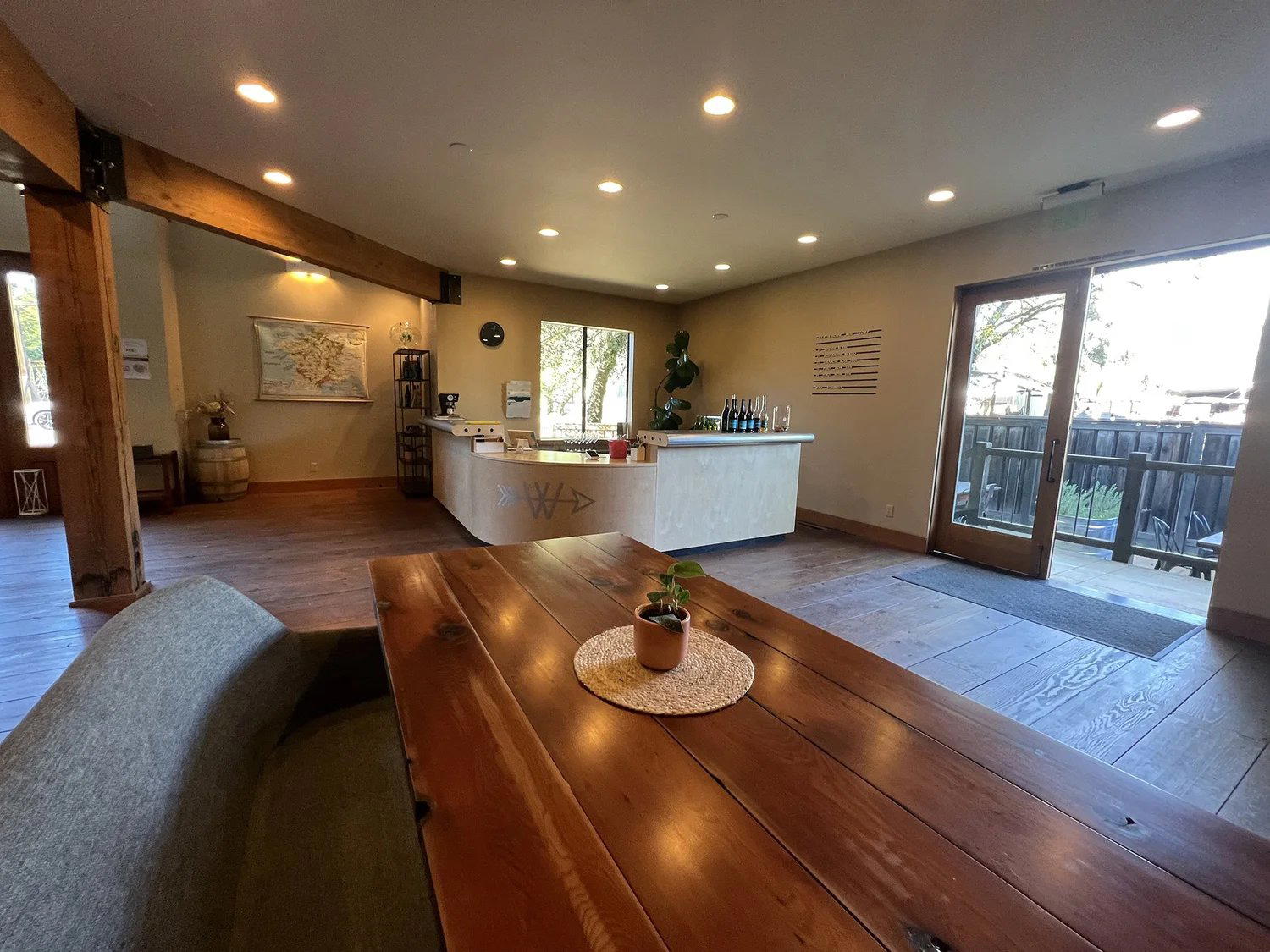
Anderson Valley, Philo School Road, and the Producers Who Work Here
There is a particular quality of light in Anderson Valley in autumn, when the fog burns off by mid-morning and the ridgeline oaks turn amber against the redwood corridor. Philo School Road, which cuts through the valley's cooler inland arc, has become one of the more concentrated addresses for serious wine production in Northern California. The proximity to the Pacific, roughly 25 miles as the crow flies, creates growing conditions that track closer to coastal Burgundy than to Napa — cold nights, slow ripening, and a harvest window that demands patience. It is in this context that Weatherborne Wine operates, at 8750 Philo School Rd, a location that speaks to the regional logic before you've tasted a single glass.
Anderson Valley's rise as a premium wine address happened over decades, not seasons. The region built its reputation on cool-climate Pinot Noir and Alsatian varieties when both were still considered risky propositions for California growers. Producers like Roederer Estate helped establish early credibility, demonstrating that the valley's diurnal temperature swings could produce structured, age-worthy wines in a state otherwise associated with opulent, sun-driven fruit. That foundation made the valley attractive to a second and third generation of smaller, more focused producers — the cohort that now defines the area's premium tier and into which Weatherborne squarely fits.
It signals a level of consistency and production discipline that goes beyond single-vintage achievement.
For context, prestige-tier designations in California's smaller appellations tend to align with producers who make deliberate choices about yield, sourcing, and format, decisions that prioritize quality signals over volume. Across California, similar positioning is evident at producers like Accendo Cellars in St. Helena and Alpha Omega Winery in Rutherford, where the 2 Star Prestige tier reflects a focused, allocation-conscious approach. Weatherborne's recognition places it in this company, operating at the upper end of a niche appellation rather than seeking broad commercial distribution.
Place as the Primary Argument
The editorial case for Weatherborne Wine begins and ends with geography. Anderson Valley is not a generic California wine address. The valley runs roughly northwest-to-southeast, funneling marine air from the Pacific through a relatively narrow corridor, and the Philo stretch occupies a zone where that influence is most pronounced. Grapes harvested here carry a different acid structure and a different aromatic register than those grown thirty miles inland, and winemakers working in this part of Mendocino County have structured their entire production logic around that fact.
This is the same regional argument that draws attention to producers across California's cooler appellations. Adelaida Vineyards in Paso Robles makes a comparable case for its west-side limestone terroir, while Adelsheim Vineyard in Newberg builds its identity around the specific elevation and rainfall patterns of the Chehalem Mountains. In each case, the producer's identity is inseparable from a physical place. Weatherborne's address on Philo School Road is not incidental, it is the primary argument.
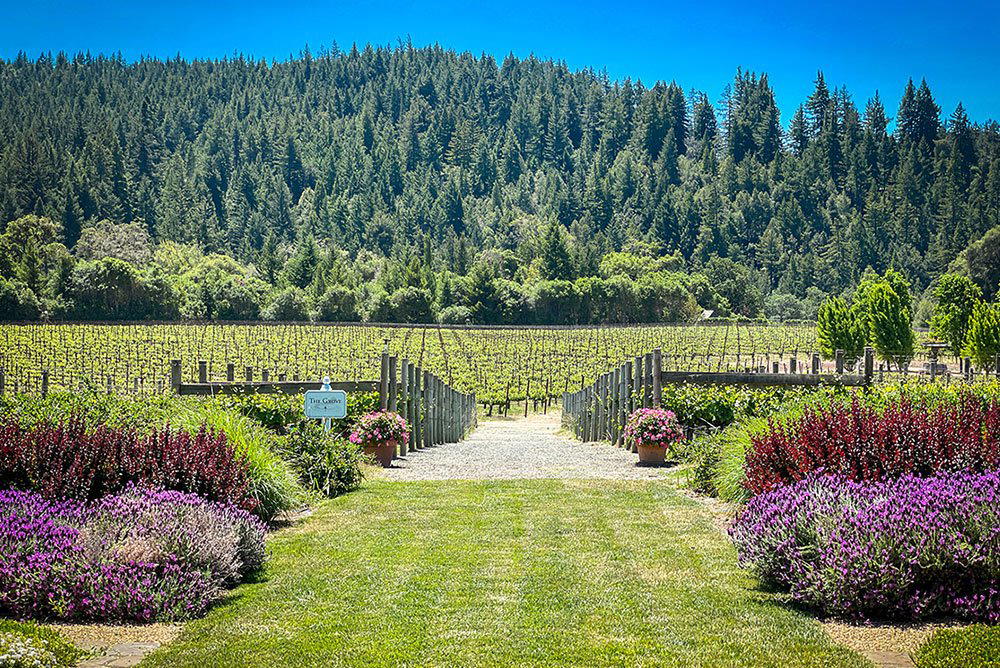
For visitors approaching from Highway 128, the valley reveals itself gradually: vineyards appearing in clearings between redwood stands, small tasting rooms set back from gravel drives, the road narrowing as it moves deeper into the appellation. This is not a wine region designed for high-volume tourism, which is precisely what makes it coherent. The producers who work here have chosen a more demanding path, and the experience of visiting reflects that orientation.
Anderson Valley in the Broader California Context
California wine production is enormous in scale and diverse in quality tier, but Anderson Valley represents one of the clearest examples of a region that has deliberately narrowed its focus. While Alexander Valley Vineyards in Geyserville operates across a broader stylistic range in a warmer appellation, and Alban Vineyards in Arroyo Grande has staked its identity on Rhône varieties in an entirely different coastal register, Anderson Valley producers have converged around a relatively tight set of grape varieties suited to cool conditions. That convergence gives the valley a legibility that larger, more heterogeneous appellations sometimes lack.
Within that framework, the Philo School Road corridor has attracted producers who share a preference for lower-intervention winemaking and site-specific sourcing. This is a pattern visible in other premium small appellations internationally, compare the focus in the Anderson Valley corridor to the deliberate narrowness of producers in Santa Barbara's Sta. Rita Hills, or to the tight varietal focus of Andrew Murray Vineyards in Los Olivos. The logic is the same: a defined place, a defined set of varieties, and a production approach calibrated to both.
Visiting and Planning
Weatherborne Wine's address at 8750 Philo School Rd places it in the core of the Anderson Valley appellation, accessible via Highway 128 from Boonville to the southeast or Navarro to the northwest. The valley is approximately three hours north of San Francisco, making it a two-night minimum to justify the journey, one night to arrive and settle, one full day in the valley, and a morning departure that doesn't feel rushed. The region rewards visitors who approach it as an extended stay rather than a day trip from the Bay Area.
Given that does not currently list booking contact details or tasting hours for Weatherborne, the practical approach is to cross-reference the full Philo guide for current logistics, or to plan the visit alongside known neighbours on Philo School Road. The valley's small producer community means that many wineries operate by appointment, and confirming access in advance is standard practice across the appellation. Arriving without a reservation, particularly during the harvest season from late September through October, is not advisable. For additional context on how other prestige-tier producers across the international wine landscape approach visitor access, the EP Club profiles for Aberlour in Aberlour and Achaia Clauss in Patras offer useful comparative reference points on how heritage producers structure their hospitality models.
The valley itself is most compelling from late spring through harvest. Summer mornings bring dense fog that clears by noon, keeping temperatures moderate even as inland California swelters. Autumn is the most visited period, but the combination of active harvest operations and concentrated tourist traffic means that spring offers a more considered visit: the vines are in growth, the roads are quieter, and the winemakers are more accessible.
Comparable Venues
Comparable venues nearby, for context on price, style, and recognition.
| Venue | Cuisine | Price | Awards | Notes |
|---|---|---|---|---|
| Weatherborne WineThis venue — the venue you are viewing | Pinot Noir, Grenache | Not listed | Not listed | Not listed |
| Knez Winery | Pinot Noir | Not listed | Not listed | Anderson Valley |
| Roederer Estate | Pinot Noir, Chardonnay | $30–50 | Falstaff Winery - Listed | Anderson Valley |
| Wentworth Vineyard & Ranch | Pinot Noir, Chardonnay | Not listed | Not listed | Philo |
| Toulouse Vineyards | Pinot Noir, Pinot Gris | $20–30 | Not listed | Philo |
| Lula Cellars | Pinot Noir, Chardonnay | Not listed | Not listed | Philo |

Details
- Rustic
- Intimate
- Cozy
- Solo Exploration
- Wine Education
- Estate Grounds
- Terrace
- Organic
- Pinot Noir
- Grenache
- Chenin Blanc
- Still Red
- Patio Tasting
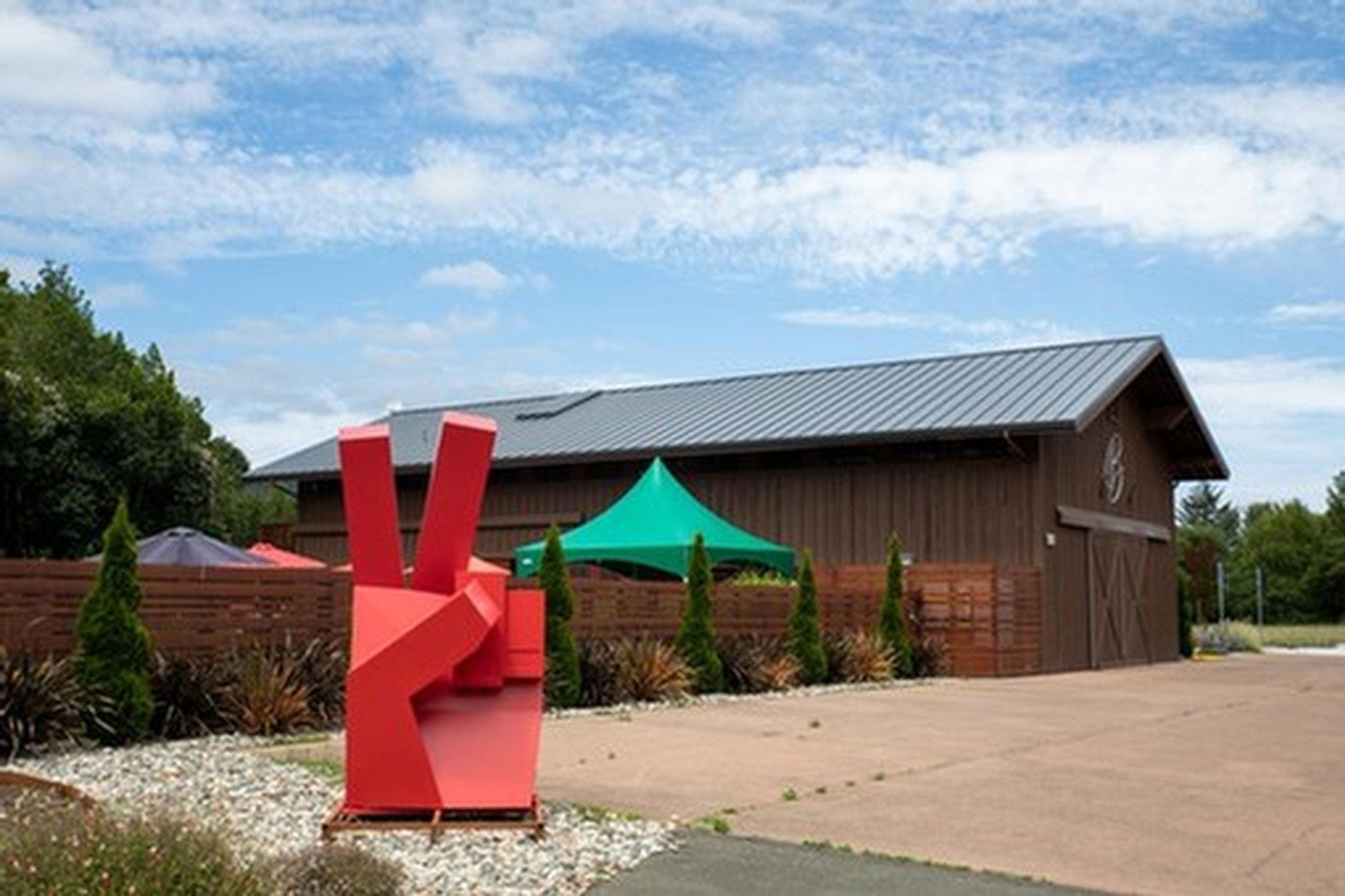
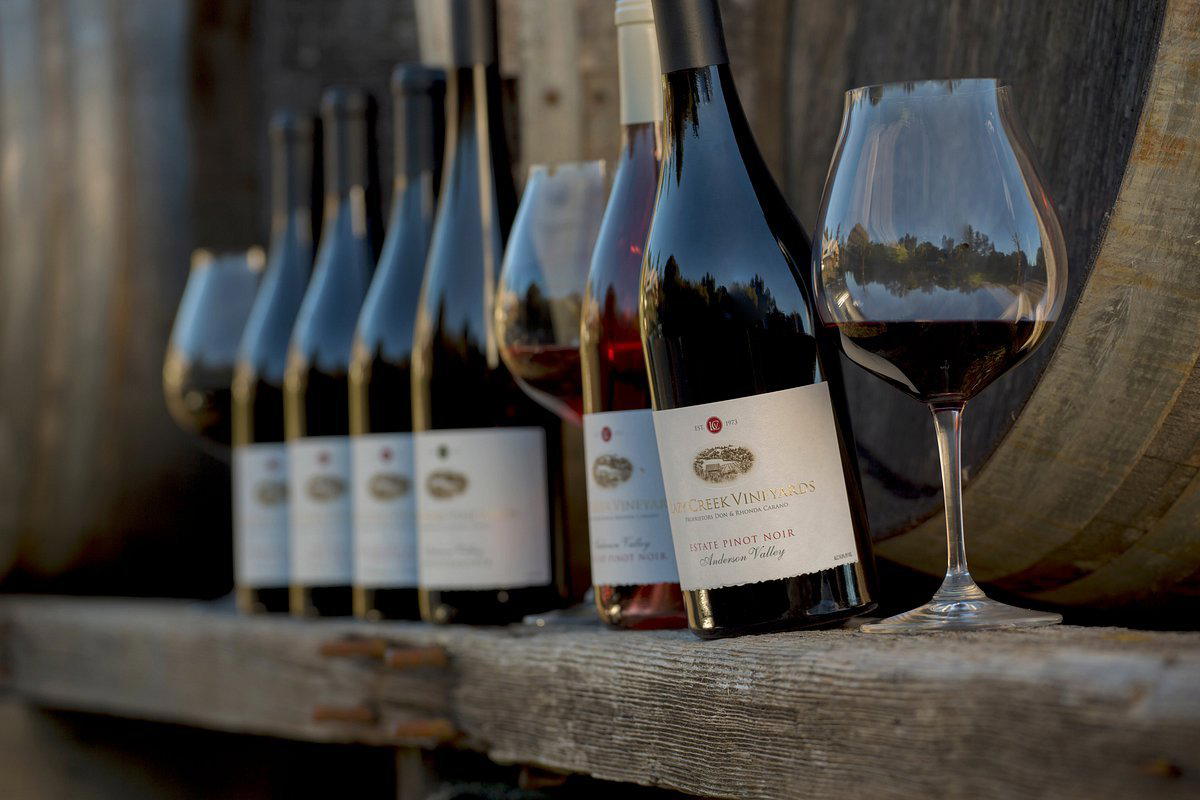
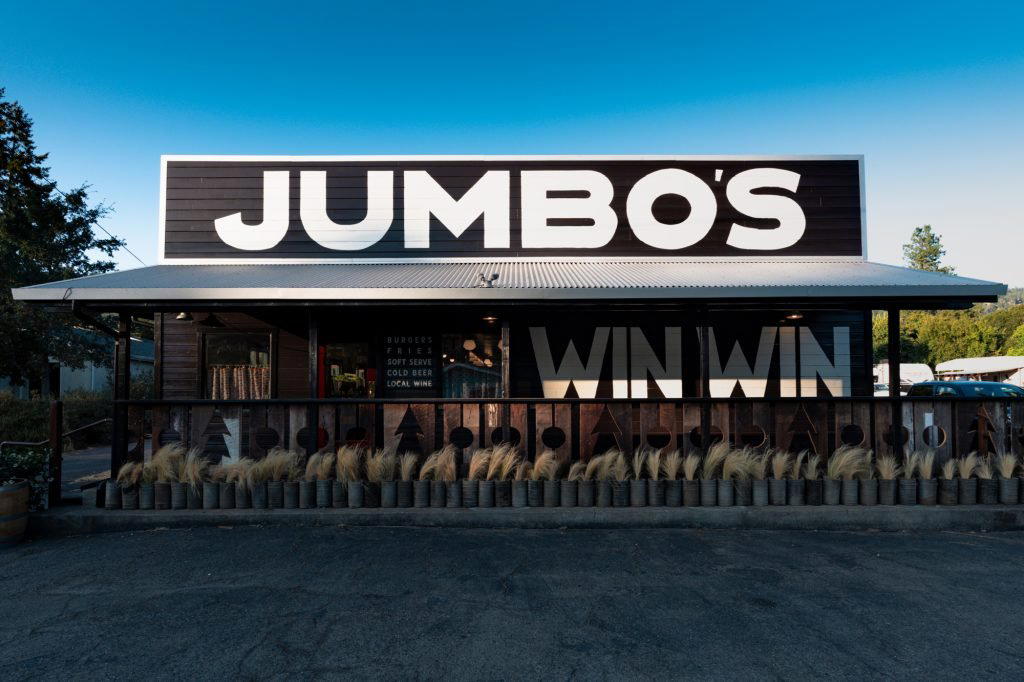
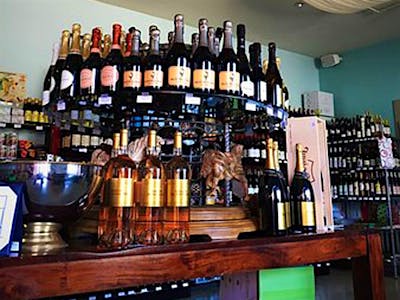
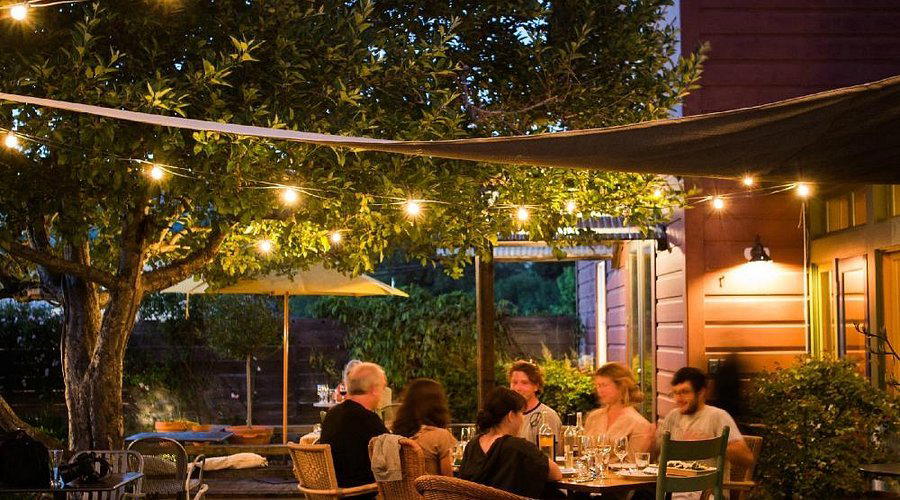
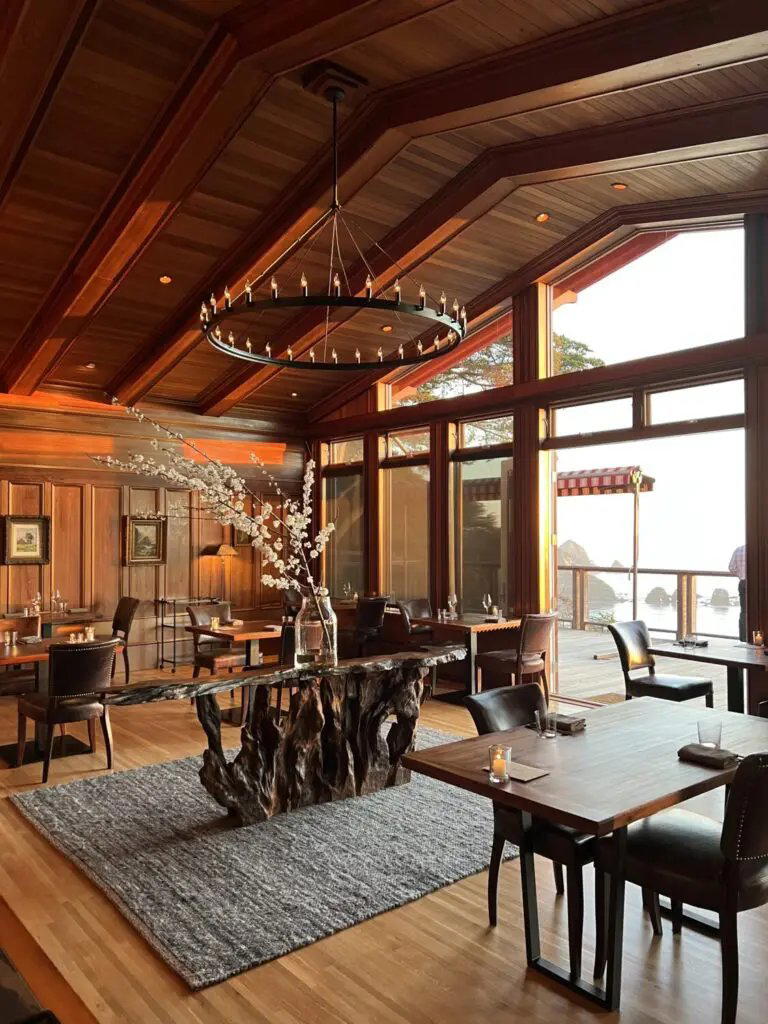
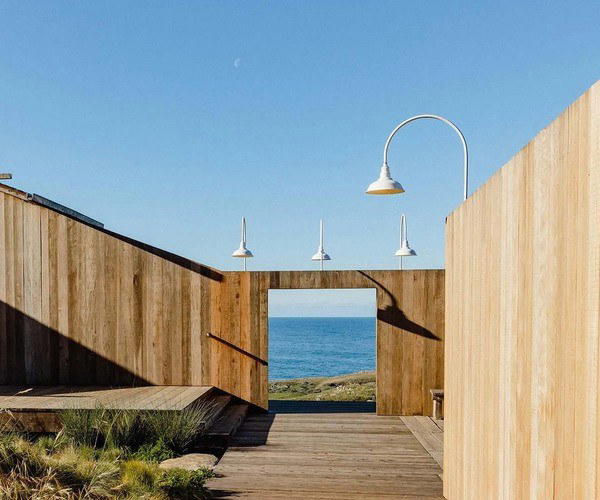
Old fashioned, lively service in a beautiful tasting room at a historic lumber mill with weather-protected patio seating.