
Walter Scott Wines in the Eola-Amity Hills of Oregon’s Willamette Valley produces site-reflective, low-intervention Pinot Noir and Chardonnay. The cellar-led program—helmed by winemaker Ken Pahlow—focuses on indigenous fermentations, small two-ton lots and restrained French oak. Signature bottlings include Cuvee Ruth Pinot Noir, Koosah Vineyard Pinot Noir and Combe Verte Chardonnay. A Certificate of Excellence and placements in specialist auctions affirm its collector appeal. Tastings are intimate, appointment-only cellar sessions that reveal bright red fruit, saline minerality and measured oak: precise tannins, citrus-laced lees and a persistent, cool-climate finish. Reservations are essential for these limited, allocation-driven experiences.
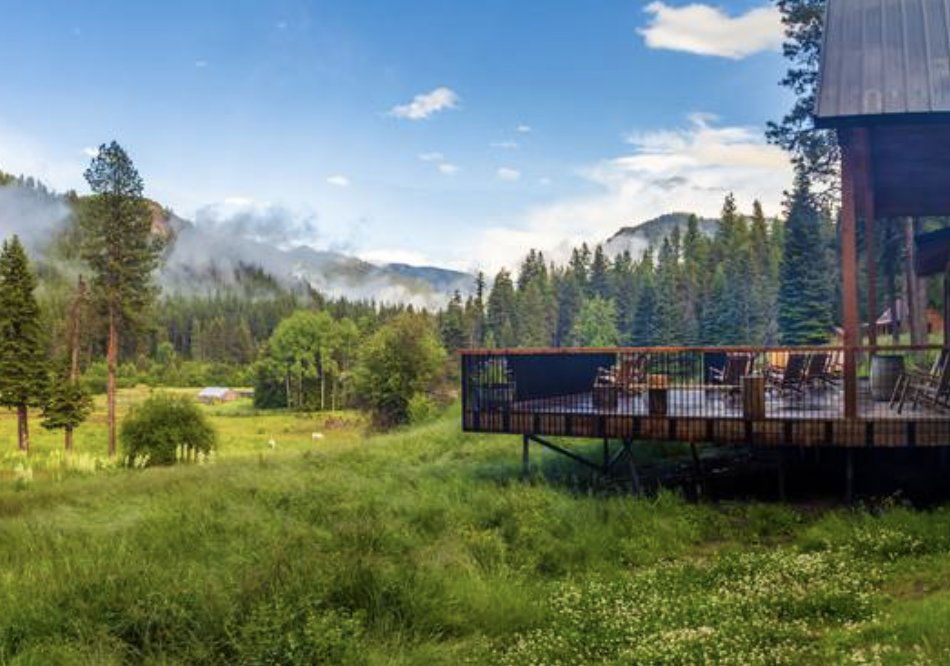
Walter Scott Wines stands as a focused expression of Eola-Amity Hills terroir at the heart of Oregon’s Willamette Valley. Walter Scott Wines greets guests in an understated cellar environment where vines, vintage and method dictate the narrative. The air carries cool marine lift from nearby Pacific influences; on palate this translates to lifted cranberry, citrus pith, crushed basalt minerality and a tensile backbone. Early picking, low-intervention cellar work and site-specific sourcing shape wines that read as precise, ageworthy and immediate. Visitors arrive for conversation as much as tasting: the first pour frames soil, slope and season in every glass.
The winery was established in 2008 and is led in the cellar by winemaker Ken Pahlow, whose career in Oregon viticulture informs a restrained, detail-oriented approach. Walter Scott Wines emphasizes clean, correct wines—whole-cluster pressing and indigenous yeast fermentations for Chardonnay, and mostly de-stemmed, small-lot Pinot Noir fermentations with occasional whole-cluster inclusion. Production choices—two-ton lots, measured pump-overs and gentle pigeage—are calibrated to preserve texture while allowing site expression. The label’s relationship with certified organic Temperance Hill and other sustainably farmed vineyards underpins a stewardship ethic; the winery also holds a Certificate of Excellence from the Wine International Association, signaling peer recognition and trade credibility. These elements position Walter Scott Wines as a boutique producer valued by sommeliers, collectors and Willamette Valley aficionados.
Signature releases chart the producer’s commitment to place and vintage. The Cuvee Ruth Pinot Noir (recent vintages released in the $59–$90 band) showcases high-toned red fruit, floral lift and a stony mid-palate, aged in 30–40% new French oak for 10–15 months depending on vineyard selection. Koosah Vineyard Pinot Noir carries greater structure and layered tannins, reflecting cooler sites and meticulous whole-berry handling; it sits at the upper end of allocations and is a collectible single-vineyard expression. The Sojeau Vineyard bottling delivers silk and depth from concentrated ripeness and precise oak integration. On the white side, Combe Verte Chardonnay undergoes whole-cluster pressing, barrel fermentation with indigenous yeasts and 11 months on lees with 100% malolactic fermentation and roughly 40% new French oak, resulting in bright citrus, lees creaminess and a saline undercurrent. Limited releases, occasional barrel tastings and larger-format allocations appear across the year, most often reserved for mailing-list members and trade partners. Transparency around vineyard source, vintage and cellar regimen is central: label notes specify vineyard, fermentation and barrel regime to aid collector decisions.
The tasting experience at Walter Scott Wines is intentionally intimate and educational. Tastings take place by appointment in a restrained cellar setting where the focus remains on glass-to-glass comparison and conversation with either Ken Pahlow or the cellar team. The facility favors function over fanfare—barrel rooms and a compact tasting bench rather than elaborate hospitality spaces—so guests can taste barrel samples, verticals and single-vineyard flights when available. There are no permanent on-site restaurants or large event lawns; instead, the winery leans into private, appointment-only access, occasional barrel tastings during the cellar season and curated tasting appointments that accommodate collectors, industry professionals and serious consumers.
Best times to visit are during the late spring through early fall, when cellar activity and vineyards are most visually instructive; harvest windows (September–October) may offer special booking opportunities but require advance planning. Tastings are strictly by appointment—reserve at least two weeks ahead—and select experiences may be limited to mailing-list members or allocation customers. Expect focused flights, barrel samples in season and conversations about farming practice and ageability.
For visitors who prize terroir clarity and a direct dialogue with production, Walter Scott Wines delivers a precisely calibrated Willamette Valley experience. Book an appointment to taste Cuvee Ruth, Koosah Vineyard and Combe Verte alongside winemaker Ken Pahlow and discover why collectors and sommeliers return for the winery’s measured, mineral-driven Pinots and Chardonnays.
Access the Cellar?
Our members enjoy exclusive access to private tastings and priority allocations from the world's most sought-after producers.
Access the Concierge