
Falstaff Winery - Listed
Tenuta La Cà gives Bardolino wine tourism a contemporary, land-led reading: organic farming, gravity-fed handling, and a compact 15-hectare estate in the morainic hills near Lake Garda. The appeal is less trophy-cellar prestige than a calm guided tasting format, broad Veneto grape range, and a design-conscious family operation shaped by Pietro and Aldo Giambenini.

Pearl is the En Primeur Club membership app, where members save venues, book tables and use the concierge.
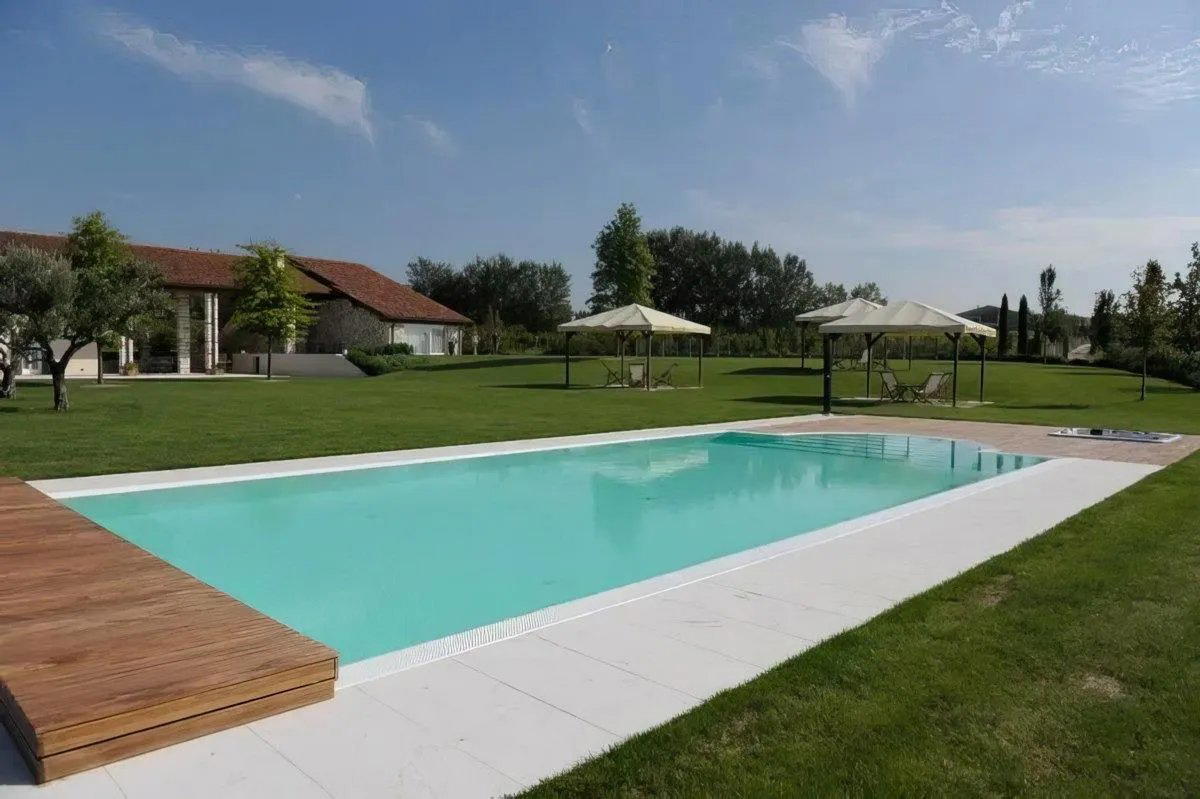
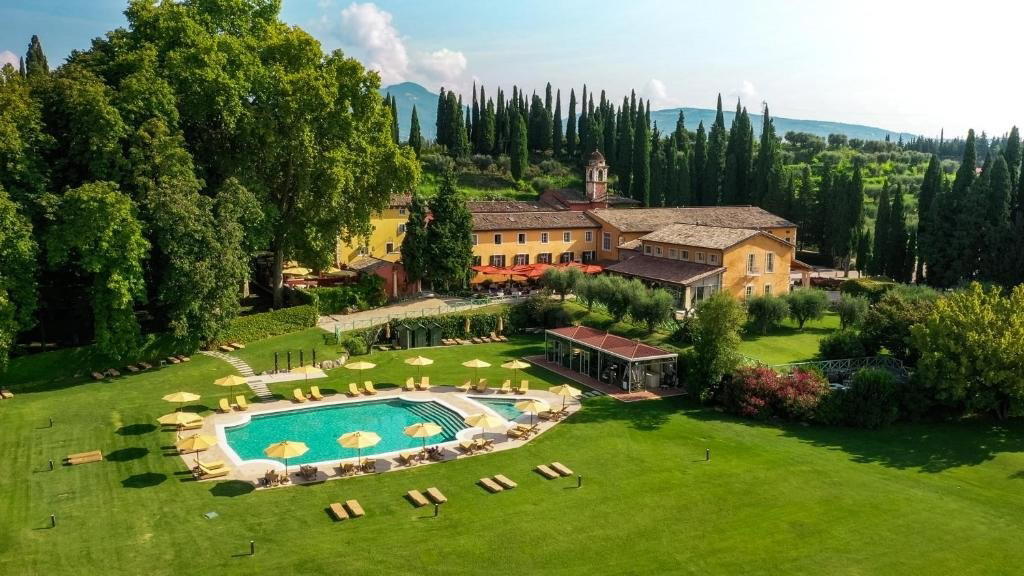
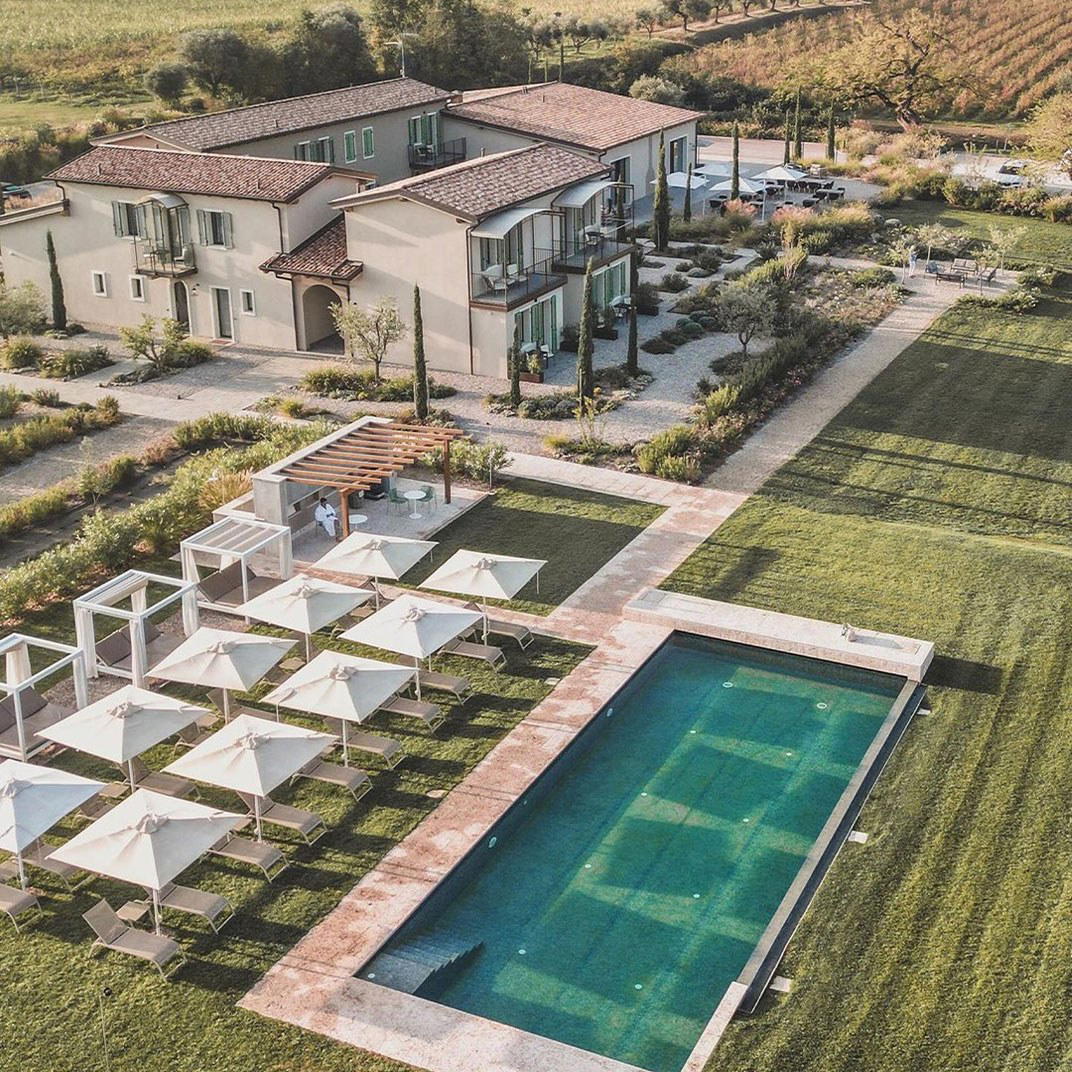
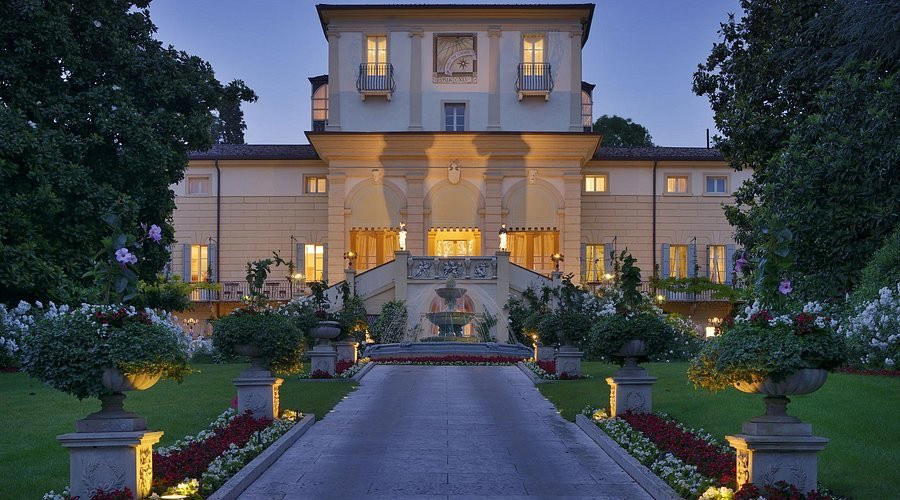
The approach to Tenuta La Cà is defined by the soft rise of Bardolino’s morainic hills and the visual grammar of a working estate: vineyard rows close to the cellar, a quiet farmhouse setting, and a modern hospitality style that avoids the theatrical register of destination wineries. In the Lake Garda corridor, where wine tourism can tilt either toward coach-party convenience or old-cellar nostalgia, this address reads as the smaller, more controlled alternative. The estate’s strength is not spectacle. It is the way geology, farming and visitor format are made legible within a compact tasting experience.
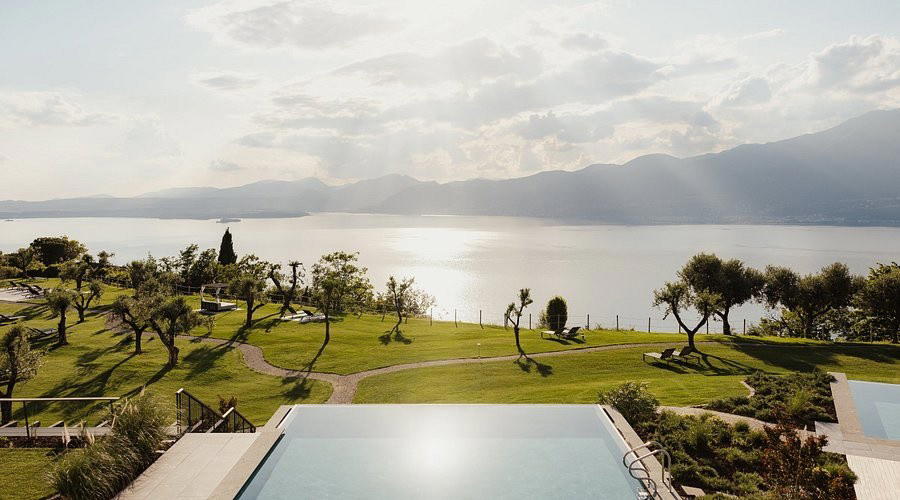
Bardolino has long been associated with drinkable reds built around Corvina, Corvinone, Rondinella and Molinara, but the region’s current interest lies in producers pushing beyond easy lakeside refreshment. Tenuta La Cà belongs to that newer conversation. Its 15 hectares sit on morainic soils near Lake Garda, with five distinct soil types, strong sun exposure and natural aquifers shaping the agricultural argument. Those details matter because Bardolino’s reputation is often flattened into a holiday-wine shorthand; here, the site is presented as a working set of variables rather than a postcard backdrop.
Morainic soils, organic farming and a Bardolino DOC frame
The estate’s production identity is built around organic farming and biological processes, with hand harvesting parcel by parcel and careful selection before vinification. The cellar uses a gravity-led drop method instead of mechanical pumping, a technical choice that signals gentle handling rather than industrial speed. In a region where volume and accessibility often define the visitor’s first impression, that production language places the winery closer to the precision-led side of contemporary Veneto.
The vineyard-to-cellar relationship is unusually tight: the vines are 600 meters from the winery, which supports quick fruit movement and close oversight at harvest. That is not a romantic footnote; it is a logistical advantage for a small estate that wants to foreground freshness and site expression. The Bardolino DOC frame gives the local red grapes their anchor, while the broader varietal range shows how the estate stretches beyond a single appellation identity. Corvina, Corvinone, Rondinella and Molinara connect the wines to the Veronese tradition; Merlot and Cabernet Franc widen the register; Pinot Bianco, Pinot Grigio, Garganega and Traminer move the portfolio into white and aromatic territory.
This breadth can be a risk in smaller wineries, where too many varieties sometimes dilute identity. Here, the more persuasive reading is that the estate is using variety to map its land rather than to chase every market category. Red, white, rosé and sparkling wines all appear in the program, with named bottlings including La Cà Bianco Estate, La Cà Calis Estate, La Cà Chieto and Tenuta La Cà Biso. Bardolino Classico DOC, Veneto IGT Rosso and Veneto IGT Bianco give the range a useful split between place-specific classification and the looser creative space of IGT.
A tasting format built for explanation, not performance
The visitor experience is guided and educational in tone, which suits a winery whose strongest claims require explanation: five soil types, organic practice, gravity handling and a grape mix that crosses local and international lines. Tastings run in Italian and English, and the listed format includes wine tasting and tour options, with a 90-minute duration. That timing is long enough for context without turning the visit into a full-day commitment, a useful balance for travelers building a Lake Garda itinerary around more than wine alone.
The atmosphere is quiet and family-run, with Pietro and Aldo Giambenini shaping the estate’s contemporary direction. Their backgrounds in design and finance, associated with Milan and London, help explain why the winery’s presentation feels modern without abandoning the agricultural argument. The point is not a founder myth; it is the changing language of Veneto wine hospitality. A new generation of small estates increasingly treats design, storytelling and cellar method as linked parts of the same proposition.
Hospitality details support that human-scale model. The estate lists wheelchair access, a step-free entrance, on-site parking, bus parking, pet-friendly access, group suitability and family suitability. Food pairing is available, and the setting includes vineyard views and estate grounds rather than an urban tasting room format. Recognition is guest-led rather than medal-led: Winetourism.com lists. That is a modest sample, but it supports the impression of a tasting experience valued for clarity, warmth and pace rather than for critical-score theatre.
How to place it within a Bardolino wine day
For travelers using Bardolino as a base, Tenuta La Cà makes sense as the estate visit where the land is the organizing principle. The winery opened in 2018, and that relatively recent timeline matters: it reflects a Veneto wine scene where younger operators are reframing inherited regional grapes through organic farming, cleaner design language and more structured visitor interpretation. The result is not a museum of Bardolino tradition, but a contemporary reading of it.
The practical appeal is also clear. This is a small-production estate with an open allocation status and a compact hospitality model, better suited to visitors who want conversation and vineyard context than to those looking for a high-volume tasting counter. The absence of a wine club and shipping program keeps the emphasis on the visit itself. Payment can be handled by cash, credit card, debit card or contactless methods, while the casual dress code matches the rural setting. Reservations are recommended, especially for travelers who want the guided format rather than a brief pour-and-go stop.
For broader planning in town, EP Club readers can connect the winery visit with Our full Bardolino restaurants guide, Our full Bardolino hotels guide, Our full Bardolino bars guide, Our full Bardolino wineries guide and Our full Bardolino experiences guide. Nearby wine research can also include Ca' Bottura, Cantine Delibori, Cantine Lenotti, Casaretti and CDP SPA. For a wider European wine map, keep 3GP SRL in Treviso, 47 Anno Domini in Trebaseleghe, A Mano Wine in Noci, »der Steiner« Hans Steiner in Podersdorf am See and & Handwein in Mannheim in the wider notebook.
Recognition history
Dated appearances from independent guides and award organizations, with the underlying list record or original source where available.
Falstaff Winery - Listed
Falstaff
Continue exploring
More in Bardolino
Wineries in Bardolino
All wineries in Bardolino →
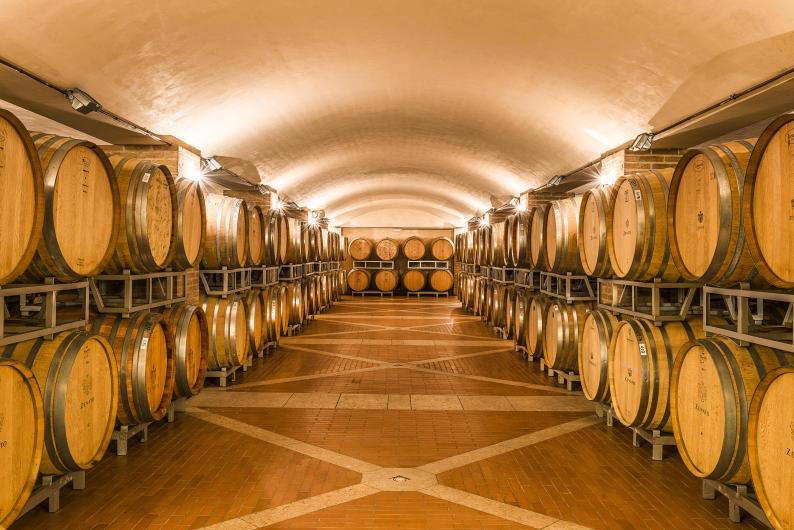
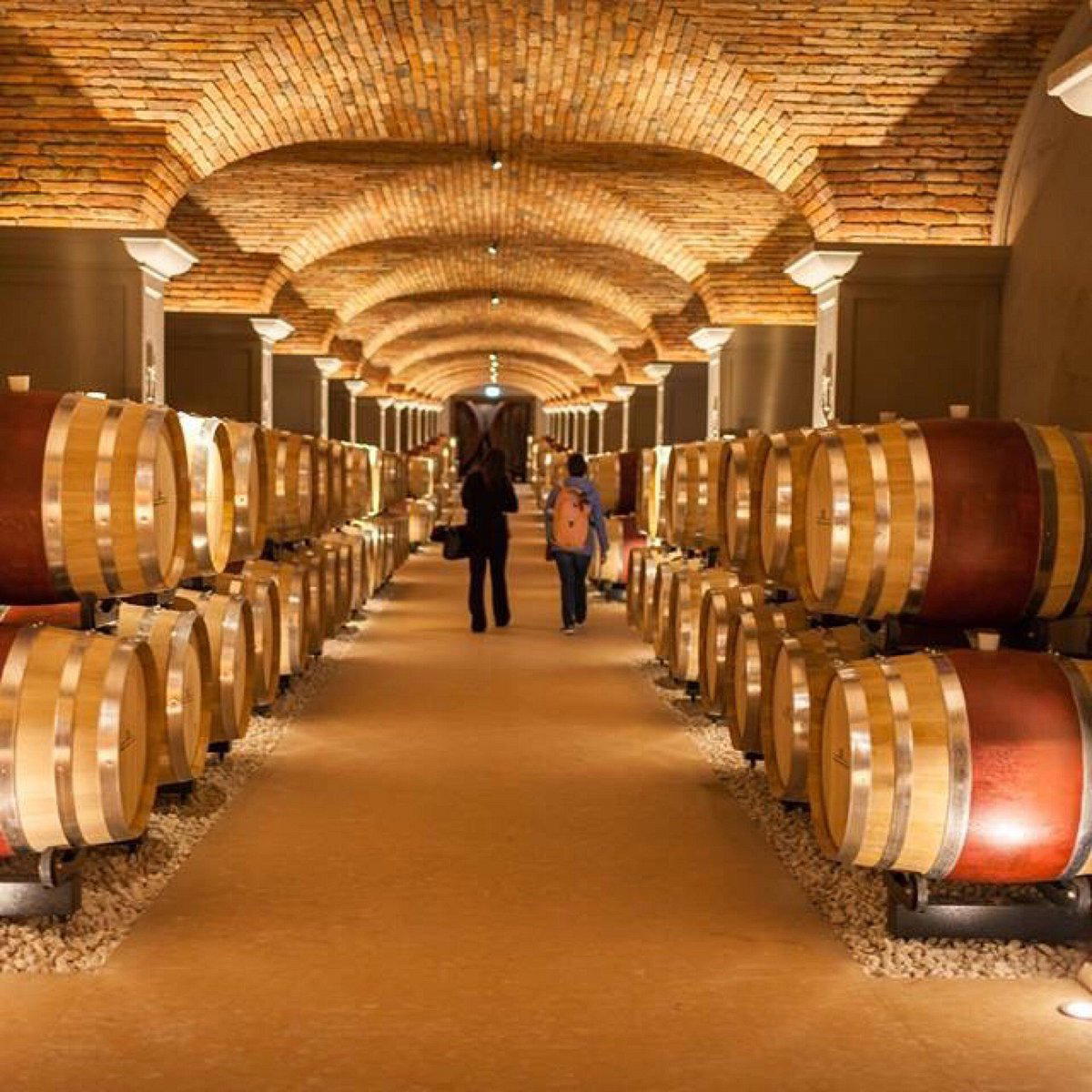
Bars in Bardolino
Browse all →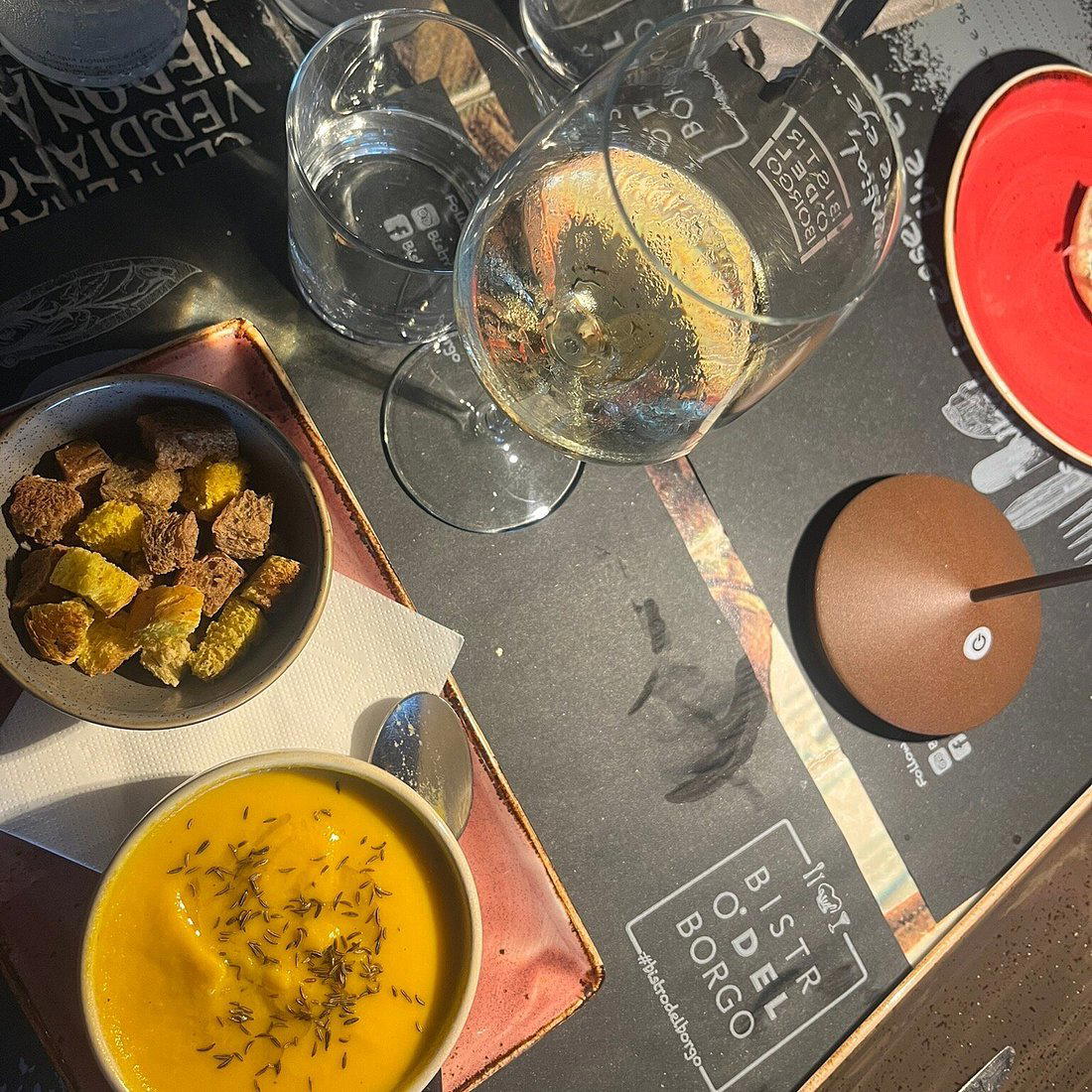
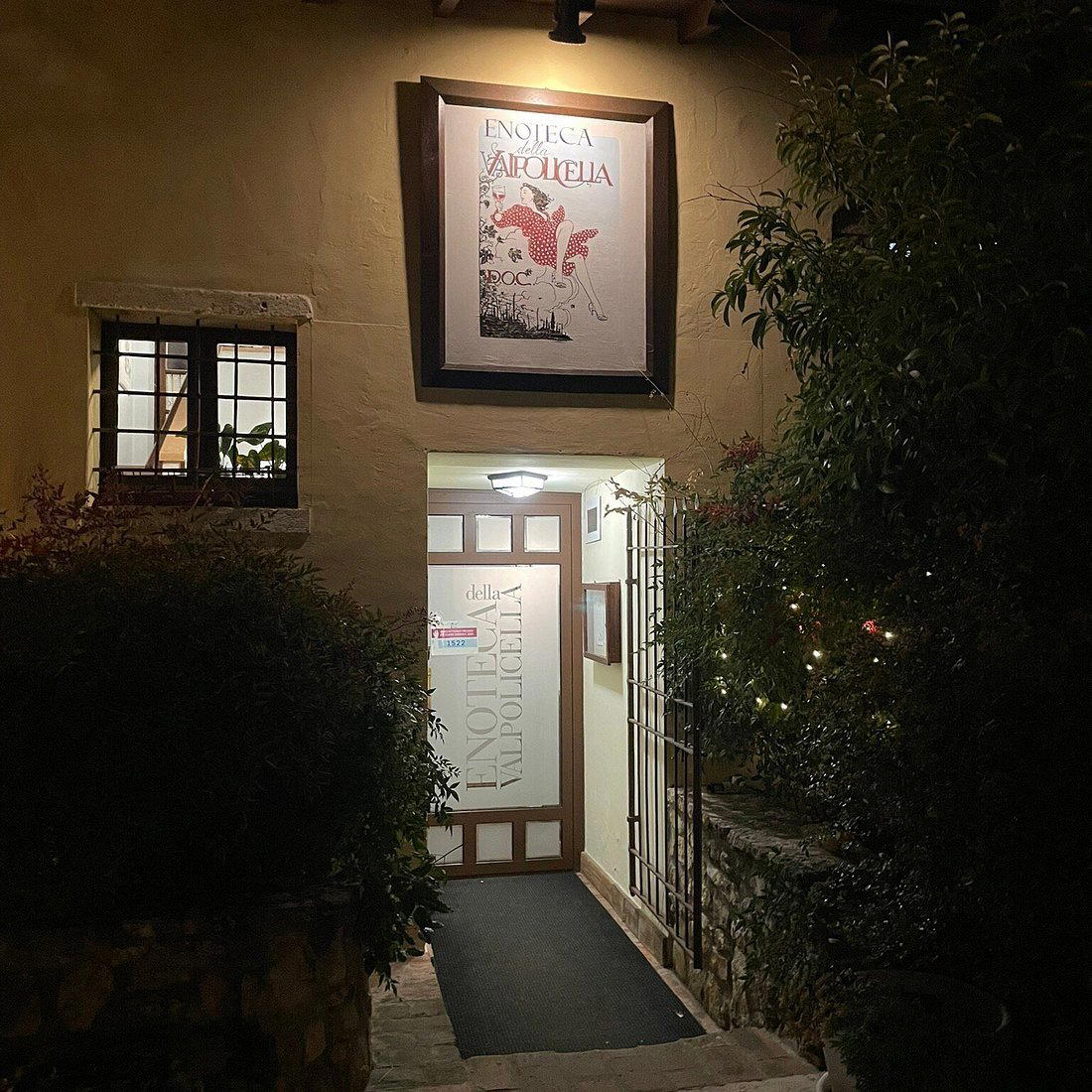
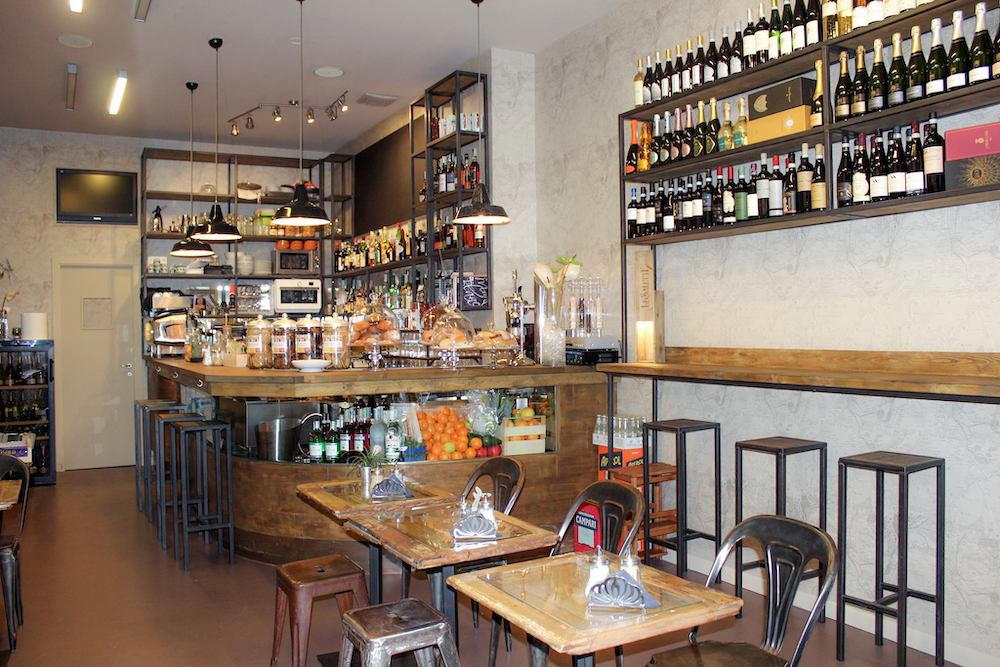
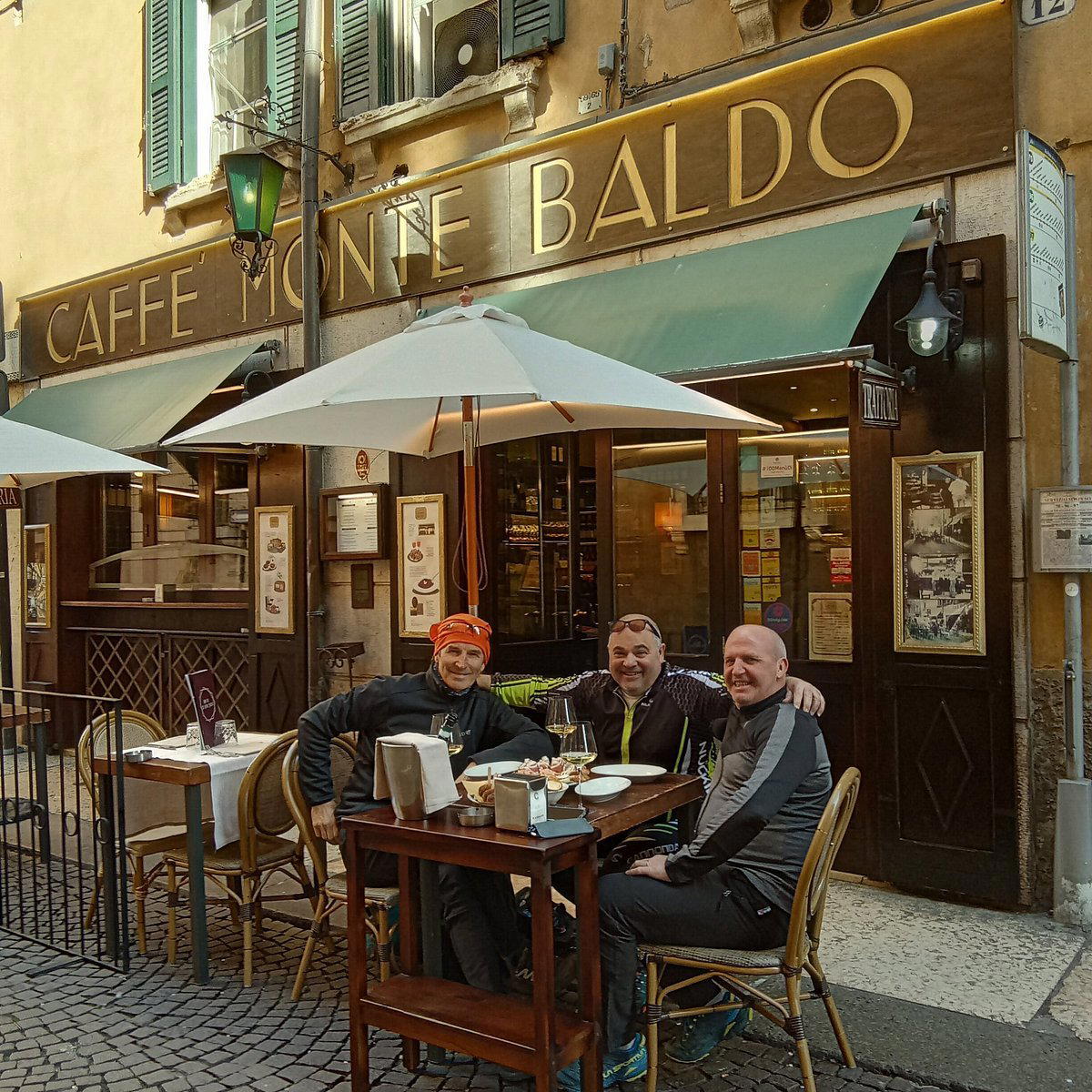
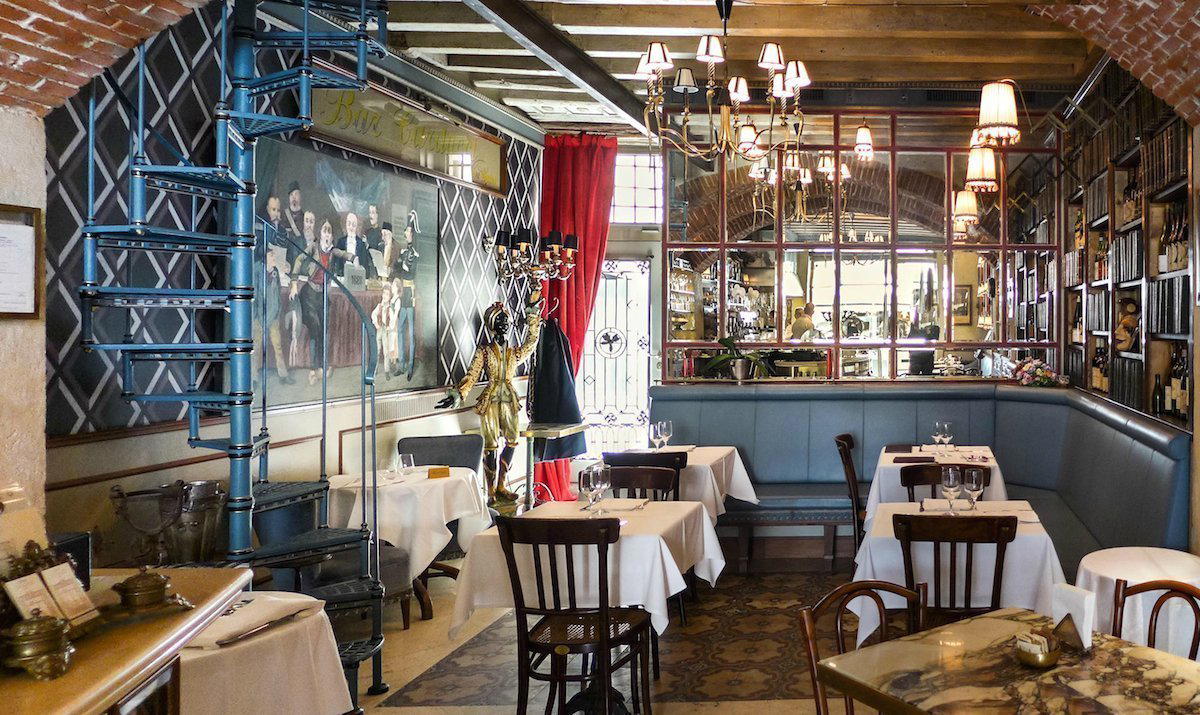
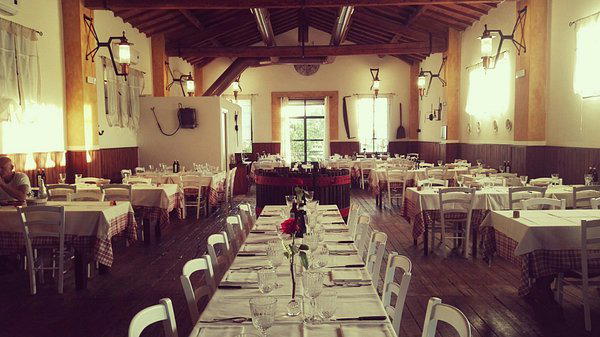
Details
- Modern
- Quiet
- Scenic
- Cozy
- Wine Education
- Family
- Group Outing
- Special Occasion
- Private Tasting
- Vineyard Tour
- Estate Grounds
- Design Destination
- Organic
- Vineyard
- Corvina
- Corvinone
- Rondinella
- Molinara
- Merlot
- Cabernet Franc
- Still Red
- Still White
- Still Rosé
- Sparkling
- Guided Tasting
- Wine Tasting And Tour
- Italian
- English
A modern, family-run winery with a quiet, welcoming atmosphere shaped by scenic morainic hills, intimate tastings, and a design-led approach to winemaking.