Schloss Gobelsburg
Schloss Gobelsburg is a historic Kamptal estate in Langenlois, rooted in Cistercian vineyard culture dating to 1171 and now associated with precise, site-led Austrian wine. The draw is terroir rather than spectacle: Grüner Veltliner, Riesling, Sekt, and cool-climate reds are framed through loess, sandstone, gneiss, and the estate’s long cellar tradition.

Pearl is the En Primeur Club membership app — saves, bookings, and concierge access live there. Same editors, same standards.

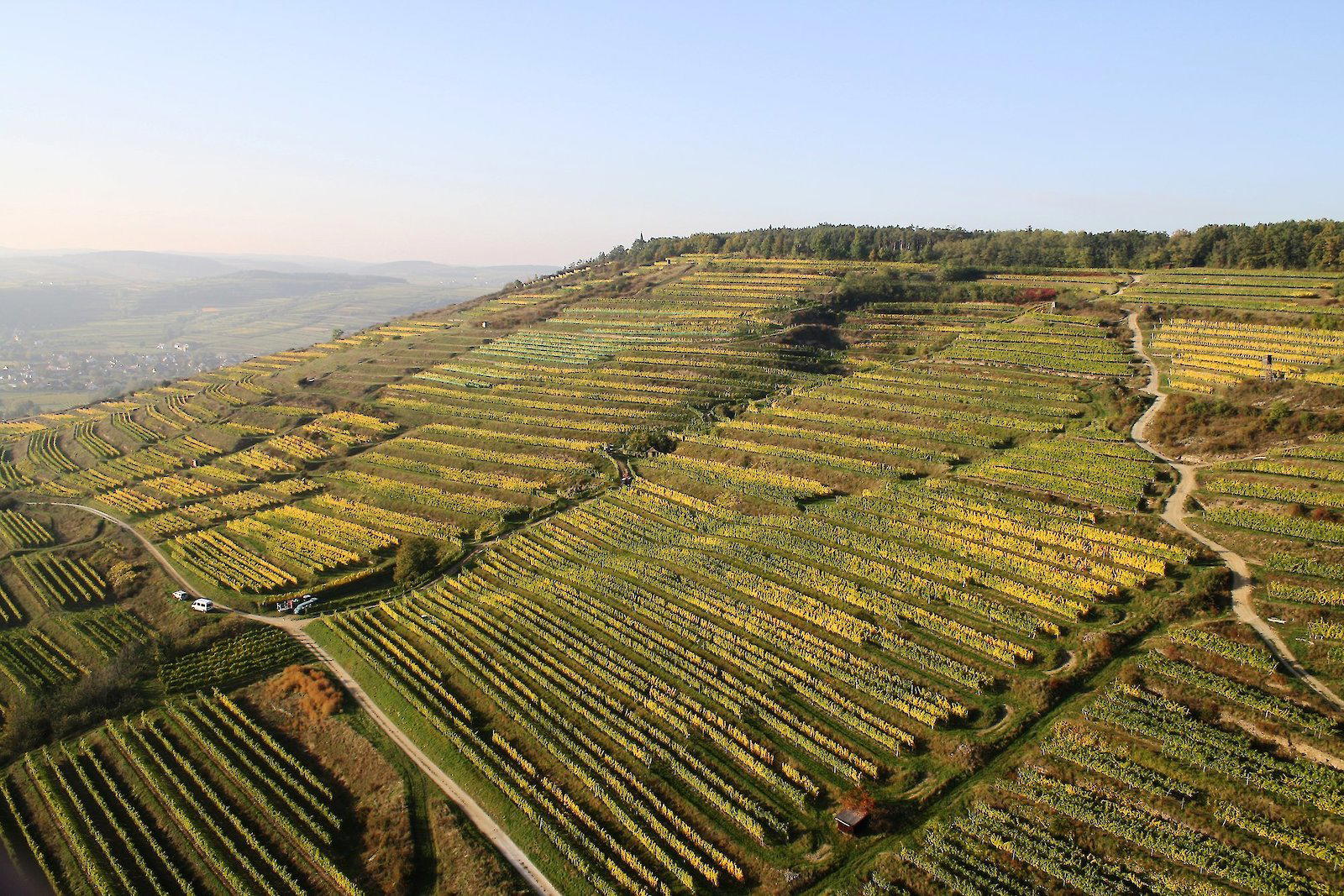
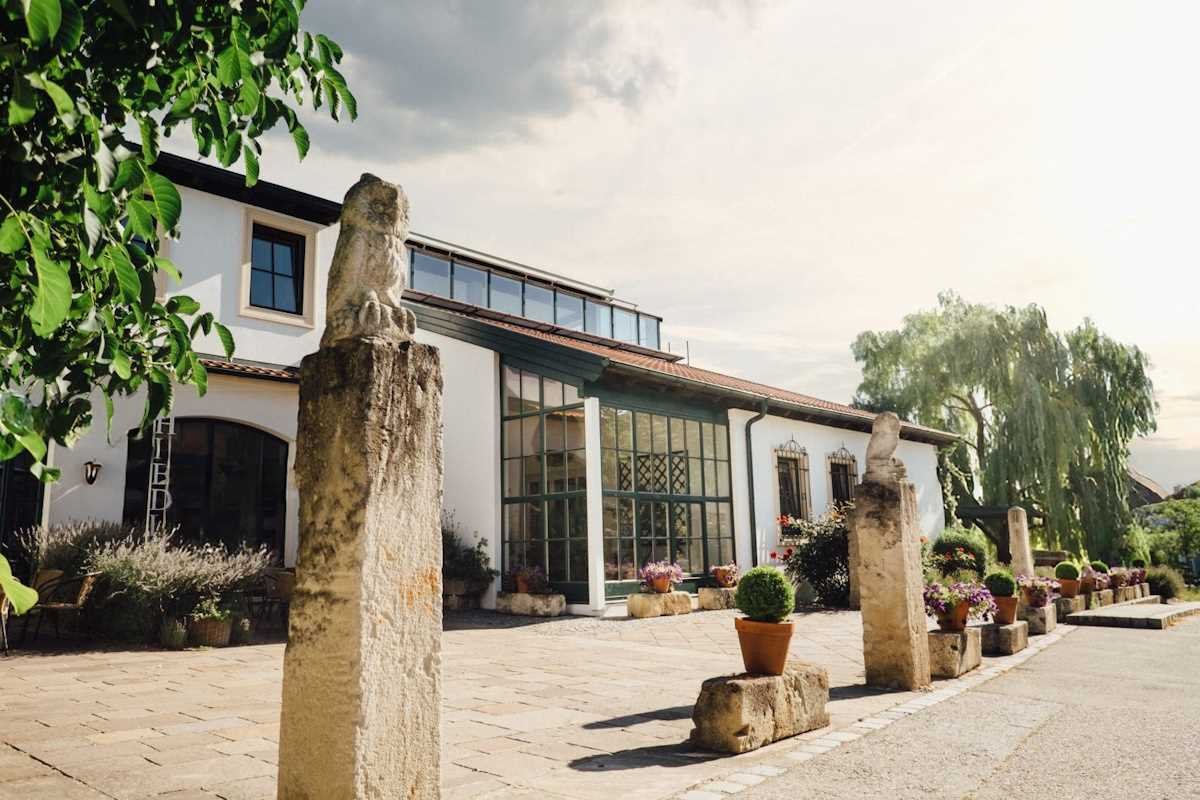
Approach the Kamptal through Langenlois and the wine story changes register: less about polished tasting-room theater, more about cold cellars, old stone, vineyard terraces, and the slow logic of place. Schloss Gobelsburg belongs to that older Austrian rhythm. Its castle setting and monastic architecture matter because the wines are not presented as free-floating varietals; they are tied to a landscape where loess, sandstone, gneiss, gravel, and the Kamp valley’s cool climate shape the argument in the glass.
Kamptal has built much of its international reputation on Grüner Veltliner and Riesling, and the stronger estates here tend to explain themselves through origin hierarchy rather than broad luxury cues. Schloss Gobelsburg fits that model with regional, village, and single-vineyard bottlings under the logic of Gebietswein, Ortswein, and Riedenwein. The estate’s membership in Österreichische Traditionsweingüter reinforces that emphasis on classified sites and place-specific interpretation, a useful trust signal in a region where vineyard names carry serious weight.
Kamptal terroir, read through loess, sandstone, and old cellar practice
The estate works from 83 hectares, a scale large enough to show several faces of Kamptal rather than a narrow single-parcel identity. Grüner Veltliner accounts for 55 percent of the vineyard base and Riesling for 25 percent, followed by Pinot Noir, Zweigelt, St. Laurent, and a small amount of Merlot. That mix tells the regional story cleanly: aromatic whites sit at the center, while cool-climate reds and sparkling wines extend the estate’s range without changing its point of gravity.
The vineyard map gives the wines their editorial interest. Zöbinger Heiligenstein is associated with Permian desert sandstone and volcanic components; Zöbinger Gaisberg brings slatey para-gneiss, mica-schist, and amphibolite; Kammerner Lamm works with calcareous, loamy soils over loess; Kammerner Renner adds deep loess with eroded gneiss, mica, and amphibolite. The village-level Langenlois Grüner Veltliner is tied to deep loess formed from Alpine material over roughly 2 million years, which helps explain why the category can feel both accessible and geologically specific.
That is the useful lens for the portfolio. Schloss Gobelsburg Langenlois Kamptal DAC Grüner Veltliner, listed at 13 percent alcohol and €15.60 per bottle, acts as a village-wine introduction rather than a luxury trophy. The 2024 vintage received 91 points from The Wine Advocate, 91 from James Suckling, 90 from Wine Enthusiast, and 90 from Vinous; the 2023 vintage received 91 from International Wine & Spirits Awards and 91 from James Suckling. Those scores matter less as decoration than as evidence of consistency across critics and vintages.
The critical language around the wine points toward a restrained house register: flint, wet stone, salty minerality, orchard fruit, citrus, fennel, herbs, and a firm acid line. Those are not invented romance notes; they are the recurring descriptors attached to the village Grüner Veltliner. In practical drinking terms, the estate’s signature is precision rather than ripeness, texture rather than weight, and site expression rather than varietal shorthand.
A castle estate where heritage functions as classification, not nostalgia
The documented vineyard history reaches back to 1171, when Cistercian monks were given their first vineyards here. In many old European wine properties, that kind of date becomes decorative. In Kamptal, it carries more force because the estate uses history to explain a present-day structure: protected-origin wines, vineyard classification, hand work, and cellar patience. Eva and Michael Moosbrugger have managed the estate since 1996, a modern chapter associated with Falstaff Winery of the Year, Golden Glass in Sweden, and eight inclusions in Wine & Spirits Magazine’s Top 100 Wineries of the Year.
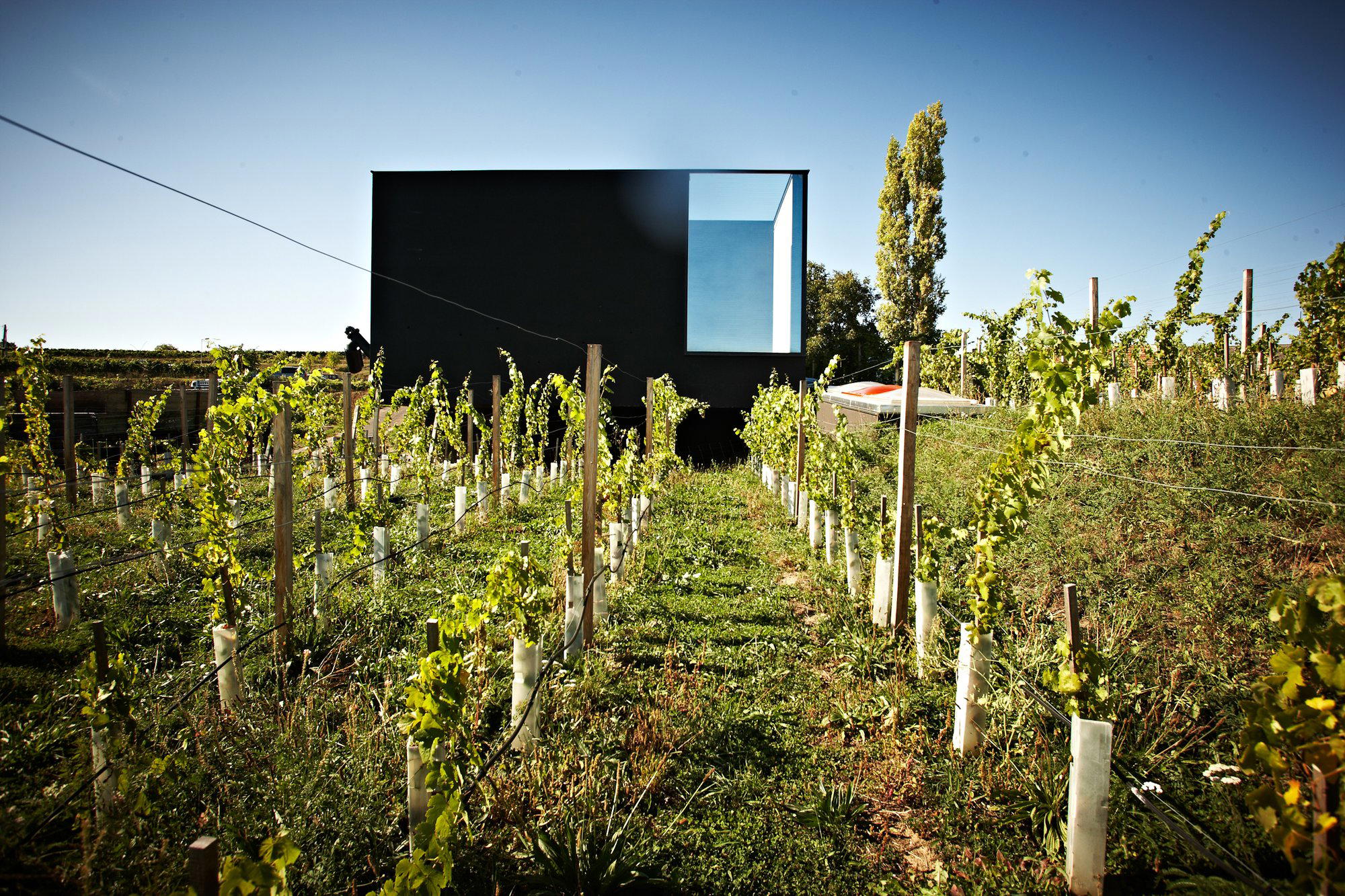
Production details support the same argument. Farming is described as sustainable, with pruning and canopy work in the vineyards, autumn hand harvest, small-box transport, cellar sorting, gentle pressing, and maturation in cool cellars. None of that is radical in isolation. Together, it places the estate in the careful, origin-led camp of Austrian winemaking, where fruit condition, site separation, and time in cellar are used to sharpen rather than blur regional identity.
Sekt is part of the story, too. Langenlois has become an important center for Austrian sparkling wine, and the estate produces Brut Reserve, Blancs de Blancs, Brut Rosé, and Vintage Sekt by hand at the property. The presence of sparkling wine, noble-sweet wine, Eiswein, and historical TRADITION bottlings broadens the visit beyond a simple Grüner Veltliner-and-Riesling tasting. Still, the connective tissue remains Kamptal: cool climate, old vineyards, mineral structure, and a portfolio arranged around origin.
Who this visit suits in Langenlois
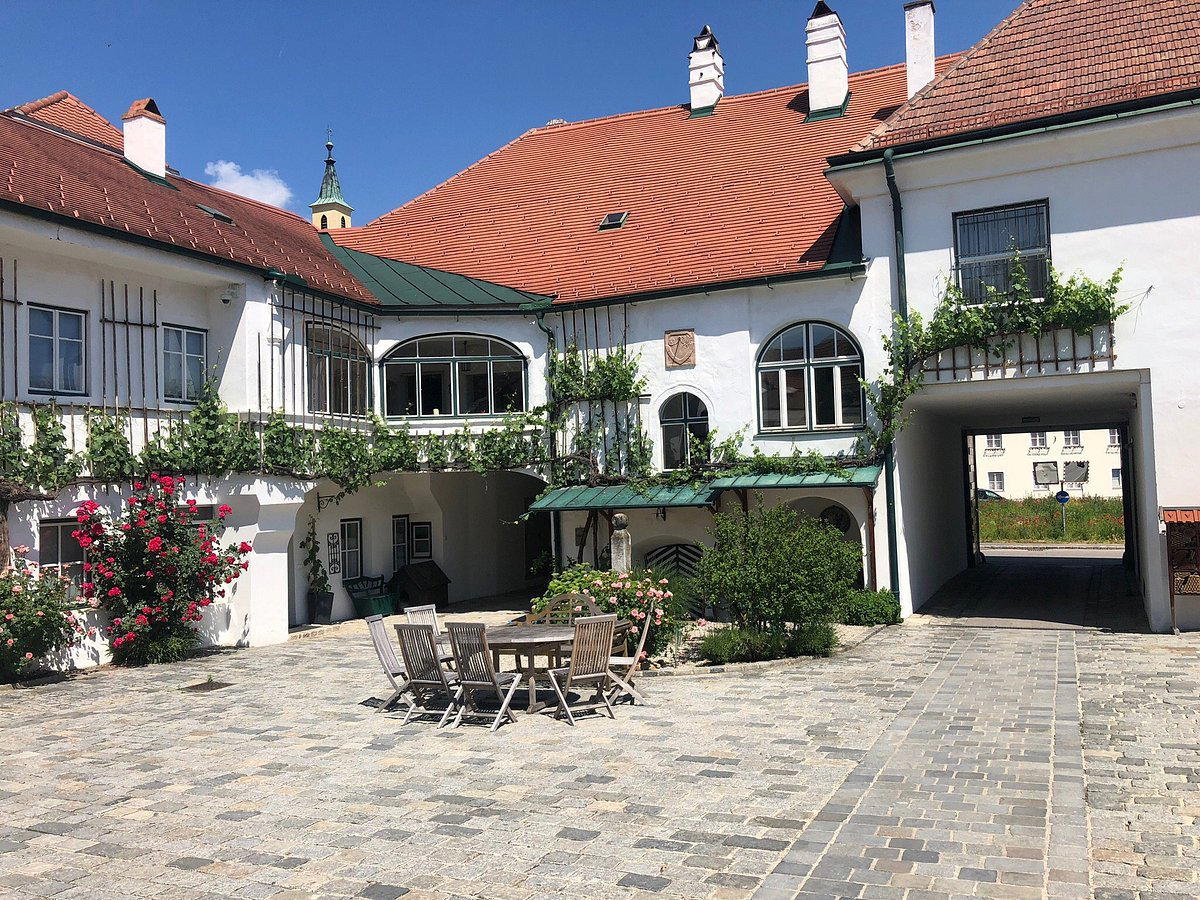
This is the right choice for travelers who want Austrian wine explained through vineyard hierarchy and cellar culture rather than lifestyle gloss. The atmosphere is quiet, classic, and formal enough to suit a focused tasting, wine education, a private visit, or a small corporate group. The format includes guided, cellar, and portfolio tastings, and the historic-building context gives the experience a stronger sense of continuity than a contemporary tasting bar can usually deliver.
The visit is less suited to anyone looking for a high-energy social stop or a food-pairing-led afternoon. The estate’s strength is interpretation: how Grüner Veltliner changes from regional to village to single-vineyard bottling, why loess behaves differently from sandstone or gneiss, and how a producer with an 850-year narrative avoids becoming a museum piece. Dress smart casual, expect a composed pace, and treat the tasting as a study of Kamptal’s structure rather than a casual drop-in.
For broader planning around the city, see Our full Langenlois wineries guide, plus Our full Langenlois restaurants guide, Our full Langenlois hotels guide, Our full Langenlois bars guide, and Our full Langenlois experiences guide. Other winery pages worth keeping nearby include Bio Weingut Manfred Gruber, Charly Rol, Christina Hugl, Die Weinstadt, and Fuchs und Hase. For wider wine reference points, see »der Steiner« Hans Steiner in Podersdorf am See, ®walzer in Gneixendorf Bei Krems, 1516 Brewing Company Distillery in Vienna, & Handwein in Mannheim, and 00 Wines in Carlton.
Continue exploring
More in Langenlois
Wineries in Langenlois
Browse all →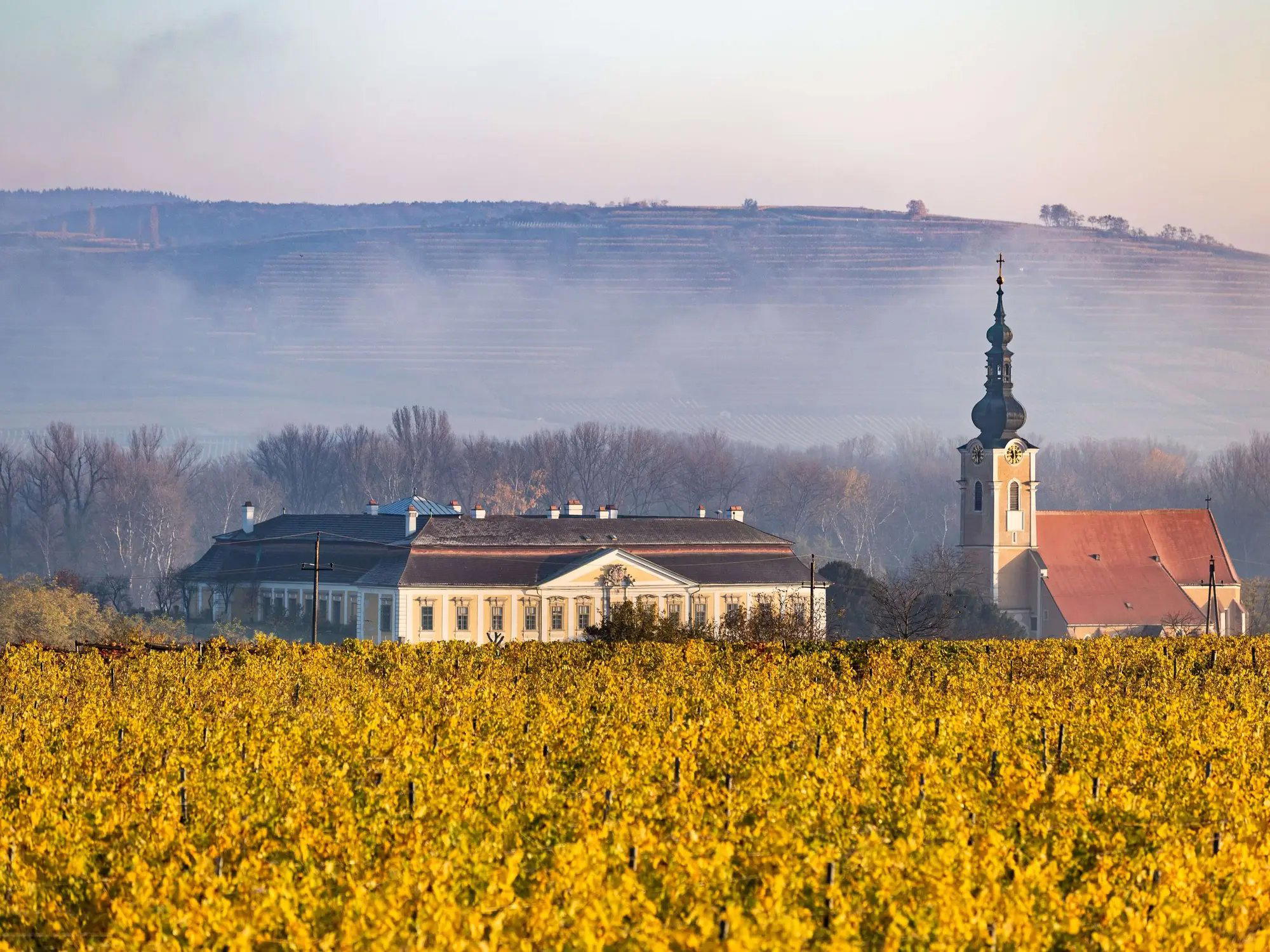
Bars in Langenlois
Browse all →
Restaurants in Langenlois
Browse all →
Hotels in Langenlois
Browse all →
At a Glance
- Classic
- Quiet
- Elegant
- Historic
- Wine Education
- Special Occasion
- Corporate Event
- Historic Building
- Private Tasting
- Sustainable
- Vineyard
- Kamptal DAC
- Grüner Veltliner
- Riesling
- Pinot Noir
- Zweigelt
- St. Laurent
- Still White
- Sparkling
- Still Red
- Guided Tasting
- Cellar Tasting
- Portfolio Tasting
Historic castle estate atmosphere with cool cellars, monastic architecture, and a refined tasting setting that emphasizes heritage and quiet elegance.