Sauerwein Wines

Sauerwein Wines sits in Stanford’s Overberg foothills, where cool-climate South African wine culture moves at a quieter, more site-conscious pace than the country’s large cellar-door circuits. The small-production focus is Riesling and Pinot Noir, with guided private tastings by appointment and a contemporary art-meets-terroir identity on Waterval Farm.
Pearl is the En Primeur Club membership app — saves, bookings, and concierge access live there. Same editors, same standards.
- Address
- Stanford, iFreyistata, Südafrika
 Saves & bookings on Pearl
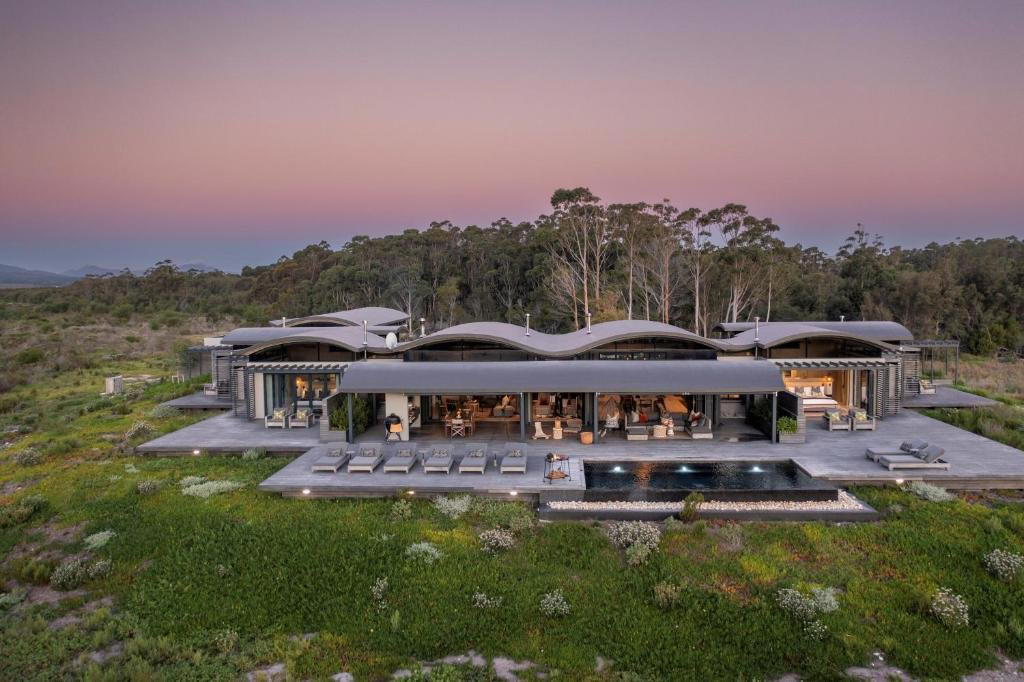
Sauerwein Wines offers a quieter way to read Stanford as a wine destination. Set on Waterval Farm in the Stanford foothills, it is framed by a cool-climate, terroir-driven winery setting rather than by the scale and spectacle of a large hospitality estate. The appeal is scenic, rustic, and deliberately low-key: a hidden-gem atmosphere where the landscape and cellar presence do much of the talking. It is the kind of place profile that invites a slower reading of the area, with attention directed less toward a busy visitor programme and more toward the relationship between farm, foothill, climate, and wine.
The strongest signal is place. Sauerwein Wines is tied to Waterval Farm and to the Stanford foothills, with a contemporary cellar presence and an art-meets-wine narrative. For visitors looking beyond busier wine routes, that makes it a focused stop for a quieter, more site-conscious experience in Stanford. The venue’s identity is not carried by a long list of confirmed amenities; it is carried by a sense of setting, restraint, and terroir, which gives it a distinct role in a Stanford wine plan.
Cool-climate Stanford, read through place
Sauerwein Wines is best understood through its setting: a cool-climate, terroir-driven winery on Waterval Farm in the Stanford foothills. That description matters because it places the venue within a landscape-first understanding of wine, where altitude, exposure, rural quiet, and the broader Stanford climate form part of the visitor’s expectations before any specific tasting detail is considered.
That still gives the venue a clear position. It is not presented here as a broad leisure estate or restaurant-led stop, but as a scenic winery setting with a contemporary cellar presence. The value for a visitor is in the combination of Stanford foothill scenery, rustic calm, and a place-led wine narrative. In practical terms, that means the winery is better approached as a focused winery visit than as an all-purpose day out with assumed facilities. Its appeal sits in the atmosphere around the cellar and the sense of being slightly removed from more obvious wine-tourism circuits.
For readers mapping Stanford beyond a single cellar visit, the broader local context is best approached through other Stanford dining and wine options generically rather than by assuming a specific. The winery stands on its own identity: cool climate, Waterval Farm, terroir, and a quiet hidden-gem feel. That identity is specific enough to make it memorable, but restrained enough that visitors should resist filling in unconfirmed details from other estates or wine regions.
A cellar presence with an art-and-terroir identity
The description points to a contemporary cellar presence and an art-meets-wine narrative. That combination suggests a venue where the visual and atmospheric side of the winery matters, but the available facts do not confirm a gallery format, a particular tasting structure, a named winemaker, a founding year, food pairings, outdoor seating, child-friendly facilities, or group capacity. The safest reading is therefore one of tone rather than programme: a cellar identity shaped by design, place, and the idea that wine can be encountered alongside a more creative sensibility.
What can be said with confidence is narrower and more useful: the winery has a quiet, scenic, rustic character in the Stanford foothills. It suits visitors looking for a calmer winery setting rather than a highly programmed hospitality experience. For some travellers, that restraint is exactly the attraction.
Because the public record is intentionally limited, practical details such as opening hours, booking requirements, tasting availability, menu offerings, accessibility, and on-site services should be checked directly before visiting. The grounded profile here is the setting: Waterval Farm, Stanford, cool-climate terroir, and a contemporary cellar identity. That approach keeps expectations accurate while still recognising the venue’s appeal as a quiet, place-led stop.
How to place it within a wider wine itinerary
The winery works well as a Stanford-focused wine stop for travellers interested in quieter, place-led wineries. Its strengths are not awards, scores, famous dishes, or a detailed visitor format; they are the cool-climate foothill setting, the rustic hidden-gem atmosphere, and the art-and-terroir character. In a region where wine visits can easily be shaped by dining plans, landmark estates, or scheduled experiences, the winery reads more as a pause in the landscape: a chance to let Stanford’s foothill character set the tone.
Within a wider itinerary, it offers a contrast to busier or more built-out wine tourism experiences. Plan around the facts that are confirmed, and keep the visit flexible: the winery is a scenic Stanford winery on Waterval Farm with a contemporary cellar presence and a terroir-driven identity. Treated on those terms, it becomes a useful counterpoint in a wine route, especially for visitors who value quiet context as much as structured hospitality.
Recognition history
Dated appearances from independent guides and award organizations, with the underlying list record or original source where available.
Falstaff Winery - Listed
Falstaff
At a Glance
- Quiet
- Scenic
- Rustic
- Solo Exploration
- Special Occasion
- Romantic Getaway
- Private Tasting
- Vineyard Tour
- Design Destination
- Sustainable
- Vineyard
- Western Cape
- Riesling
- Pinot Noir
- Still White
- Still Red
- Guided Tasting
- Private Tasting
Cool-climate, terroir-driven winery setting on Waterval Farm in the Stanford foothills, with a contemporary cellar presence and an art-meets-wine narrative.