Santa Barbara Winery

Santa Barbara Winery sits on Anacapa Street in the heart of the city's Urban Wine Trail, earning a Pearl 3 Star Prestige rating in 2025. Among the Santa Barbara County producers that helped define the region's identity, it occupies an anchor position, drawing visitors who want to understand the appellation's range before venturing further into the Santa Ynez Valley or Sta. Rita Hills.
Where Urban Tasting Culture Meets Santa Barbara County's Vinous Identity
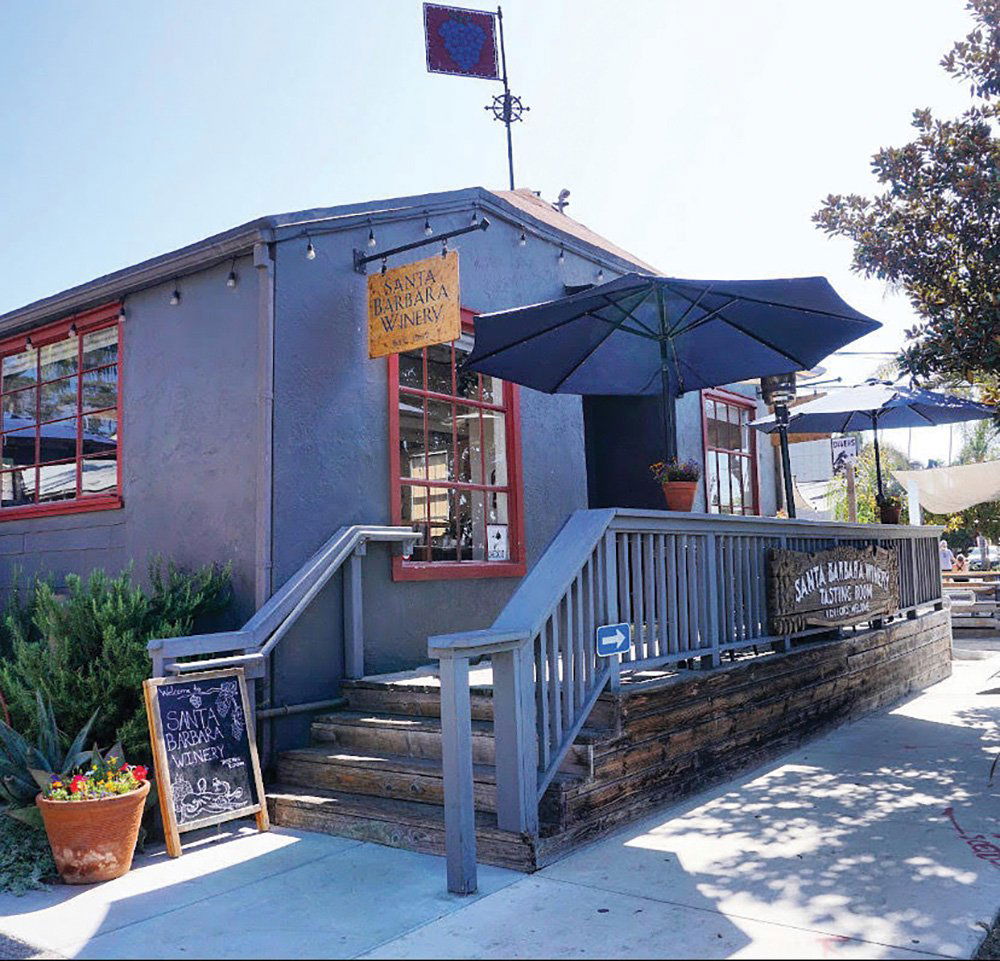
Anacapa Street runs close enough to State Street that you can hear the city before you fully arrive. Santa Barbara Winery sits at 28 Anacapa in what is effectively the ground floor of the county's Urban Wine Trail, a network of tasting rooms that has grown into a legitimate hospitality corridor over the past two decades. Coming in from the street, the space carries the physical logic of a working producer that chose downtown proximity deliberately: functional, rooted in product, and without the resort-spa gloss that defines a certain tier of California wine tourism. That restraint is worth noting, because it says something about how Santa Barbara County positions itself against Napa or even much of Paso Robles.
Santa Barbara County's wine story is essentially a story about cool-climate ambition in an unlikely southern California latitude. The transverse mountain ranges that cut east-west rather than north-south push marine air inland with unusual force, allowing Burgundian varieties to ripen slowly and retain acidity that warmer Central Coast appellations cannot match. That climatic logic has made the Sta. Rita Hills and the Santa Maria Valley two of the most-discussed American appellations for Pinot Noir and Chardonnay outside of Oregon's Willamette Valley. Any serious tasting room in downtown Santa Barbara inherits that context by geography alone, and the leading of them use it actively rather than as background scenery.
The Urban Wine Trail as a Category, Not Just a Location
The Urban Wine Trail format that anchors downtown Santa Barbara represents a broader shift in how wine regions present themselves to visitors. Rather than requiring a car and a full day's drive through AVA back roads, producers have moved tasting operations into walkable city blocks, letting visitors build comparative literacy across multiple pours in an afternoon. That shift matters because it changes who the audience is: less the dedicated wine tourist arriving with allocated bottles in mind, and more the curious traveler who wants a genuine introduction to the region's range.
Among the producers in that downtown corridor, the competitive set includes names like Carr Vineyards & Winery and Sanguis Winery, which occupy different stylistic registers and draw different visitors. Carr tends toward approachable, estate-focused Rhône and Burgundian varieties, while Sanguis has built a following around more idiosyncratic, small-production blends. Cutler's Artisan Spirits sits nearby for visitors whose interests extend beyond wine into craft distilling. The trail's density means a single afternoon can function as a coherent education in the county's stylistic range, provided visitors choose their sequence thoughtfully rather than at random.
Appellation Context: What Santa Barbara County Does Differently
California wine criticism has long centered on Napa's Cabernet paradigm, but Santa Barbara County has consistently operated from a different premise. The emphasis here falls on cool-climate varieties — Pinot Noir, Chardonnay, Syrah in the northern Rhône mold rather than the riper Paso interpretation — and on appellation specificity rather than brand prestige. The producers that have shaped the county's identity, including Au Bon Climat, have done so by leaning into Burgundian discipline and moderate alcohol levels at a time when the broader California market rewarded extraction and richness.
That tradition puts Santa Barbara County in conversation with a wider group of restraint-oriented American producers. Melville Vineyards and Winery, further west in the Sta. Rita Hills, exemplifies the estate-focused model where vineyard elevation and fog exposure produce Pinot Noir with structural tension rather than fruit weight alone. Further afield, Adelaida Vineyards in Paso Robles and Adelsheim Vineyard in Newberg operate within similar cool-climate logic, and comparing across those contexts clarifies what makes Santa Barbara County specifically distinct: the marine influence arrives laterally rather than from the north, creating a diurnal range that few other American wine regions replicate at this scale.
For visitors arriving at the Anacapa Street tasting room without deep appellation knowledge, this is the context worth holding in mind. The wines on a flight here are not simply California wines that happen to be poured in a beach city. They are expressions of a climate anomaly that took decades for the broader market to fully credit, and that now ranks among the most-discussed cool-climate zones in the country.
Pearl 3 Star Prestige Recognition: What It Signals
Santa Barbara Winery holds a Pearl 3 Star Prestige rating from EP Club, awarded in 2025. Within EP Club's framework, that designation places the winery among producers judged to meet a high threshold across experience, wine quality, and presentation. For visitors cross-referencing across California's appellations, that rating usefully positions Santa Barbara Winery within a broader peer set: Accendo Cellars in St. Helena operates at the Napa prestige tier, while internationally, Abadía Retuerta in Sardón de Duero and Aberlour in Aberlour show how the Prestige designation applies across very different wine traditions. The 2025 award reflects current standing rather than historical reputation, which matters in a county where tasting room quality has improved materially over the past decade.
Planning a Visit: Practical Orientation
Santa Barbara Winery's downtown location at 28 Anacapa Street means it is walkable from the primary hotel corridor along the waterfront and from State Street's restaurants and bars. Visitors building a day around the Urban Wine Trail should treat this location as a logical anchor given its position on the trail rather than as a destination requiring a separate trip. For those extending their Santa Barbara stay into a fuller exploration of the city's hospitality, our full Santa Barbara restaurants guide and our full Santa Barbara hotels guide provide the broader framework, while our full Santa Barbara bars guide and our full Santa Barbara experiences guide cover what happens after the tasting is done. For those focused specifically on the county's wine producers, our full Santa Barbara wineries guide maps the full competitive set, from downtown tasting rooms to Sta. Rita Hills estate visits that require a car and considerably more time.
Specific booking policies, current tasting fees, and hours were not available at the time of writing. Given the location in a high-traffic tourist corridor, weekends tend to draw larger volumes across all Urban Wine Trail properties, and weekday visits typically offer more focused conversations with staff about specific producers and vineyard sources. The website should be confirmed before visiting for current availability and any reservation requirements, which have become more common across the county's premium tasting rooms since 2021.
Frequently Asked Questions
- How would you describe the overall feel of Santa Barbara Winery?
- The downtown Anacapa Street location places it firmly within the city's Urban Wine Trail rather than the vineyard-estate model that defines many Santa Barbara County visits. The atmosphere is functional and product-focused, consistent with a producer that has earned a Pearl 3 Star Prestige rating (2025) while operating at the accessible end of the wine trail format rather than the high-design, appointment-only tier. For context on how it sits within Santa Barbara's broader hospitality character, the city's wine corridor is measurably more approachable in tone than, say, the appointment-required estate experiences in the Sta. Rita Hills.
- What should I taste at Santa Barbara Winery?
- Santa Barbara County's defining strength is cool-climate varieties shaped by marine air from the Pacific, so any visit should focus on Pinot Noir and Chardonnay as the wines that most clearly express the region's appellation identity. The county's winemaking tradition, established by producers like Au Bon Climat and carried through in the Sta. Rita Hills work of producers like Melville, prioritizes structure and acidity over ripe fruit weight. The Pearl 3 Star Prestige recognition (2025) suggests the current range meets a credible quality threshold. Specific menu and flight details should be confirmed directly with the tasting room, as these vary seasonally.
- What's Santa Barbara Winery leading at?
- Within the Urban Wine Trail context, the Anacapa Street location functions as an accessible entry point to the county's appellation story. The 2025 Pearl 3 Star Prestige award from EP Club indicates the experience clears the threshold for serious wine visitors, not just casual passersby. For those comparing across downtown Santa Barbara's tasting rooms, the winery sits toward the established, appellation-anchored end of the spectrum rather than the experimental, small-lot tier occupied by producers like Sanguis.
- Is Santa Barbara Winery reservation-only?
- Specific booking requirements were not confirmed in available data. Across Santa Barbara County's premium tasting rooms, reservation-only formats have become more common since 2021, particularly on weekends. If visiting during peak season or on a weekend, contacting the tasting room directly in advance is advisable. The physical address is 28 Anacapa Street, Santa Barbara, CA 93101. For current hours and booking policies, visitors should check the winery's website directly, as walk-in availability can vary significantly by day and season.
Access the Cellar?
Our members enjoy exclusive access to private tastings and priority allocations from the world's most sought-after producers.
Access the Concierge