Sacchetto

Falstaff Winery - Listed
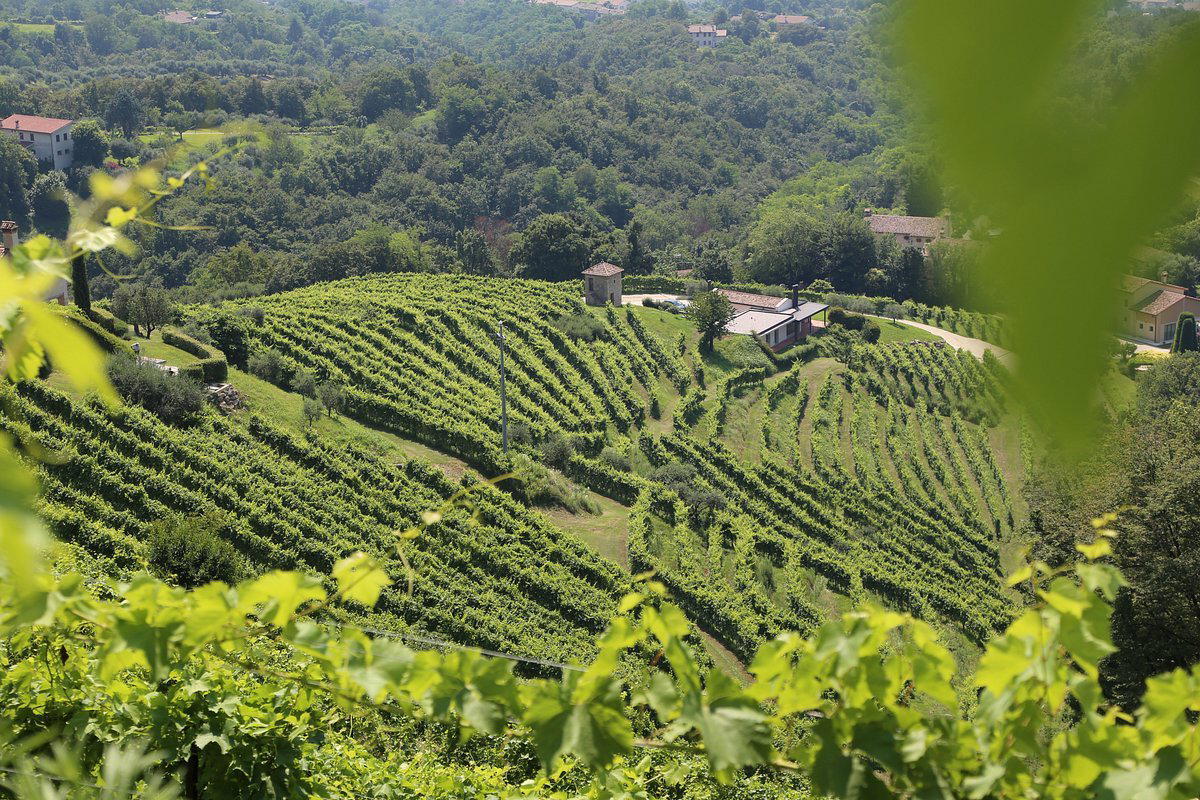
Sacchetto is a family-run Veneto winery in Trebaseleghe with roots reaching back to 1900 and a production culture built around regional expression, Prosecco, still whites, and still reds. Its appeal lies less in trophy collecting than in the combination of family continuity, internal laboratory control, and a modern cellar mindset applied to a long-established Veneto wine tradition.

Pearl is the En Primeur Club membership app, where members save venues, book tables and use the concierge.

Sacchetto in Trebaseleghe is best described through its essentials: a family-run, tradition-forward winery atmosphere, a modern production mindset, and a strong emphasis on craftsmanship and innovation. The mood is classic, rustic, quiet, and sophisticated, making it a grounded Trebaseleghe venue rather than a page to build around menu, bottle, award, or visit-format details. That distinction matters because the most reliable reading of Sacchetto is not a catalogue of specifics, but a sense of place and approach: a winery identity where continuity, care, and contemporary production awareness sit together without needing to be overstated.
As a venue profile, Sacchetto works well when kept close to what is confirmed. It has the character of a winery rooted in family-run tradition, but it is not presented as static or purely nostalgic. Its modern production mindset gives the profile a sharper edge, while the rustic and quiet atmosphere keeps it anchored. The result is a Trebaseleghe reference point that feels measured, craft-led, and understated.
Tradition interpreted through a production-minded outlook
The reliable picture of Sacchetto is a winery shaped by family continuity and tradition, while also presenting itself with a modern approach to production. That combination is the central point: craft and innovation sit alongside a classic, rustic atmosphere. Rather than treating tradition and modernity as opposites, the venue’s profile suggests a quieter balance between the two, with family-run identity providing continuity and production-minded thinking giving that continuity a present-day form.
This is the useful frame for understanding Sacchetto. The tradition-forward side gives the winery warmth and rootedness, while the modern production outlook prevents the description from becoming only sentimental. Craftsmanship is therefore not just a decorative word here; it is the bridge between a family-run atmosphere and an innovative approach. The setting remains classic and rustic, but the underlying emphasis is on making, refining, and carrying the winery identity forward.
What can be said with confidence is simpler: Sacchetto is a Trebaseleghe winery with a family-run character and a production-minded identity. It should be described as grounded rather than embellished, and as sophisticated in a quiet way rather than in a showy or highly detailed way. The safest and most useful account is one that gives weight to the atmosphere and the approach without adding unsupported particulars.
For readers comparing options in the area, use Sacchetto as a Trebaseleghe winery reference point and compare other dining or hospitality choices in Trebaseleghe generically rather than relying on venue-by-venue claims. It can help orient a broader plan around the idea of a winery visit or wine-focused setting, but any more specific comparison should remain cautious unless it is separately verified.
Craft as cultural identity, not just technical detail
Without vineyard, soil, grape, or appellation specifics, Sacchetto is better framed through cultural identity than technical wine detail. Its confirmed profile points to tradition, craftsmanship, innovation, and a quiet, sophisticated winery atmosphere in Trebaseleghe. That means the emphasis belongs on the way the venue presents itself: family-run, craft-conscious, and modern in production outlook, with a mood that is classic and rustic rather than loud or heavily stylised.
Craft, in this context, should be read broadly. It points to a way of working and a way of communicating identity, not to a list of technical credentials that are not supplied here. Innovation should be treated with the same care. It is part of the stated profile, but it does not need to be expanded into unsupported claims about methods, equipment, certifications, or results. The value of the description is that it captures a sensibility: a winery whose identity is built around continuity, careful production, and a restrained sense of sophistication.
That makes the venue useful for travellers who want a winery setting with a family-run feel and a modern production outlook, while avoiding unsupported assumptions about tastings, tours, exports, certifications, or a particular wine list. Sacchetto can be understood as a place where the atmosphere itself carries much of the appeal: quiet, rustic, and tradition-forward, with craftsmanship and innovation forming the conceptual core.
Trebaseleghe remains the key location context. Other local planning should be handled broadly unless a separate source verifies specific restaurants, hotels, bars, wineries, or experiences. In practical editorial terms, the location anchors the profile, but it should not be used as a reason to invent nearby itineraries or attach hospitality details. Sacchetto’s strongest description is still the simplest one: a Trebaseleghe winery shaped by family-run tradition and a modern production-minded outlook.
Who this style of winery suits
Sacchetto suits visitors looking for a classic, rustic, quiet, and sophisticated winery atmosphere in Trebaseleghe. The price signal is $$, and the most reliable appeal is the combination of family-run tradition, craftsmanship, innovation, and a modern production mindset. It is especially well framed for readers who respond to restraint: those who want a winery profile that feels rooted and considered, rather than one dependent on long lists of amenities or claims.
It will also suit travellers who are comfortable with a broader, atmosphere-led description. Instead, Sacchetto should be approached as a concise winery entry whose value lies in its tone: traditional but not dated, rustic but sophisticated, quiet but clearly production-minded. That balance is the core of its appeal.
Read Sacchetto as a concise, tradition-forward Trebaseleghe winery entry: grounded in family-run atmosphere, modern in outlook, and best described without adding claims. Its profile is strongest when it stays disciplined, giving proper weight to craftsmanship and innovation while preserving the understated character that defines the venue.
Recognition history
Dated appearances from independent guides and award organizations, with the underlying list record or original source where available.
Falstaff Winery - Listed
Falstaff
Continue exploring
More in Trebaseleghe
Wineries in Trebaseleghe
All wineries in Trebaseleghe →
Bars in Trebaseleghe
Browse all →
Details
- Classic
- Rustic
- Quiet
- Sophisticated
- Wine Education
- Group Outing
- Special Occasion
- Historic Building
- Glera
- Pinot Grigio
- Pinot Noir
- Sauvignon Blanc
- Trebbiano Di Lugana
- Sparkling
- Still White
- Still Red
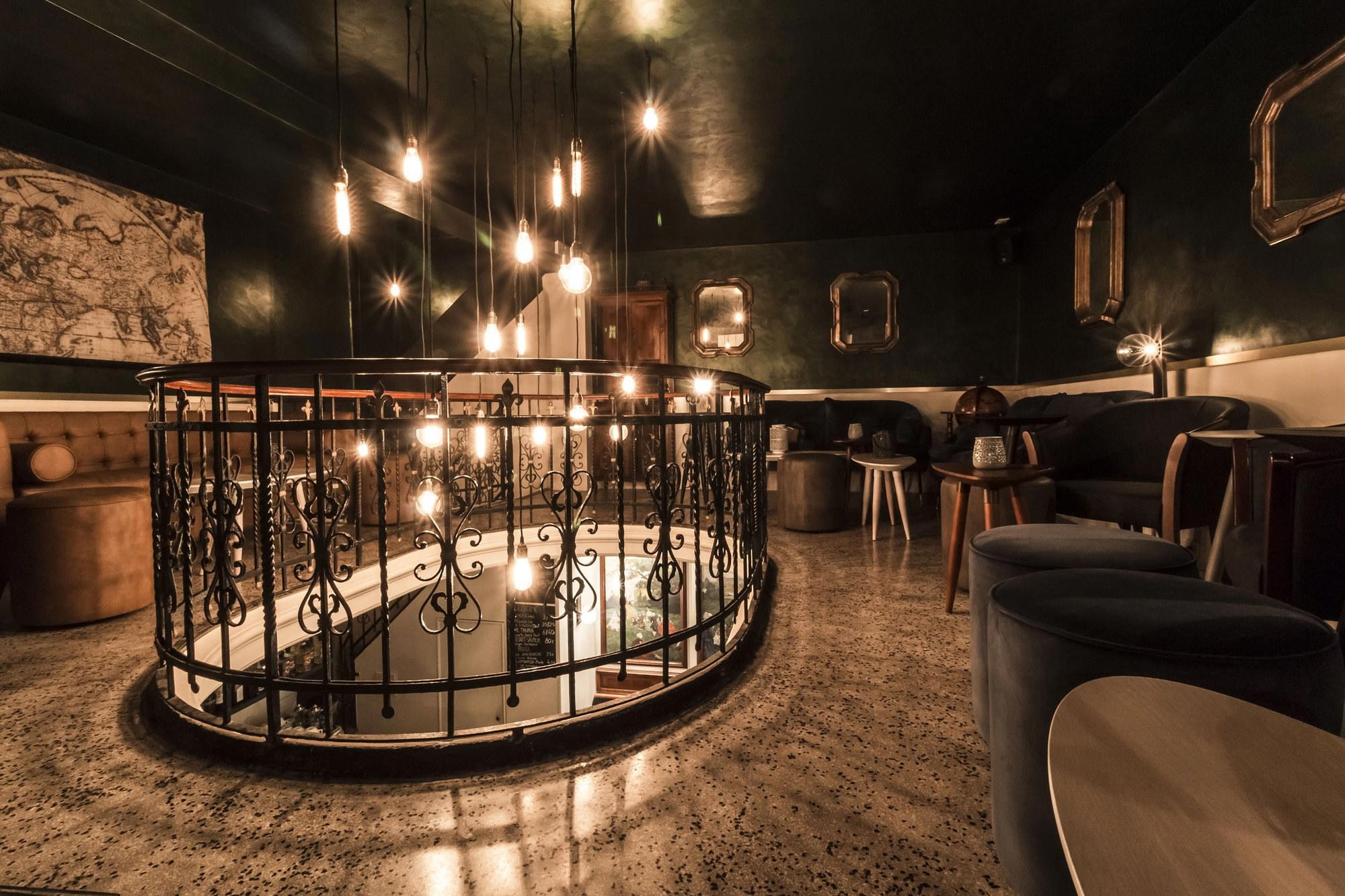
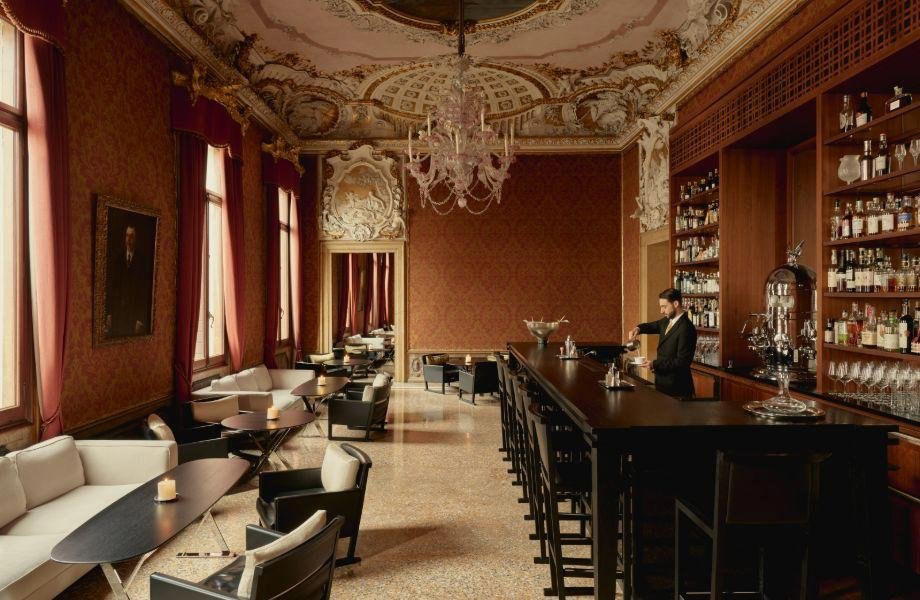
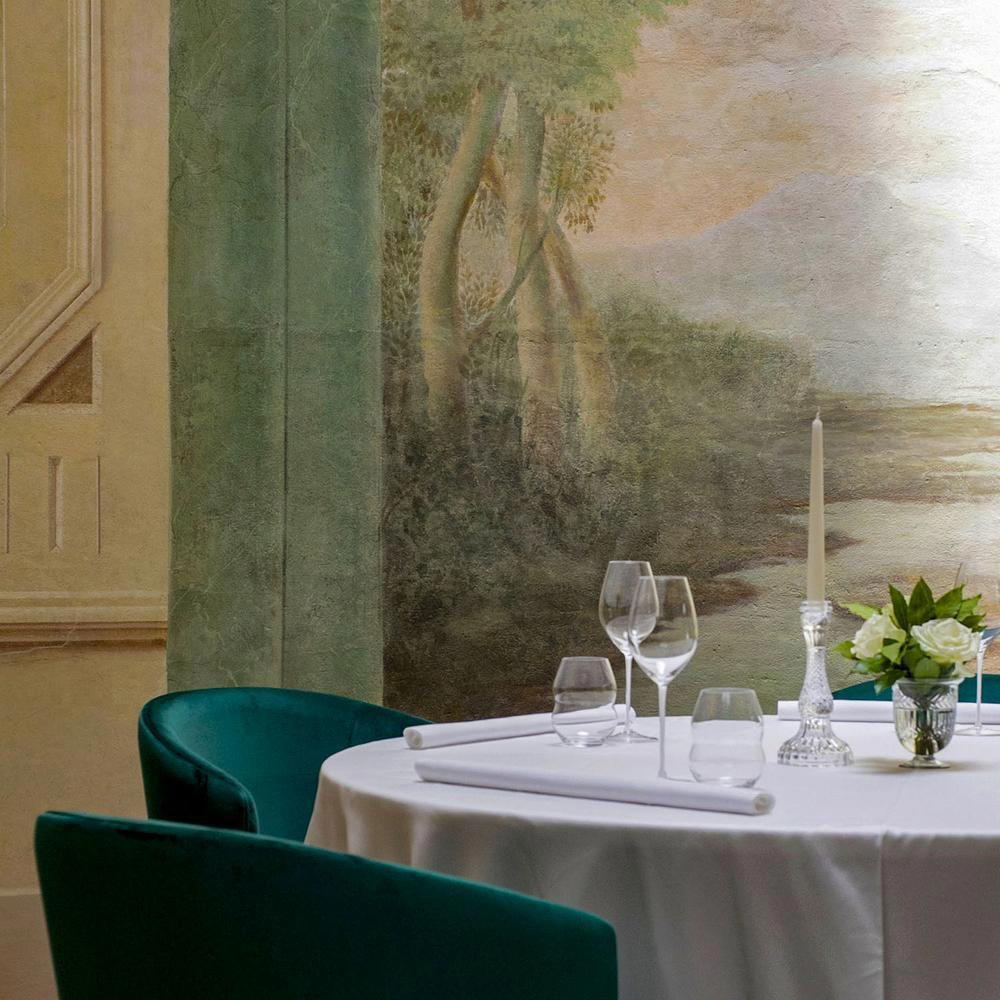
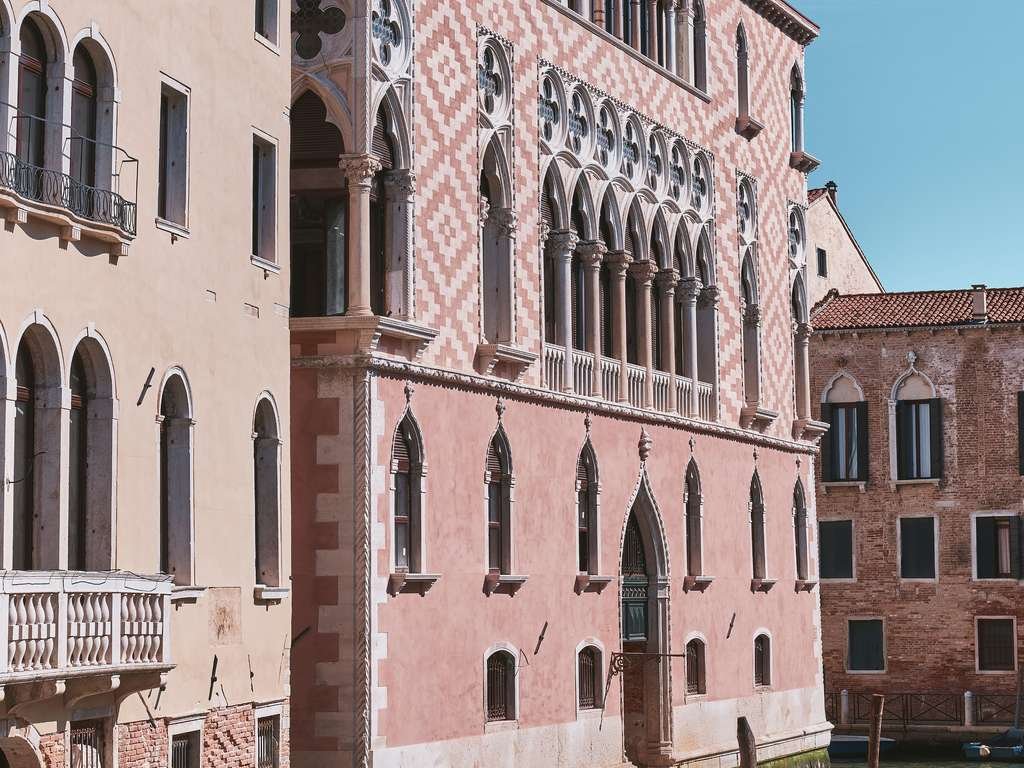
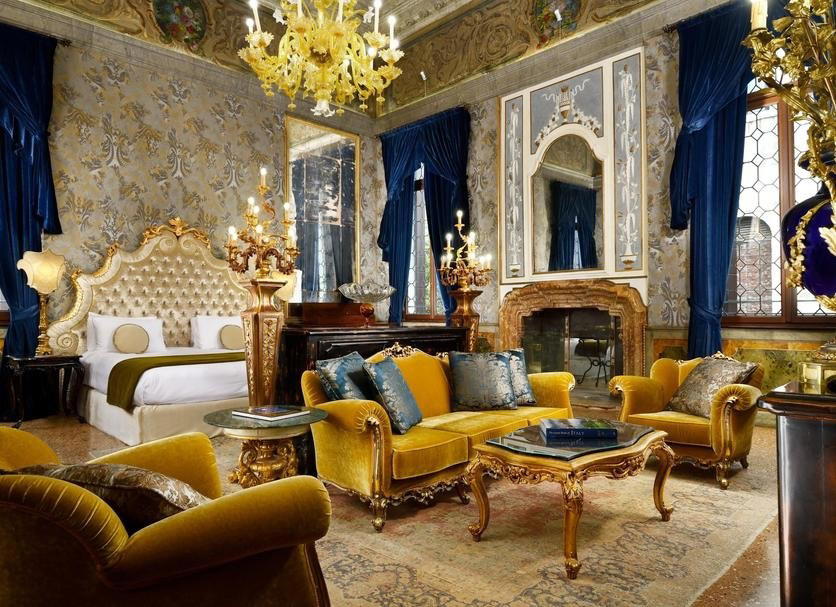
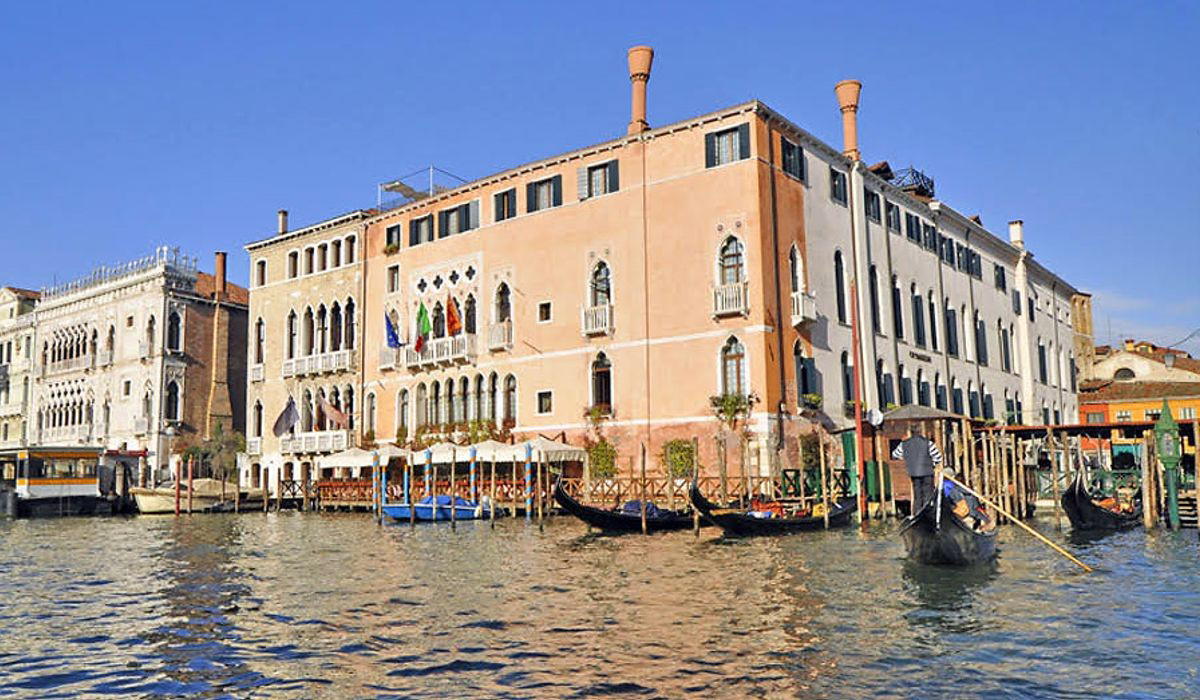
Family-run, tradition-forward winery atmosphere with a modern production mindset and a strong emphasis on craftsmanship and innovation.