
Falstaff Winery - Listed
Reyter is a small family winery in Bozen’s Gries district, shaped by Alto Adige’s mountain-valley climate and a compact vineyard footprint. The focus is organic, low-intervention wine from Lagrein, Schiava/Vernatsch, Chardonnay and resistant varieties, with tastings kept quiet, private and wine-led rather than theatrical.

Pearl is the En Primeur Club membership app — saves, bookings, and concierge access live there. Same editors, same standards.

Approaching wine in Bozen means dealing with a city where vines are part of the setting rather than an abstract backdrop. Reyter is best understood as a small, family-run organic estate in Bozen, surrounded by vineyards and focused on intimate, appointment-based tastings. The experience is not framed as a large hospitality operation or as a polished visitor circuit with a fixed script; it is a quieter, rustic visit centered on natural, low-intervention wines from old Lagrein vines and local varieties. That distinction is important, because Reyter’s appeal lies less in spectacle than in proximity: to the vineyard setting, to the local grapes, and to the kind of small estate identity that can be missed when Bozen is approached only through restaurants, shops or general regional overviews.
Specific claims about production scale, personnel, founding dates, formal scores or detailed bottle lists are not included here unless they are directly verified. The most useful way to describe the estate, then, is through the elements that are clear and consistent: its organic, family-run character; its vineyard surroundings; its old Lagrein vines; its local varieties; and the private, appointment-led rhythm of the visit.
Lagrein, local varieties and the vineyard setting of Bozen
Reyter’s strongest documented identity is its connection to old Lagrein vines and local varieties. That gives the estate a clear regional focus without needing to overstate details about a full range, individual cuvées or outside ratings. For visitors, the draw is the chance to encounter Bozen wine through a small organic property rather than through a broad, commercial tasting-room format. The emphasis is not on collecting labels or moving quickly through a standardized flight, but on seeing how a local estate expresses itself through the grapes and vineyard context closest to it.
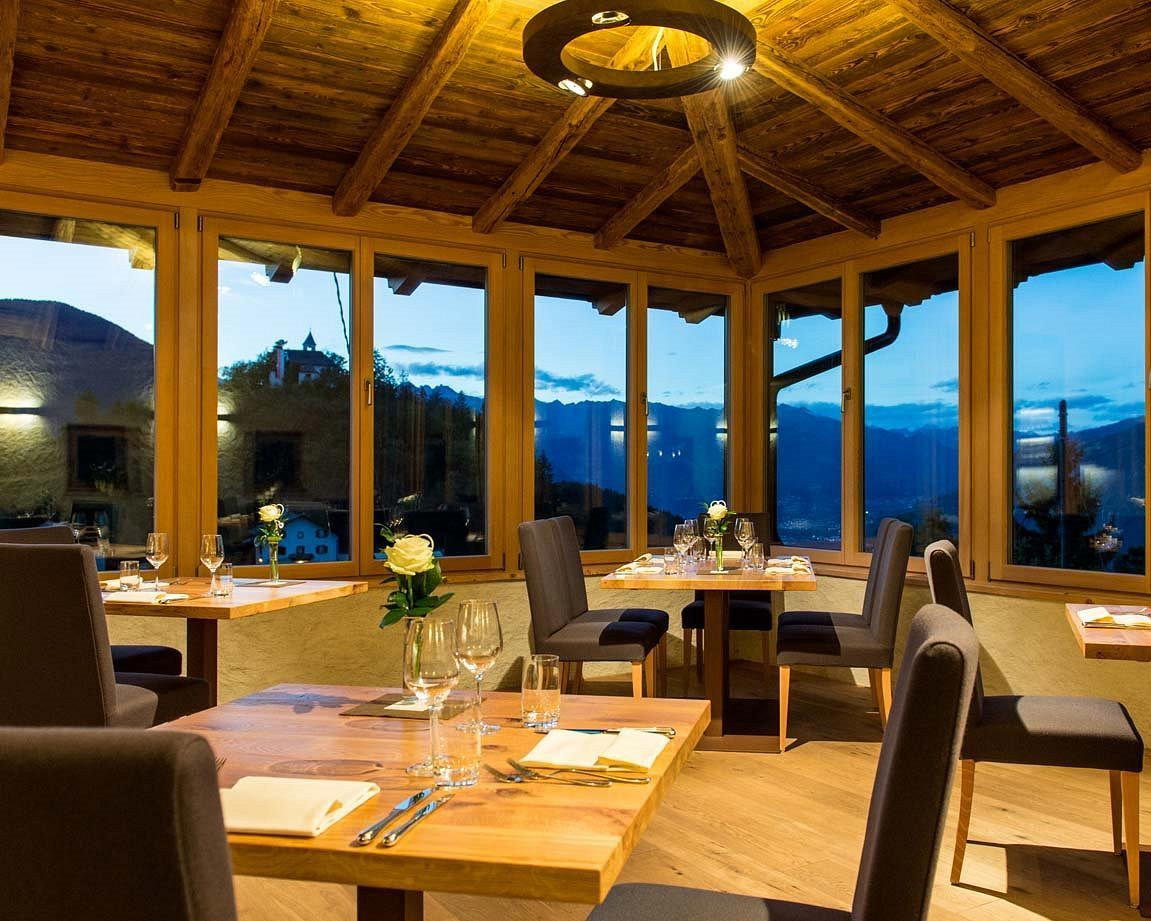
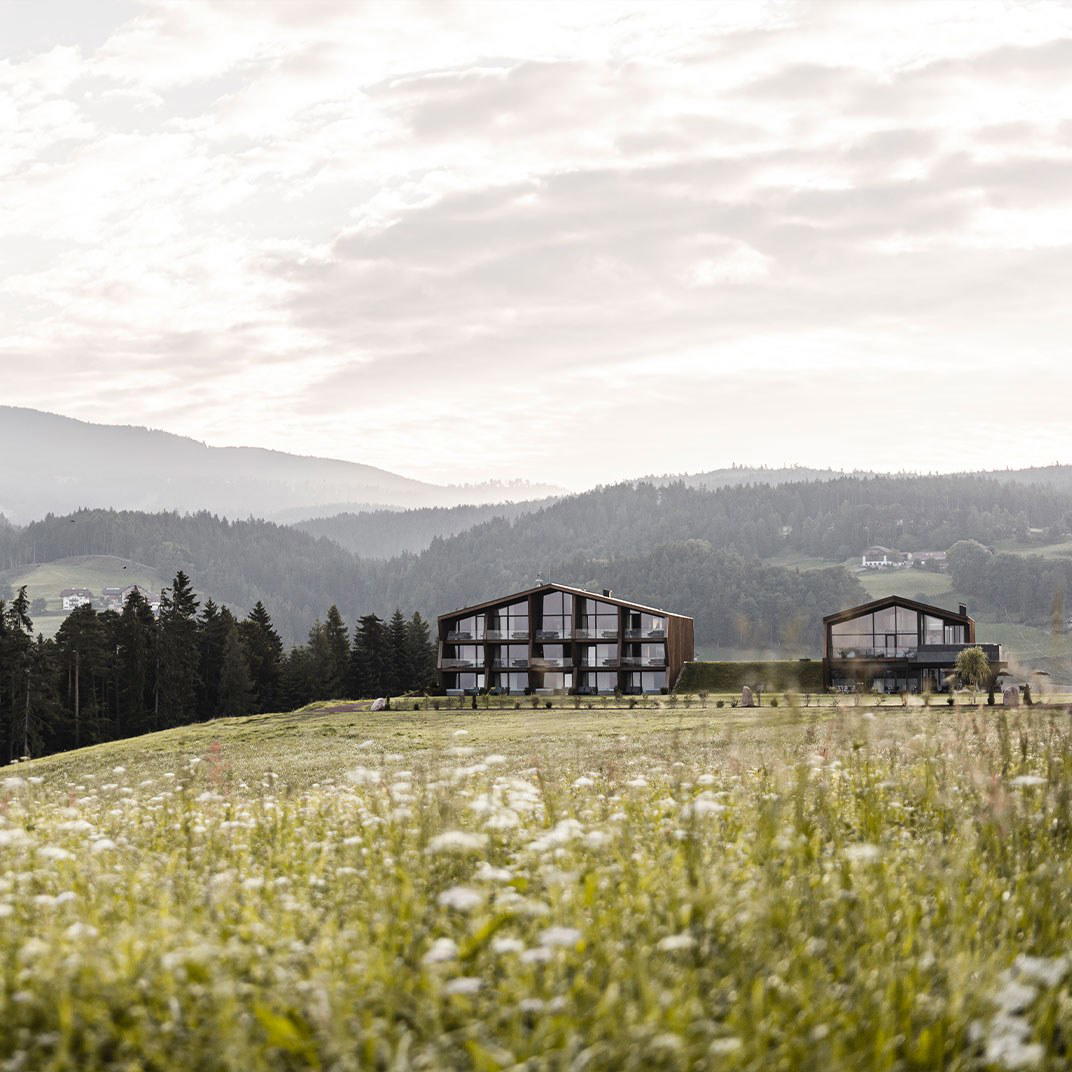
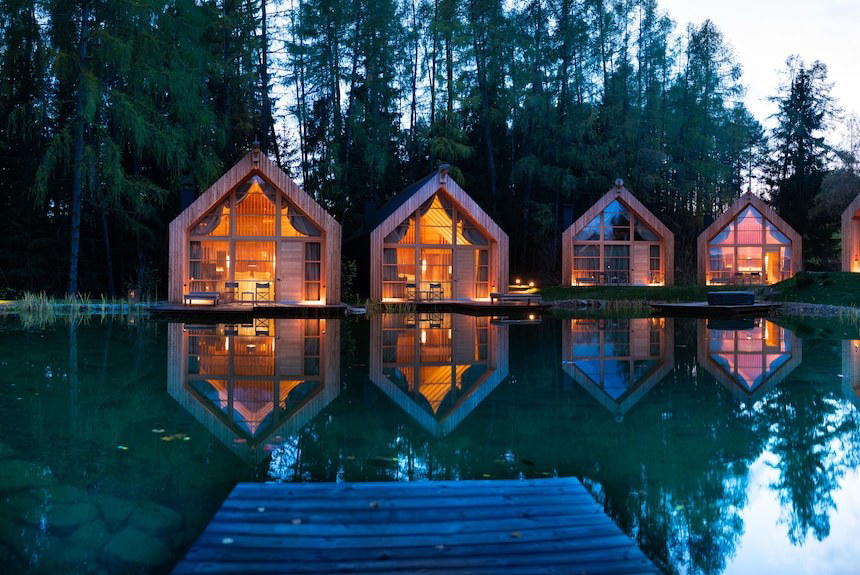
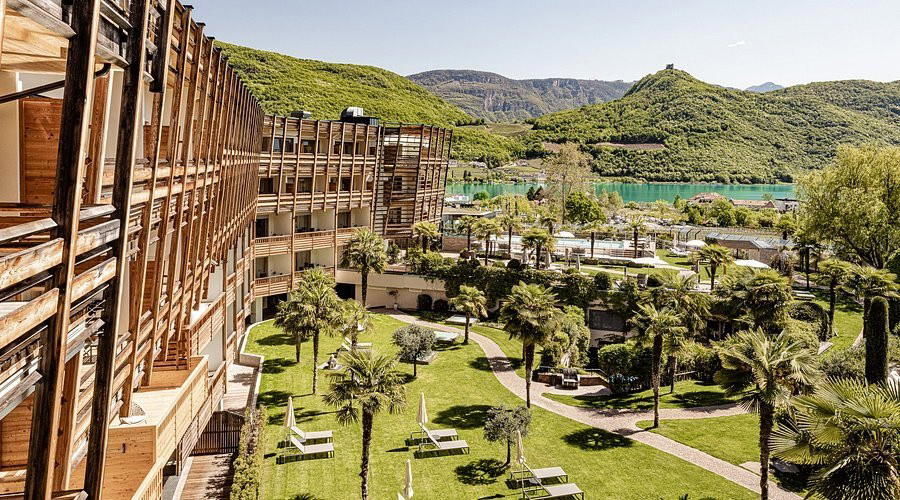
The setting matters as much as the specifics of any one wine. Reyter is described as surrounded by vineyards, with a scenic, rustic character that suits a slower, more personal visit. In that sense, the landscape is not just decorative; it shapes the mood of the tasting and the way the estate is understood. The emphasis is on the estate context and on wines made with a natural, low-intervention approach, which together point toward a more direct, less heavily mediated encounter with Bozen’s wine culture.
That makes Reyter a useful stop for travellers who want a focused introduction to the local wine landscape. Rather than presenting Bozen through an exhaustive list of grapes or technical claims, the estate offers a more compact view: organic farming, old Lagrein vines, local varieties and a small family-run setting. It is a narrow lens, but a valuable one, especially for visitors who prefer depth of place over breadth of information. The point is not that Reyter explains every aspect of Bozen wine, but that it gives a clear, grounded impression of one small estate working within that setting.
A private, wine-led visit rather than cellar-door theatre
Reyter is described as intimate and appointment-based. That is the key planning detail: visitors should treat it as a pre-arranged tasting rather than a casual drop-in stop. The description points to private-feeling tastings focused on the wines and the estate’s vineyard setting. This kind of visit rewards a different pace from a conventional cellar-door circuit. It asks to be planned, confirmed and treated as a specific appointment, not as something to squeeze between unrelated stops without notice.
The visit is also better understood as low-key than high-energy. Its appeal lies in a scenic, rustic atmosphere and in the chance to taste wines connected to old Lagrein vines and local varieties. There is no need to add claims about food pairings, languages, tour formats, hospitality teams or memberships to explain the experience. The essentials are already enough: a small organic estate, an appointment-based tasting, and wines presented in the context of the vineyards around them. That restraint is part of the character, and it keeps the focus on what is actually documented rather than on the kind of hospitality extras that may or may not be present.
For readers mapping a Bozen wine day, Reyter works well as a focused estate visit. Other dining and drinking options in Bozen can be planned around it generically, but the Reyter stop itself should be reserved in advance and approached as a small-scale wine experience rather than a broad overview. It is well suited to travellers who are comfortable with a more personal, less theatrical format and who value the opportunity to understand a place through a modest, vineyard-led encounter.
How to read the estate in an Italian wine itinerary
Reyter is not defined here by scale, spectacle or a conventional luxury script. Its appeal is more specific: Bozen, a small family-run organic estate, vineyards around the property, appointment-based tastings, natural low-intervention wines, old Lagrein vines and local varieties. In an Italian wine itinerary, that specificity is useful. Many trips can become crowded with famous regions, marquee producers and long lists of things to taste; Reyter offers a more concentrated stop, where the value is in slowing down and reading one estate on its own terms.
That makes it most compelling for travellers who prefer focused producer visits over heavily staged hospitality. In a wider Italian wine itinerary, Reyter can serve as a compact Bozen stop: scenic, rustic, intimate and rooted in local vineyard culture. It should be understood as a place for visitors who want a direct encounter with a small organic estate rather than a comprehensive survey of the region. Kept in that frame, Reyter’s strengths are clear: it adds texture to a Bozen itinerary without needing to promise more than the essentials already suggest.
Recognition history
Dated appearances from independent guides and award organizations, with the underlying list record or original source where available.
Falstaff Winery - Listed
Falstaff
Continue exploring
More in Bolzano
Wineries in Bolzano
All wineries in Bolzano →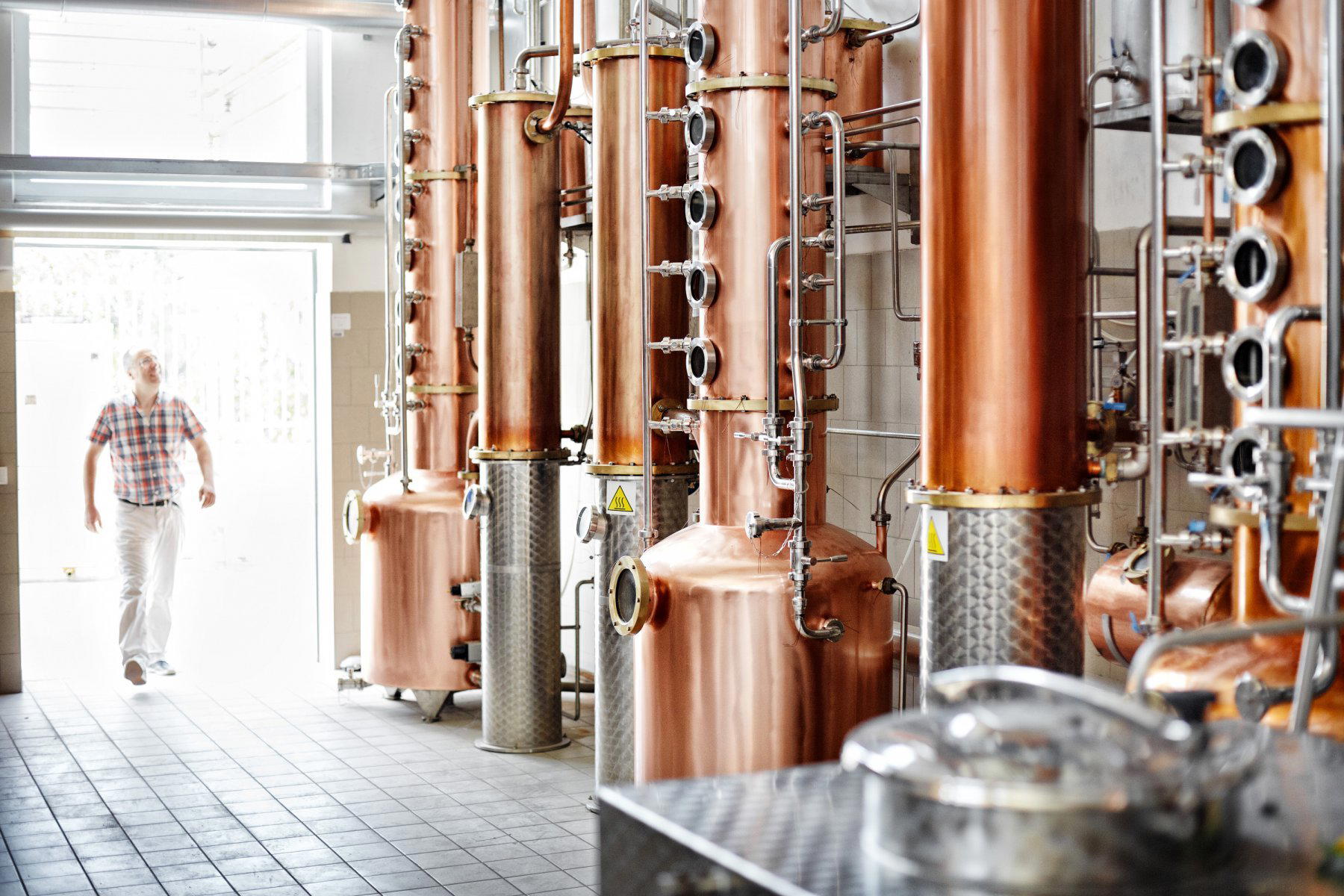
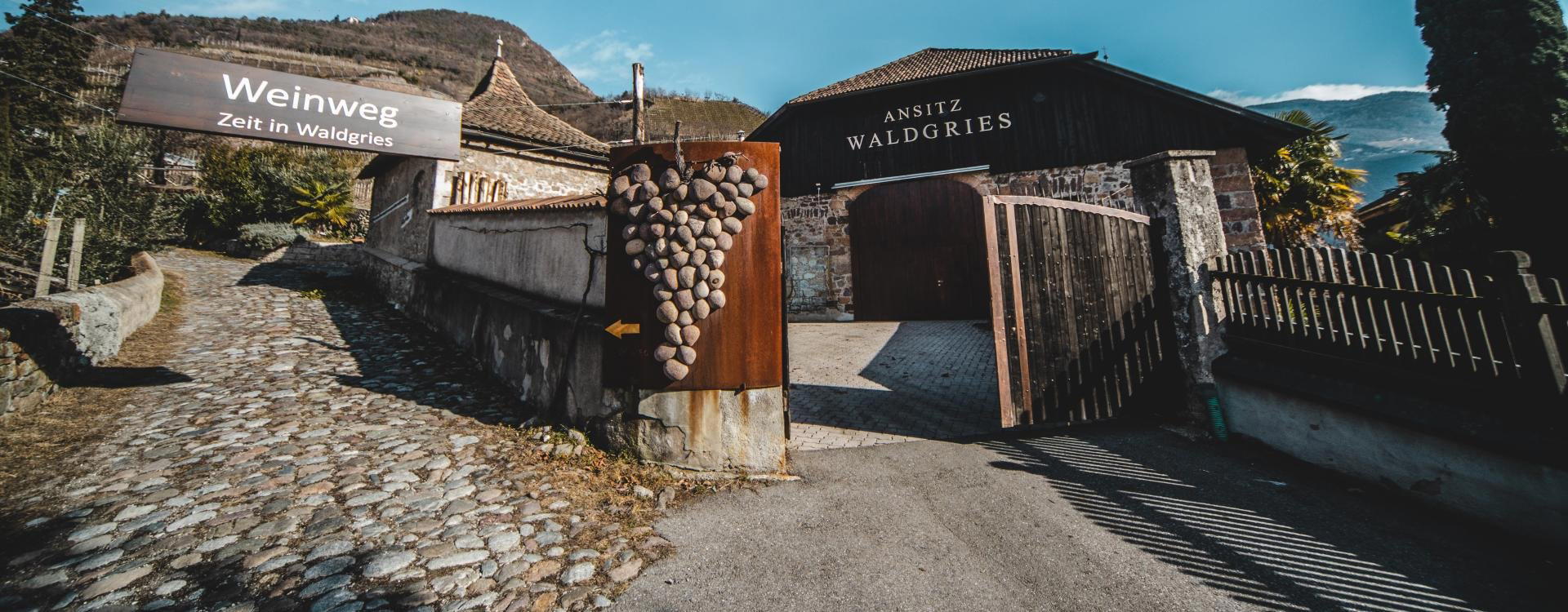

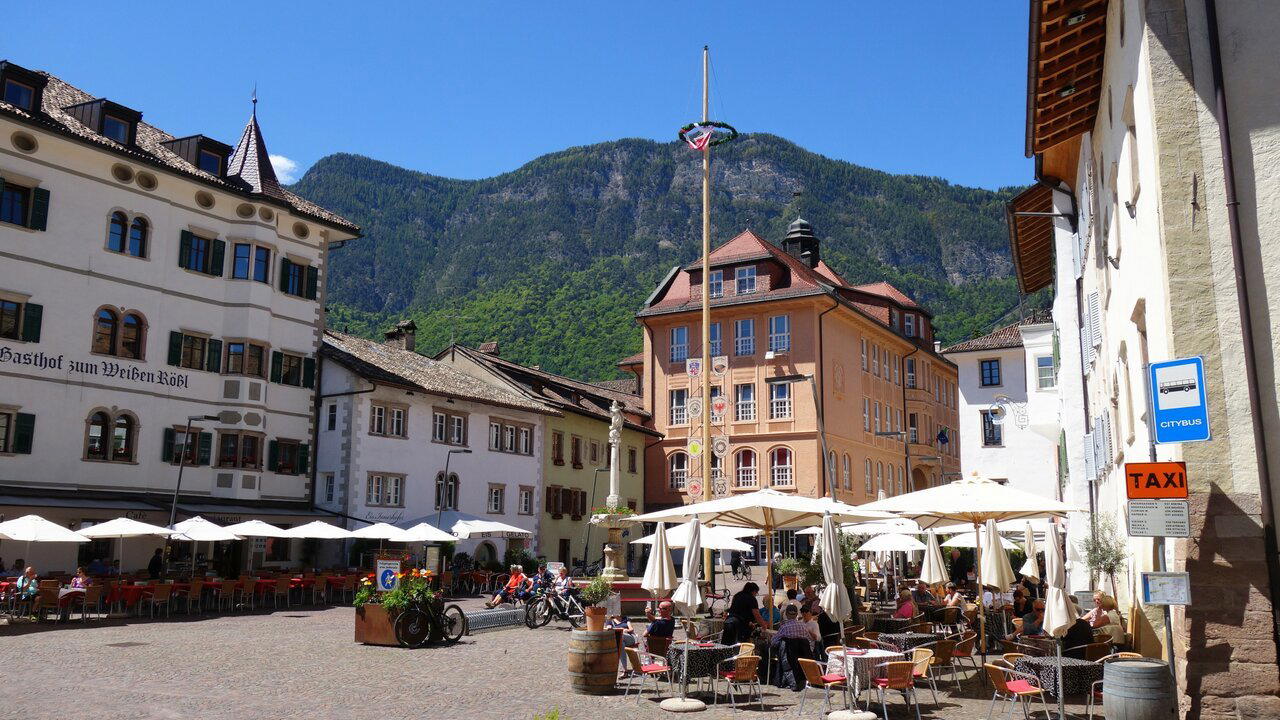
Bars in Bolzano
Browse all →
Restaurants in Bolzano
All restaurants in Bolzano →
Details
- Scenic
- Rustic
- Intimate
- Cozy
- Romantic Getaway
- Group Outing
- Solo Exploration
- Wine Education
- Estate Grounds
- Vineyard Tour
- Private Tasting
- Organic
- Sustainable
- Vineyard
- Mountain
- Lagrein
- Schiava/vernatsch
- Chardonnay
- Bronner
- Muscaris
- Sauvignier Gris
- Still Red
- Still White
- Still Rosé
- Orange
- Skin Contact
- Guided Tasting
- Vineyard Tour Plus Tasting
- Private Appointment
- German
- Italian
- English
Small, family-run organic estate in Bolzano’s Gries district, surrounded by vineyards, offering intimate, appointment-based tastings focused on natural, low-intervention wines from old Lagrein vines and local varieties.