Reeve Wines
Reeve Wines is a small-production Dry Creek Valley estate in Healdsburg, built around appointment tastings, vineyard views, and a place-led reading of Sonoma wine country. The emphasis is on site, sourcing, and a quiet tasting format rather than a high-volume cellar-door circuit, with Pinot Noir, Chardonnay, Riesling, and Sangiovese in the frame.
Pearl is the En Primeur Club membership app — saves, bookings, and concierge access live there. Same editors, same standards.
- Address
- 4551 Dry Creek Road, Healdsburg, CA 95448
- Website
- reevewines.com
- Directions
- Get directions
 Saves & bookings on Pearl
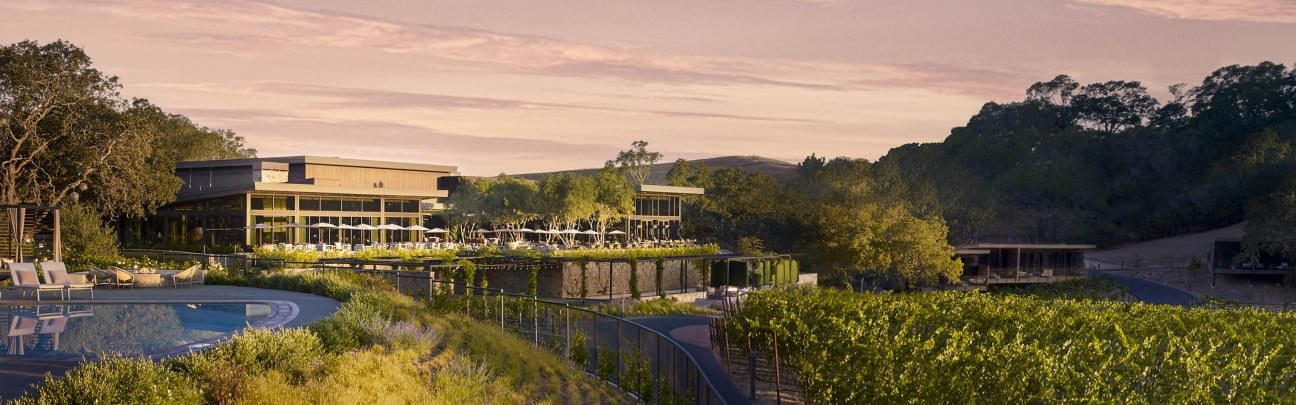
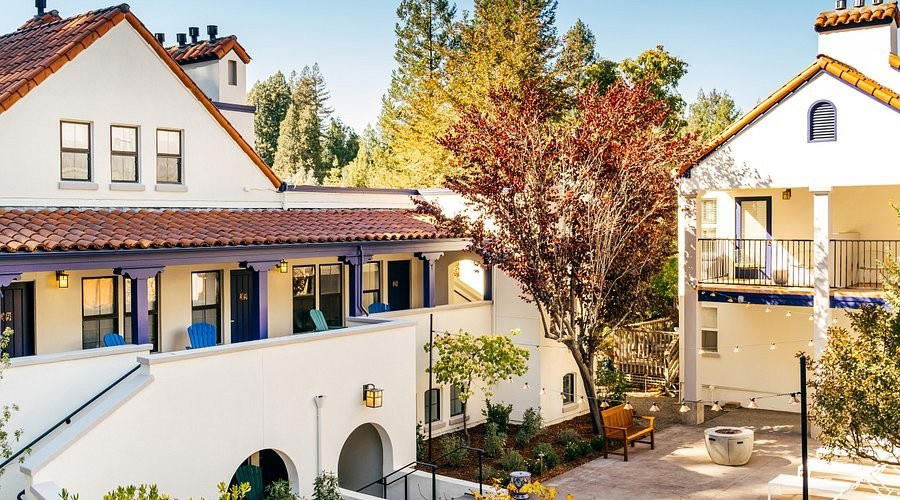
Dry Creek Valley has a different rhythm from the faster tasting-room loops closer to town: more rural road, more vineyard edge, more sense that the visit is meant to slow the day down. Reeve Wines fits that register with mission-style casas, an open-air veranda, live oaks, and a small-production estate format that treats the property as part of the tasting rather than background scenery. In Healdsburg, where winery itineraries can tilt either toward polished hospitality or agricultural intimacy, this is the quieter side of the spectrum.
Dry Creek Valley as the main argument
The strongest signal here is terroir, not in the overworked sense of poetic soil talk, but in the way the winery organizes its identity around place. The public-facing architecture gives real weight to origins, philosophy, vineyards, estate, and team, which places the land before the sales pitch. That matters in Sonoma, where the premium conversation has moved beyond varietal recognition into questions of site, farming intention, and how much of a wine’s identity can be traced back to where it was grown.
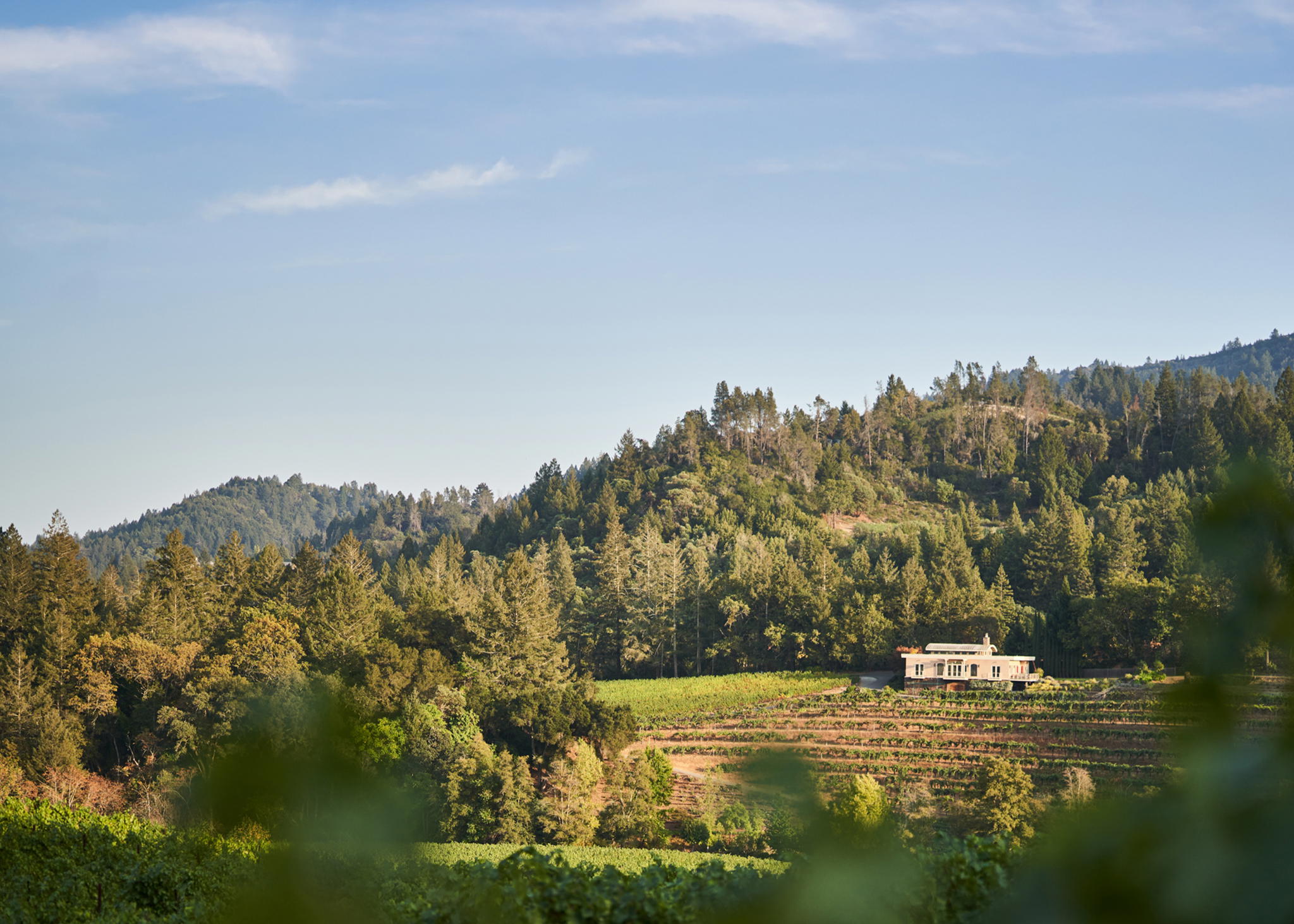
The vineyard setting is not incidental. The estate sits in the Dry Creek Valley AVA, a Healdsburg corridor where the visual language of vines, oak, garden, and mountain views forms part of the regional grammar. Reeve Wines works within that grammar by keeping the experience small, quiet, and appointment-based. The result is less about spectacle and more about reading the valley through a controlled tasting format, with the surrounding grounds doing part of the interpretive work.
Portfolio frame is broad enough to avoid a single-variety cliché. Pinot Noir, Chardonnay, Riesling, and Sangiovese give the estate a conversation that reaches across still red, still white, rosé, and sparkling styles. That combination is useful for visitors who want a Sonoma tasting that does not collapse into one dominant category. It also suggests a producer more interested in range and site interpretation than in building the entire visit around one expected regional shorthand.
A tasting room built for quiet, not throughput
Small-production wineries increasingly divide into two camps: those that scale hospitality into an event machine, and those that keep the visit deliberately contained. Reeve Wines belongs to the second camp. The tasting format is by reservation, with appointment and private tasting options, a 60- to 90-minute duration, outdoor seating, and a quiet noise profile. That combination tells an experienced traveler nearly everything necessary about pacing: this is not a drop-in counter designed for fast turnover.
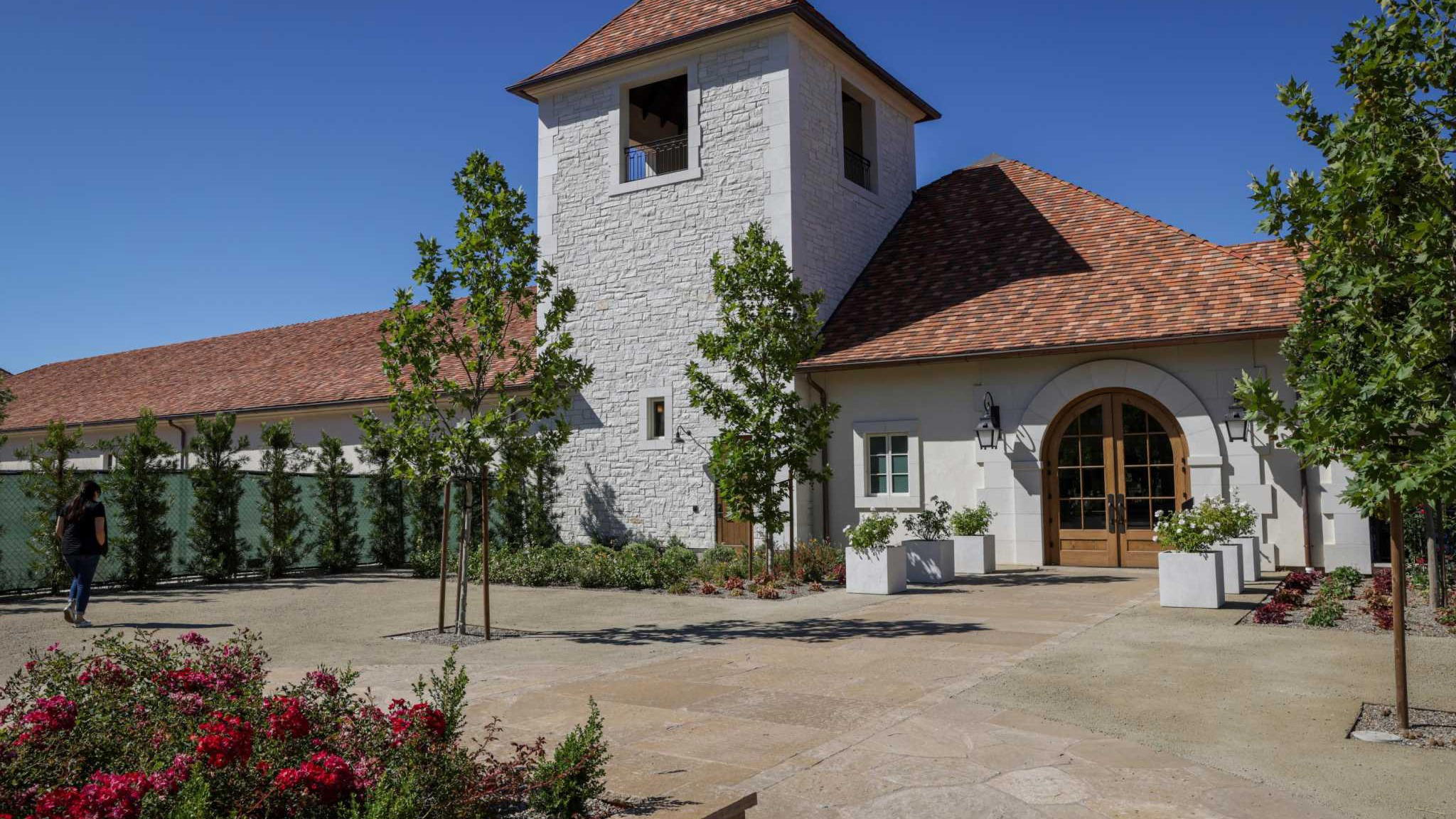
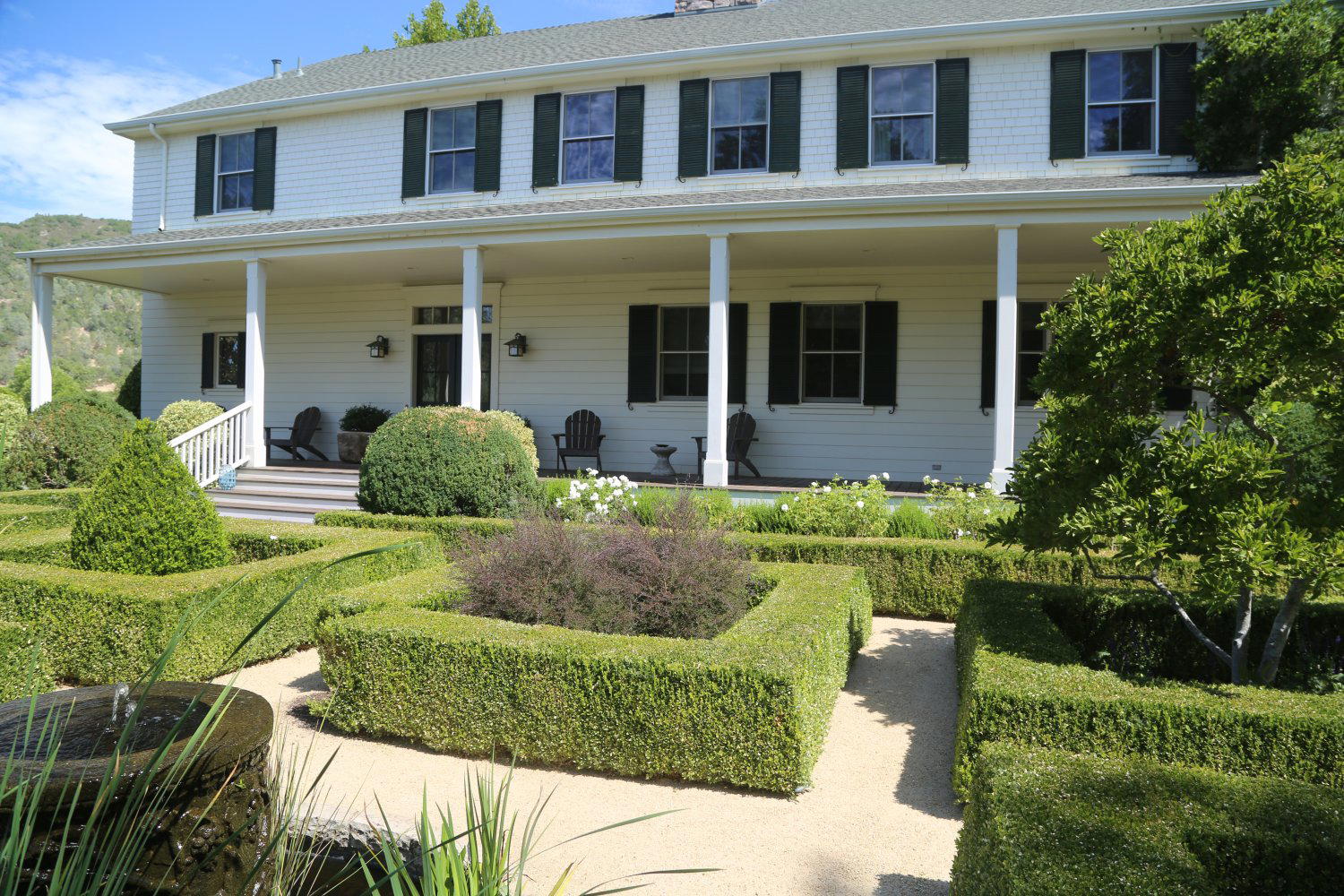
The physical cues reinforce the format. A mission-style tasting room and veranda create a grounded, estate-house feeling rather than a commercial showroom. Vineyard, garden, and mountain views place the glass in context, which is exactly what a terroir-led winery should do. The absence of food pairing as a listed feature also sharpens the expectation: the wines, the grounds, and the hosted explanation carry the visit, rather than a kitchen-led pairing structure.
Winemaker Noah Dorrance gives the estate a named technical lead, but the more relevant editorial point is how contemporary Sonoma wineries use visible team identity as part of trust-building. In a region crowded with polished brands, naming the people behind production helps separate an estate-led wine program from a purely retail tasting room. The winery’s open date, 2015, also places it in a newer generation of Healdsburg producers that came of age after the region’s hospitality model had already matured.
Sustainability is part of the stated production philosophy, and the sourcing language includes sustainable practice. That is a useful signal, though the meaningful distinction in premium wine is always between broad stewardship language and formal certification. Here, the practical takeaway is measured: sustainability belongs to the estate’s identity, but the visit should be judged primarily on the clarity of the tasting, the site connection, and the wines in the glass.
How to place it in a Healdsburg itinerary
For a wine-country day, this is the sort of stop that benefits from breathing room on either side. The setting and private-tasting structure make it better suited to a focused Dry Creek Valley segment than to a packed circuit. It also works for small groups, wine education, special occasions, and romantic getaways, all categories that depend more on pace and setting than on volume. Casual dress fits the rural estate context, and the mood is quiet rather than social-club loud.
Travelers building a broader Healdsburg plan should treat the winery as one part of a larger regional map. For the full wine-country frame, start with Our full Healdsburg wineries guide, then balance tastings with Our full Healdsburg restaurants guide, Our full Healdsburg hotels guide, Our full Healdsburg bars guide, and Our full Healdsburg experiences guide. Within Healdsburg’s winery universe, readers often cross-reference estate and producer styles through pages such as A. Rafanelli Winery, Angels & Cowboys Wines, Arista Winery, Bacigalupi Vineyards, and Banshee Wines.
There is also value in comparing the broader category of small, place-conscious wineries across regions, not as direct peers, but as a way to understand how wine hospitality changes with geography. EP Club’s wider winery coverage includes 00 Wines in Carlton, 13th Vineyard in Angwin, 50 West Vineyards in Aldie, »der Steiner« Hans Steiner in Podersdorf am See, and & Handwein in Mannheim. The point is not that these addresses occupy the same lane; it is that serious wine travel now rewards readers who understand format, setting, and production philosophy as much as label recognition.
The editorial case for the winery is therefore clear enough: choose it for a quiet Dry Creek Valley tasting shaped by estate setting, small-production scale, and a land-first narrative. It is not built around dining, nightlife, or a trophy-wall proposition. It is built around the slower discipline of tasting wine where vineyard, veranda, and valley are allowed to frame the glass.
Continue exploring
More in Healdsburg
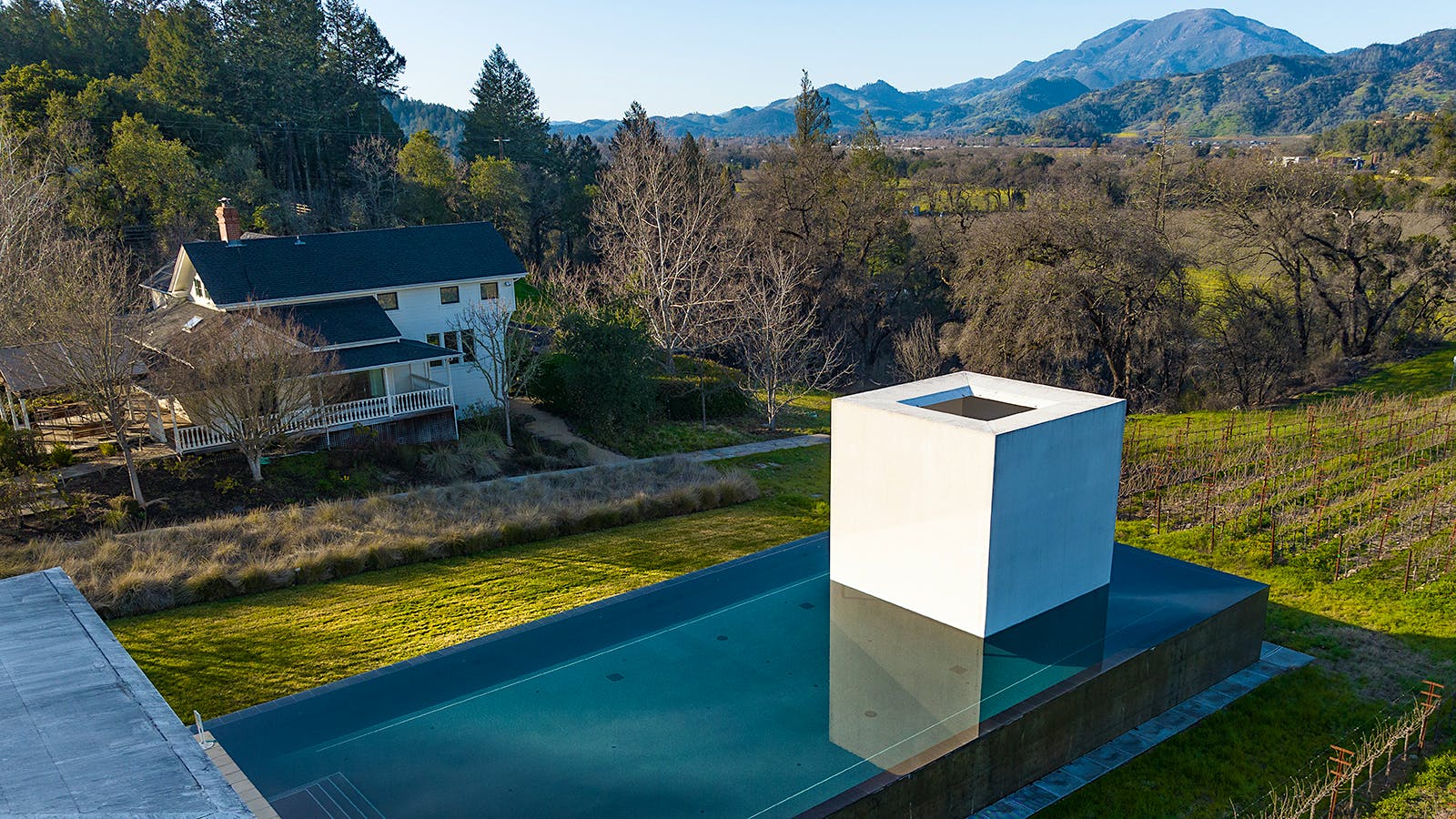
Wineries in Healdsburg
Browse all →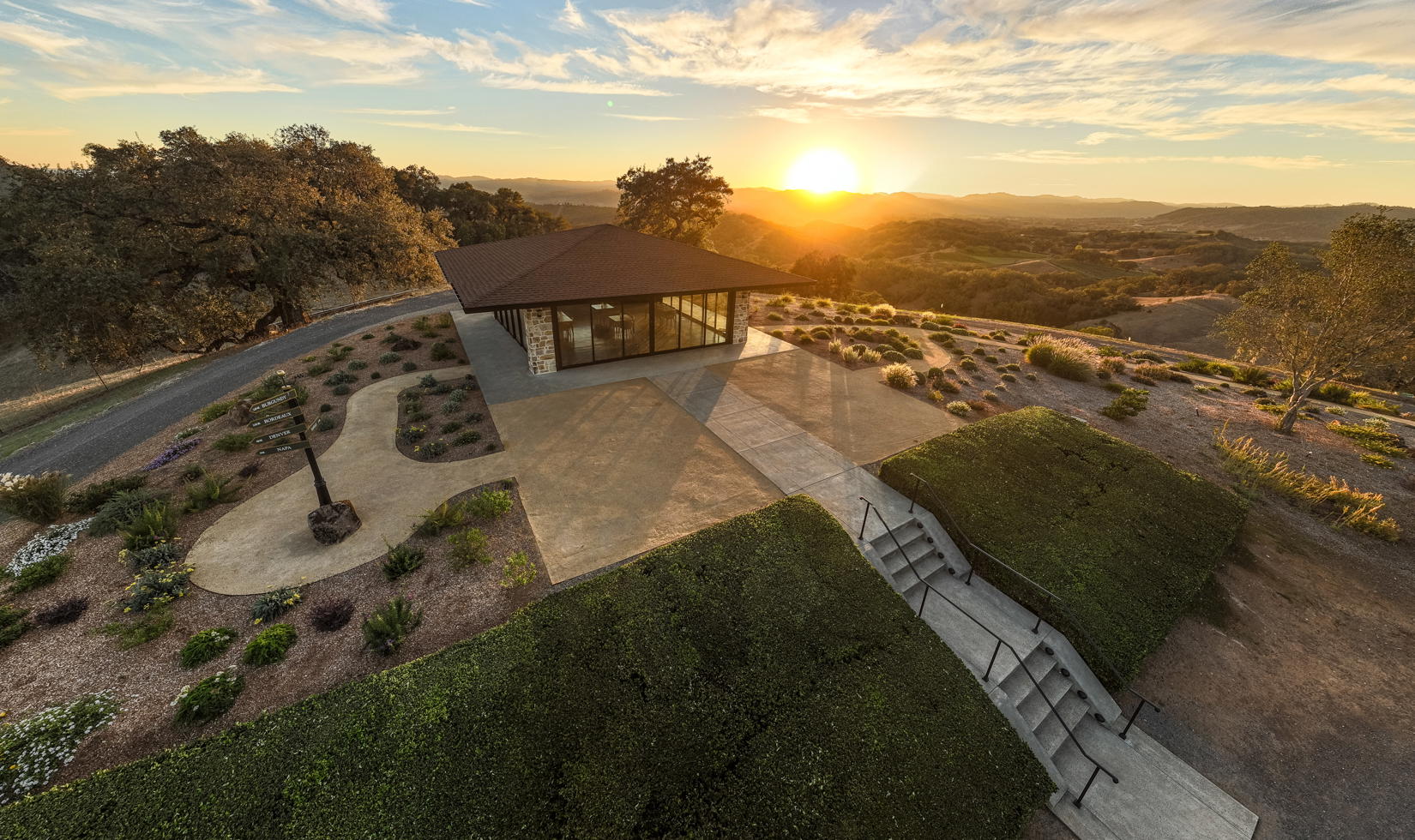
Bars in Healdsburg
Browse all →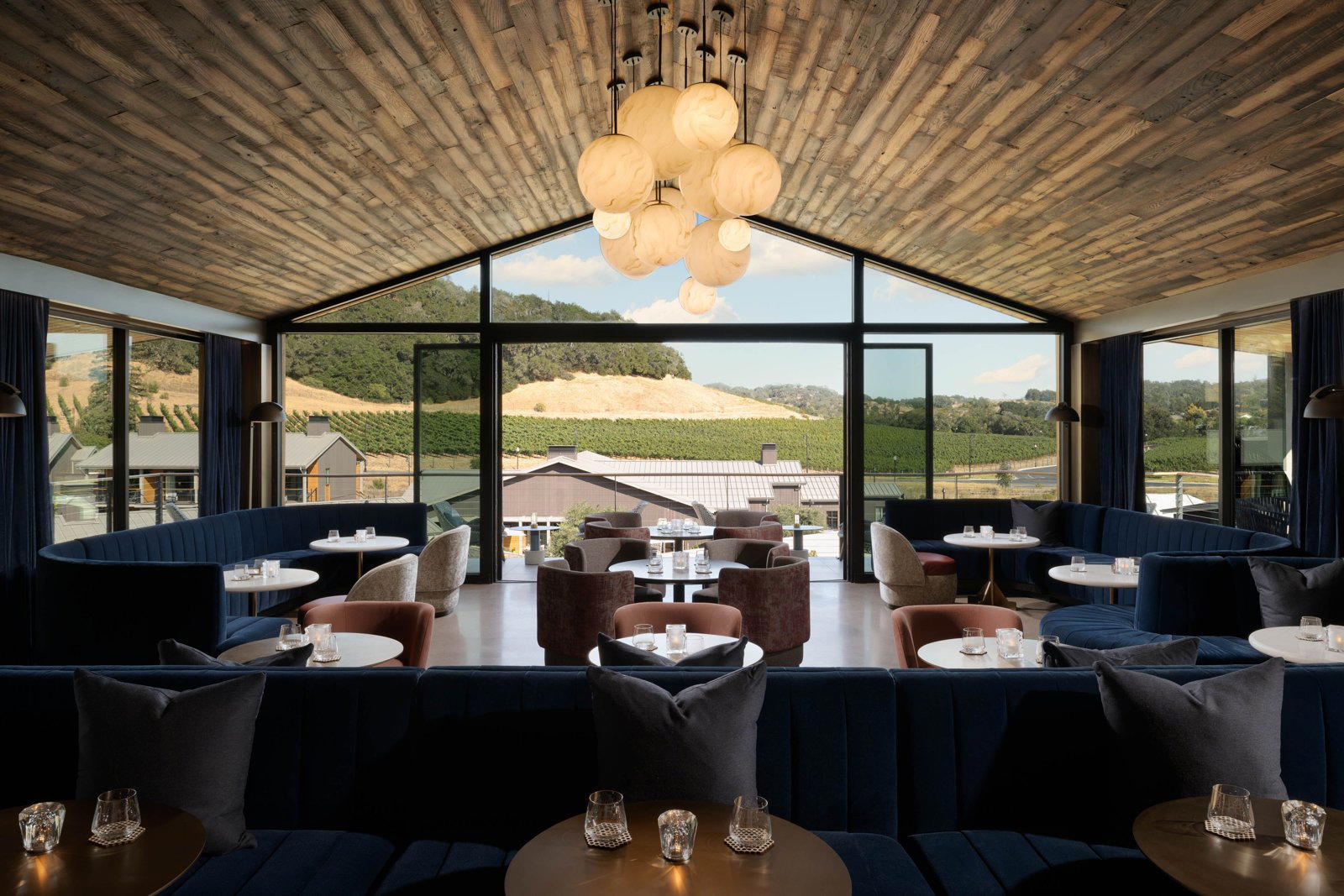
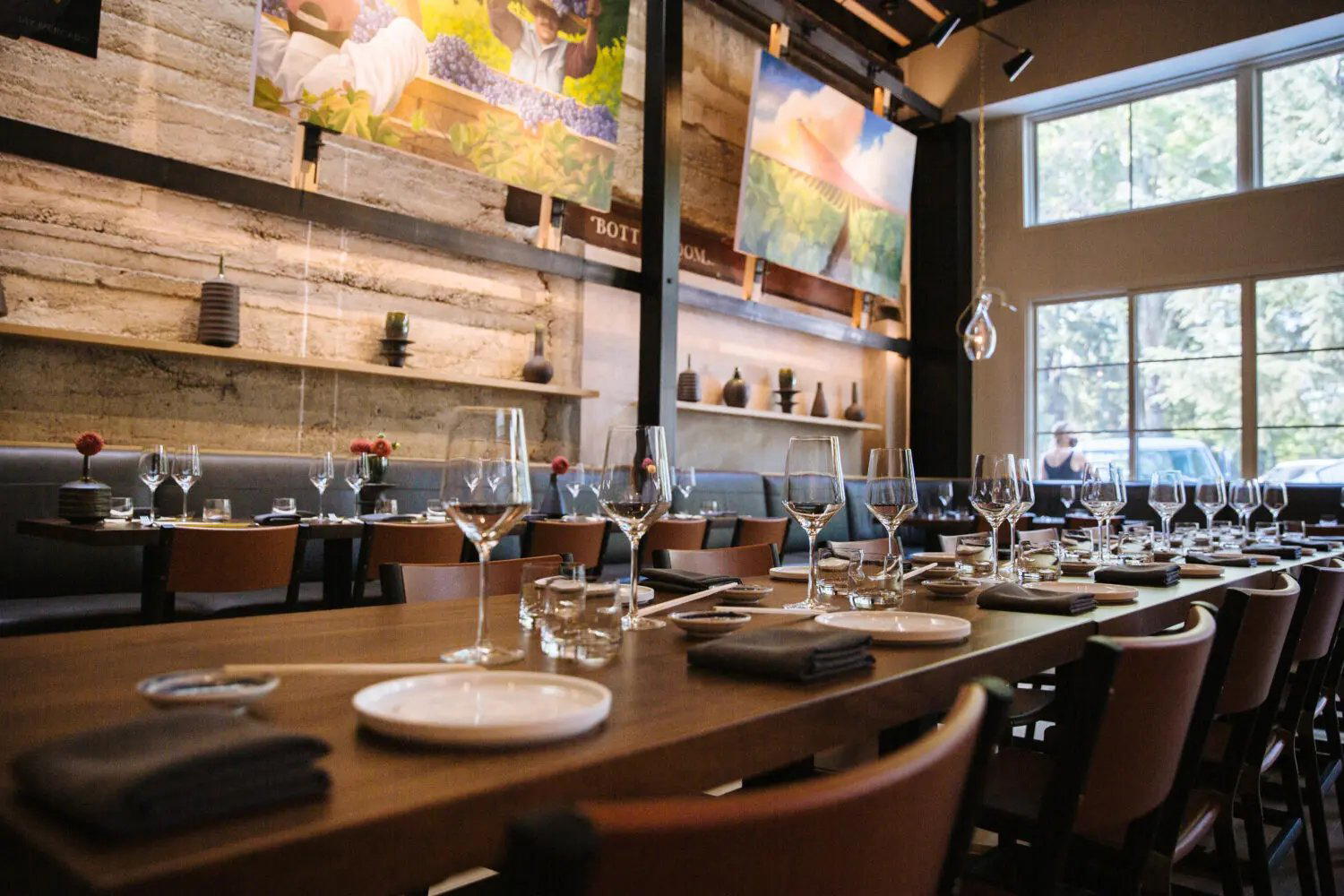
Restaurants in Healdsburg
Browse all →
At a Glance
- Scenic
- Quiet
- Rustic
- Intimate
- Sophisticated
- Special Occasion
- Romantic Getaway
- Group Outing
- Wine Education
- Private Tasting
- Estate Grounds
- Terrace
- Vineyard Tour
- Sustainable
- Vineyard
- Garden
- Mountain
- Dry Creek Valley AVA
- Pinot Noir
- Chardonnay
- Riesling
- Sangiovese
- Still Red
- Still White
- Still Rosé
- Sparkling
- Appointment Tasting
- Private Tasting
Set among live oak trees and acres of vines in Dry Creek Valley, with a mission-style tasting room and open-air veranda that gives the property a rustic, scenic feel.