Pierre-André et Stéphane Blondel

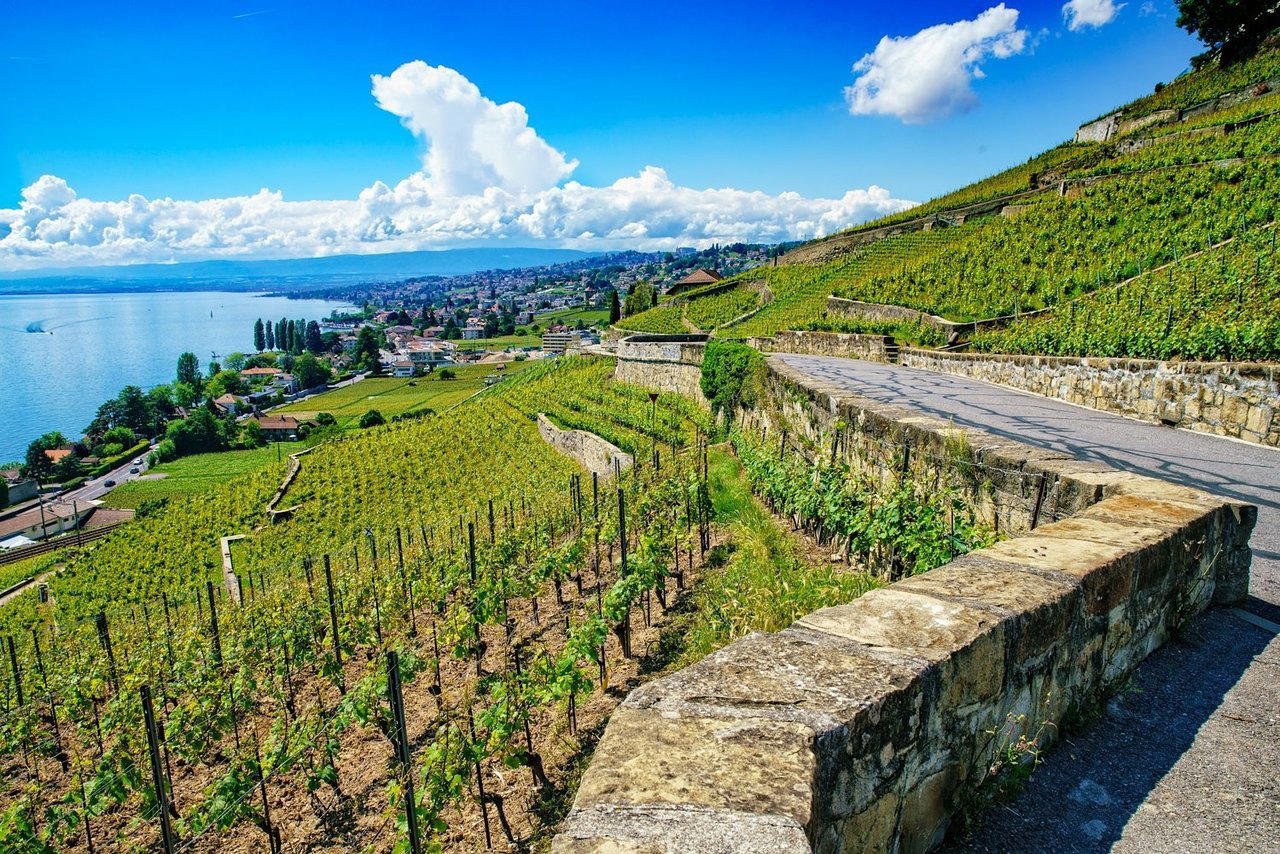
Pierre-André et Stéphane Blondel gives Lutry a small-scale Lavaux reading rather than a polished cellar-door performance. The interest is the terrain: steep UNESCO-listed terraces above Lake Geneva, a family-run cellar, eight grape varieties, and a compact estate scale that keeps the experience close to vine and bottle.
Pearl is the En Primeur Club membership app — saves, bookings, and concierge access live there. Same editors, same standards.
- Address
- Lutry, Canton of Vaud, Schweiz
 Saves & bookings on Pearl
Approaching wine in Lutry means starting with the setting and the cellar rather than a scripted visitor experience. Pierre-André et Stéphane Blondel is best understood as a family-run Lavaux estate in Lutry, with a traditional working cellar and an informal, artisanal tasting style. The first impression to carry into the visit is therefore not one of spectacle or packaged hospitality, but of place: a local wine address shaped by its vineyard context and by the practical rhythms of cellar work.
The profile is deliberately modest: this is a $$ venue focused on vineyard-to-bottle craft in a classic Swiss wine context. Rather than relying on claims about specific varieties, production scale, awards, or visitor amenities, the useful way to frame the estate is as a local Lavaux stop where the working-cellar character is central. That restraint matters, because it keeps expectations aligned with what is actually grounded: a family-run wine property, a Lutry base, and a tasting experience that reads as direct and hands-on rather than staged.
Lavaux context and a cellar built around craft
Lavaux is the essential context for Pierre-André et Stéphane Blondel. The estate’s identity is tied to Lutry, where the experience is closer to a working cellar than to a polished tourist showroom. In practical terms, that means the value of the stop comes from proximity to the place where the wines are made and from the sense that the cellar is part of an ongoing agricultural and craft process, not simply a backdrop for visitors.
That makes the venue useful for travellers trying to understand Swiss wine through a family-run property. The emphasis is not on a formal luxury format, a stated menu, or a confirmed awards story; it is on the direct connection between vineyard work, cellar practice, and the bottle. For travellers who want Lavaux to feel tangible rather than abstract, this kind of estate can be especially instructive, because it keeps the conversation close to the fundamentals: land, labour, fermentation, storage, and the final wine in the glass.
For a page with limited data, it is important not to overstate the details. Specific grapes, production figures, founding dates, visitor services, and recognition claims should be confirmed directly with the estate before being used for planning. Particularly reliable reading is therefore a careful one: Pierre-André et Stéphane Blondel should be approached as a traditional Lutry cellar with family-run character, not as a venue to define through extras. That caution does not weaken the appeal; it simply places the emphasis where it belongs, on the grounded cellar identity.
Why the format suits travellers who want wine culture, not a scripted tasting
The winery suits visitors who prefer informal, artisanal tastings and a sense of local cellar craft. The appeal is the family-run Lavaux setting, the traditional working cellar, and the focus on how wine is made from vineyard to bottle. This is the kind of address that will work well to travellers who are comfortable with a less choreographed format and who see value in a tasting that feels connected to the everyday life of a wine estate.
Because public detail is limited here, travellers should treat logistics such as booking requirements, languages, group suitability, food, parking, and accessibility as items to confirm directly before visiting. What is grounded is the character of the place: a Lutry Lavaux estate with a classic Swiss wine focus rather than a heavily staged hospitality format. That distinction is important for planning. A visitor expecting a full-service tasting room with clearly published amenities may need more confirmation in advance, while someone looking for a direct cellar encounter can understand the appeal more immediately.
For broader planning in the area, consider other dining, wine, and travel options in Lutry generically, then confirm details directly with each venue before building an itinerary. The winery can fit best as part of a wine-led exploration of the area rather than as a stand-alone attraction defined by fixed visitor promises. Keeping the plan flexible, and checking the practical details ahead of time, helps preserve what is most attractive about the stop: its modest, local, working-cellar feel.
The read
The winery is strongest when approached as a family-run Lavaux cellar stop in Lutry rather than a checklist attraction. The value is in the informal, artisanal feel and the focus on vineyard-to-bottle craft. Travellers looking for a highly polished tasting-room experience may want to verify the format in advance; travellers interested in a traditional working cellar will have the clearest reason to go. In short, this is a venue to read through authenticity of setting and craft rather than through a long list of published amenities. Its appeal is quieter, more local, and more dependent on the cellar’s working character than on a scripted visitor narrative.
Recognition history
Dated appearances from independent guides and award organizations, with the underlying list record or original source where available.
Falstaff Winery - Listed
Falstaff
Continue exploring
More in Lutry
At a Glance
- Scenic
- Rustic
- Classic
- Intimate
- Group Outing
- Celebration
- Wine Education
- Special Occasion
- Solo Exploration
- Estate Grounds
- Vineyard Tour
- Panoramic View
- Waterfront
- Vineyard
- Waterfront
- Mountain
- Lavaux AOC
- Chasselas
- Pinot Gris
- Pinot Noir
- Gamaret
- Garanoir
- Mara
- Merlot
- Cabernet Franc
- Still White
- Still Red
- Still Rosé
- Estate Tasting
- Event Based Tasting
- Vineyard Walk
Family-run Lavaux estate with a traditional working cellar in the hamlet of Daley above Lutry; tastings are informal and artisanal rather than polished tourist experiences, with a focus on the vineyard-to-bottle craft in a classic Swiss winegrowing setting.