
Falstaff Winery - 3 Stars
Pfannenstielhof is a small historic wine estate in Bozen shaped by South Tyrol’s red-wine grammar: Schiava, Lagrein, pergola-trained vines, and morainic soils. Its appeal is not spectacle but continuity, with the Pfeifer family linked to the estate since 1816 and a cellar identity built around St. Magdalener and Alto Adige reds.

Pearl is the En Primeur Club membership app, where members save venues, book tables and use the concierge.

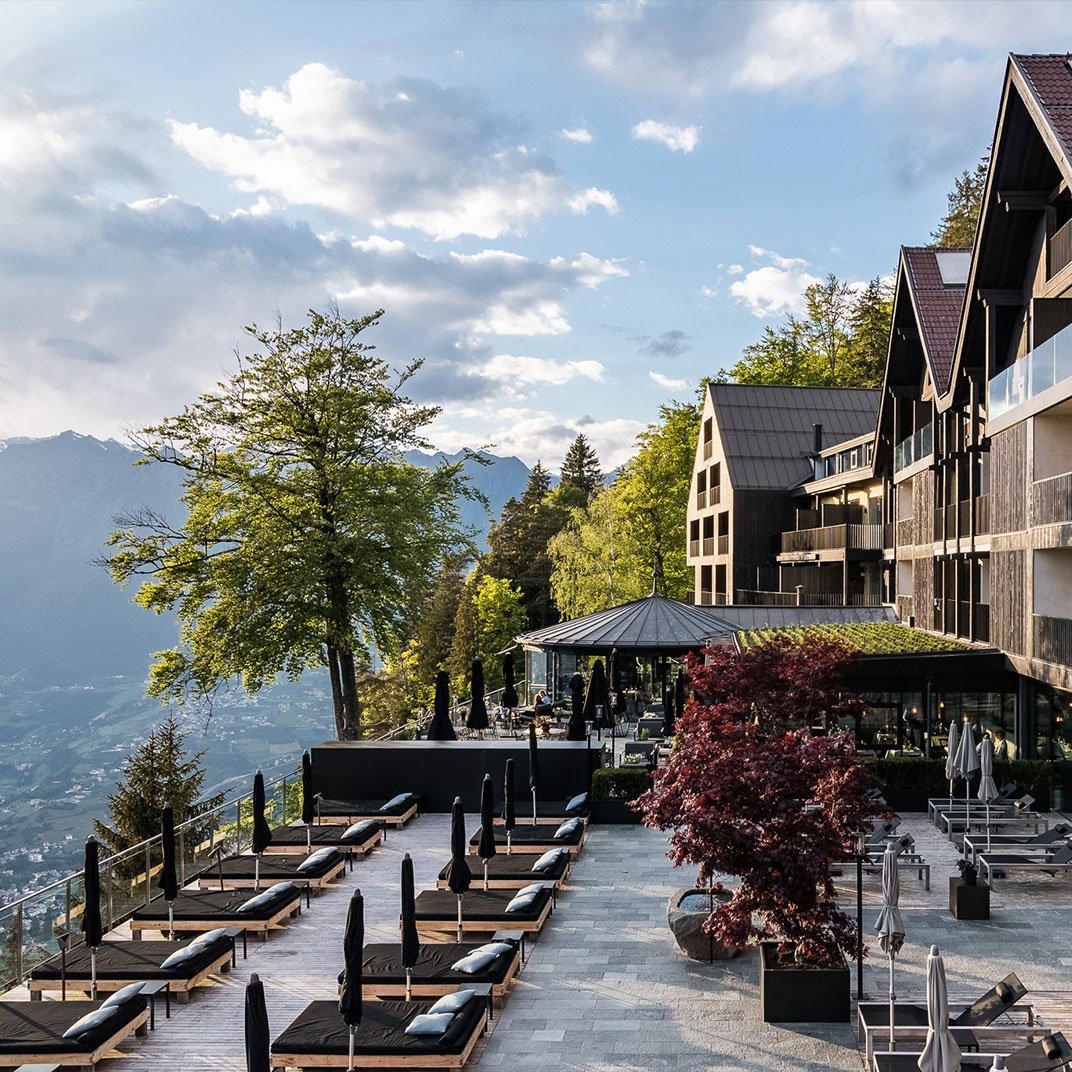
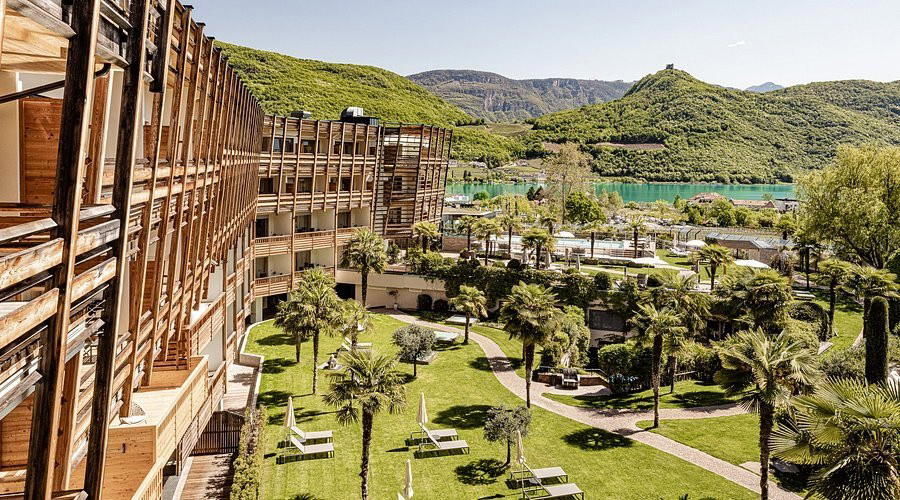
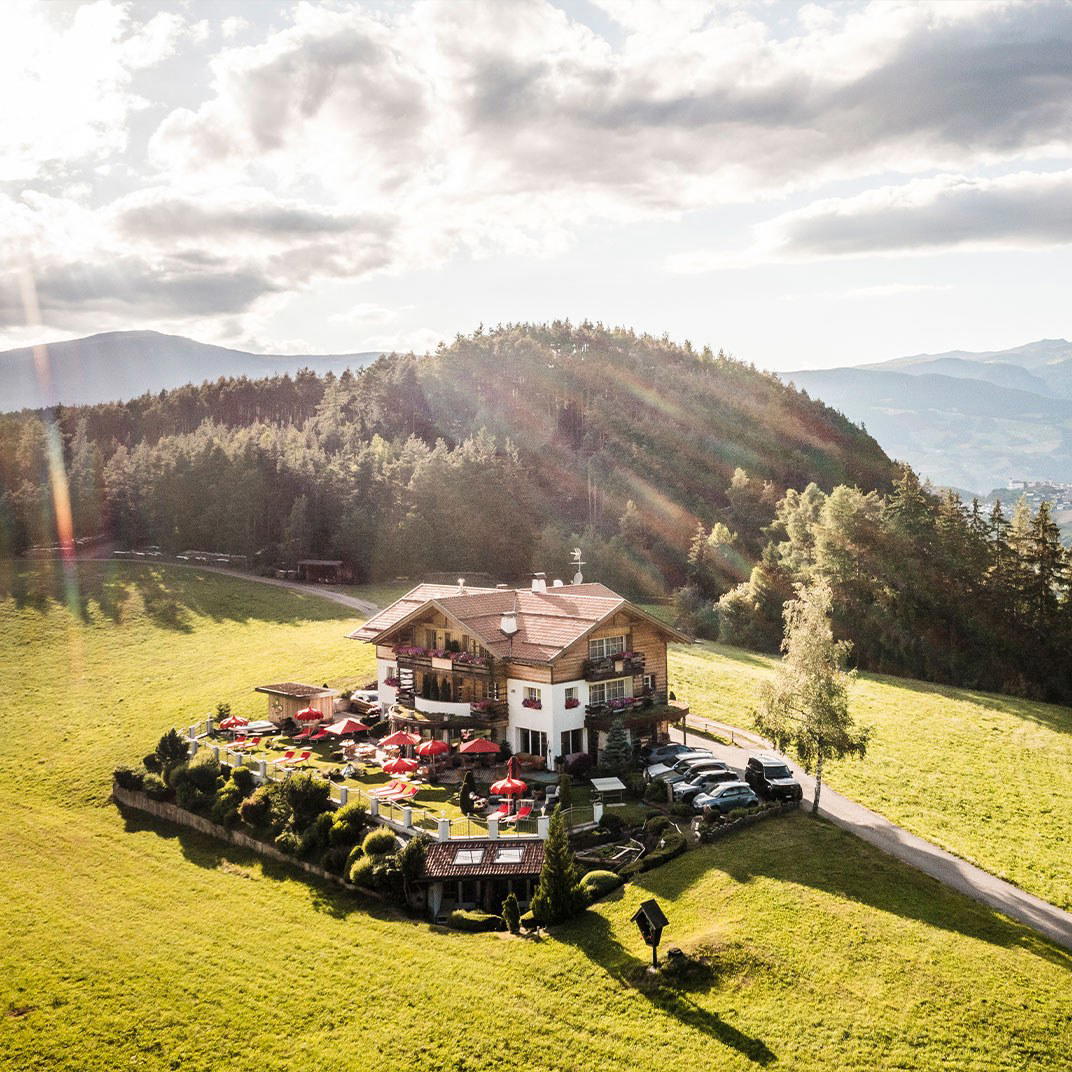
On the eastern edge of Bozen, vineyards help frame Pfannenstielhof as a historic, family-run estate with a quiet rural character. The picture is deliberately simple: a classic and rustic place set among vines, with a terroir-focused identity rooted in traditional red wine rather than a polished, high-profile hospitality concept. That simplicity is part of the point. Pfannenstielhof reads less like a venue built around spectacle and more like an estate whose meaning comes from location, continuity, and the steady presence of vineyard landscape.
Bozen's traditional red-wine identity
Pfannenstielhof is best understood through its role as a historic vineyard estate in Bozen with a traditional red-wine identity. In that sense, it gives visitors a way to think about the city beyond a generic wine stop: the emphasis falls on an older, place-led expression, where red wine, vineyard surroundings, and a rustic estate setting form the core of the experience.
That restraint matters for planning. Rather than treating the estate as a checklist of technical details, visitors should approach it as a quiet, classic stop where the setting among vineyards and the family-run character are the confirmed anchors. The appeal is not an asserted score, award, or named bottle, but the sense of a historic estate tied to its landscape. It is the sort of place where the atmosphere can carry much of the visit: the eastern edge of Bozen, the vines around the property, and the low-key rural tone all help explain why Pfannenstielhof belongs in a wine-focused itinerary.
For drinkers trying to understand Bozen through wine, Pfannenstielhof offers a grounded reference point: rustic, traditional, and terroir-focused. Its usefulness lies in that clarity. It does not need to be framed as the flashiest or most decorated stop; it works because it keeps attention on the relationship between estate and place, and on a traditional red-wine identity that feels closely connected to its setting.
Family continuity as a style marker, not a nostalgia play
Pfannenstielhof is a family-run estate, and that continuity is central to how the venue should be read. In a setting where place, inheritance, and vineyard surroundings can matter as much as polish, the family-run character gives the estate a classic, rooted profile. This does not need to be treated as a sentimental flourish. Instead, it helps define the tone: measured, rural, and grounded in a property that presents itself through history and landscape rather than through a more aggressively branded experience.
The estate’s identity is historic rather than trend-driven. What can be said is that Pfannenstielhof presents itself as a quiet, rustic, vineyard-set estate with a traditional red-wine focus. That is a narrow description, but a useful one, because it keeps the expectations honest. Visitors looking for a sleek, urban-feeling wine stop may read the setting differently from those who want a more classic estate atmosphere. Pfannenstielhof’s strength is in the latter register: calm, traditional, and tied to the vines around it.
The lack of added performance is not a weakness in this description; it is part of the editorial signal. The venue is best understood through what is solidly present: family continuity, rural quiet, historic character, and a traditional red-wine identity.
How to place it in a Bozen wine itinerary
Pfannenstielhof suits a visitor who wants a quieter, more classic expression of Bozen’s vineyard culture. The price level is $$, and the atmosphere is best described as classic, rustic, and quiet. That makes it especially appropriate for a plan that values mood and context over a rapid sequence of highlights. It is a stop to approach with a slower pace, allowing the vineyard setting and historic estate character to do the work.
The natural audience is the traveler who values setting and context: a historic, family-run estate among vineyards, with a terroir-focused traditional red-wine identity. It is not necessary to add claims about individual grapes, bottles, or cellar techniques to make the case; the confirmed appeal is the combination of place, history, and a calm vineyard atmosphere in Bozen. In practical terms, that means Pfannenstielhof should be chosen for the kind of experience it can confidently represent: a rural-edged, traditional estate perspective on the city’s wine culture.
For a broader Bozen day, use Pfannenstielhof as a quiet historic vineyard reference point, then compare it with other dining or wine-related options in Bozen generically. The strongest planning approach is to keep Pfannenstielhof in its lane: a $$, family-run, rustic estate on the eastern edge of the city with a traditional red-wine identity. Positioned that way, it adds balance to an itinerary, offering a grounded counterpoint to more urban, polished, or explicitly contemporary experiences without needing to claim more than the estate itself supports.
Recognition history
Dated appearances from independent guides and award organizations, with the underlying list record or original source where available.
Falstaff Winery - 3 Stars
Falstaff
Continue exploring
More in Bolzano
Wineries in Bolzano
All wineries in Bolzano →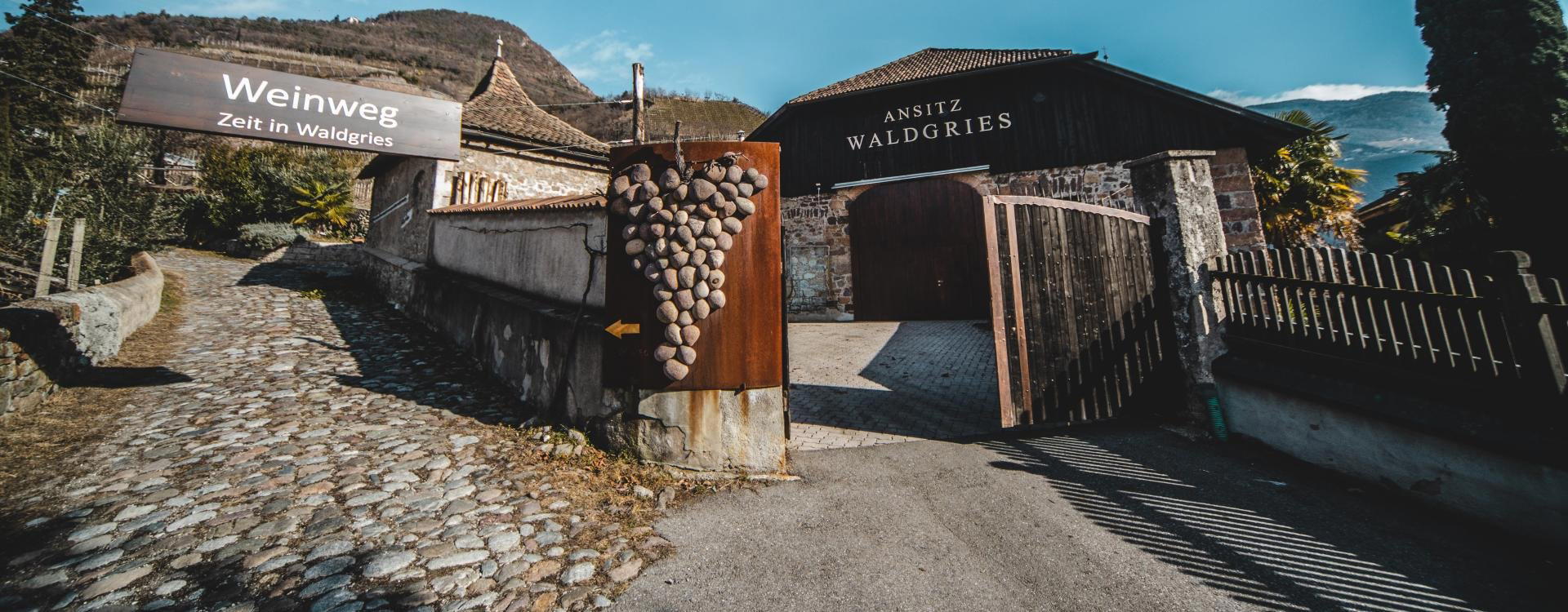
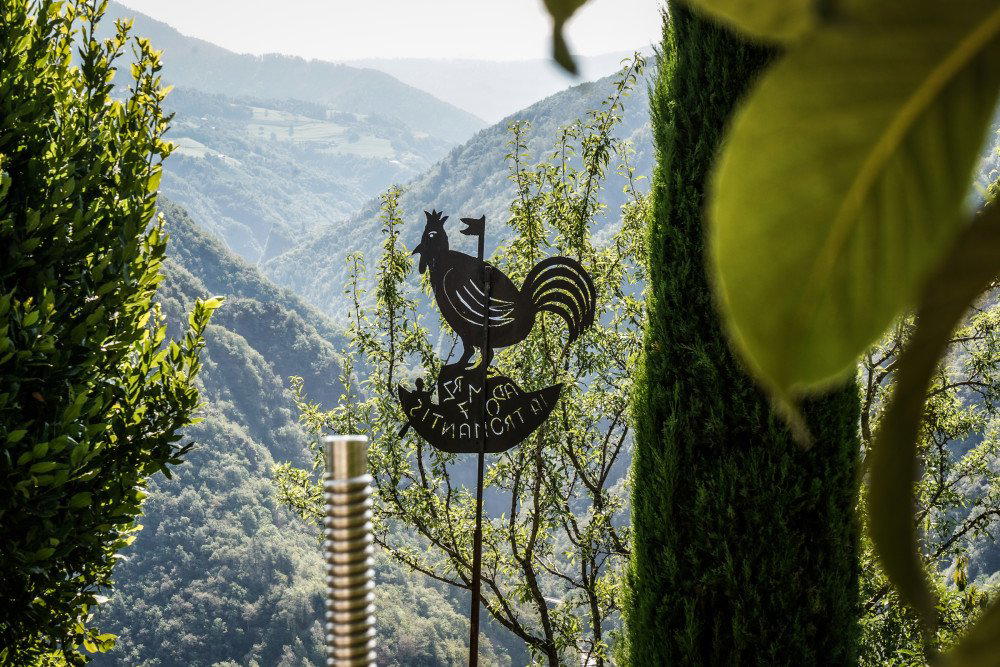
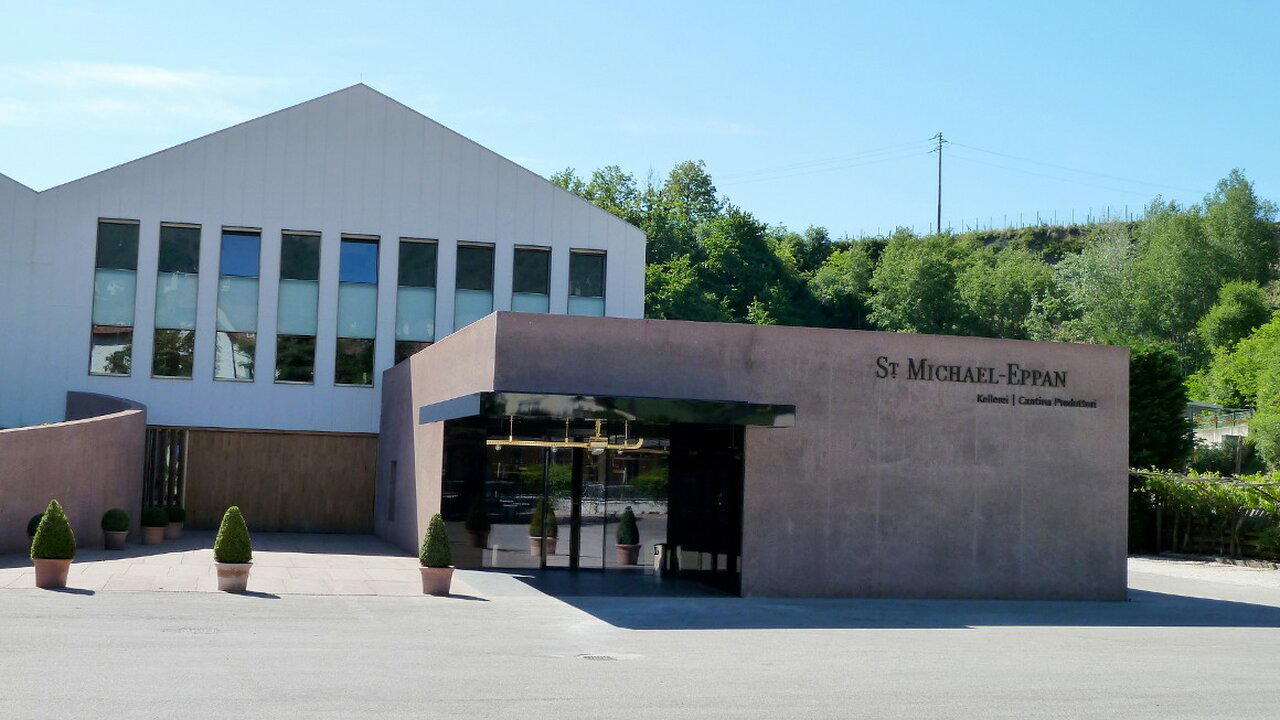
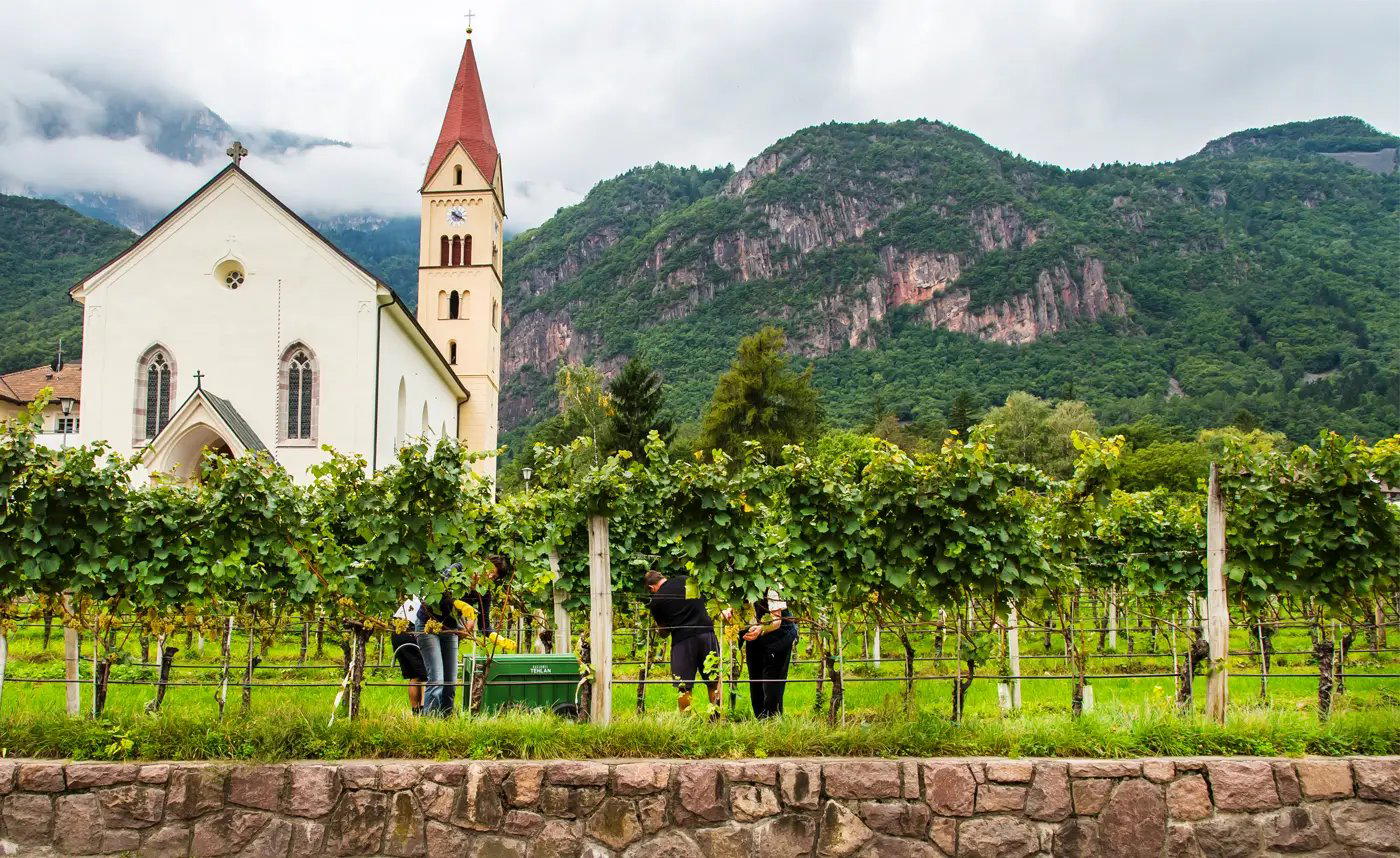
Bars in Bolzano
Browse all →
Restaurants in Bolzano
All restaurants in Bolzano →
Details
- Classic
- Rustic
- Quiet
- Wine Education
- Solo Exploration
- Special Occasion
- Historic Building
- Estate Grounds
- Vineyard Tour
- Vineyard
- Schiava (vernatsch)
- Lagrein
- Still Red
- Wine Tasting
- Cellar Tasting
Historic, family-run estate set among vineyards on the eastern edge of Bolzano, with a terroir-focused, traditional red-wine identity.