Pfaffenweiler Weinhaus

Falstaff Winery - 1 Stars
Pfaffenweiler Weinhaus is a Baden winegrowers’ cooperative with a cellar-door rhythm rather than a luxury tasting-room performance. Its interest lies in village-scale Markgräflerland identity: a 1950 cooperative structure, roughly 95–100 hectares under vine, around 170 member growers, and a portfolio that moves from Gutedel and Grauburgunder to Sauvignon Blanc, Spätburgunder, Merlot rosé and Secco.
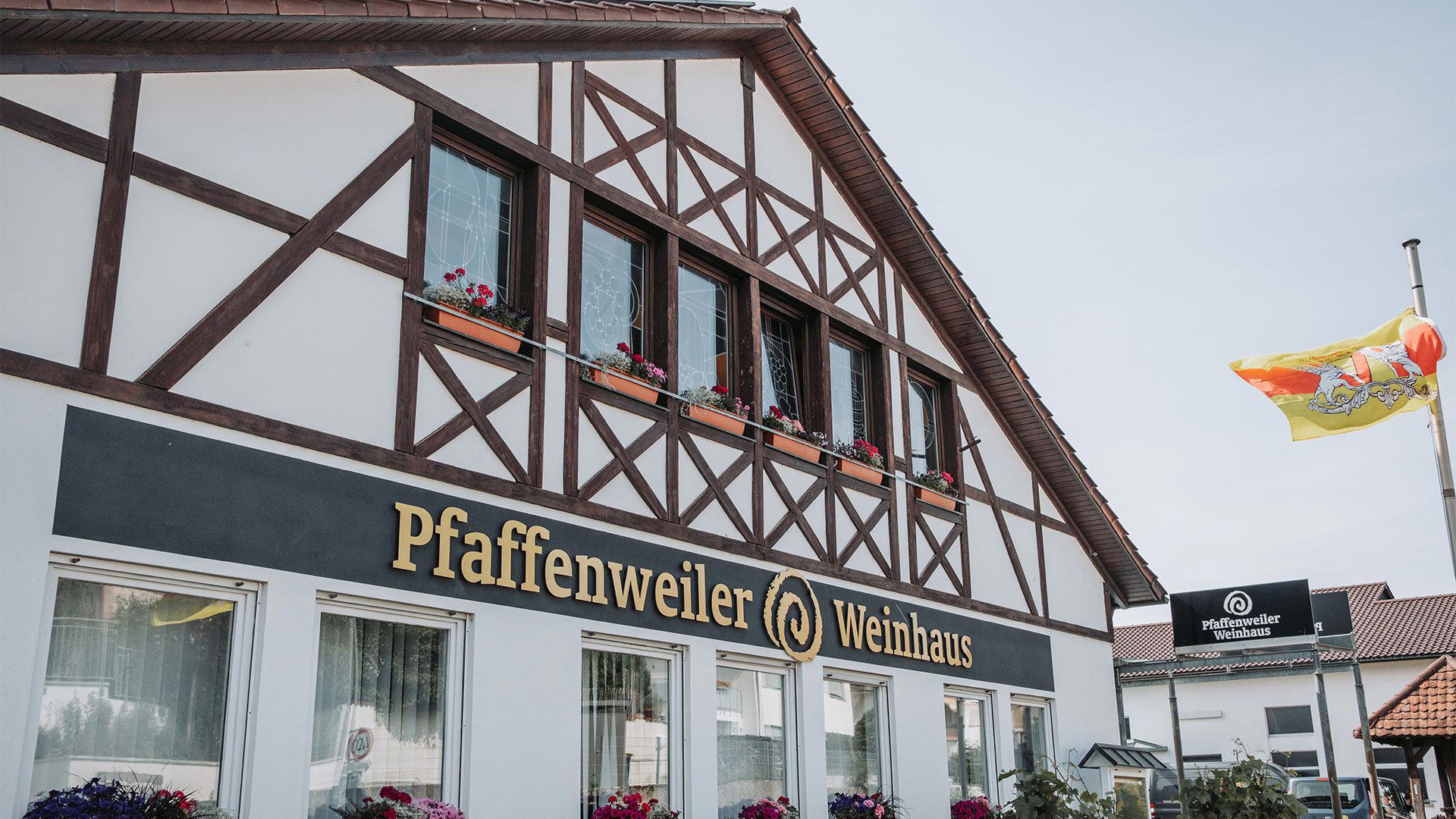
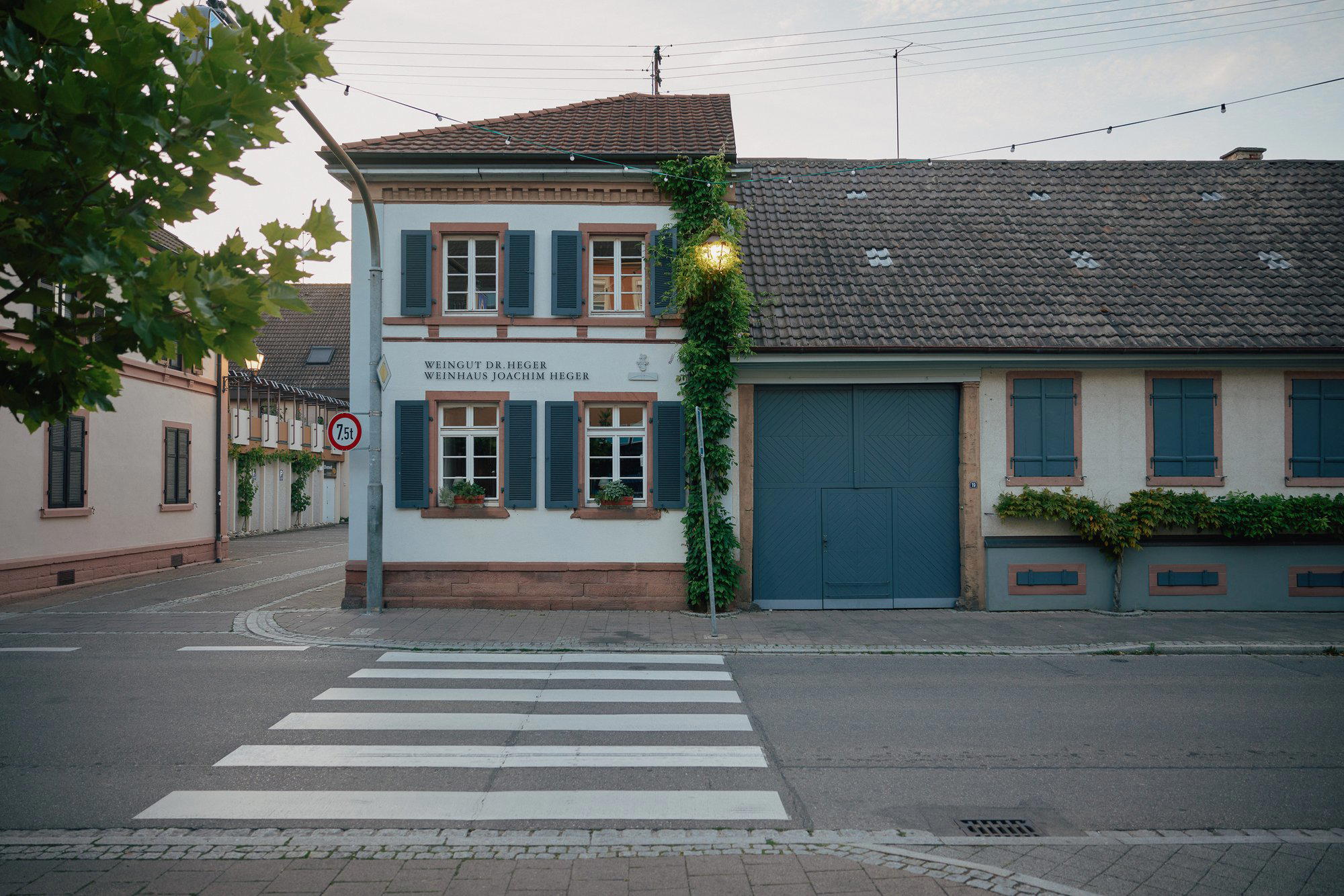
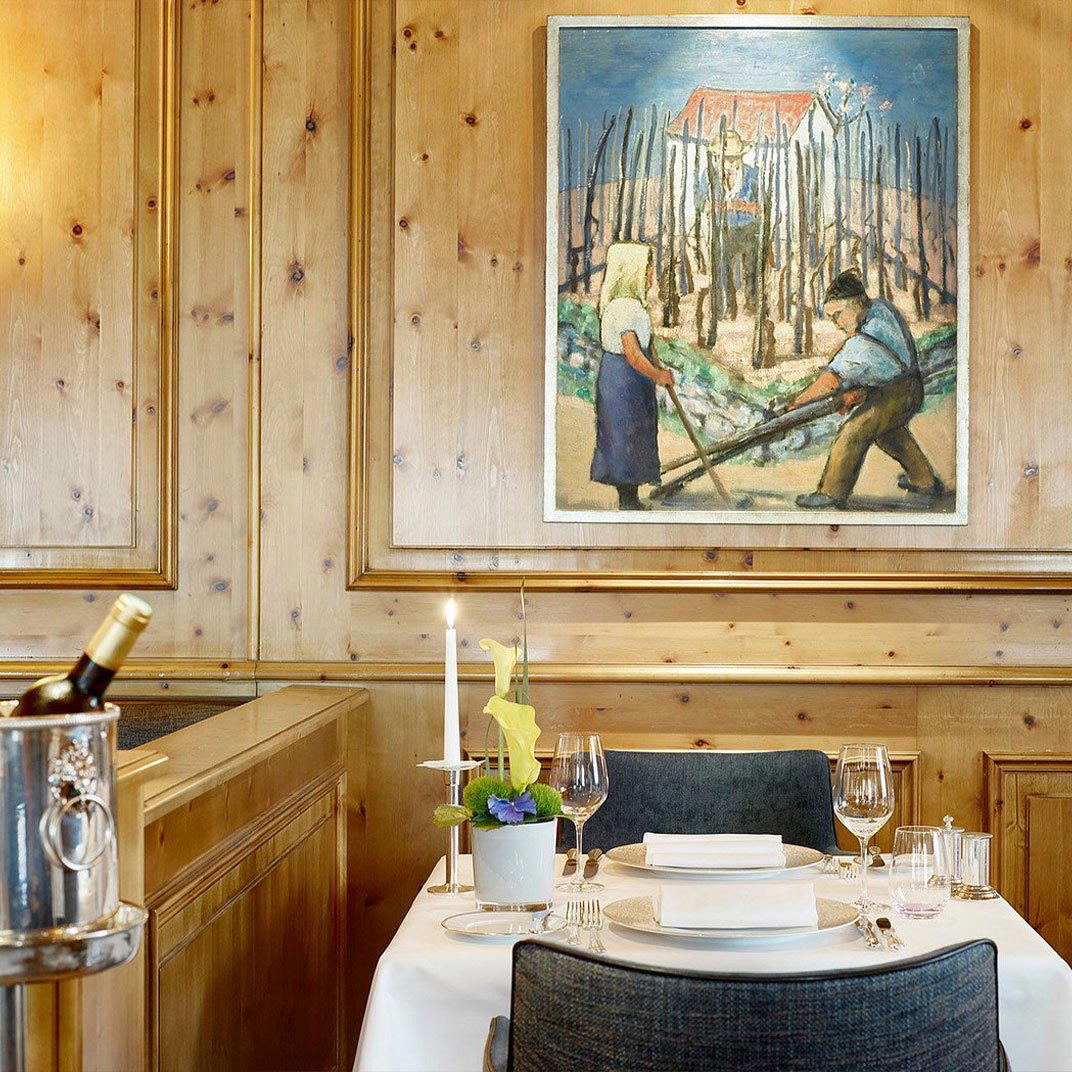
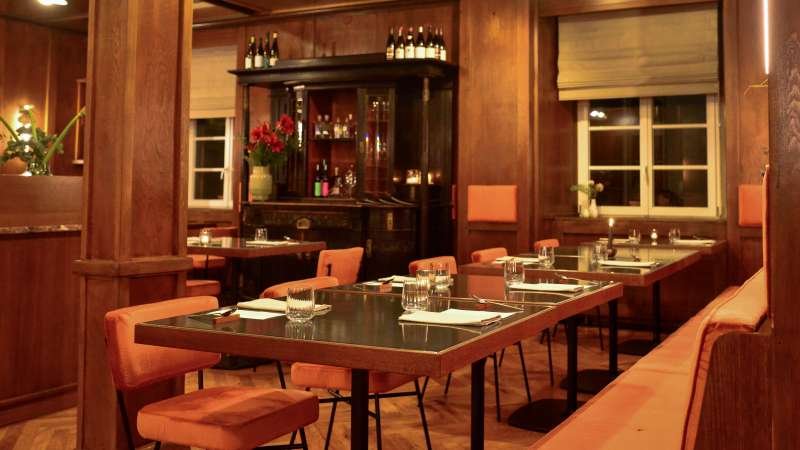
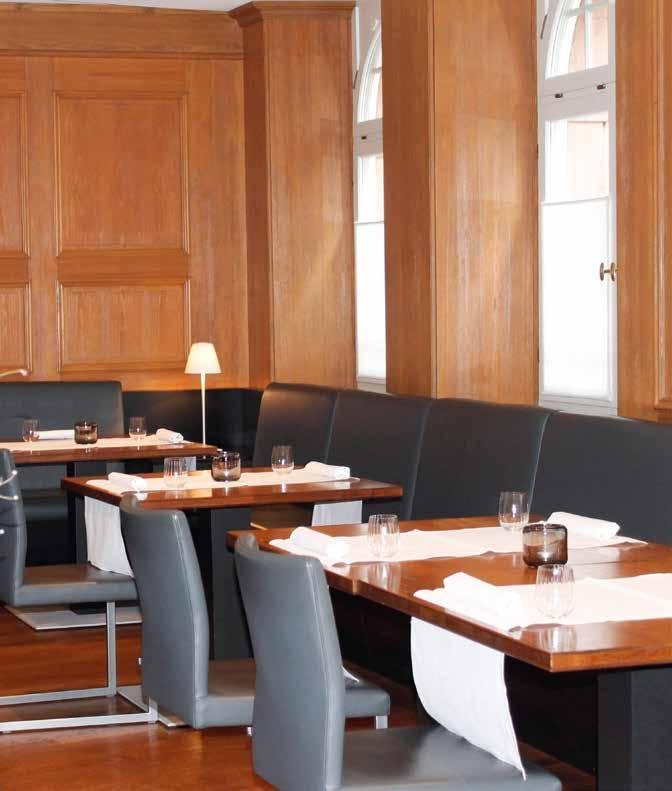
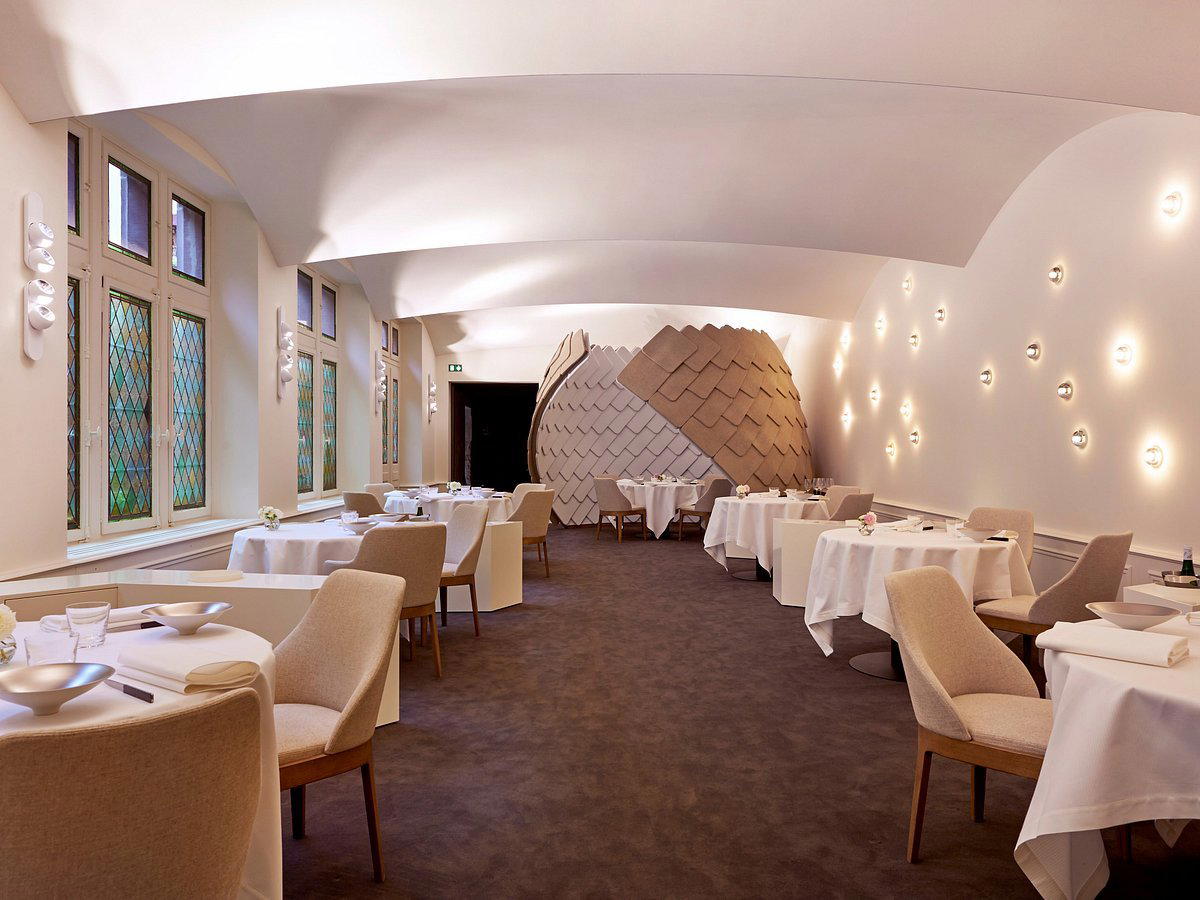
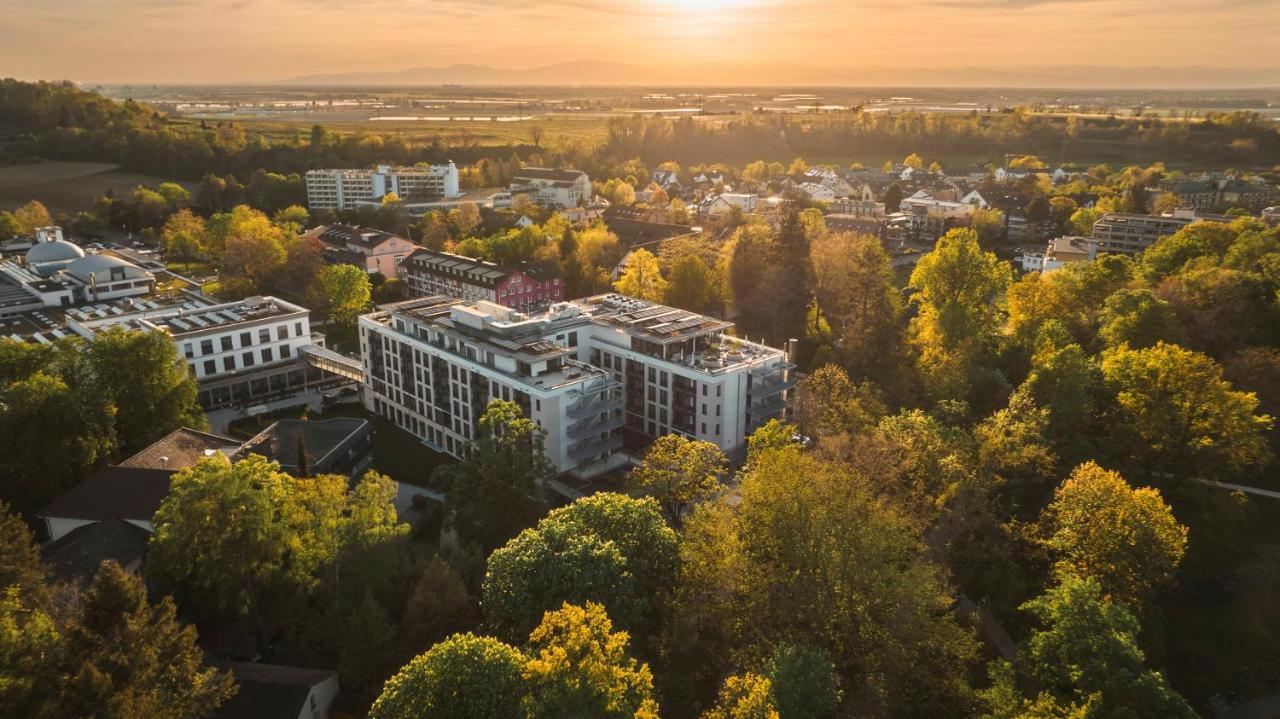
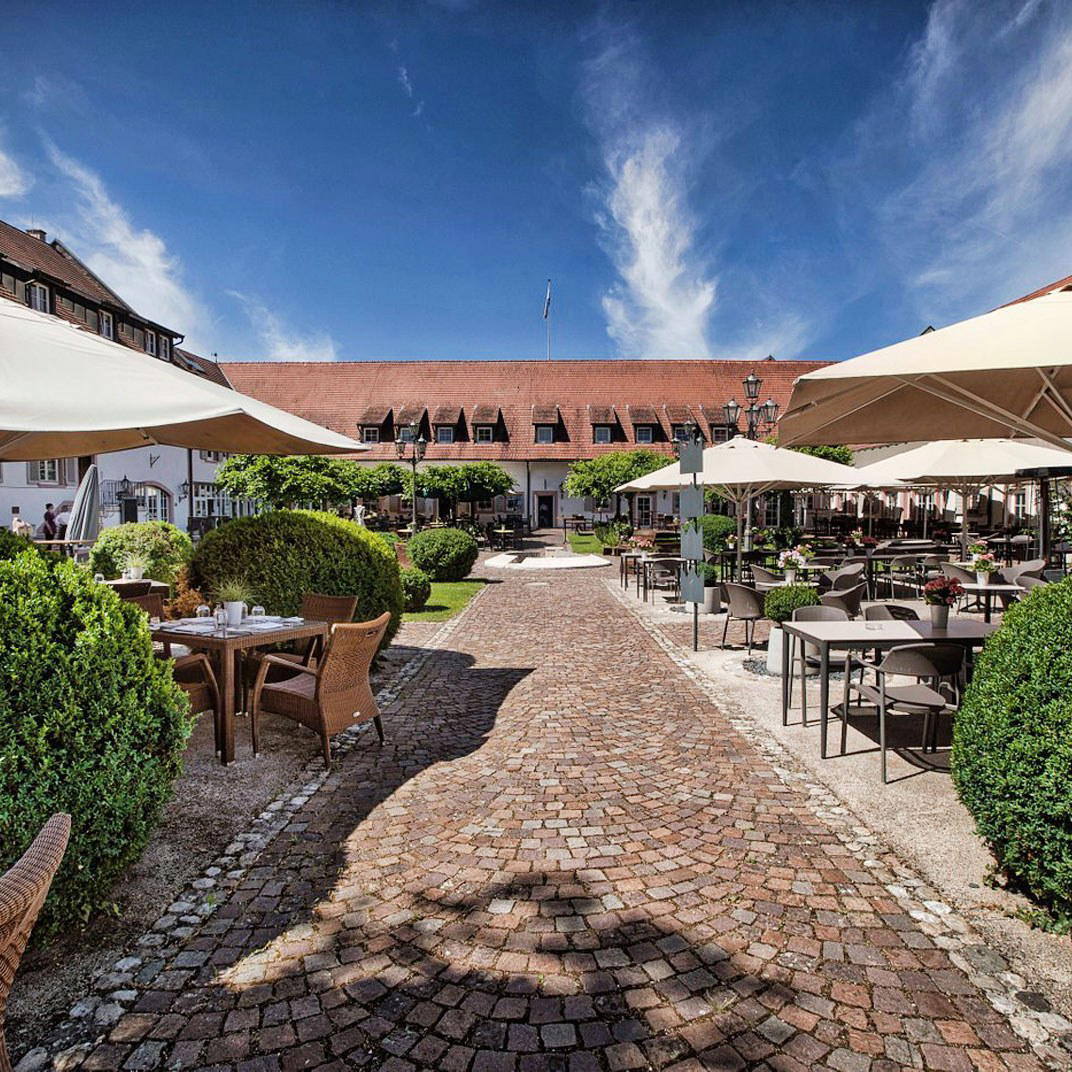
Pfaffenweiler Weinhaus is best understood as a traditional cooperative winery presence in Pfaffenweiler: rustic, local, and oriented more toward cellar-door sales and production than elaborate visitor facilities. The picture is deliberately modest, and that modesty is part of the venue’s identity rather than a limitation to be dressed up. Rather than a luxury hospitality story, the emphasis is on an old winegrowing village, regional terroir, and quality-focused winemaking. In practical terms, this means Pfaffenweiler Weinhaus reads less like a polished destination built around spectacle and more like a grounded address where the surrounding wine culture is the main point.
Pfaffenweiler seen through a cooperative lens
The useful way to read Pfaffenweiler Weinhaus is through its cooperative atmosphere. It presents a classic, rustic setting connected to Pfaffenweiler’s winegrowing identity, with the focus placed on local production and the cellar-door role of the house. That cooperative lens matters because it keeps expectations in the right place: the value is not in a highly choreographed visitor narrative, but in the sense of a local wine operation rooted in its village context.
What can be said with confidence is simpler: Pfaffenweiler Weinhaus sits in Pfaffenweiler’s traditional wine context and is framed around regional terroir rather than showy visitor amenities. The profile is therefore intentionally restrained. It does not need to be stretched into something more elaborate to be useful. For travelers looking at Pfaffenweiler as a wine village, the relevant character is exactly this combination of rustic setting, local production, and a cellar-door orientation that keeps the experience close to the source.
Regional terroir and quality-focused winemaking
The strongest hook is not a specific grape list, dish, tasting format, or bottle price. It is the venue’s stated emphasis on regional terroir and quality-focused winemaking. For visitors, that means the appeal is most relevant to those interested in a grounded local wine setting rather than a heavily staged experience. The emphasis on terroir should be understood in a broad, regional sense here: the venue is being positioned around place, production, and the character of its local wine environment, not around a catalogue of named extras.
That makes the wording important. Pfaffenweiler Weinhaus is not being presented as a restaurant-led stop, a design-led tasting room, or an award-driven pilgrimage. Its identity rests on the essentials that are actually available: Pfaffenweiler, a cooperative winery atmosphere, rustic character, cellar-door sales, regional terroir, and quality-focused production. Those elements are enough to define the visit without adding unconfirmed detail. They also help separate this kind of address from venues where the visitor infrastructure is the headline.
Pricing is listed as $$, which places Pfaffenweiler Weinhaus in a moderate bracket. That moderate positioning is consistent with the overall tone of the listing: local, practical, and not framed as a luxury experience. The price marker should be read only as a broad guide, not as a substitute for current information from the venue, because no specific bottle price, tasting fee, or dining cost is confirmed here.
For that reason, Pfaffenweiler Weinhaus is not presented here as an accolade-led destination. Its profile is instead described through the essentials: Pfaffenweiler, cooperative winery atmosphere, rustic character, cellar-door orientation, regional terroir, and quality-focused production. This also keeps the description honest.
How the visit fits into a Pfaffenweiler plan
Pfaffenweiler Weinhaus fits a Pfaffenweiler itinerary as a traditional local wine address rather than as a venue defined by elaborate facilities. The setting is described as an old winegrowing village atmosphere, and the experience should be approached with that in mind: practical, regional, and connected to production. Visitors who are most likely to appreciate it are those who want their Pfaffenweiler stop to feel tied to the village’s wine identity, rather than those seeking a heavily programmed hospitality experience.
Because the profile is narrow, planning expectations should stay narrow as well. The available information supports a visit framed around local wine context and cellar-door character, but it does not confirm a detailed tasting structure, a food offer, visitor amenities, or a fixed format. That makes direct confirmation especially sensible if the practical details will shape your decision.
If any of those details matter to your visit, confirm them directly before going.
For a wider Pfaffenweiler plan, consider Pfaffenweiler Weinhaus alongside other dining and wine-related options in Pfaffenweiler. Keep the comparison general unless you have current, venue-specific information, because the profile here is intentionally narrow and focused on Pfaffenweiler Weinhaus itself. Used that way, it can serve as a traditional, locally grounded reference point within the village: not a venue defined by spectacle, but one described through Pfaffenweiler’s cooperative wine atmosphere, regional terroir, and quality-focused production.
Frequently asked questions
What's the vibe at Pfaffenweiler Weinhaus?
Expect a traditional cooperative winery atmosphere in Pfaffenweiler: classic, rustic, and focused more on cellar-door sales and production than elaborate visitor facilities.
What's the pricing like at Pfaffenweiler Weinhaus?
Pricing at Pfaffenweiler Weinhaus is listed as $$.
Where is Pfaffenweiler Weinhaus located?
Pfaffenweiler Weinhaus is located in Pfaffenweiler.
What's Pfaffenweiler Weinhaus best at?
It is best framed as a Pfaffenweiler cooperative winery setting with an emphasis on regional terroir and quality-focused winemaking.
How far ahead should I plan for Pfaffenweiler Weinhaus?
Check directly with Pfaffenweiler Weinhaus before planning a visit.
Recognition history
Dated appearances from independent guides and award organizations, with the underlying list record or original source where available.
Falstaff Winery - 1 Stars
Falstaff
Request a visit to Pfaffenweiler Weinhaus
Tell us when you would like to go and how many people, and we put the request to the estate and reply to you by email.
Continue exploring
More in Pfaffenweiler
Wineries in Pfaffenweiler
All wineries in Pfaffenweiler →
Bars in Pfaffenweiler
Browse all →
Details
- Classic
- Rustic
- Scenic
- Quiet
- Group Outing
- Wine Education
- Solo Exploration
- Estate Grounds
- Historic Building
- Vineyard
- Gutedel (chasselas)
- Sauvignon Blanc
- Pinot Noir (spätburgunder)
- Pinot Gris (grauburgunder)
- Pinot Blanc (weissburgunder)
- Merlot
- Still White
- Still Red
- Still Rosé
- Sparkling
- Dessert
- Bar Tasting
- Retail Counter
Traditional cooperative winery atmosphere in an old winegrowing village, focused on cellar-door sales and production rather than elaborate visitor facilities; emphasis on regional terroir and quality-focused winemaking.