
Falstaff Winery - 3 Stars
Patrick Piuze is a Chablis producer built around site definition rather than estate pageantry, working as a boutique négociant-vinificateur with hand-harvested Chardonnay and a broad spread of village, Premier Cru and Grand Cru bottlings. The appeal is intellectual and cellar-focused: old-vine sourcing, spontaneous fermentations, used barrels for cru wines and a portfolio designed for reading Chablis by parcel.

Pearl is the En Primeur Club membership app — saves, bookings, and concierge access live there. Same editors, same standards.

Chablis rewards close attention before it rewards romance. The town’s working cellars, limestone logic and quiet streets make more sense when the glass is treated as a map, not as decoration. Patrick Piuze belongs to that more exacting side of the appellation: small in feel, technical in method, and built around Chardonnay as a vehicle for site rather than cellar signature.
The local context matters. Chablis is often sold abroad as a single shorthand for lean white Burgundy, but the appellation is more fractured than that. Plateaus, slopes, riverbanks, clay weight and limestone exposure all pull the wines in different directions. Piuze’s contribution is to make those distinctions unusually visible through a négociant-vinificateur model, buying grapes rather than relying on estate-owned vineyards, then separating sites with the discipline of a grower who wants each parcel to speak in its own register.
Chablis read through parcels, not château architecture
The modern premium-wine visitor is often trained to look for the estate: gates, vineyards, reception room, terrace. Chablis complicates that habit because some of its sharpest interpretation comes from producers whose authority sits in sourcing, selection and cellar judgment. Patrick Piuze opened his own house in 2008 after working in Burgundy and abroad, and the model has remained focused on long-term grower relationships rather than land ownership. That structure is not a loophole; in this case it is the operating system.
Portfolio gives the clearest evidence. Production is described at roughly 110,000 bottles across Chablis, Premier Cru and Grand Cru tiers, with four village Chablis vineyard sources, six Grand Cru references and eleven Premiers Crus. The point is not breadth for its own sake. It is a comparative library: left bank against right bank, village-level nuance against cru hierarchy, old vines against broader regional blending.
That is why the village wines carry unusual importance here. Piuze has been associated with at least eight separately articulated village-level bottlings, a granular approach in a category that often gets flattened into entry-level Chablis. The argument is pointed: a village wine from the right site, old vines and careful handling can be more instructive than a cru label treated generically. For drinkers used to reading Burgundy by classification alone, that is the useful correction.
Hand harvest, old vessels and a cellar that avoids cosmetic gloss
The production choices are aligned with that argument. All fruit is hand harvested, a meaningful signal in a region where machine harvesting is common. Pressing is done with a vertical press rather than a pneumatic press, a technical preference tied to oxygen management and texture. Fermentations are spontaneous and allowed to move at their own pace, with village “Terroir” wines mainly raised in old stainless steel tanks that are not temperature controlled.
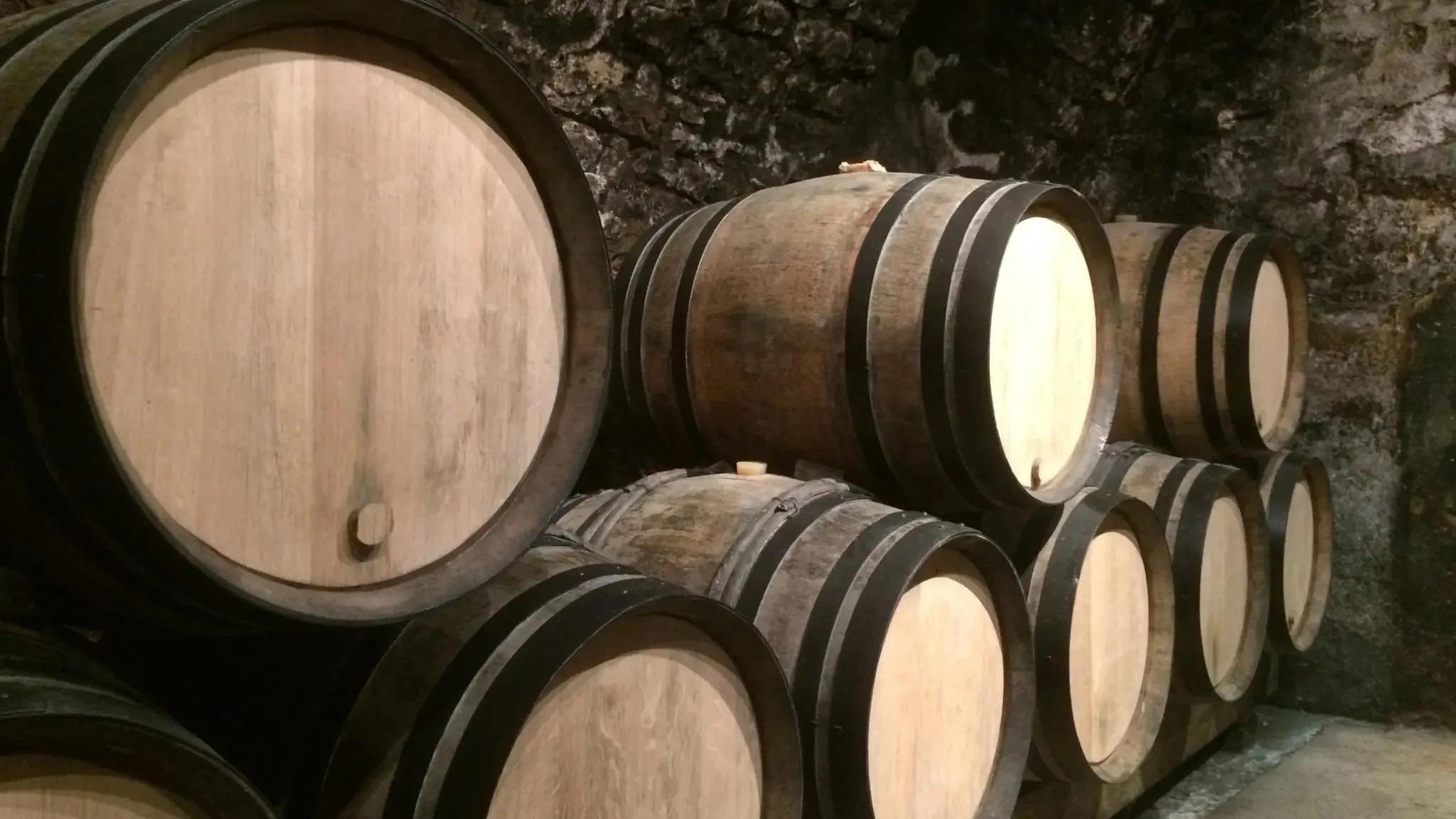
Premier Cru and Grand Cru wines are fermented and aged in used barrels for ten months. The detail worth noticing is the barrel selection: vessels first used in cooler, high-acid years are preferred, while warm-year barrels are avoided to reduce the risk of tropical wood-derived notes. That is a small cellar decision with a large stylistic consequence. The wines are not being pushed toward obvious oak sweetness or aromatic volume; the method is calibrated to protect acidity, contour and site definition. Natural malolactic fermentation is used, village wines are bottled in spring, cru wines in July, and filtration is described as gentle clay filtration.
This is where the winemaker-philosophy angle becomes more than biography. Piuze was born in Quebec, worked across several wine regions before settling in Burgundy, and brought a hospitality background from a Montreal wine bar. Those details matter only because they explain the way the wines are framed: less dynastic inheritance, more acquired precision. The house identity is not grand cru ownership or architectural theatre. It is the ability to assemble, separate and interpret Chablis with enough rigor that the differences remain legible.
Who this cellar speaks to in Chablis
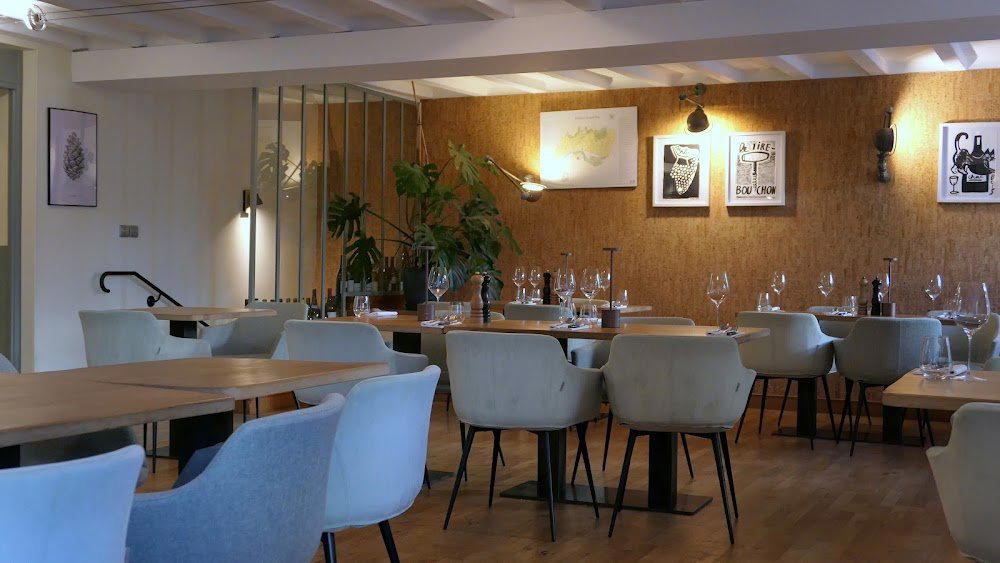
The audience is likely to be people who want Chablis as a study in geology and exposure, not visitors seeking a casual tasting-room afternoon. The setting is small, quiet and rustic, with producer and vertical tastings listed as the relevant formats. French and English are the stated languages for tours, and the focus is still white wine from Chardonnay within Chablis AOC. Food pairing, outdoor seating, group suitability and child-friendly positioning are not part of the stated format, which helps define the experience more clearly: this is a cellar for concentration.
Recognition has followed the technical posture. Media references associated with the producer include Burghound, Robert Parker, Wine Spectator, Jancis Robinson, Tim Atkin MW, John Gilman and The New York Times. Specific score notations attached to recent bottlings include 91 for Chablis La Butte O 2023, 93 for Chablis 1er Cru les Forêts 2023 and 92+ for Chablis 1er Cru Vaillons “Les Minots” 2023. Scores are not the whole story in Chablis, but they confirm that the wines are not merely interesting on paper.
For trip planning around the region, keep the wine visit in the Chablis frame rather than stretching it into a general Burgundy day. EP Club’s wider local pages cover Our full Chablis wineries guide, Our full Chablis restaurants guide, Our full Chablis hotels guide, Our full Chablis bars guide and Our full Chablis experiences guide. Additional winery pages for regional reading include Domaine Billaud-Simon, Domaine Christian Moreau Père et Fils, Domaine d'Henri, Domaine Dauvissat, Domaine Drouhin Vaudon, A. Margaine in Villers-Marmery, Abbaye de Fontfroide in Narbonne, Abbotts & Delaunay in Marseillette, »der Steiner« Hans Steiner in Podersdorf am See and & Handwein in Mannheim.
The verdict is practical rather than sentimental: Patrick Piuze is strongest for drinkers who want Chablis broken into its component parts. The production scale is small, the cellar choices are precise, and the portfolio favors comparison over spectacle. In a region where the word “minerality” can become lazy shorthand, this is a producer that forces the conversation back to site, farming relationships and the technical decisions that keep Chardonnay transparent.
Recognition history
Dated appearances from independent guides and award organizations, with the underlying list record or original source where available.
Falstaff Winery - 3 Stars
Falstaff
Continue exploring
More in Chablis
Wineries in Chablis
All wineries in Chablis →
Bars in Chablis
Browse all →
Details
- Quiet
- Rustic
- Sophisticated
- Wine Education
- Solo Exploration
- Special Occasion
- Design Destination
- Historic Building
- Sustainable
- Chardonnay
- Still White
- Vertical Tasting
- Producer Tasting
- French
- English
Artisanal, terroir-focused winery with a small-batch, hands-on production style and a strong emphasis on Chablis’ different vineyard sites.