Mongarda

Falstaff Winery - Listed
Mongarda is a small family-run Prosecco estate in Farra di Soligo, working steep old-vine parcels in the Conegliano Valdobbiadene Prosecco Superiore DOCG. Its appeal sits in hillside farming, local grape varieties beyond Glera, spontaneous fermentations, and an appointment-led tasting format that keeps the experience close to the cellar rather than polished wine tourism.

Pearl is the En Primeur Club membership app — saves, bookings, and concierge access live there. Same editors, same standards.

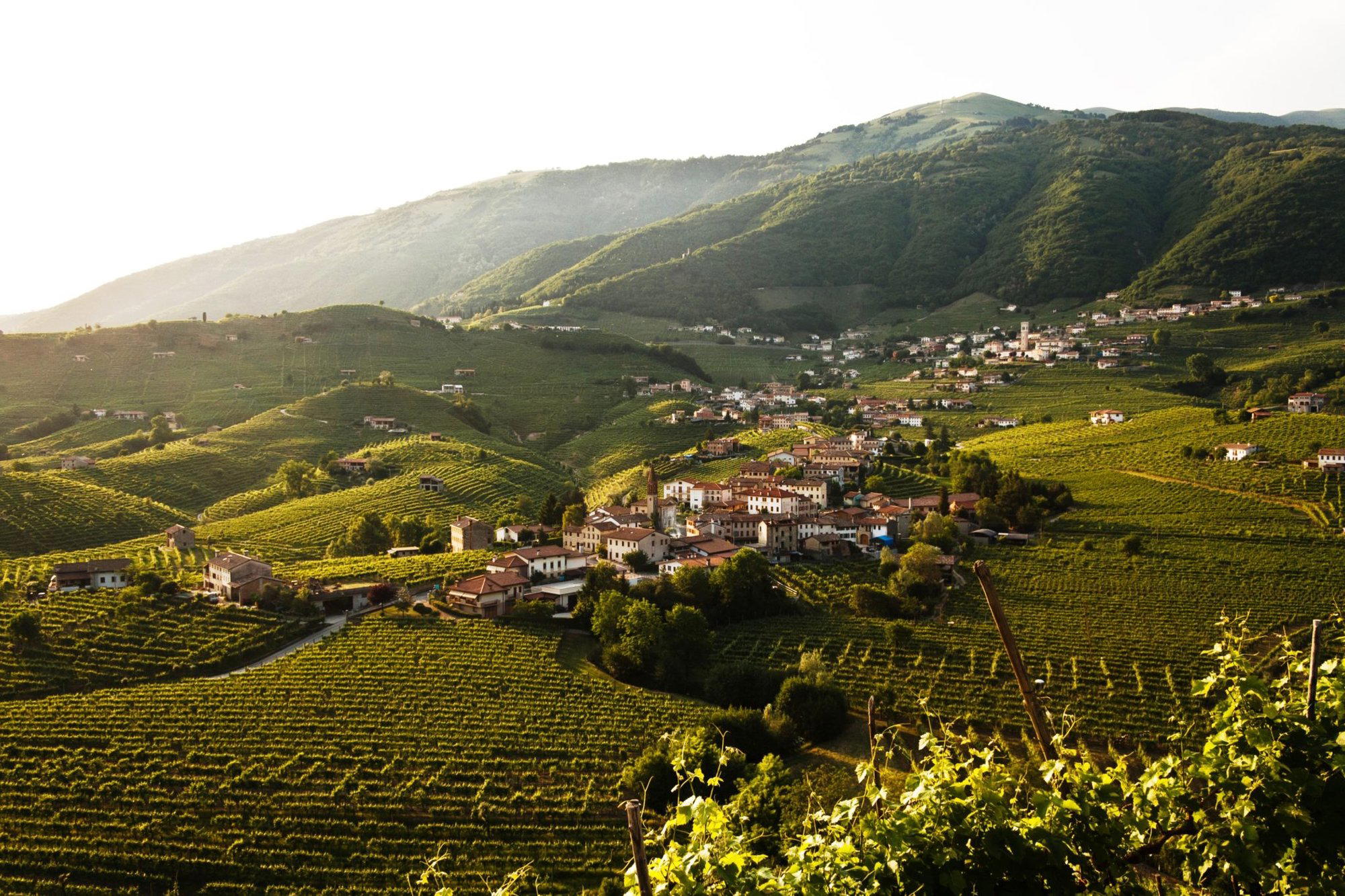
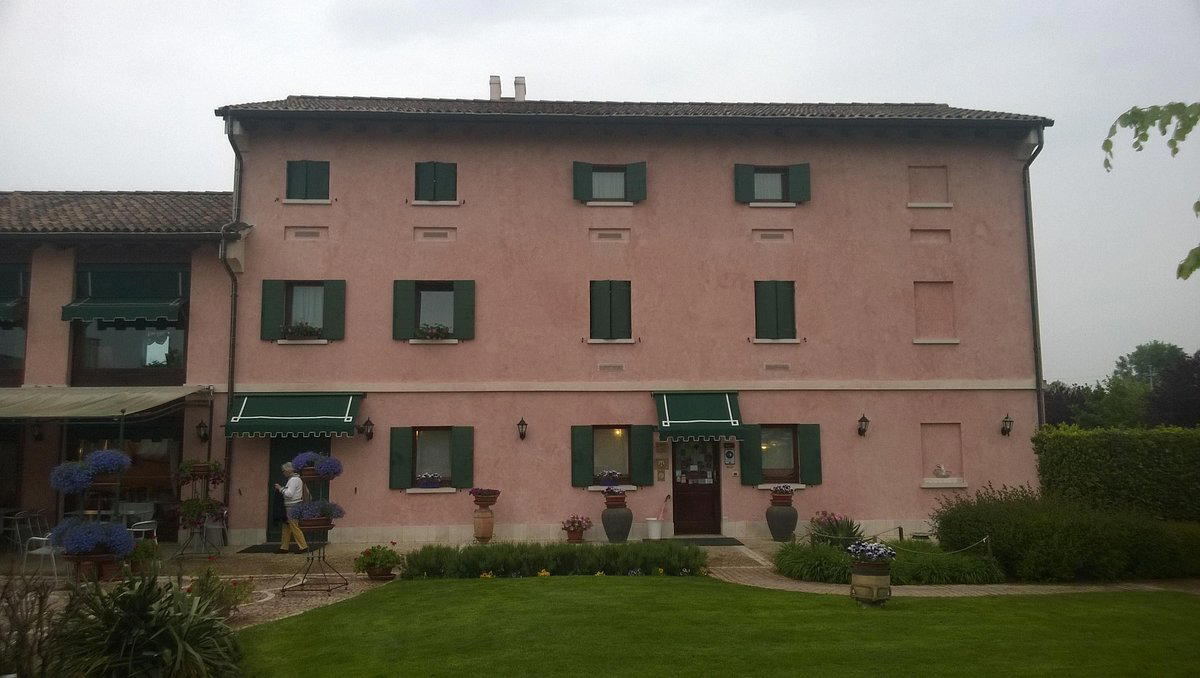
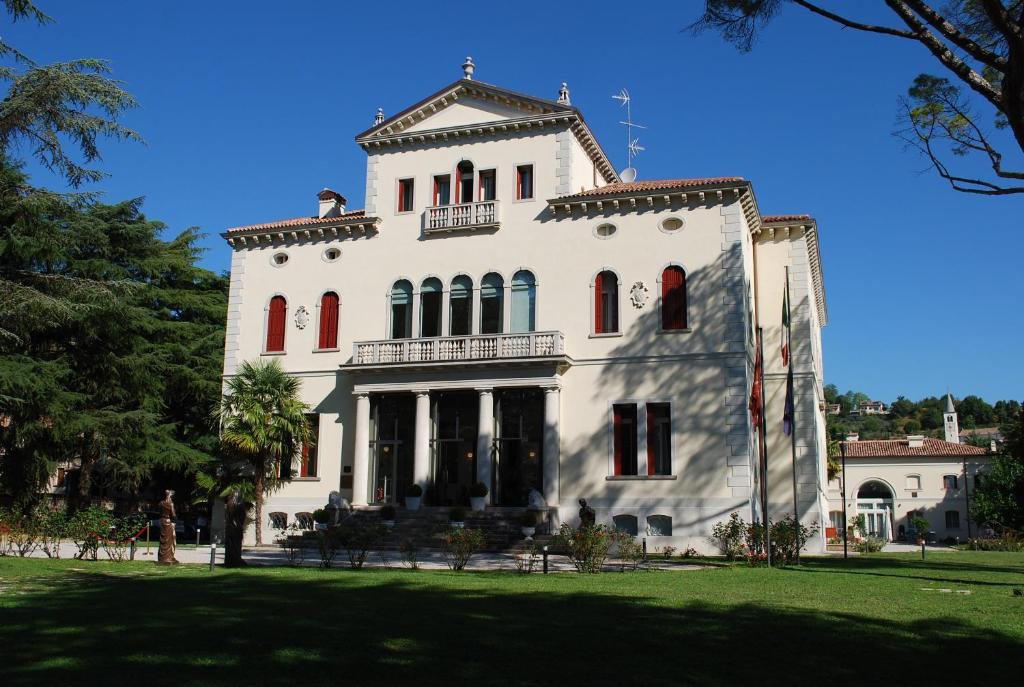
Mongarda in Farra di Soligo is best understood as a small, family-run Prosecco estate rather than as a large hospitality venue. The picture is intentionally modest: a working cellar in an old town-center house, set within a historic village and framed by the steep vineyard hillsides that shape this part of the Prosecco landscape.
Because the confirmed information is limited, the most accurate way to describe Mongarda is through its setting and scale. The appeal is not a heavily staged visitor experience or a long list of amenities. It is the atmosphere of an artisanal, nature-oriented estate, where the cellar and the surrounding hills remain central to the identity of the place.
Steep-slope Prosecco read through a small estate setting
The core fact about Mongarda is that it is a Prosecco estate in Farra di Soligo with a family-run character. That matters for travelers who are trying to distinguish between a broad regional wine category and the smaller producers rooted in specific villages and hillsides. Here, the emphasis should stay on the estate’s scale, its cellar, and its setting rather than on unsupported claims about exact vineyard holdings, grape varieties, production methods, or named bottlings.
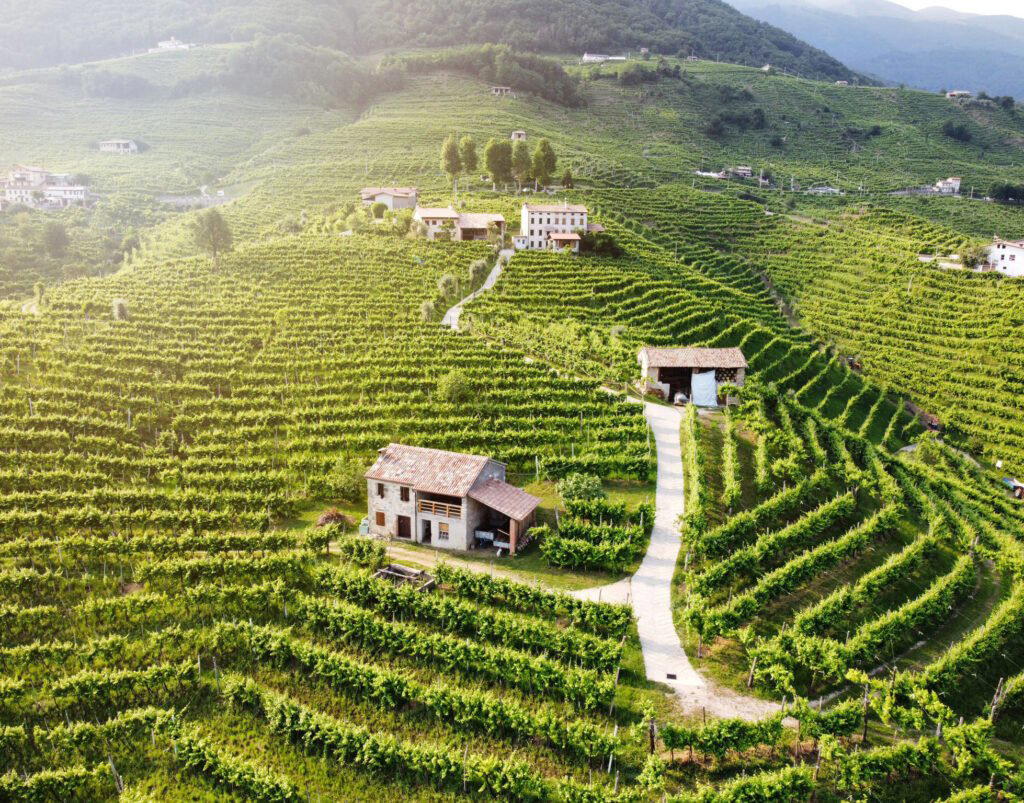
The surrounding landscape is part of the draw. Mongarda is associated with steep vineyard hillsides, which gives the estate a strong sense of place even without relying on technical details. For visitors planning a wine-focused stop in Farra di Soligo, that context is useful: the estate presents Prosecco through a more intimate, hillside setting instead of through a generic tasting-room image.
Atmosphere is described as artisanal and nature-oriented. That wording should be read plainly. It points to a producer whose identity is tied to the working environment of the cellar and the land around it, not to luxury staging or a restaurant-style format. Specific claims about farming methods, certifications, old vines, parcel names, elevations, or cellar decisions are not confirmed here and should not be assumed.
A working cellar in a historic village house
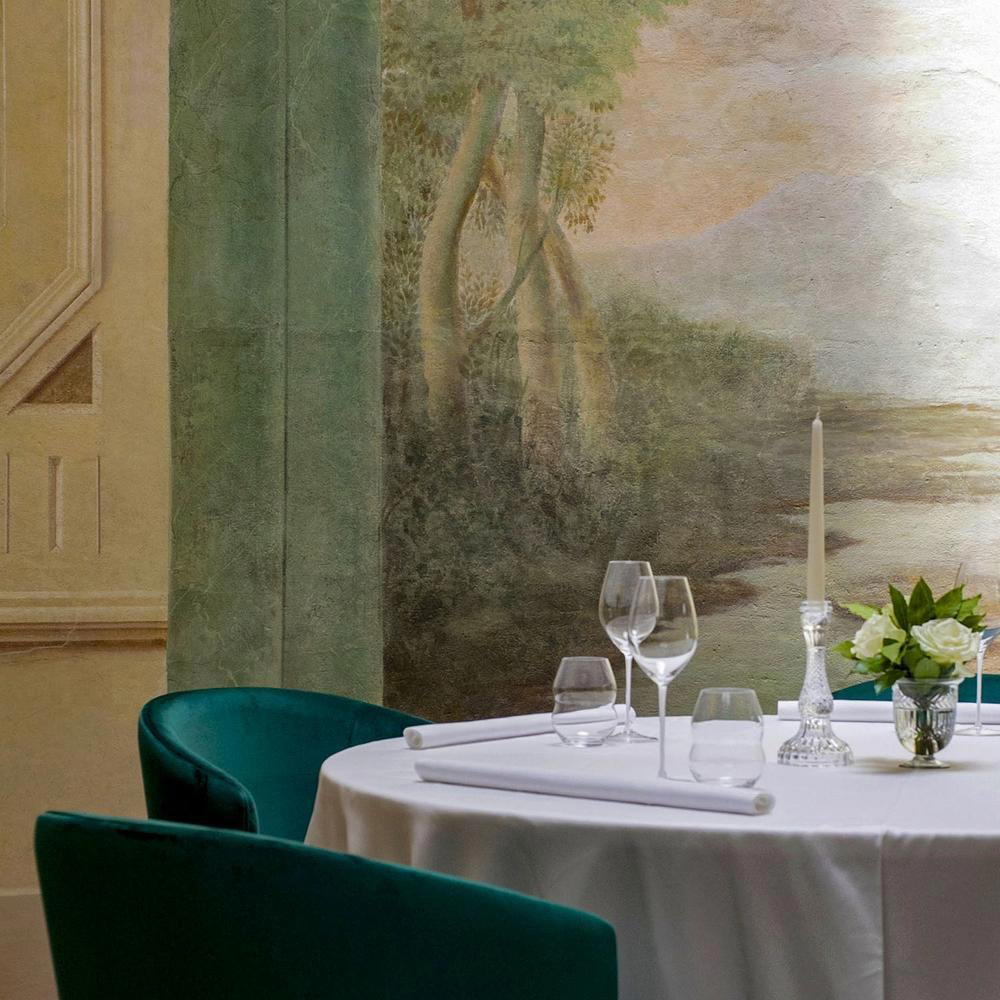
Mongarda’s physical setting is one of its clearest strengths. The estate has a working cellar housed in an old town-center house in a historic village. Inside, the confirmed cellar description includes thick-walled spaces and concrete and steel tanks. Those details create a grounded image of a practical production space rather than a polished showroom.
This is a useful distinction for readers. A visit or consideration of Mongarda should be framed around the idea of a small Prosecco estate with a real cellar environment. The confirmed details do not support claims about a specific tasting format, languages, parking, food service, private events, or appointment rules. If those details matter for a trip, they should be checked directly before making plans.
The old-house setting also helps explain the mood. Its character is quieter: family-run, artisanal, and closely tied to the hillside setting around Farra di Soligo. That is enough to make it relevant for visitors who want a more grounded Prosecco stop, provided expectations stay focused on the essentials.
A small-producer stop for travelers who want the hill, not the show
For EP Club readers, Mongarda fits best as a small-estate entry in a Farra di Soligo wine itinerary. The price level is listed as $$, and the setting is a family-run Prosecco estate rather than a formal dining room.
That absence of confirmed hospitality detail is important. Mongarda should not be presented as a restaurant, bar, or luxury venue. It should be presented as a Prosecco estate with a working cellar and a strong sense of place. Any practical arrangements, such as visiting hours, tasting availability, group size, or access, should be confirmed directly with the estate before travel.
The best reason to keep Mongarda on a Farra di Soligo shortlist is the combination of family scale, historic-village setting, working cellar, and steep vineyard surroundings. Those are simple facts, but they are meaningful ones. They point to a place where the draw is the producer’s environment and the Prosecco landscape itself, not a fabricated list of services or accolades.
For a wider Farra di Soligo itinerary, readers can pair Mongarda with other local dining, lodging, bar, and experience planning in the area.
Recognition history
Dated appearances from independent guides and award organizations, with the underlying list record or original source where available.
Falstaff Winery - Listed
Falstaff
Continue exploring
More in Farra di Soligo
Wineries in Farra di Soligo
All wineries in Farra di Soligo →
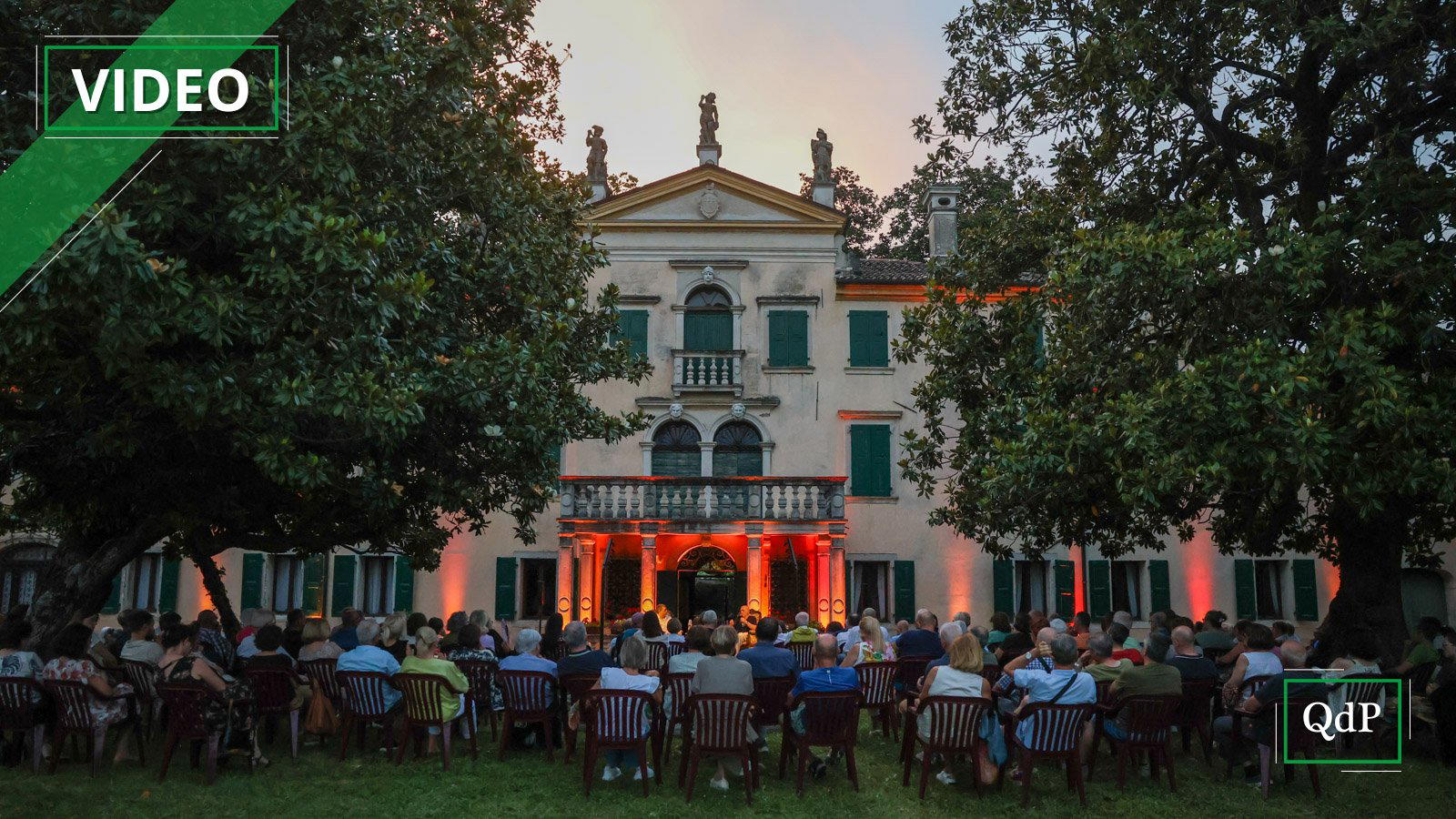
Bars in Farra di Soligo
Browse all →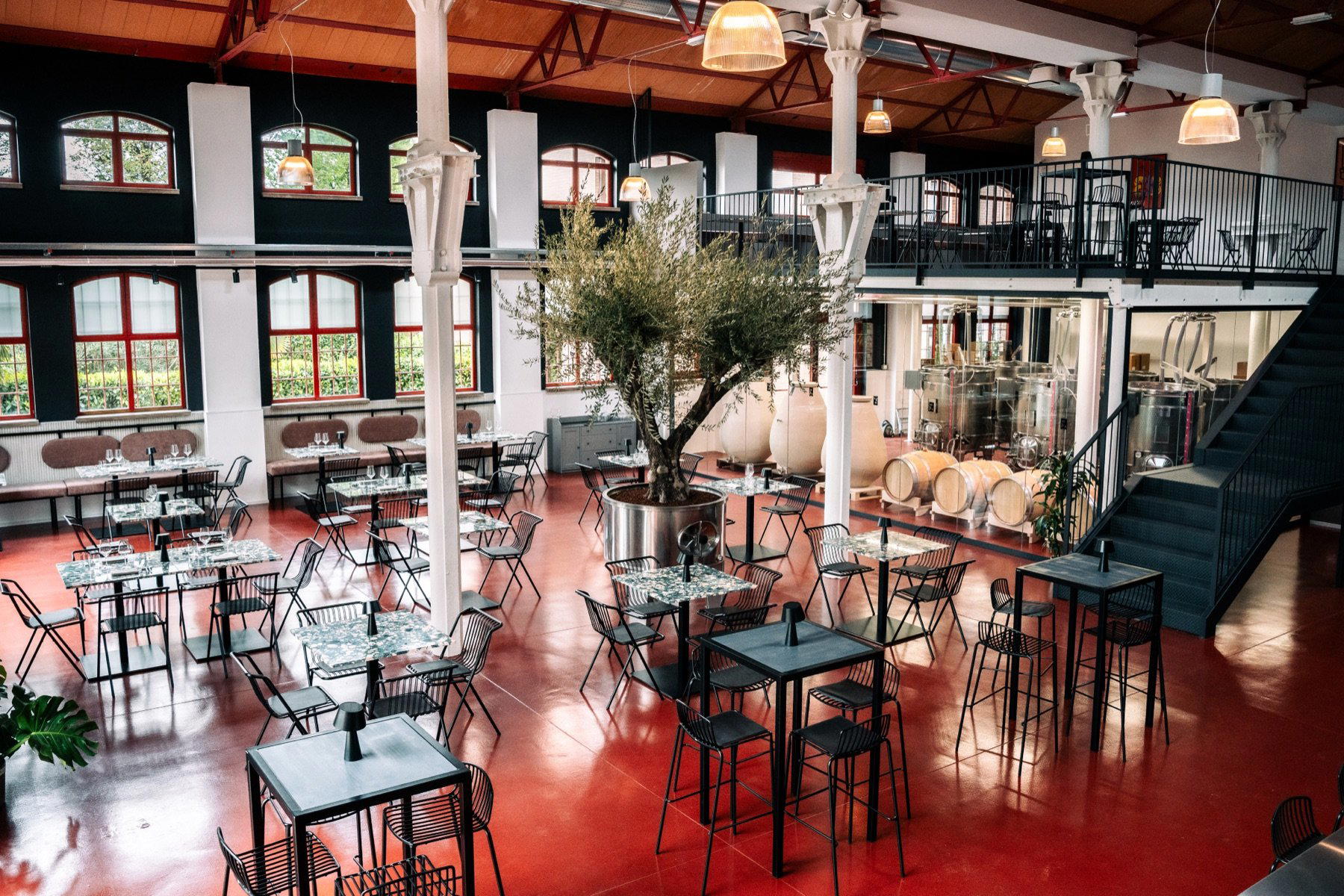
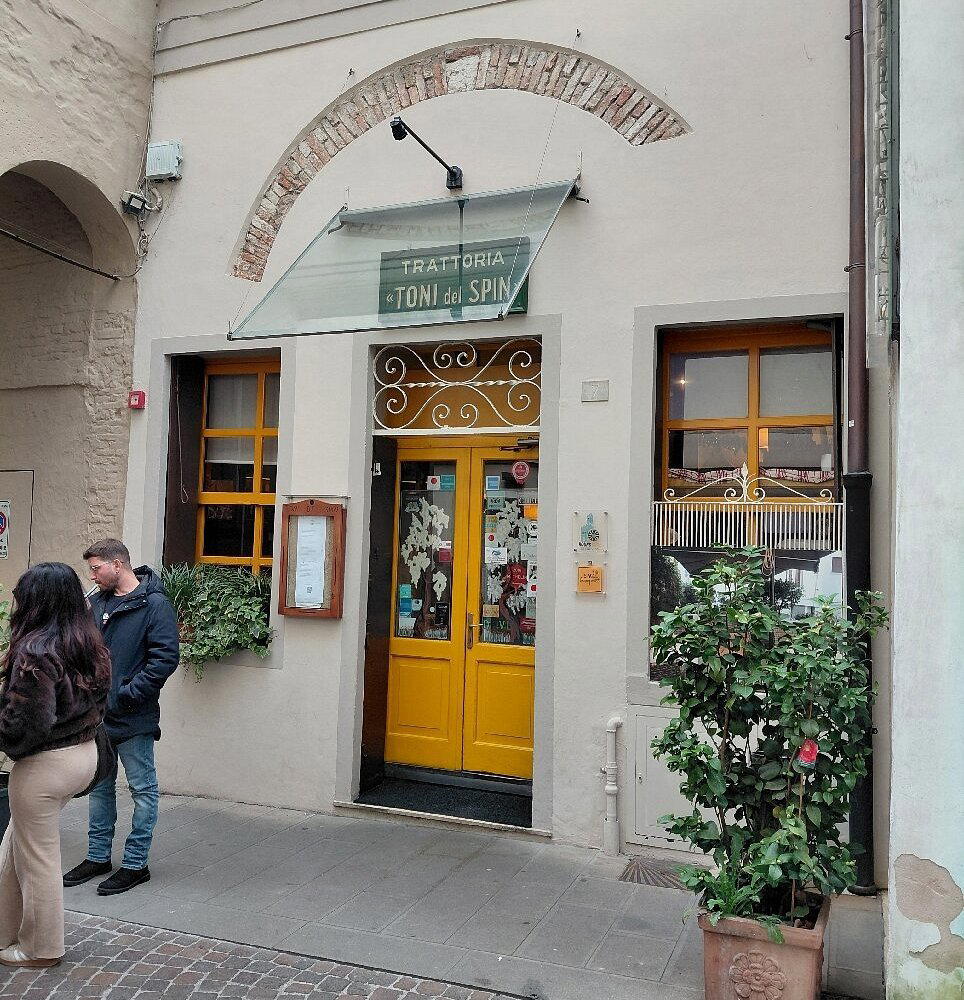
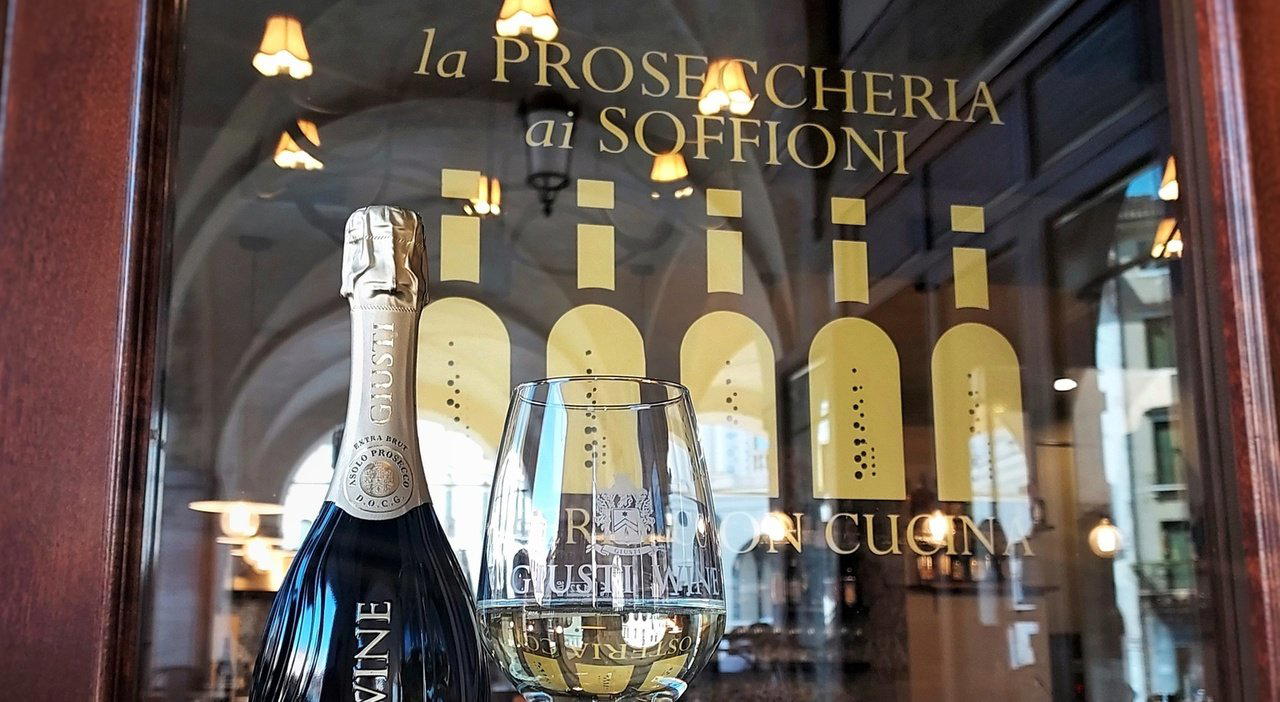
Details
- Scenic
- Rustic
- Classic
- Intimate
- Romantic Getaway
- Group Outing
- Wine Education
- Special Occasion
- Solo Exploration
- Estate Grounds
- Vineyard Tour
- Panoramic View
- Private Tasting
- Organic
- Sustainable
- Vineyard
- Mountain
- Glera
- Perera
- Verdiso
- Bianchetta Trevigiana
- Boschera
- Sparkling
- Still White
- Pet Nat
- Standard Tasting
- Tasting With Nibbles
- Private Tasting
- English
- Italian
Small, family-run Prosecco estate in a historic village, with a working cellar housed in an old town-center house. The atmosphere is artisanal and nature-oriented, with steep vineyard hillsides, concrete and steel tanks in thick-walled, wood-ceilinged spaces, and a focus on genuine, easy-drinking wines representative of the territory.