Klein Constantia Wine Estate
Klein Constantia in Constantia, Cape Town crafts terroir-driven wines from decomposed granite slopes overlooking False Bay. Signature offerings include the historic Vin de Constance (Muscat Blanc à Petits Grains), Klein Constantia Cabernet Sauvignon and limited single-vineyard releases. The estate pairs centuries-old heritage — founded on the original 1685 Constantia farm and revived in 1980 — with modern precision under winemaker Matthew Day. Internationally celebrated for its Vin de Constance and restrained, elegant styles, the tasting experience rewards the senses with honeyed citrus, orange blossom perfume, mineral tension and cool maritime acidity.
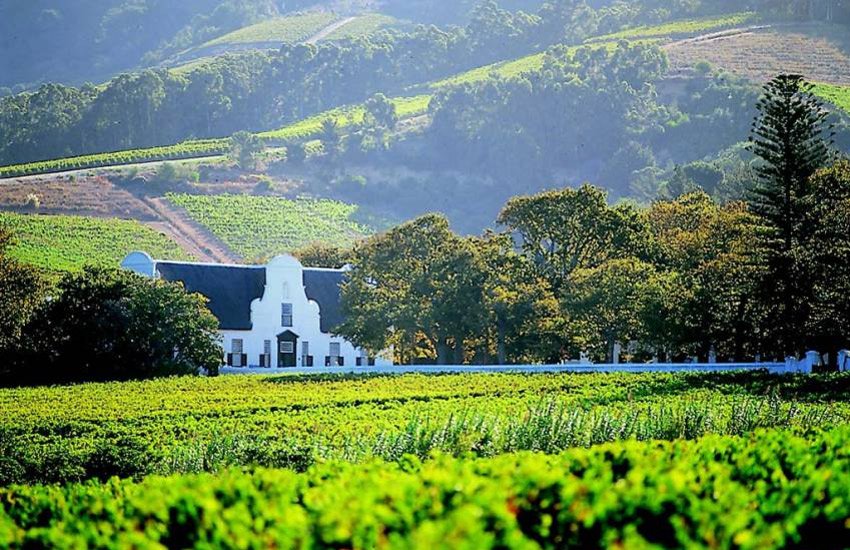
Klein Constantia sits high on the slopes of the Constantiaberg in Constantia, Cape Town, where cool false-bay winds and decomposed granite soils shape wines of clarity and poise. Step onto the shaded terraces of the Cape Dutch estate and the first thing you notice is the bay air carrying citrus blossom and sea-salt freshness; Klein Constantia’s vineyards run across a range of elevations up to 343 metres, which along with ocean breezes extends the growing season and concentrates aromatics. The estate’s narrative begins with Simon van der Stel in 1685 and moves through decline and revival — re-established by Duggie Jooste in 1980 and refined further after the 2011 ownership transition — a history that gives every bottle a palpable sense of place. Visitors searching for Constantia wine tasting will find purposeful production, appointed tastings and a portfolio that foregrounds Vin de Constance alongside Bordeaux-inspired reds.
The production team at Klein Constantia is led by winemaker Matthew Day with viticultural input from Craig Harris; together they pursue a philosophy of restraint, terroir expression and careful extraction. Vineyard decisions emphasize soil health across 146 hectares and microclimate adaptation, with targeted blocks for Muscat Blanc à Petits Grains, Cabernet Sauvignon, Malbec and Petit Verdot. Vinification balances traditional techniques for sweet and fortified styles with modern cellar precision: botrytized Muscat berries for Vin de Constance are harvested in concentrated parcels and handled to preserve aromatics and acidity, while reds are picked to tension and fermented to finesse. Klein Constantia’s global renown rests on consistent critical praise for Vin de Constance and an elevated profile after engagement with Bordeaux winemaking expertise; the estate’s awards and industry recognition underscore its competitive position as one of South Africa’s benchmark producers for sweet wine and refined reds. Sustainability measures — reservoirs for water conservation, biodiversity-conscious vineyard management and ongoing trials of new varieties — illustrate an estate looking forward while stewarding historic land.
The product journey at Klein Constantia moves from vine to cellar with clear intent. Vin de Constance is the estate’s signature: Muscat Blanc à Petits Grains grapes affected by noble rot or shriveling are hand-selected to concentrate sugars and volatile aromatics, producing layers of honeyed citrus, orange blossom, sweet spice and sustained acidity; bottles are released in selected vintages and often allocated to collectors. Estate Cabernet Sauvignon, Malbec and Petit Verdot reflect the Bordeaux lineage of the vineyard program — structured tannins, cassis and graphite notes on the reds, with attentive barrel and bottle aging to achieve balance rather than overt oak dominance. The estate also issues limited single-vineyard bottlings and small-allocation releases that showcase specific soil parcels along the Constantiaberg slope; these allocated wines sell through the estate list and wine-club channels. The cellar program emphasizes gentle aging to refine texture: careful barrel management and calibrated maturation periods preserve purity and preserve the maritime lift central to Constantia’s identity. For collectors and serious tasters, occasional vertical or allocated releases of Vin de Constance and single-parcel reds are the most sought-after items.
Guest experiences at Klein Constantia are intentionally curated. Tastings occur in a classic Cape Dutch setting shaded by jacaranda trees, with vineyard and False Bay panoramas visible from the terrace; the atmosphere is calm, educational and tailored to appointment-only visits booked via the official website. Tours explain the estate’s heritage, vineyard practices and the concentrated harvest techniques behind Vin de Constance, while private tastings and food-pairing experiences with local chefs are available on request. The estate does not offer walk-in tasting crowds; rather, it focuses on small-group sessions, private cellar access for allocated bottles, and seasonal events timed to releases and harvest milestones. Architectural interest centers on restored Cape Dutch buildings and a working cellar that bridges historic character with contemporary winemaking equipment.
Best times to visit Klein Constantia are by appointment during the Cape’s shoulder seasons when light and vineyard colour are most striking; appointment-only tastings are available via the official website and advance booking is recommended. Options include guided estate tours, private tastings and seasonal pairing programs; allocated releases and limited bottlings may require wine-club membership or direct estate purchase.
For travelers seeking provenance, history and saline coastal freshness in the glass, Klein Constantia delivers a compelling Constantia experience. Reserve time on your itinerary to taste Vin de Constance and the estate’s terroir-driven wines at Klein Constantia — by appointment — and bring home a story in every bottle.
Access the Cellar?
Our members enjoy exclusive access to private tastings and priority allocations from the world's most sought-after producers.
Access the Concierge