
Garbole is a small Valpolicella-area estate in Tregnago with a serious, private tone and a focus on limited-production Amarone-influenced reds. Its flagship Hurlo frames native Veronese vine recovery, numbered bottles, and direct allocation as part of a more conceptual reading of Veneto wine culture.

Pearl is the En Primeur Club membership app — saves, bookings, and concierge access live there. Same editors, same standards.

Garbole in Tregnago is best understood as a small, independent Valpolicella-area estate with an intimate, almost cult-like atmosphere. The picture is narrow but distinctive: a serious, contemplative place focused on highly artisanal, experimental Amarone-style wines, with rarity and creative freedom at the center of its identity. Rather than presenting itself, in the available description, as a broad tourist stop or a conventional hospitality address, it comes across as a more inward-facing wine estate, defined by intensity, selectiveness, and a strong sense of personal direction.
The reliable signal is its mood and positioning: premium, independent, and aimed at people drawn to expressive, uncommon interpretations of the Amarone tradition. That makes Garbole easier to understand through sensibility than through a list of confirmed services. Its appeal lies in the idea of a focused estate with a clear creative stance, where the attraction is not breadth but depth.
A serious Valpolicella-area identity
Garbole’s strongest editorial hook is not a score, an award, or a public hospitality format. It is the estate’s place within a Valpolicella-area context and its emphasis on highly artisanal, experimental Amarone-style wines. That makes the venue more compelling as a study in tone and intent than as a checklist of confirmed amenities. Particularly useful reading is therefore qualitative: Garbole stand for a particular attitude toward the Amarone idea, one that values craft, individuality, and a willingness to work outside a purely conventional frame.
The atmosphere is serious and contemplative rather than casual or theatrical. Garbole reads as a place where the point is not volume or broad appeal, but concentration: rarity, creative freedom, and a highly personal relationship to the Amarone idea. In editorial terms, that gives it a compact but memorable identity. It is not described as a venue built around spectacle; it is described through a quieter kind of intensity, the kind that tends to matter most to people who are already paying close attention to style, interpretation, and intention.
For travelers and collectors, the useful way to frame Garbole is as a premium, niche estate in Tregnago. Specific claims about individual bottlings, production details, awards, visitor services, or tasting structure should be confirmed directly before planning around them. That caution is part of the appeal as well as the practical reality: the available picture is compelling, but it is not broad enough to support assumptions about logistics or a standardized visitor experience.
An intimate estate profile rather than a confirmed visitor format
The description of Garbole supports an intimate and selective impression, but it does not confirm specific public-visit logistics. Rather than assuming a fixed tasting format, appointment policy, language offering, food pairing, payment method, or shipping service, visitors should treat those details as practical questions to verify directly with the estate. This is especially important because the identity presented here is not that of a large, access-driven destination, but of a small estate whose interest lies in focus and character.
What can be said with confidence is that Garbole’s identity is built around a small, independent Valpolicella-area sensibility. The wines are described in broad terms as highly artisanal and experimental in an Amarone-style register, which suggests a venue better suited to focused wine interest than to casual, high-volume tourism. The language around the estate points to rarity and creative freedom, so the strongest audience is likely to be one that appreciates a more contemplative encounter with wine, even before any specific visit details are confirmed.
That makes Garbole a sharper choice for people who are already curious about Valpolicella-area reds and the expressive possibilities around Amarone-style winemaking. It is less about ticking off a regional stop and more about engaging with a narrow, distinctive interpretation of place and style. In that sense, the estate’s limited public description does not weaken its editorial identity; it reinforces the sense of something selective, serious, and deliberately individual.
How to place it within a Tregnago wine day
Tregnago can be approached as a quiet base for a focused wine visit rather than a checklist destination. For Garbole specifically, the safest planning approach is to confirm all practical details directly, including timing, availability, visit format, and any purchase or tasting arrangements. Because the confirmed information centers on identity rather than logistics, planning should be careful and direct, with no assumptions made about how visits are structured or what services may be available.
When comparing options, keep Garbole’s role distinct: it is presented as a premium, independent Valpolicella-area estate with an intimate, contemplative atmosphere and a focus on artisanal, experimental Amarone-style wines. Other dining or drinking options in Tregnago can be considered separately, but no specific local venue details are here. Garbole’s place in a wine day is therefore best treated as a potential anchor for a more serious, wine-led itinerary, provided the practical arrangements are confirmed in advance.
The editorial case for Garbole is narrow and grounded: a small estate in Tregnago with a rarefied, serious mood and a premium identity shaped by creative, artisanal Amarone-style wine. Its value, on the evidence available, is not in breadth of offering but in the clarity of its atmosphere: independent, selective, contemplative, and oriented toward uncommon expressions of a familiar Valpolicella-area tradition.
Recognition history
Dated appearances from independent guides and award organizations, with the underlying list record or original source where available.
Falstaff Winery - Listed
Falstaff
Continue exploring
More in Tregnago
Wineries in Tregnago
Browse all →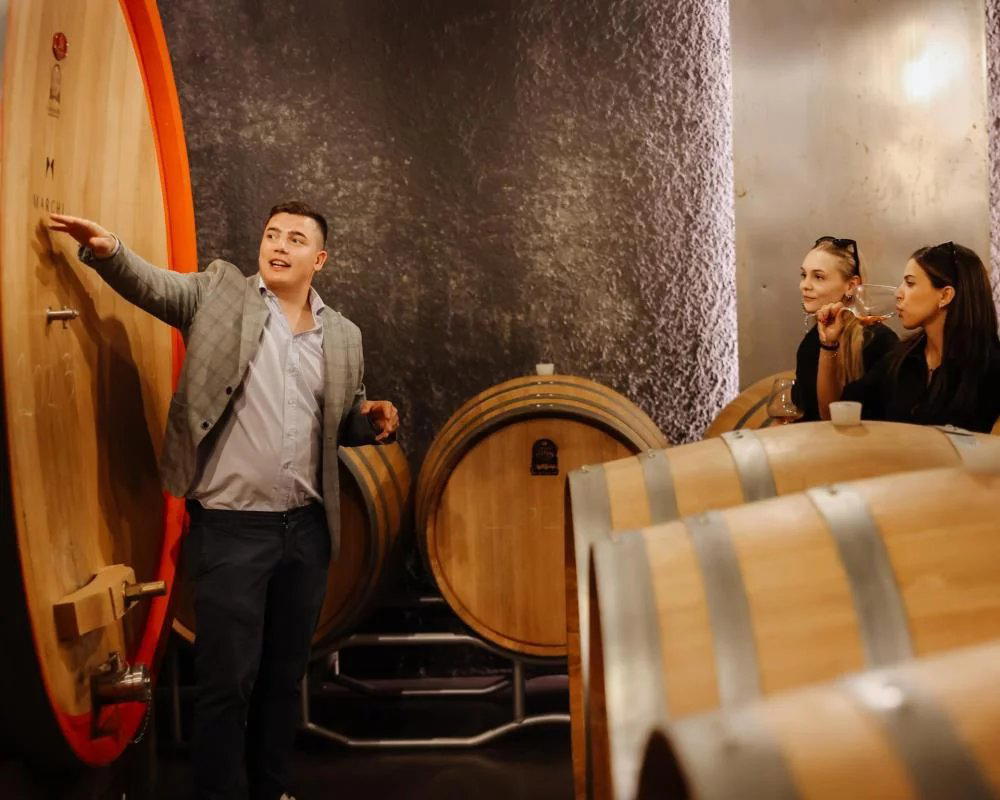
Restaurants in Tregnago
Browse all →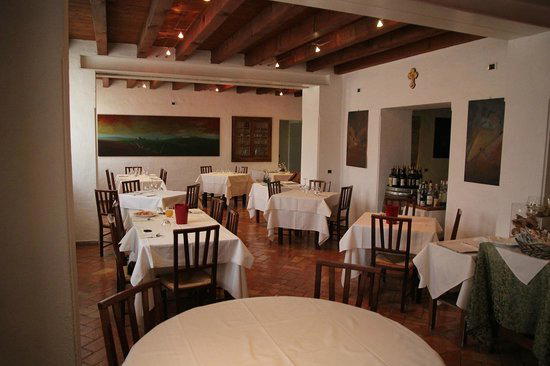
At a Glance
- Intimate
- Elegant
- Rustic
- Sophisticated
- Special Occasion
- Romantic Getaway
- Solo Exploration
- Wine Education
- Group Outing
- Private Tasting
- Estate Grounds
- Sustainable
- Vineyard
- Mountain
- Valpolicella DOC
- Native Veronese Grapes
- Secret Unidentified Grape
- Still Red
- Dessert
- Seated Tasting
- Private Tasting
A small, independent Valpolicella-area estate with an intimate, almost cult-like atmosphere focused on highly artisanal, experimental Amarone-style wines; the tone is serious and contemplative, emphasizing creative freedom, rarity, and hedonistic, private enjoyment rather than casual tourism.