Fratelli Martini Secondo Luigi

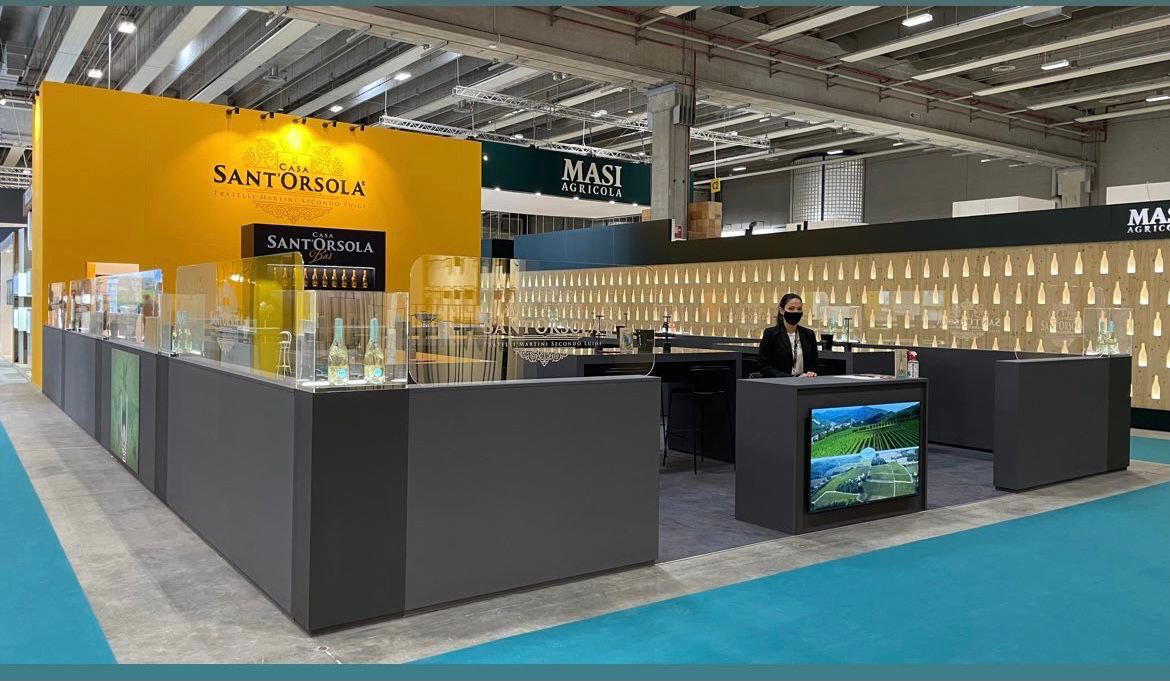
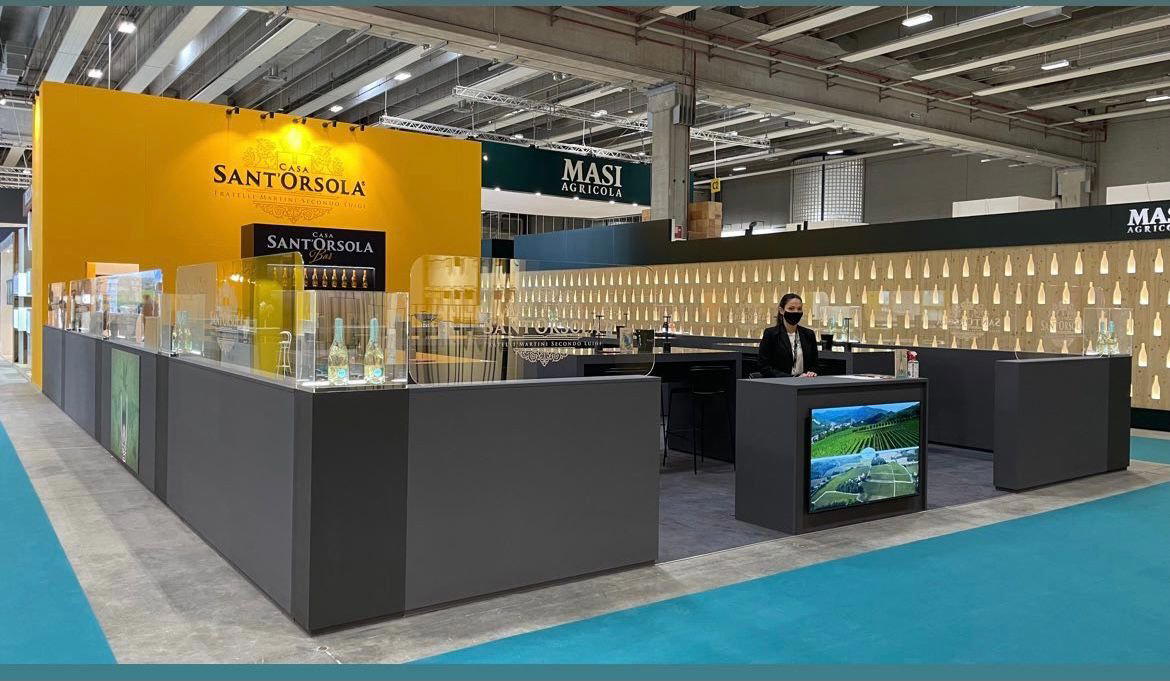
Fratelli Martini Secondo Luigi is a large family-run Langhe winery whose story runs through Cossano Belbo, sparkling wine, grower networks, and high-capacity cellar architecture. Founded in 1947, it works at a scale unusual for a family producer, with brands such as Casa Sant’Orsola and Canti, a major barrel cellar, and a production model tied to more than 1,200 Piedmontese grape-growing families.
Pearl is the En Primeur Club membership app — saves, bookings, and concierge access live there. Same editors, same standards.
- Address
- Cossano Belbo, Piedmont, Italien
 Saves & bookings on Pearl
Fratelli Martini Secondo Luigi in Cossano Belbo is best understood as a modern Langhe winery rather than as a small rustic cellar. The profile points to a large, technologically advanced, family-run operation whose identity is tied to scale, architecture, and the surrounding wine landscape. Its headquarters are described as modern and integrated with nature, while the barrel cellar is presented as monumental: a setting where production is not hidden away but made part of the winery’s character.
Because the confirmed information is limited, a reliable way to frame Fratelli Martini Secondo Luigi is through what is known rather than through unsupported detail. The venue is in Cossano Belbo, carries a $$ price indicator, and is associated with a Langhe winery model that combines industrial efficiency with a sense of tradition and respect.
Langhe identity at industrial family scale
Many visitors arrive in the Langhe with an image of intimate cellars, hillside villages, and small-scale craft. Fratelli Martini Secondo Luigi offers a different version of the region: one in which family continuity and modern production infrastructure sit side by side. The winery’s scale is part of the story. Rather than presenting Langhe wine culture only through the lens of the boutique estate, it shows how a larger family-run producer can use technology, organisation, and architecture to express a regional identity.
That does not make the place less rooted in tradition. The description specifically joins industrial efficiency with a sense of sacredness and respect for tradition. That pairing is important. It suggests a winery that does not rely on nostalgia alone, but also does not treat winemaking as a purely technical exercise. Particularly grounded reading is that winery uses modern systems and a contemporary built environment to support a long-established cultural idea: wine production as something connected to land, continuity, and care.
For travellers, this makes the venue especially relevant if the interest is broader than a single glass or label. The winery represents the production side of the Langhe in a visible, architectural form. It is a place to consider when the question is not only what is poured, but how a large winery can be organised, housed, and presented without abandoning the symbolic weight of the cellar.
The monumental cellar makes production part of the experience
The barrel cellar is the strongest confirmed element in the profile. It is described as monumental, and the language around the site gives it a tone beyond simple utility. A barrel cellar can be a working room, a storage space, or a technical facility; here it is part of the identity of the winery. The confirmed description points to a space that makes the process of maturation feel significant, almost ceremonial, while remaining connected to the practical realities of production.
The modern headquarters adds another layer. Its nature-integrated character gives the winery a contemporary architectural presence without severing it from its setting in Cossano Belbo. This is not a profile built around a historic dining room, a chef, a tasting-menu format, or a hospitality concept. It is a profile built around a winery complex: modern, scenic, technically capable, and visually shaped to make production and landscape feel connected.
That distinction helps set expectations. Visitors looking for a small, informal cellar may read the scale differently from those interested in wine infrastructure and design. The winery is most compelling as a study in how a large family-run Langhe winery can present itself with both operational seriousness and symbolic atmosphere. The appeal lies in the meeting point between modern winemaking capacity and the older language of barrels, cellars, and regional tradition.
How to read the visit in Cossano Belbo
In Cossano Belbo, the winery should be approached as a winery with a strong architectural and production identity. Those details may matter for planning, but they are not established in the profile. The safest approach is to confirm practical arrangements directly before building an itinerary around a visit.
The $$ price indicator gives only a broad signal. It should not be read as a confirmed tasting fee, bottle price, tour price, or dining cost. Likewise, because no restaurant service or cuisine, the venue should not be described as a dining destination. Its grounded appeal is the winery itself: a large, technologically advanced, family-run Langhe producer with a modern, nature-integrated headquarters and a monumental barrel cellar.
For a Cossano Belbo itinerary, the venue works well as an anchor for travellers interested in wine culture, production architecture, and the contrast between tradition and modern scale. Other dining or hospitality choices in Cossano Belbo can be considered separately, but the winery’s own confirmed identity is specific: it is a modern, scenic winery whose physical setting communicates both efficiency and reverence for the winemaking tradition.
Recognition history
Dated appearances from independent guides and award organizations, with the underlying list record or original source where available.
Falstaff Winery - Listed
Falstaff
Continue exploring
More in Cossano Belbo
At a Glance
- Modern
- Scenic
- Well Known
- Industrial
- Sophisticated
- Group Outing
- Corporate Event
- Wine Education
- Special Occasion
- Barrel Room
- Estate Grounds
- Design Destination
- Sustainable
- Vineyard
- Langhe
- Sparkling
- Still Red
- Still White
Large, technologically advanced family-run winery in the Langhe with a modern, nature-integrated headquarters and monumental barrel cellar, combining industrial efficiency with a sense of sacredness and respect for tradition.