Domaine Laforest

Domaine Laforest is a fourth-generation Beaujolais estate in Regnie Durette, focused on Gamay from Régnié, Brouilly, Côte-de-Brouilly and Beaujolais-Villages. The draw is terroir literacy rather than theatre: granitic soils, manual harvests, carbonic maceration, HVE Niveau 3 certification and a 2025 Concours International du Gamay Gold medal for its Côte-de-Brouilly 2024.
Pearl is the En Primeur Club membership app — saves, bookings, and concierge access live there. Same editors, same standards.
- Address
- Régnié-Durette, Brouilly, Auvergne-Rhône-Alpes, Frankreich
 Saves & bookings on Pearl
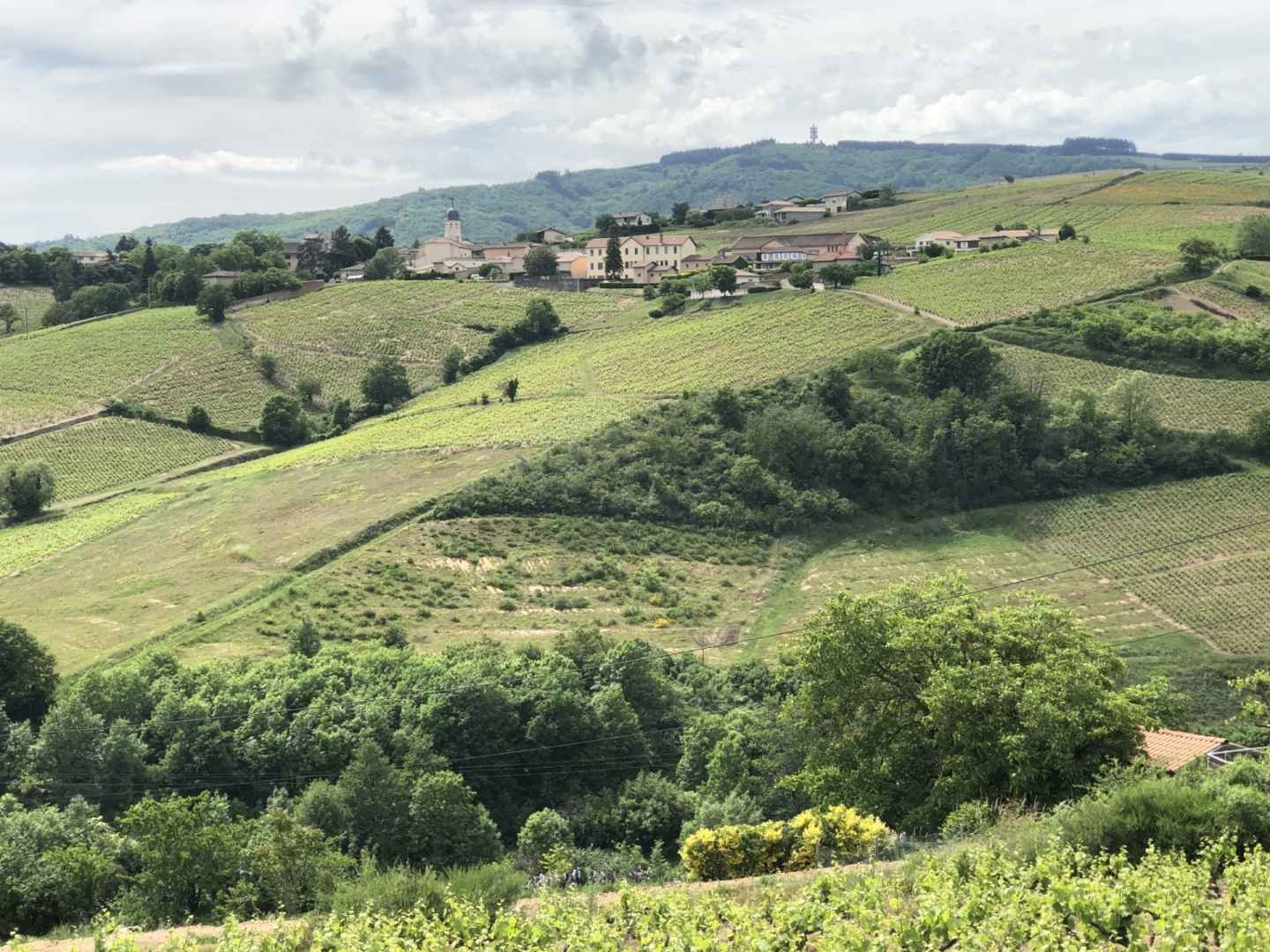
Domaine Laforest in Regnie Durette is best understood as a low-key Beaujolais estate rather than a polished hospitality set piece. The picture is simple: a family-run domaine with a down-to-earth, rural atmosphere, focused on the vineyard and cellar. Visitors should expect the emphasis to fall on place, farming and the practical work of wine, not on theatrical service or luxury staging.
That makes the estate a strong fit for travellers who want a quiet, scenic and classic cellar stop in Regnie Durette. The appeal is not built around a confirmed award list, a named chef, a formal dining room or an elaborate menu. It is built around a more direct kind of visit: educational tastings centred on terroir and sustainable farming, in a rustic setting that feels close to the land.
Granitic Beaujolais, read through the vineyard rather than cellar theatre
A reliable way to frame Domaine Laforest is as a vineyard-and-cellar visit. The details point to tastings that are educational and terroir-focused, with sustainable farming part of the conversation. Rather than presenting the domaine as a place for a specific bottle, vintage, score or medal, it is more accurate to describe it as a stop for understanding how a family estate explains its work in the Beaujolais landscape.
For visitors, that distinction matters. Some wine stops are designed around spectacle, architecture or high-touch service. Domaine Laforest is described instead as rustic, quiet and scenic, with a classic rural feel. The useful expectation is a direct tasting environment where the vineyard, cellar and farming choices provide the structure of the experience.
What can be said is that the estate’s public identity, as here, is rooted in terroir, sustainability and a family-run Beaujolais setting. That is enough to make it relevant for travellers seeking a grounded cellar visit in Regnie Durette.
A family estate format with a down-to-earth feel
The winery’s confirmed atmosphere is one of its clearest strengths. The estate is described as family-run, rural, quiet and hidden-gem in character. Those words set useful expectations: this is not a venue to approach as a restaurant, bar or hotel, and it should not be described through claims about seating, service choreography, lunch, dinner or a broader hospitality programme.
The price level is listed as $$, which places it in a moderate bracket for planning purposes. Travellers should therefore treat practical details as something to confirm directly before visiting, especially if timing is tight or the stop is part of a broader itinerary.
The educational side is the safest and most compelling hook. The winery is best positioned for people who want to learn about terroir and sustainable farming in a setting that remains close to the vineyard and cellar. It may suit wine-curious visitors who prefer a calm, direct explanation of place over a heavily produced experience.
How to fold it into a Regnie Durette wine itinerary
In Regnie Durette, the winery can serve as a quiet anchor for a wine-focused day. Its strengths are atmosphere and focus: rustic, scenic, classic, educational and connected to sustainable farming. Build the visit around those qualities rather than around unsupported assumptions about a formal tour programme, exact opening hours, food service or specific wines.
If you are planning a broader day in the area, keep the rest of the schedule flexible. The safest plan is to treat it as a Beaujolais estate visit first and arrange meals, transport and timing separately.
For comparison, the winery is also the relevant reference point here: a family-run Beaujolais estate in Regnie Durette with a rural, educational, terroir-led character. The honest reason to include it is not a fabricated accolade or an production story, but the clarity of the setting itself: vineyard, cellar, sustainable farming and a quiet sense of place.
Recognition history
Dated appearances from independent guides and award organizations, with the underlying list record or original source where available.
Falstaff Winery - Listed
Falstaff
Continue exploring
More in Regnie Durette
Wineries in Regnie Durette
Browse all →
At a Glance
- Rustic
- Quiet
- Scenic
- Classic
- Group Outing
- Solo Exploration
- Wine Education
- Corporate Event
- Special Occasion
- Cave Tasting
- Barrel Room
- Vineyard Tour
- Estate Grounds
- Sustainable
- Vineyard
Family-run Beaujolais estate with a down-to-earth, rural atmosphere focused on the vineyard and cellar, offering direct, educational tastings centered on terroir and sustainable farming.