Domaine du Paradis

Domaine du Paradis gives Geneva wine country a cellar-first reading: Satigny fruit, Genève AOC identity, and a tasting format built around explanation rather than spectacle. The draw is the combination of Chasselas, Garanoir, Pinot Noir and other still wines, with a vaulted cellar and garden setting that suit visitors who want context with the glass.
Pearl is the En Primeur Club membership app — saves, bookings, and concierge access live there. Same editors, same standards.
- Address
- Rte du Mandement 275, 1242 Satigny, Switzerland
- Phone
- +41 22 753 18 55
- Website
- domaine-du-paradis.ch
- Directions
- Get directions
 Saves & bookings on Pearl
Satigny’s wine estates do not need grand theatre to make their point. The signal here is quieter: cellar stone, garden air, and a tasting format that treats Geneva wine as something to be explained, not merely poured. Domaine du Paradis belongs to that more conversational side of Swiss wine tourism, where the room, the vineyard commune and the glass are part of the same argument.
That matters in Satigny because the commune carries unusual weight inside Geneva’s wine identity. It is the largest wine-growing commune in Switzerland, a fact that gives local producers a stronger regional frame than many visitors expect from a city better known for diplomacy, banking and lakeside hotels. The wines here are not trying to imitate the grander narratives of Burgundy or Bordeaux. They are more useful as a Geneva lens: Chasselas for local white-wine tradition, Garanoir for Swiss red-grape specificity, and Pinot Noir, Pinot Blanc, Sauvignon Blanc and Grenache showing how international varieties fit into the Canton’s climate and cellar culture.
Satigny terroir, read through Chasselas and Garanoir
Geneva’s wine country is often underestimated by travellers who stop at the lakefront. Satigny changes that calculation. The commune sits within the Genève AOC, and its producers work in a climate shaped by the Lake Geneva basin and the wider western Swiss setting. In practical terms, that makes acidity, freshness and varietal clarity central to the conversation, especially when Chasselas is on the table.
Domaine du Paradis is useful because its range gives a compact survey of the region rather than a single-style monologue. Chasselas anchors the local white side; Sauvignon Blanc and Pinot Blanc broaden the white-wine register. On the red side, Garanoir brings a Swiss accent that visitors rarely meet outside the country, while Pinot Noir and Grenache place the estate in a broader European vocabulary. The result is not a trophy-cellar proposition. It is a reading of Geneva wine through grape choice, pricing discipline and an educational cellar format.
The estate’s bottle prices, running from CHF 11 for Chasselas to CHF 18 for Grenache, also say something about the local category. Swiss wine can be hard to understand from abroad because so much of it is consumed domestically and because export visibility remains limited compared with France or Italy. A Satigny tasting at this level is therefore less about chasing labels and more about building a working vocabulary for the region: what Chasselas does in Geneva, how Garanoir fits beside Pinot Noir, and why a local cellar may feel more grounded than a formal tasting room built for international traffic.
A cellar visit built around explanation, not performance
The stronger Swiss wine visits tend to be didactic in the better sense of the word. The guest is not left alone with a flight and a few tasting notes; the cellar itself becomes part of the lesson. Domaine du Paradis follows that model with guided cellar-visit tastings that cover winemaking and vinification, including the cellar’s barrels and vats. That format suits visitors who prefer to understand process before deciding what they like in the glass.
Hospitality infrastructure is small-scale but flexible. A vaulted cellar can be used for seated or standing private gatherings, while the outdoor scent garden shifts the mood in fair weather. That combination makes the estate more adaptable than a conventional counter-only tasting room: intimate enough for wine education, but able to handle group outings and corporate events without losing the cellar focus. Tastings are offered in French, English and German, which is a meaningful advantage in Geneva’s multilingual orbit.
Food is present as a supporting element rather than the main event. Regional charcuterie and cheese can accompany fuller tastings, and aperitif platters add a local, practical layer to the visit. That is the right level of ambition for this kind of estate. The food should frame the wine, not turn the tasting into a restaurant experience. The appeal is the order of operations: cellar first, Geneva varieties second, regional pairing third.
For wider context in the commune, the dedicated Satigny wineries guide is the natural next stop, with nearby estate pages including Cave & Domaine Les Perrières, Château des Bois, Domaine de Champvigny, Domaine de la Comtesse ELDEGARDE Nicolas Bonnet and Domaine de la Devinière helping map the local cellar network without forcing false equivalence.
Who this Satigny tasting works for
This is a better fit for travellers who want Geneva wine explained at the source than for those chasing formal awards, critic scores or collector scarcity. The trust signal is regional and experiential: Genève AOC location, Satigny’s status in Swiss wine, an appointment-led cellar visit, named grape varieties, multilingual hosting and clear tasting formats. The estate is also better for adults than for family-style touring, and the quiet atmosphere suits guests who want a focused cellar conversation rather than a high-volume tasting bar.
The planning logic is simple: treat it as a scheduled wine-country visit, not a drop-in between city appointments. The tasting format is appointment only, and the stated tour duration runs about 60 to 90 minutes. Dress is casual, which fits the cellar-and-garden character. Visitors building a fuller Satigny day can pair the wine itinerary with the broader Satigny restaurants guide, Satigny hotels guide, Satigny bars guide and Satigny experiences guide.
Beyond Geneva, the comparison should be regional rather than stylistic. Swiss and nearby Central European wine pages such as 180°Süd in Frick, A & A Weinbau in Henggart, A. & C. Chevalley in Lutry, »der Steiner« Hans Steiner in Podersdorf am See and & Handwein in Mannheim help place Satigny inside a wider cellar-travel map. The winery earns attention because it makes Geneva wine legible: local grapes, modest bottle pricing, a guided cellar rhythm and enough garden-and-vaulted-cellar character to turn the tasting into a clear sense of place.
Recognition history
Dated appearances from independent guides and award organizations, with the underlying list record or original source where available.
Falstaff Winery - 1 Stars
Falstaff
Continue exploring
More in Satigny
Wineries in Satigny
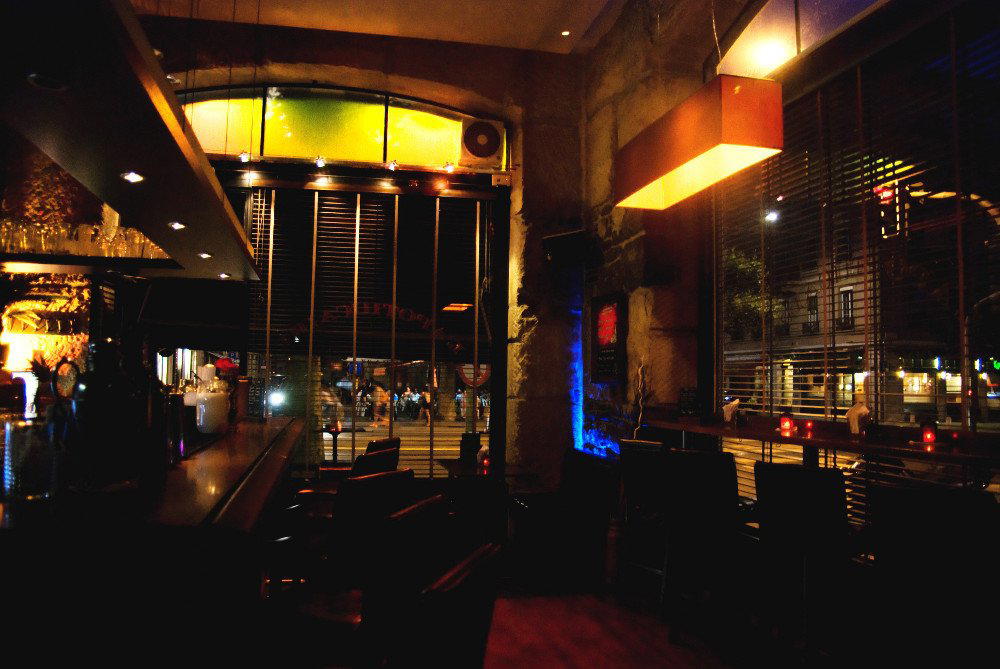
Browse all →Bars in Satigny
Browse all →
Restaurants in Satigny
Browse all →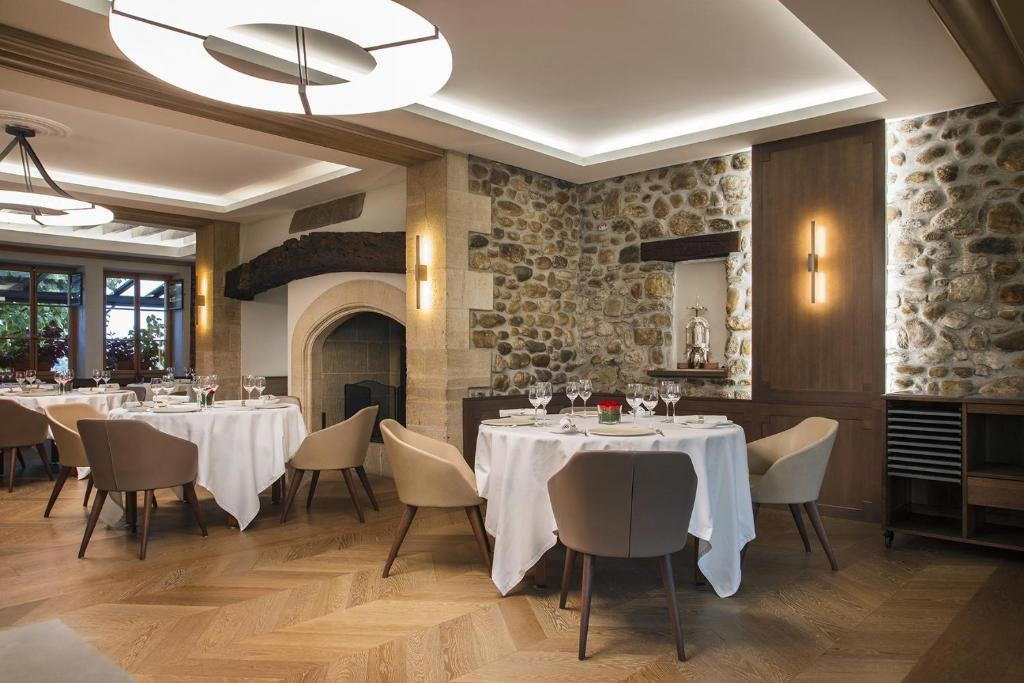
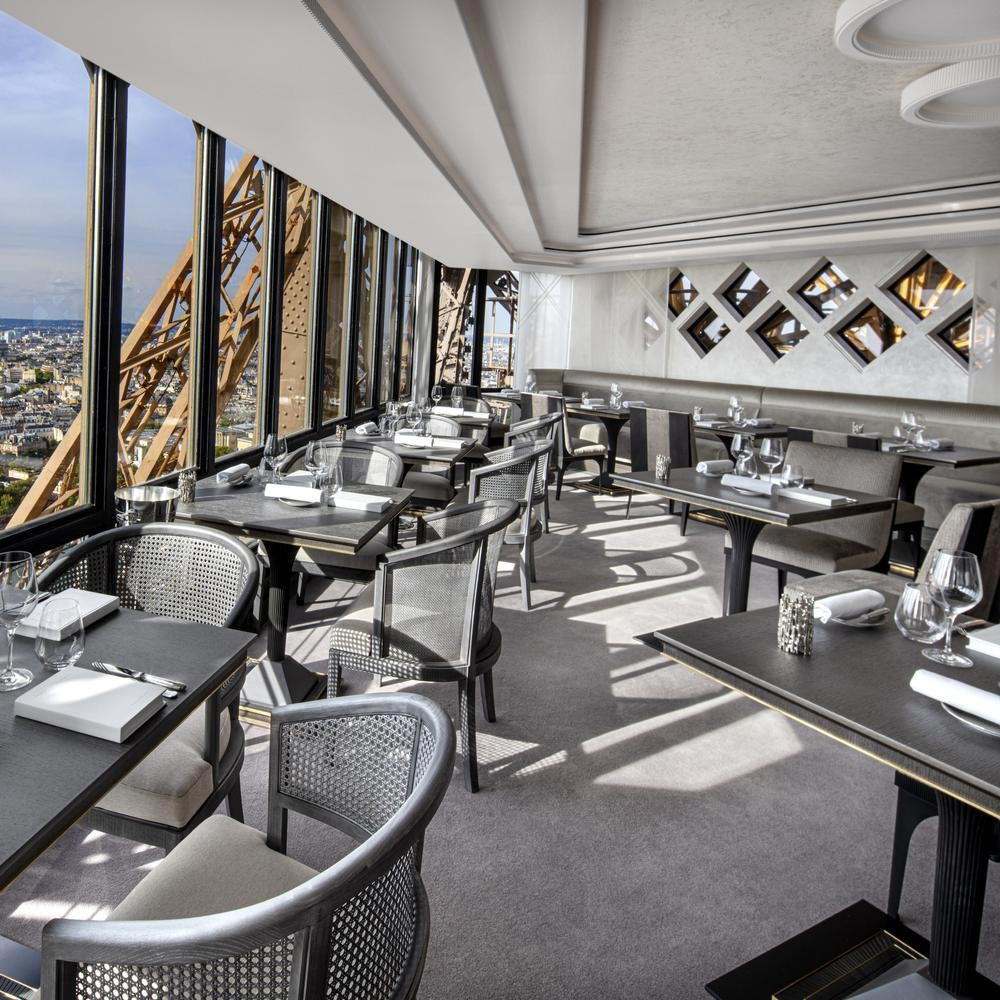
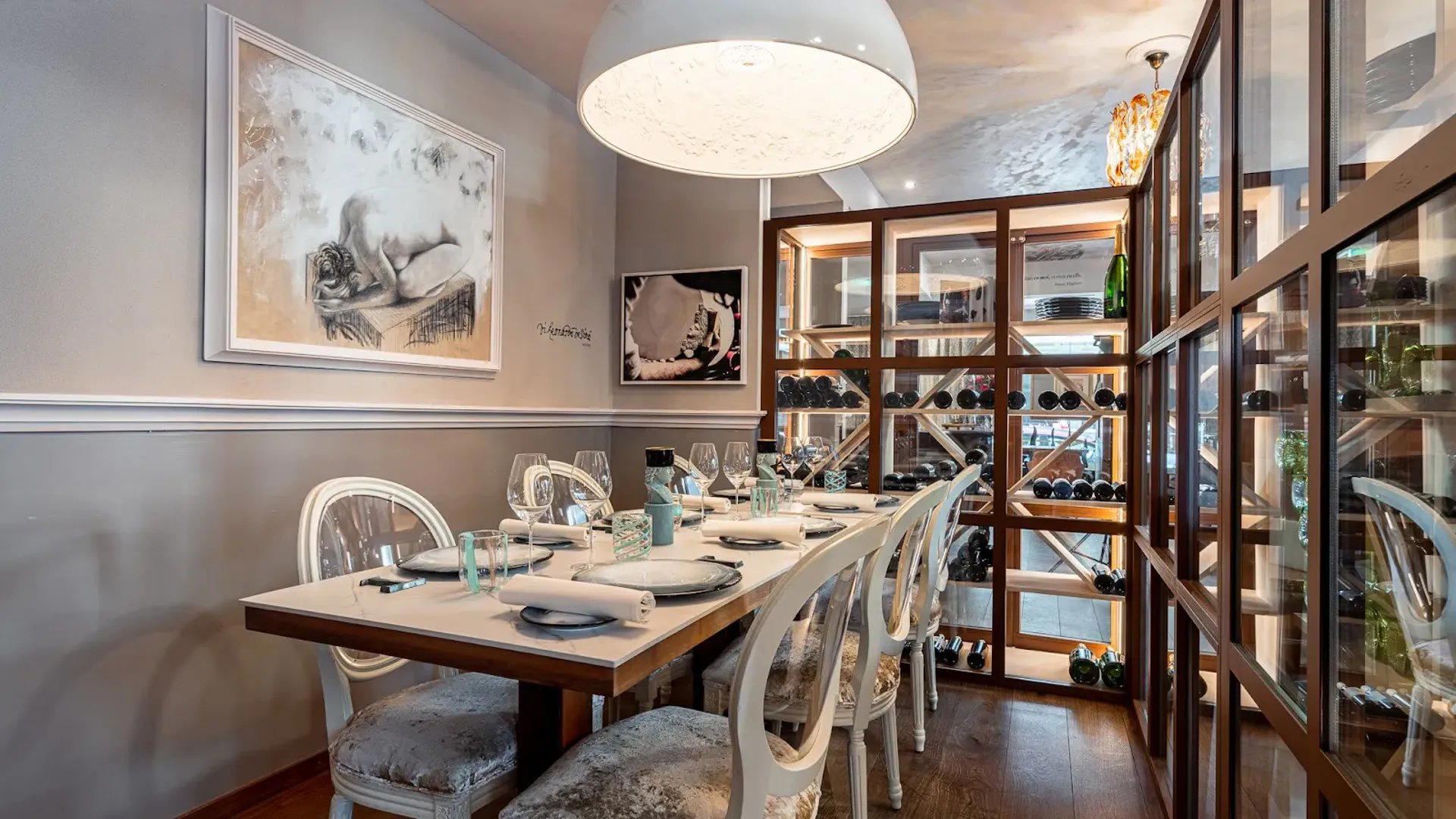
At a Glance
- Quiet
- Cozy
- Rustic
- Intimate
- Wine Education
- Special Occasion
- Group Outing
- Corporate Event
- Cave Tasting
- Private Tasting
- Historic Building
- Estate Grounds
- Garden
- Genève AOC
- Chasselas
- Grenache
- Sauvignon Blanc
- Pinot Noir
- Pinot Blanc
- Garanoir
- Still White
- Still Red
- Guided Tasting
- Cellar Visit Tasting
Current opening hours
- Monday
- 9 AM–12 PM, 1–5 PM
- Tuesday
- 9 AM–12 PM, 1–5 PM
- Wednesday
- 9 AM–12 PM, 1–5 PM
- Thursday
- 9 AM–12 PM, 1–5 PM
- Friday
- 9 AM–12 PM, 1–5 PM
- Saturday
- 10 AM–1 PM
- Sunday
- Closed
Hours can change for holidays and private events. Last verified .
A welcoming cellar-focused wine estate with a convivial, appointment-based tasting experience, plus a vaulted cellar and outdoor scent garden for private gatherings.