
Chateau Fleur de Jean Gue is a small Lalande-de-Pomerol estate near Libourne, shaped around Merlot-dominant red wine, sandy-clay and gravelly soils, and a quiet Right Bank setting by a 12th-century church. Its draw is not architectural theatre but terroir-led Bordeaux: sustainable farming, parcel-by-parcel vinification, modest oak, and a production scale of roughly 2,400 cases a year.
Pearl is the En Primeur Club membership app — saves, bookings, and concierge access live there. Same editors, same standards.
- Address
- Libourne, Nouvelle-Aquitaine, Frankreich
 Saves & bookings on Pearl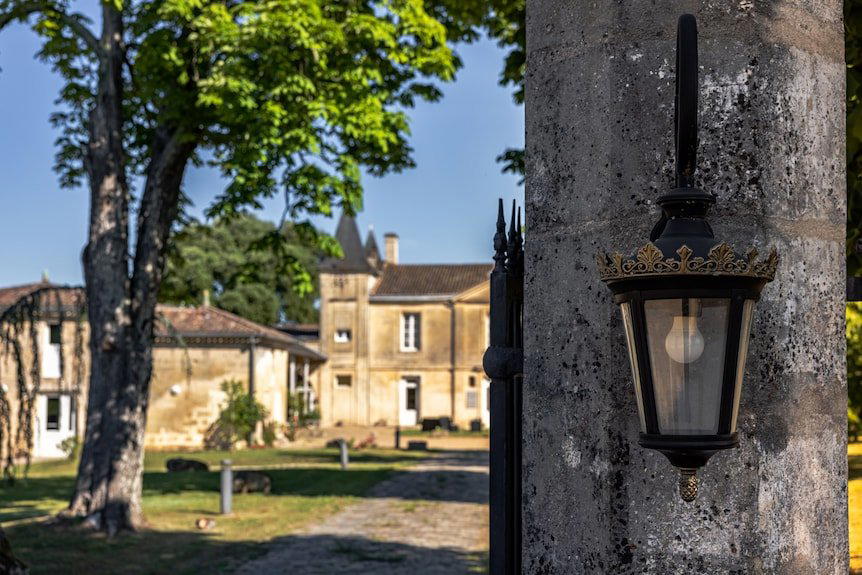
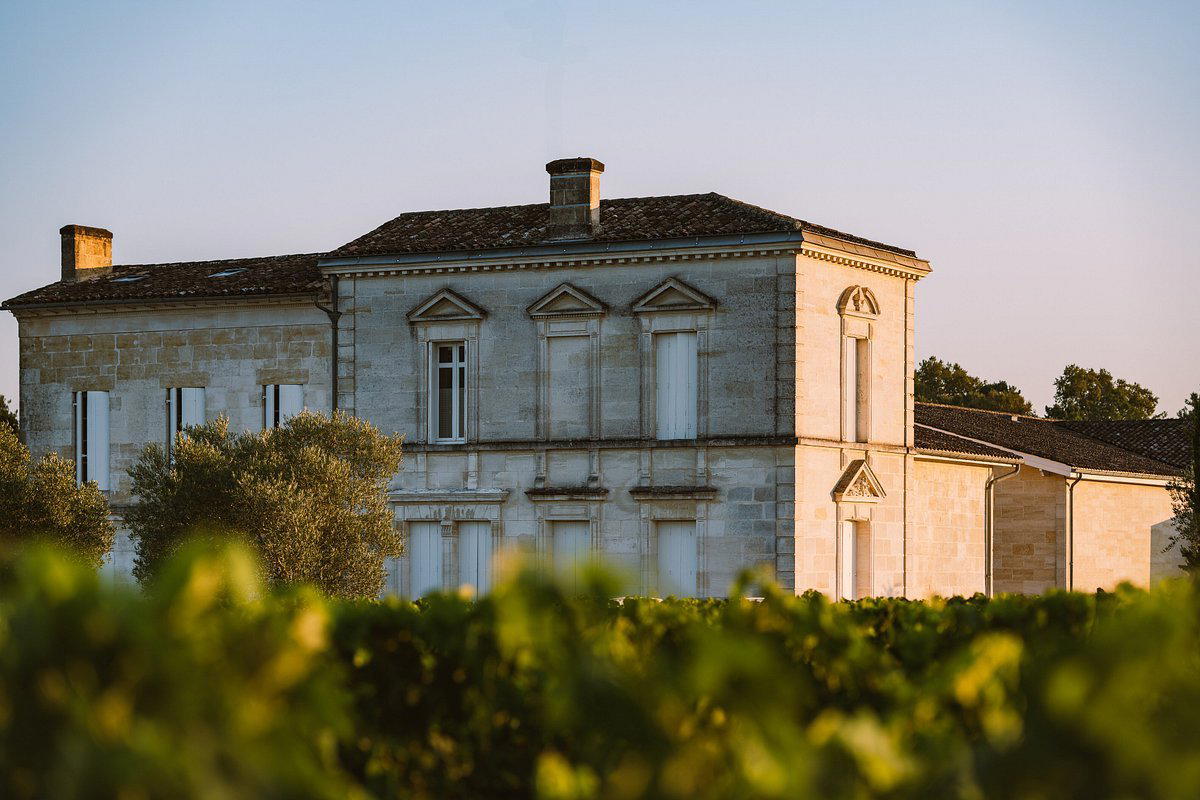
Vines, a functional modern cellar, and the stone presence of a historic 12th-century church set the tone here before any glass is poured. Around Libourne, the Right Bank can split between château grandeur and working estates that keep the focus on soil, cellar, and bottle. Chateau Fleur de Jean Gue reads as a rural, quiet estate: traditional in atmosphere, centered on Merlot-based red wines, and shaped more by its vineyard setting than by design-led spectacle. The impression is not one of maximal polish or overt luxury branding, but of a place where the surrounding vines and cellar context do most of the work. For EP Club readers, that distinction is useful: the appeal sits in Right Bank identity and quiet Bordeaux atmosphere rather than in a long list of confirmed visitor amenities.
Merlot-based Right Bank reds in a rural Libourne setting
The picture of Chateau Fleur de Jean Gue is focused rather than expansive. It is a Right Bank Bordeaux estate in Libourne, associated with Merlot-based reds and a classic estate atmosphere. Beyond that, the available confirmed details do not support specific claims about vineyard size, soil composition, blend percentages, production volume, cellar technique, or aging regime. In practical terms, the estate should be read through what is firmly established: location, style category, and mood. It belongs to the Libourne wine landscape, and its identity is anchored in the Right Bank’s familiar Merlot-led red wine profile.
That restraint matters for planning. This is best understood as a traditional wine-estate entry in the Libourne area, not as a page built around a documented restaurant-style menu, a published visitor format, or a confirmed list of technical winemaking specifications. The reliable editorial hook is the combination of Merlot-based red wine, vines around the cellar, and a quiet Right Bank setting. Rather than overextending the description, it is more accurate to let the estate’s known character remain compact: rural, wine-focused, and tied to its Bordeaux surroundings.
Price is listed as $$, which places the estate in a moderate bracket. Without bottle prices, tasting fees, or release information, the safest read is broad rather than numerical: Chateau Fleur de Jean Gue belongs on a Libourne wine itinerary for travelers interested in Right Bank character and a tranquil estate environment. The price marker is helpful as a general signal, but it should not be treated as a substitute for confirmed costs or current availability. Anyone planning around budget, tastings, or purchases should keep that distinction in mind.
A functional cellar, not a design-led showpiece
The estate’s atmosphere is described as traditional, rural, and tranquil. Its modern, functional cellar sits among vines near a historic 12th-century church, giving the property a grounded sense of place rather than the feeling of a highly staged hospitality campus. That pairing is central to the venue’s texture: a working cellar presence on one side, old stone and vineyard landscape on the other. The result is a Bordeaux setting that feels connected to daily wine production rather than arranged primarily for visual drama.
For visitors, that means the appeal is likely to be contextual: the look and feel of a working Right Bank estate, the vineyard surroundings, and the connection between Libourne and Merlot-based Bordeaux reds. It is the sort of listing where the environment carries much of the editorial weight. The cellar, vines, and rural calm create a frame for understanding the wines without needing to turn the estate into a destination defined by architecture, spectacle, or a fully documented hospitality program.
No confirmed awards or guide scores are available in the available information. The winery should therefore be framed through setting, price level, and Right Bank wine identity rather than through medals, rankings, or critic ratings. That does not weaken the listing; it simply keeps the emphasis where the evidence is strongest. One responsible description is one that avoids borrowed prestige and stays close to the picture: a moderate, traditional Libourne wine estate with Merlot-based reds and a quiet vineyard context.
How to place it in a Libourne wine itinerary
For travelers building a Right Bank route, the useful move is to treat the winery as a calm Libourne estate stop: vines, a functional cellar, a traditional atmosphere, and Merlot-based reds. It suits travelers who want a quieter wine-country reference point rather than a venue defined by dining, nightlife, or elaborate design. In an itinerary, its role is less about providing a complete day’s program and more about adding a grounded Bordeaux estate note to the wider Libourne picture.
Libourne’s wine map is dense enough to justify a deliberate circuit. Pair the winery with other Libourne dining, hotel, bar, winery, and experience research as needed, but avoid assuming specific services, hours, tastings, or hospitality formats until they are confirmed directly. That caution is especially important for a venue whose confirmed public profile is concise. The safest planning approach is to use it as a point of orientation, then verify the practical details before making the stop part of a fixed schedule.
Readers comparing French and European wine regions more broadly can use the winery as a Right Bank Bordeaux reference point: a traditional estate atmosphere, a rural vineyard setting, and Merlot-based reds in Libourne. The contrast with other regions should stay general unless specific, producer details are available. What can be said confidently is enough for positioning: this is a modestly framed, wine-led estate entry that reflects the quieter side of Libourne, where vines, cellar, and local Bordeaux identity remain the main story.
Recognition history
Dated appearances from independent guides and award organizations, with the underlying list record or original source where available.
Falstaff Winery - Listed
Falstaff
Continue exploring
More in Libourne
Wineries in Libourne
Browse all →

Restaurants in Libourne
Browse all →
At a Glance
- Classic
- Rustic
- Scenic
- Quiet
- Romantic Getaway
- Solo Exploration
- Wine Education
- Estate Grounds
- Vineyard Tour
- Historic Building
- Sustainable
- Vineyard
- Lalande De Pomerol AOC
- Merlot
- Cabernet Franc
- Still Red
Traditional Right Bank Bordeaux estate focused on Merlot-based reds, with a modern, functional cellar surrounded by vines near a historic 12th‑century church, suggesting a classic, rural and tranquil atmosphere rather than a design‑driven visitor center.