
A small grower Champagne estate in Verzenay, Champagne Pehu Simonet is built around Grand Cru Pinot Noir, organic farming, and a Burgundian reading of place. The draw is not spectacle but precision: cellar tastings and vineyard-led cuvées that show how Verzenay, Verzy, Mailly, Sillery, Bouzy, and Villiers-Marmery differ in the glass.
Pearl is the En Primeur Club membership app — saves, bookings, and concierge access live there. Same editors, same standards.
- Address
- Verzenay, Grand Est, Frankreich
 Saves & bookings on Pearl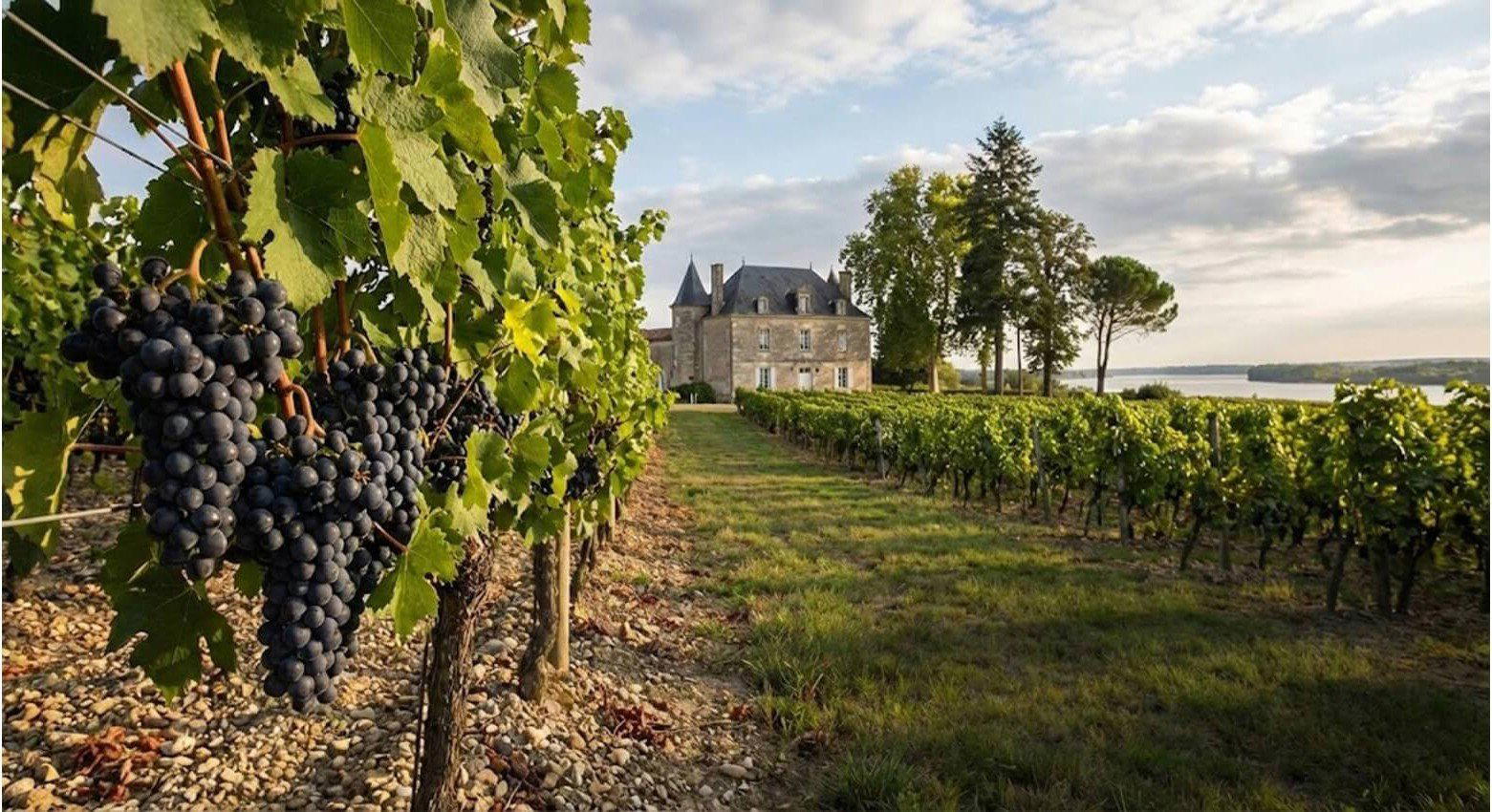
Verzenay has a visual discipline: low houses, working cellars, and vineyard slopes that make Champagne feel closely tied to agriculture. Grower estates matter here because they shorten the distance between vineyard and bottle. Champagne Pehu Simonet belongs to that smaller register of Champagne travel: a family-run estate in the Grand Cru village of Verzenay, where cellar tours and tastings are framed around terroir, organic farming, and a Burgundian, single-vineyard way of thinking about Champagne.
For travelers using Our full Verzenay wineries guide, the distinction is simple. This is not a page built around scale, celebrity, rankings, or a broad luxury script. The draw is more focused: a classic, scenic, elegant, and intimate Champagne visit in Verzenay, with the estate’s identity centered on place, farming, and the way individual vineyard expression can shape the tasting experience.
Verzenay Champagne read through a Burgundian lens
Champagne has long depended on blending across villages, varieties, and years. Grower Champagne shifted attention back to origin, and vineyard-specific producers pushed that attention further. Champagne Pehu Simonet sits in that terroir-led camp through a Burgundian framework: the estate emphasizes a single-vineyard approach rather than presenting Champagne only as a uniform regional style.
That is the editorial reason to pay attention. Many Champagne visits can blur into cellar romance and general tasting language; this one is best understood through the relationship between farming, village identity, and vineyard expression. The story does not require inflated detail. What matters is that the estate presents Champagne through terroir, organic viticulture, and a more site-conscious lens.
The setting also matters. Verzenay is a Grand Cru village, and the estate’s small, family-run character gives the experience a more intimate scale than the grand-house model many visitors associate with Champagne. The tone is classic rather than flashy, scenic rather than urban, and elegant without needing ceremony. That makes it a strong fit for travelers who want a cellar visit that feels grounded in the village around it.
The cuvées make the vineyard map visible
Rather than invent that structure, it is more accurate to describe the visit in broader terms: Champagne Pehu Simonet is presented as an estate where tastings are meant to communicate terroir and the logic of vineyard-specific Champagne.
That makes the tasting useful for drinkers who want to understand how a grower estate can make place legible. The Burgundian reference is important because it signals a way of reading Champagne through individual sites and farming choices, not only through brand consistency. Organic farming adds another part of that identity, giving the visit a clear viticultural focus without needing unsupported claims about certification details, production methods, or specific bottlings.
For travelers, a useful approach is to treat the cellar tour and tasting as an educational stop. Listen for how the estate explains Verzenay, terroir, and vineyard expression. The pleasure is not only in tasting Champagne, but in seeing how a small estate frames the relationship between land, cellar, and glass. In that sense, the winery is less about spectacle than clarity.
How to fold the estate into a Verzenay itinerary
Verzenay rewards slow planning because its appeal is cumulative. A Champagne trip built only around labels misses the logic of the village; a stronger itinerary pairs cellar time with meals, walks, and overnight pacing in the same area. Use Our full Verzenay restaurants guide for dining context, Our full Verzenay hotels guide for where to stay, Our full Verzenay bars guide for drinking beyond the cellar door, and Our full Verzenay experiences guide for non-winery structure around the village.
The better rhythm is not to rush between producers, but to let one grower visit clarify why place, farming, and vineyard identity matter. The winery works especially well for travelers who prefer a quieter, more focused stop over a broad, high-production Champagne experience. Its atmosphere is intimate and scenic, and its appeal rests on the essentials: a family-run grower estate, cellar tours and tastings, organic farming, terroir, and a Burgundian single-vineyard perspective.
The verdict is direct: the winery is for travelers who want Champagne stripped back to vineyard logic. Its strength is not scale or trophy recognition, but a coherent grower language built around Verzenay, organic farming, and the idea that Champagne can be read closely through place. For a premium Verzenay itinerary, it belongs on the shortlist when the goal is a thoughtful cellar visit rather than a generic tasting stop.
Recognition history
Dated appearances from independent guides and award organizations, with the underlying list record or original source where available.
Falstaff Winery - Listed
Falstaff
At a Glance
- Classic
- Scenic
- Elegant
- Intimate
- Romantic Getaway
- Group Outing
- Celebration
- Solo Exploration
- Wine Education
- Special Occasion
- Estate Grounds
- Private Tasting
- Organic
- Sustainable
- Vineyard
- Champagne AOC
- Pinot Noir
- Chardonnay
- Sparkling
- Still Red
- Still White
- Still Rosé
- Cellar Tasting
- Guided Tour And Tasting
- Reservation Based Tasting
A small, family-run grower estate in the Grand Cru village of Verzenay, offering cellar tours and tastings that emphasize terroir, organic farming, and a Burgundian, single-vineyard approach to Champagne.