
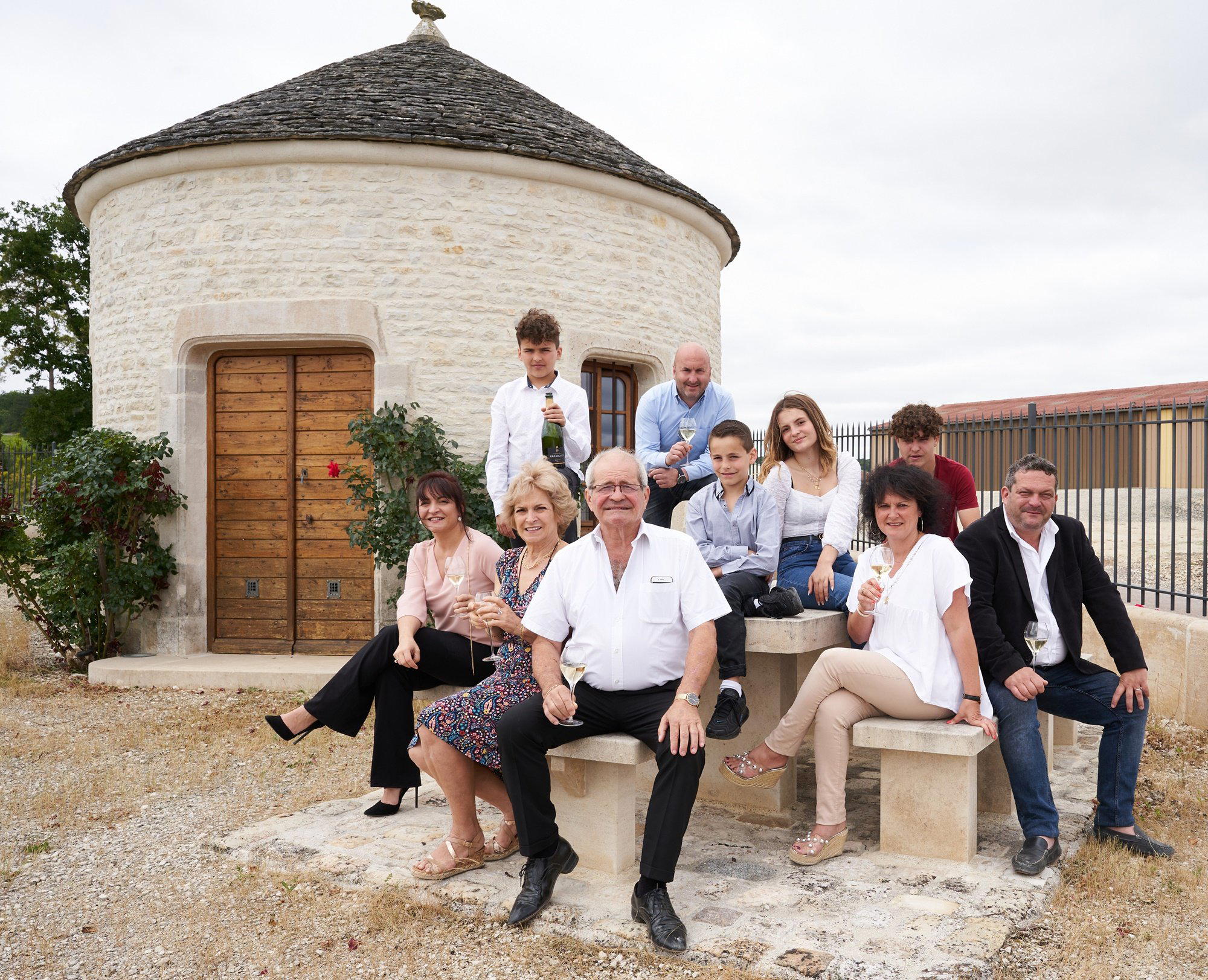
Champagne Fleury is a Courteron grower estate for drinkers who care about soil as much as cellar work. Founded in 1895 and converted fully to certified biodynamic farming by 1992, it makes a strong case for the Côte des Bar as Champagne’s serious, rural, Pinot Noir-led counterweight to the grander northern circuits.
Pearl is the En Primeur Club membership app — saves, bookings, and concierge access live there. Same editors, same standards.
- Address
- Courteron, Grand Est, Frankreich
- Directions
- Get directions
 Saves & bookings on Pearl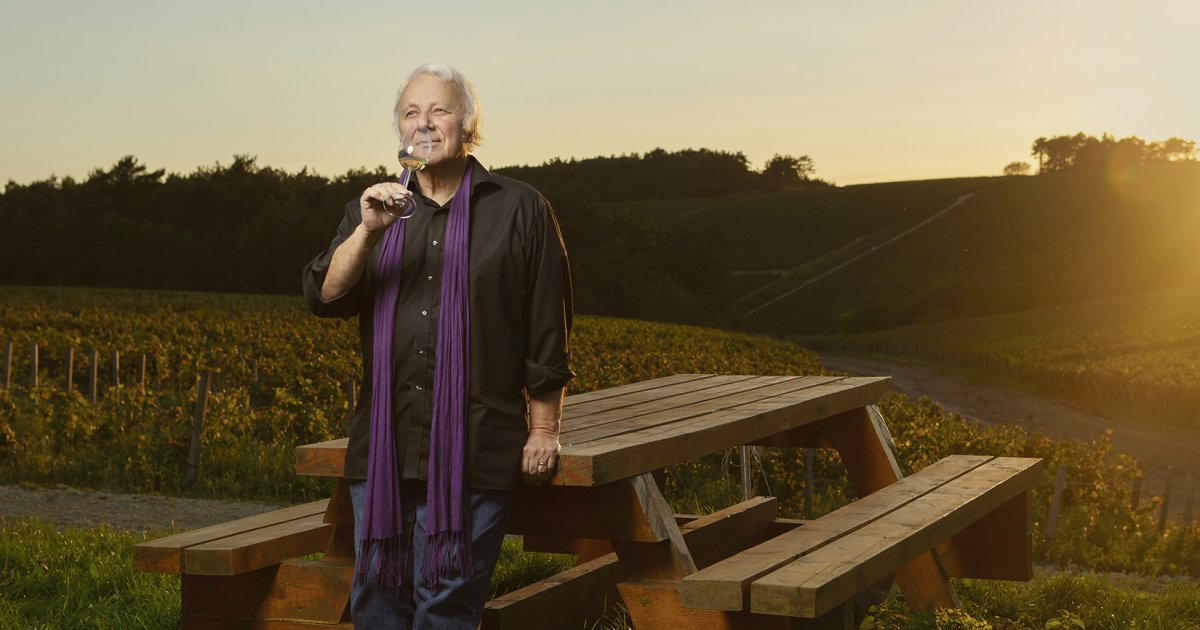
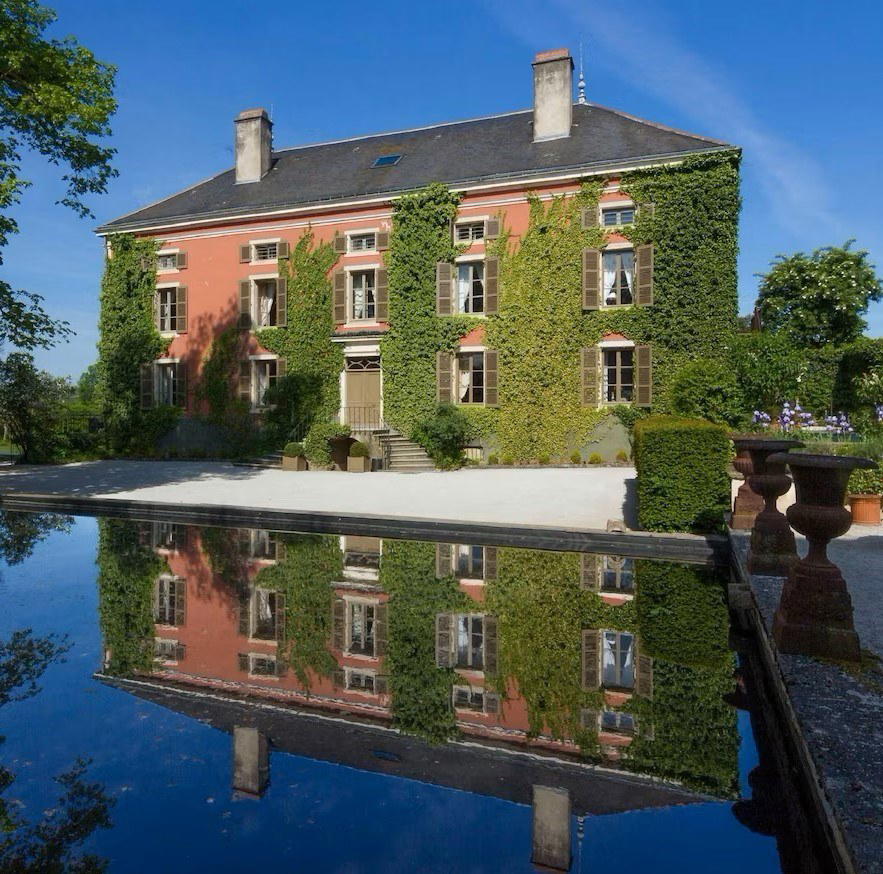
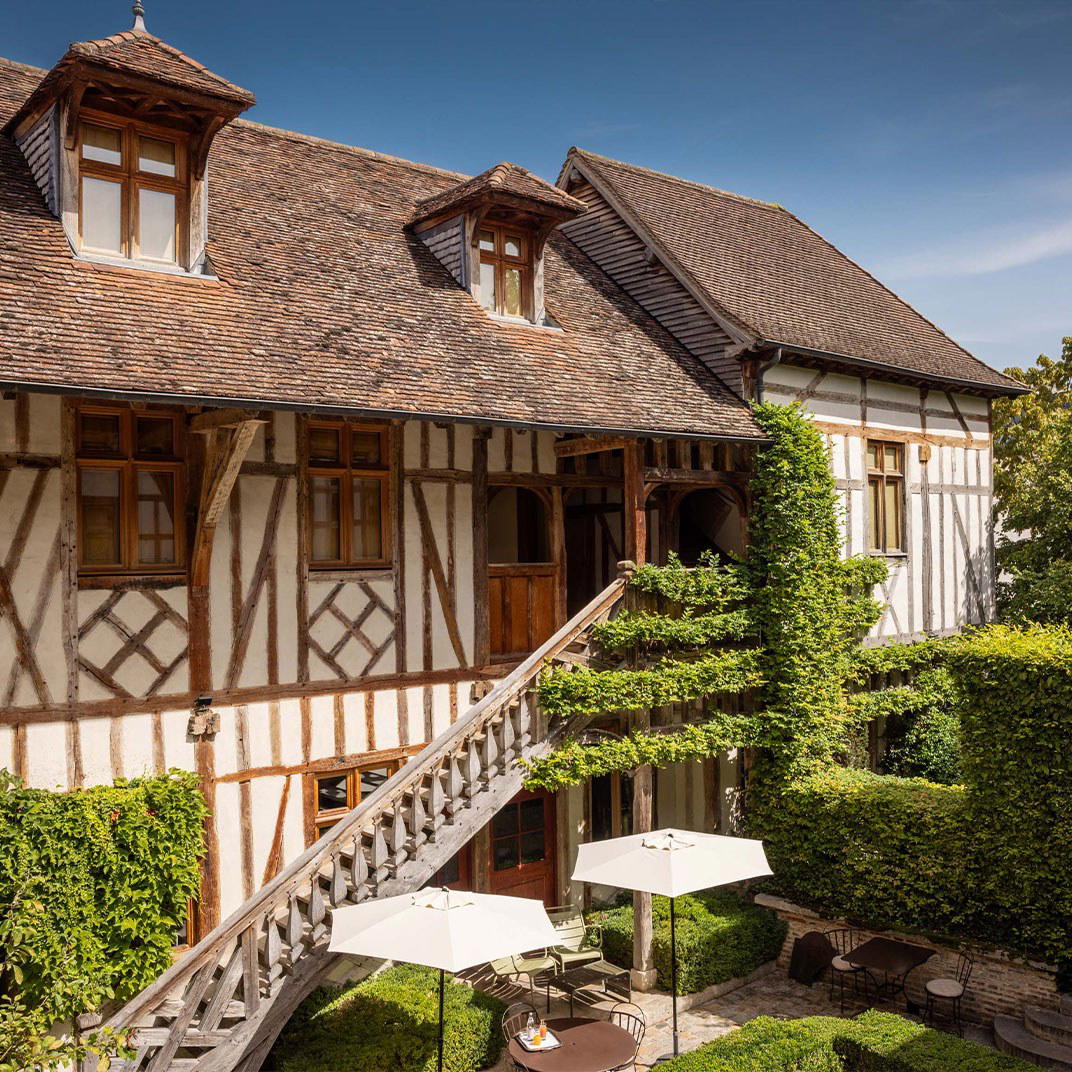
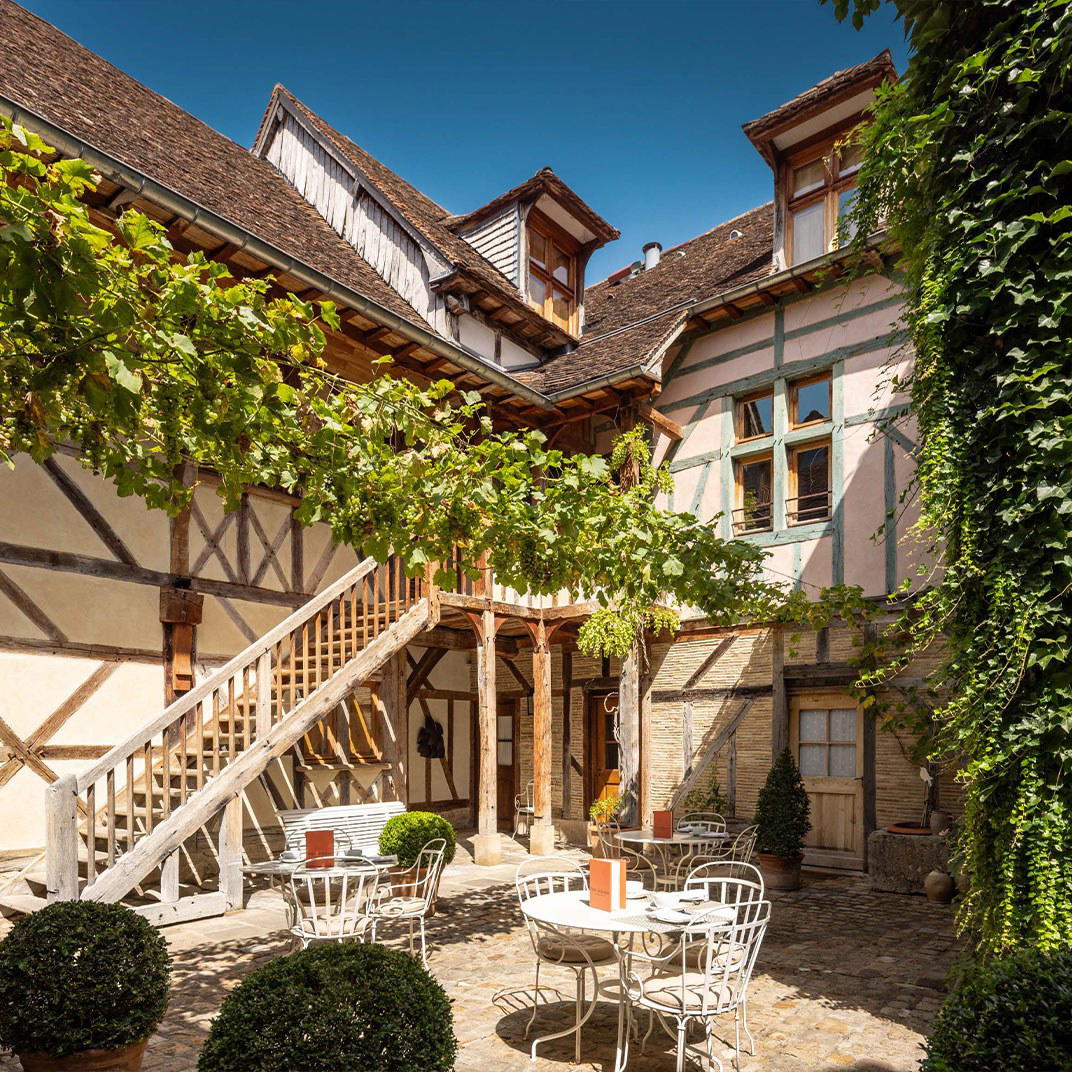
Champagne Fleury in Courteron is best understood through the few details that are clearly verified: it is a historic, family-run Champagne estate in a small rural village, with a quiet atmosphere and a natural, terroir-driven identity rooted in biodynamic farming. That is enough to set expectations without turning the page into a list of unsupported claims. This is not a venue to describe as a polished corporate visitor center or a spectacle-led Champagne stop; the picture is more restrained, more agricultural, and more closely tied to the feel of Courteron itself.
Because the confirmed information is limited, the safest way to approach Champagne Fleury is as a Champagne estate where the main story is place, family continuity, and biodynamic farming rather than a documented menu, hospitality package, tasting schedule, vineyard size, grape breakdown, or award history. Any more specific claim would need independent confirmation before being treated as fact. For travelers, that means the appeal is not built on a checklist of services, but on the character of a quiet, rural Champagne house with a natural, terroir-focused point of view.
For the wider Courteron context, start with Our full Courteron wineries guide, then map the village against the broader travel frame through Our full Courteron restaurants guide, Our full Courteron hotels guide, Our full Courteron bars guide, and Our full Courteron experiences guide.
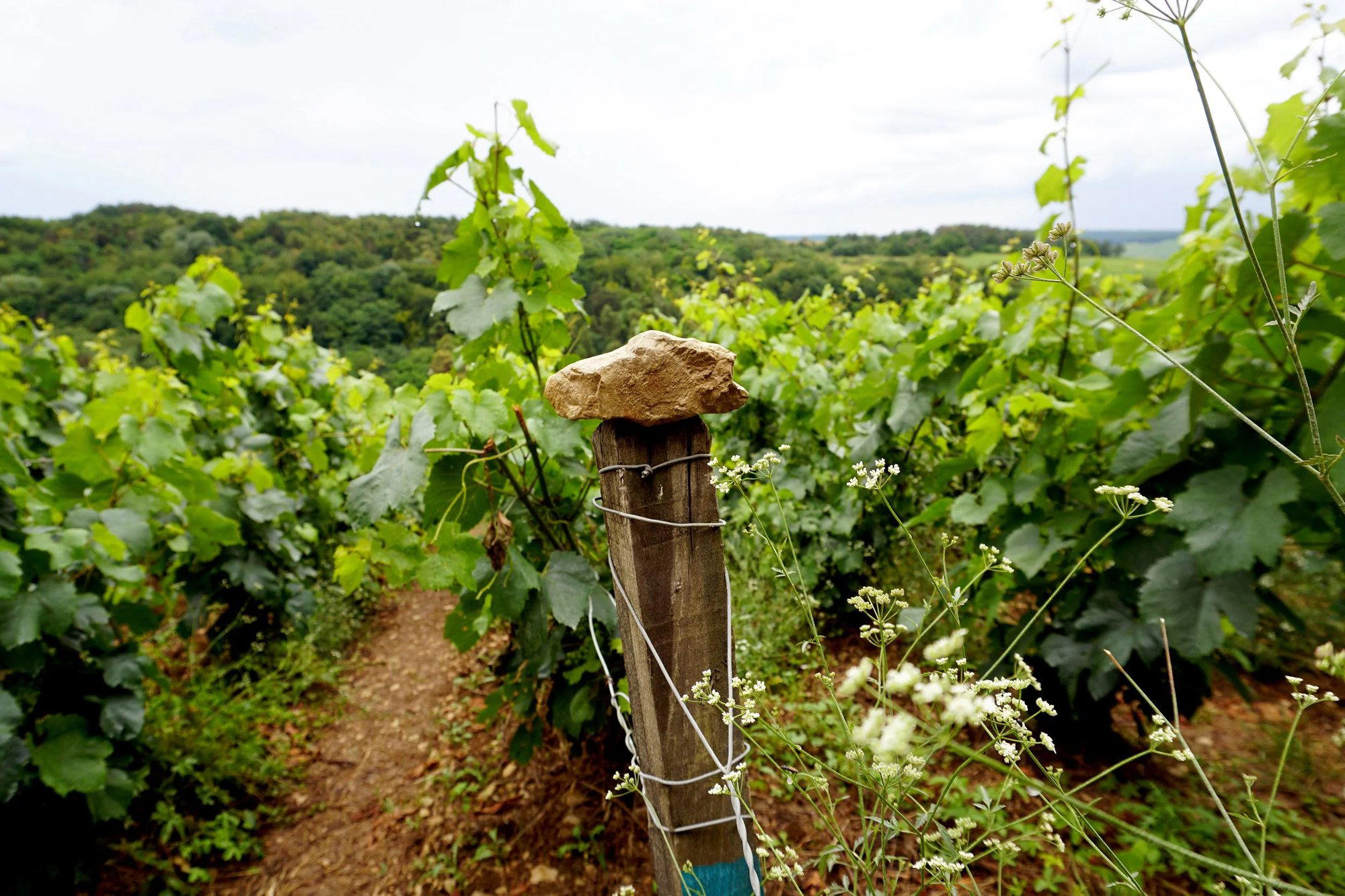
Biodynamic farming and a quieter Champagne setting
The most important detail is Champagne Fleury’s emphasis on biodynamic farming. That does not, on its own, confirm a particular certification, conversion date, vineyard area, cuvée, grape variety, dosage level, cellar method, or tasting format. It does, however, support a clear reading of the estate’s identity: this is a Champagne producer framed around farming, terroir, and a natural feel rather than a luxury-hospitality image.
That distinction matters for how the venue should be described. A grounded profile can say that Champagne Fleury feels rural, historic, family-run, and rooted in Courteron. It should not assert technical details about soils, parcels, production choices, named bottles, awards, rankings, visitor capacity, languages, parking, payment methods, food pairing, or booking rules. The story is narrower but still useful: Champagne Fleury is a place for visitors interested in the atmosphere of a family Champagne estate where biodynamic farming is central to the identity.
The tone is also part of the attraction. Courteron is presented here not as a high-gloss destination, but as a small village setting where the estate’s appeal comes from quietness and continuity. The dress and atmosphere cues point toward classic, rustic simplicity rather than formality. In practical terms, guests should expect a rural Champagne context and avoid assuming the amenities or structure of a large visitor center unless they confirm those details directly with the estate.
A profile built on essentials
Some Champagne houses can be described through extensive data: named cuvées, formal tasting menus, published hours, detailed vineyard holdings, awards, or hospitality formats. For Champagne Fleury, the complete information provided here is more concise. The reliable facts are the venue name, its location in Courteron, its $$$ price tier, its historic and family-run character, its quiet rural atmosphere, and its biodynamic, terroir-driven feel.
That means the strongest editorial approach is to keep the profile honest rather than over-specific. The page should not claim a founding year, a named owner or winemaker, a number of hectares, a specific grape mix, a signature bottling, an exact tour length, appointment-only access, or a published visitor language policy. The result is a thinner profile, but a more trustworthy one.
Within that frame, Champagne Fleury still has a clear use case. It is a premium Champagne estate for travelers who care about rural atmosphere, family heritage, biodynamic farming, and the less corporate side of Champagne. The $$$ tier also helps set expectations: this is not positioned as a budget stop, but as a higher-priced Champagne experience or purchase context where the value is tied to estate identity and farming philosophy.
How to place it within a wine-focused Courteron trip
Plan around Champagne Fleury as a Courteron estate with a quiet, natural feel. The guide can safely recommend the venue as a rural, family-run Champagne estate, but it should not promise a particular style of visit.
That caution is useful rather than limiting. Champagne Fleury is best framed as a stop for people who want to understand the mood of a biodynamic Champagne estate in its village context. It is less appropriate to sell it as a restaurant, bar, hotel, formal tour operation, or attraction with a guaranteed set of visitor services unless those details are separately confirmed. The grounded expectation is simple: Courteron, family-run Champagne, biodynamic farming, terroir, rustic calm, and a premium price tier.
Travelers building a wider itinerary can use Champagne Fleury as the Courteron anchor and compare it with other dining, lodging, bar, and experience options in the village at a general level. The key is not to force unsupported comparisons or name unrelated venues, but to keep the focus on what is actually known: Champagne Fleury’s identity as a historic, family-run Champagne estate with a quiet rural atmosphere and biodynamic, terroir-driven character.
Recognition history
Dated appearances from independent guides and award organizations, with the underlying list record or original source where available.
Falstaff Winery - 3 Stars
Falstaff
Continue exploring
More in Courteron
Wineries in Courteron
Browse all →
Bars in Courteron
Browse all →
Restaurants in Courteron
Browse all →
At a Glance
- Classic
- Rustic
- Scenic
- Intimate
- Well Known
- Wine Education
- Romantic Getaway
- Group Outing
- Special Occasion
- Solo Exploration
- Vineyard Tour
- Estate Grounds
- Historic Building
- Private Tasting
- Biodynamic
- Organic
- Sustainable
- Vineyard
- Champagne AOC
- Pinot Noir
- Chardonnay
- Pinot Blanc
- Pinot Gris
- Pinot Meunier
- Sparkling
- Estate Tasting
- Educational Tasting
- Vineyard Visit
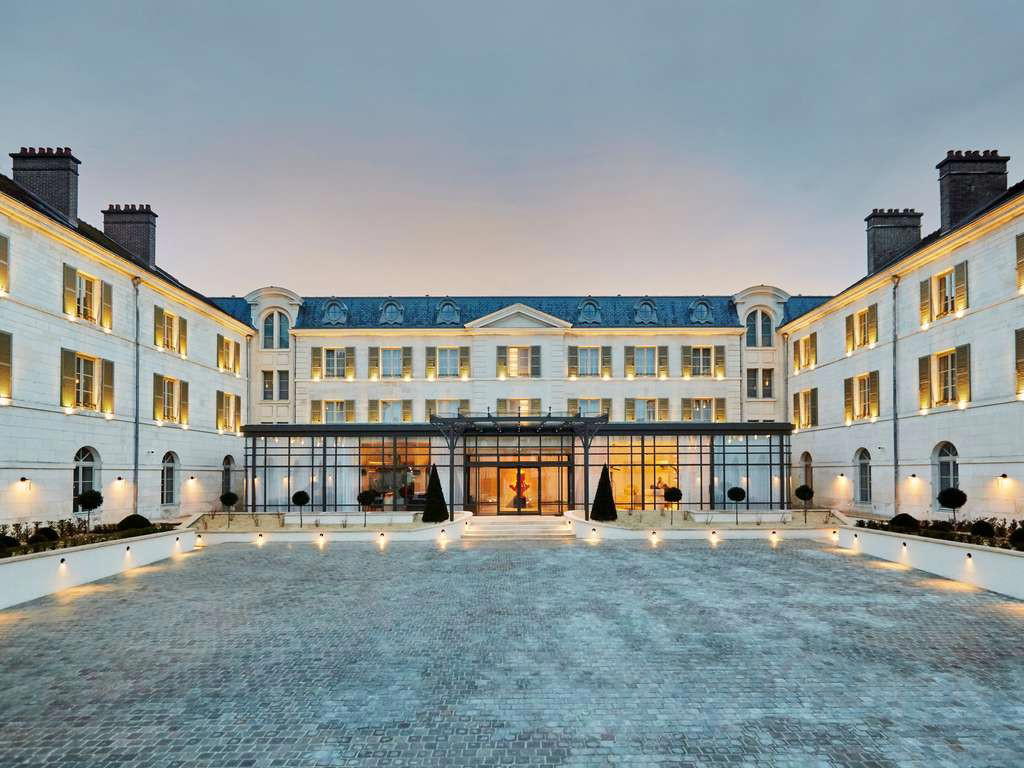
Historic, family-run Champagne estate with a quiet, rural atmosphere in the small village of Courteron, emphasizing a natural, terroir-driven feel rooted in biodynamic farming rather than a polished, corporate visitor center.
Know Before You Go
- Reservations
- Appointment only
- Getting there
- Courteron, Grand Est, Frankreich