
Château Taillefer gives Libourne visitors a disciplined Pomerol lens: Merlot-led reds from iron-rich soils, a 12-hectare estate, and a family line tied to the property since 1923. The appeal is not spectacle but terroir literacy, with production details, critic recognition, and a quiet château setting doing the work.
Pearl is the En Primeur Club membership app — saves, bookings, and concierge access live there. Same editors, same standards.
- Address
- Libourne, Nouvelle-Aquitaine, Frankreich
 Saves & bookings on Pearl
Approaching Pomerol from Libourne, the château format changes the tempo: fewer theatrical tasting rooms, more working estates where the cellar, vineyard, and family archive matter more than hospitality gloss. Château Taillefer belongs to that older register. Its setting is historic and quiet, with the feel of a production estate rather than a showroom, and its strongest argument is geological: iron-rich soils that have shaped both the name and the house style.
Pomerol is a small appellation by Bordeaux standards, and its identity is not built on grand classification hierarchy in the same way as the Médoc. The conversation here often turns to site, texture, and how Merlot behaves on specific soils. Taillefer’s 12-hectare vineyard gives that discussion a clear frame: a compact estate, Merlot as the dominant grape, Cabernet Franc in support, and a production scale of roughly 4,000 cases a year. For visitors using Libourne as a base, that makes it a useful counterpoint to the broader right-bank circuit.
Iron soil, Merlot weight, and the Pomerol argument
The estate’s name comes from tailler le fer, “to cut iron,” a reference to the iron oxide deposits in the soils. That is not decorative etymology. In Pomerol, iron-bearing subsoils are part of the appellation’s grammar, and Taillefer puts that feature at the centre of its identity. The wines are built around red Bordeaux rather than a broad portfolio, with plantings listed at 85–90% Merlot and 10–15% Cabernet Franc.
That blend tells the reader plenty before a cork is pulled. Merlot supplies the flesh and mid-palate that made Pomerol’s reputation; Cabernet Franc, when used carefully, brings line and aromatic lift. Taillefer’s cellar approach stays within a classical right-bank idiom: parcel-by-parcel vinification, traditional concrete vats, malolactic fermentation in cement vats and French oak barrels, then 12–15 months of ageing in French oak, with 33–40% new barrels. The oak program is assertive enough to frame structure, not so heavy that it turns the estate into an international-style caricature.
The vineyard data also matters. Average vine age is close to 30 years, with planting density at 6,000 vines per hectare. Those are not romantic details; they help explain why the estate reads as a serious Pomerol address rather than a casual stop between lunch and Saint-Émilion. Each vine is handled by hand nearly 50 times per year, and the property carries ISO 14001 certification as well as HEV 3 through the Bordeaux Wine EMS Association. In Bordeaux, where sustainability claims can blur into vague language, those certifications give the environmental position a firmer backbone.
A family estate with critic signals, not hospitality theatre
The modern chapter begins in 1923, when Antoine Moueix acquired the property. The estate remains with the Bernard Moueix family, now associated with Claire Moueix and Cyril Basteau, and that continuity gives the place a different weight from recently assembled luxury wine projects. It was first mapped in 1761 by Pierre de Belleyme, geographer to Louis XV, which places the estate inside the long documentary history of the right bank rather than merely the contemporary wine-tourism economy.
Recognition has followed the wine rather than the visitor experience. Bettane et Desseauve has awarded the estate 2 stars out of 3, La Revue du Vin de France has described the wine as “harmonious and complex,” and the 2015 vintage received 94 points from Falstaff. The Wine Cellar Insider has also noted a quality shift beginning with the 2018 vintage. Taken together, those signals place Taillefer in a serious but not ostentatious bracket: a Pomerol estate with measurable critic attention, modest production, and a style anchored in soil expression.
The flagship wine is the estate’s Pomerol red, with Château Fontmarty serving as a second wine. Bottle pricing appears in the premium but not trophy tier, with recent retail examples around the low-to-mid double digits in dollars depending on vintage and merchant. That matters for context. Pomerol can move quickly into collector pricing, but Taillefer’s interest lies in the intersection of family continuity, terroir specificity, and relative accessibility within the appellation.
How to place it in a Libourne wine itinerary
Libourne rewards travellers who treat wineries as part of a wider right-bank study rather than a checklist of château gates. Taillefer works especially well for visitors who want to understand how Pomerol’s Merlot-led wines differ from neighbouring expressions across Bordeaux’s right bank. The estate’s cellar-driven atmosphere, small production scale, and iron-soil story make it a better fit for wine education than for casual drop-in tourism.
For broader planning, EP Club’s city pages help build the rest of the day around wine rather than forcing every meal or drink to carry the same burden. Start with Our full Libourne wineries guide, then map dining through Our full Libourne restaurants guide, lodging through Our full Libourne hotels guide, drinks through Our full Libourne bars guide, and cultural pacing through Our full Libourne experiences guide.
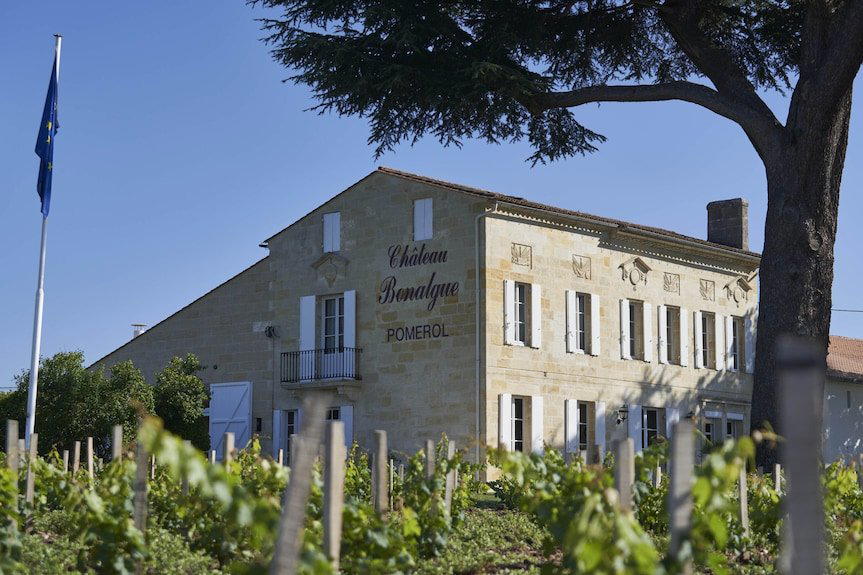
Nearby right-bank planning can also include Chateau Fleur de Jean Gue, Château Bonalgue, Château Certan-Giraud, Château de Sales, and Château Fayat. For a wider French and European wine circuit, compare the regional contrasts suggested by A. Margaine in Villers-Marmery, Abbaye de Fontfroide in Narbonne, Abbotts & Delaunay in Marseillette, »der Steiner« Hans Steiner in Podersdorf am See, and & Handwein in Mannheim.
The editorial read is clear: Château Taillefer is for travellers who care about why Pomerol tastes different, not just where to taste in Libourne. Its strongest case rests on iron-rich terroir, a Merlot-dominant vineyard, environmental certification, critic recognition, and a family tenure that gives the estate continuity without turning the visit into nostalgia.
Recognition history
Dated appearances from independent guides and award organizations, with the underlying list record or original source where available.
Falstaff Winery - 2 Stars
Falstaff
Continue exploring
More in Libourne
Wineries in Libourne
Browse all →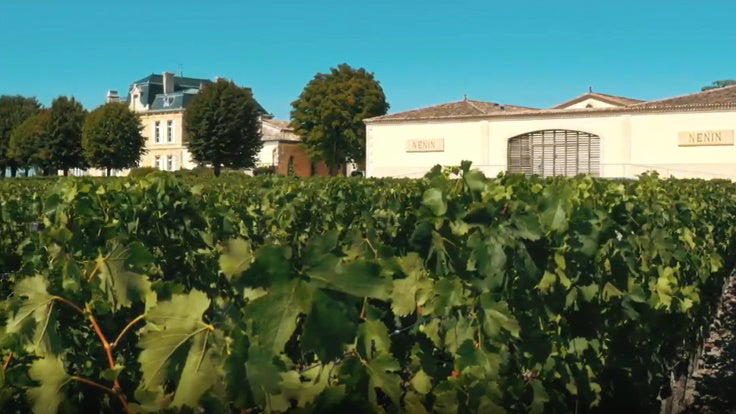
Restaurants in Libourne
Browse all →
At a Glance
- Classic
- Quiet
- Elegant
- Historic
- Sophisticated
- Wine Education
- Special Occasion
- Group Outing
- Solo Exploration
- Historic Building
- Private Tasting
- Estate Grounds
- Vineyard Tour
- Design Destination
- Sustainable
- Vineyard
- Pomerol AOC
- Merlot
- Cabernet Franc
- Still Red
- Guided Tasting
- Private Tasting
- Tour And Tasting
Historic, old-world château setting with a refined, cellar-driven atmosphere centered on terroir and family heritage.