Château Saint Pierre De Corbian

Château Saint Pierre De Corbian is a small Cru Bourgeois Saint-Estèphe estate in Saint Seurin De Cadourne, shaped by gravel over clay, a quiet vineyard setting, and a Cabernet–Merlot red-wine focus. Its 3.9 ha Saint-Pierre de Corbian plot, links with Château Saint-Paul, and critic-noted 2019 and 2020 vintages place it in the serious, structured side of the northern Médoc.
Pearl is the En Primeur Club membership app — saves, bookings, and concierge access live there. Same editors, same standards.
- Address
- Saint Seurin de Cadourne, Nouvelle-Aquitaine, Frankreich
 Saves & bookings on Pearl
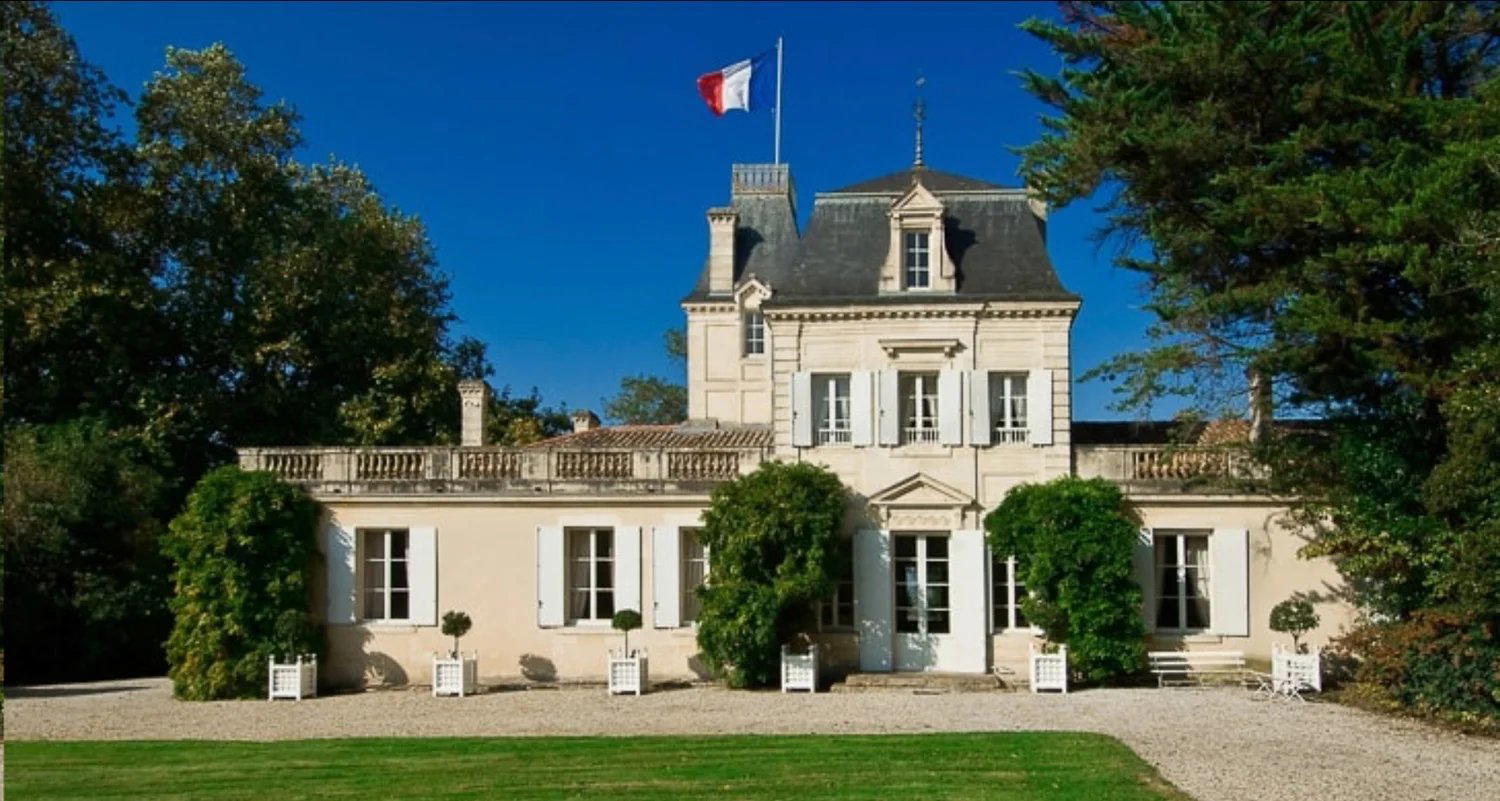
Château Saint Pierre De Corbian in Saint Seurin De Cadourne is best understood as a traditional Médoc cru bourgeois estate rather than a design-driven visitor center. Its identity is focused on crafting powerful, complex Saint-Estèphe reds, with a classic Bordelais working-vineyard feel. That distinction matters, because the appeal here is not based on a long list of visitor-facing extras or a highly staged hospitality narrative. The more accurate way to approach the estate is through its place in the Médoc imagination: red Bordeaux, cru bourgeois tradition, and a practical sense of vineyard work rather than polished spectacle.
Saint-Estèphe structure in a working Médoc setting
The draw here is the estate’s red Bordeaux focus and its traditional cru bourgeois character. Rather than presenting Château Saint Pierre De Corbian through visitor amenities, the reliable frame is simpler: a Saint Seurin De Cadourne estate associated with powerful, complex Saint-Estèphe reds and a classic working-vineyard atmosphere. That makes it most legible to visitors who are already thinking in terms of appellation, structure, and the more reserved side of Bordeaux culture.
For readers comparing Bordeaux estates, that means the emphasis should stay on appellation character, red-wine production, and the property’s practical Médoc feel. The language around Château Saint Pierre De Corbian should remain careful and grounded: it is enough to say that its profile points toward traditional Saint-Estèphe expression and a cru bourgeois identity, without stretching into unsupported detail.
Price is listed as $$$, placing the winery in a premium bracket without relying on menu, tasting, or bottle-price details. In this context, that price marker is best read broadly rather than literally: it signals a serious Bordeaux estate experience, but it should not be used to infer the cost of a particular visit, bottle, tasting, meal, or package.
Power, tradition, and the Bordeaux patience test
The winery’s profile points toward powerful, complex Saint-Estèphe reds. That is the useful planning lens: expect a traditional Médoc cru bourgeois estate identity rather than a venue built around spectacle, design, or broad hospitality programming. The phrase “powerful, complex” is also a reminder of the kind of Bordeaux mindset that suits this address. It suggests wines to be considered with patience and attention, not treated as a backdrop to an entertainment-led stop.
Because confirmed public details are limited, avoid assuming specific tasting arrangements, food pairings, service styles, opening hours, or beverage options beyond the estate’s red Bordeaux focus. The safest reading is of a classic working-vineyard property in Saint Seurin De Cadourne. That makes restraint especially important when planning or describing a visit: the absence of confirmed amenities should not be filled in with generic château expectations, however common those expectations may be elsewhere in the region.
For travellers building a local itinerary, keep the winery at the center of the plan and use other Saint Seurin De Cadourne dining or lodging options generically as supporting stops. In practical terms, this means treating the estate as the anchor of a quieter, wine-led day rather than as one attraction among many lifestyle experiences. The surrounding itinerary can still be shaped around the village and nearby needs, but the reason to come remains the estate’s traditional Médoc character and Saint-Estèphe red-wine identity.
How to read it in a Saint Seurin De Cadourne itinerary
The strongest reason to include the winery is its clear identity: a traditional Médoc cru bourgeois estate focused on powerful, complex Saint-Estèphe reds. It is a good fit for visitors who value a grounded working-vineyard feel over a design-led visitor-center experience. That preference is important. Some Bordeaux stops are framed through architecture, hospitality, or a broad visitor offer; this one is better approached through the quieter vocabulary of production, place, and established local style.
Plan the surrounding day around Saint Seurin De Cadourne rather than around assumptions about tours, tastings, food service, or group programming. For broader context, compare the winery with other Saint Seurin De Cadourne options generically while keeping the estate’s confirmed cru bourgeois and Saint-Estèphe red-wine focus in view. One useful comparison is not about who offers the longest list of extras, but about which stop best fits a visitor’s interest in traditional Médoc red Bordeaux. Read this estate as a serious, classic, and comparatively understated entry in that itinerary, and the planning logic becomes much clearer.
Recognition history
Dated appearances from independent guides and award organizations, with the underlying list record or original source where available.
Falstaff Winery - Listed
Falstaff
Continue exploring
More in Saint Seurin De Cadourne
At a Glance
- Classic
- Rustic
- Solo Exploration
- Wine Education
- Vineyard
- Saint Estèphe AOC
- Cabernet Sauvignon
- Merlot
- Cabernet Franc
- Petit Verdot
- Still Red
Traditional Médoc cru bourgeois estate focused on crafting powerful, complex Saint-Estèphe reds, with a classic Bordelais working-vineyard feel shared with sister estate Château Saint-Paul rather than a design-driven visitor center.