
Château Plince is a small, family-run Pomerol estate near Libourne, defined by Merlot-led reds from dark sandy soils with iron-rich subsoil. Its appeal is not visitor theatre but terroir clarity: one contiguous vineyard, traditional Right Bank cellar work, and a quieter reading of Pomerol than the appellation’s trophy labels.
Pearl is the En Primeur Club membership app — saves, bookings, and concierge access live there. Same editors, same standards.
- Address
- Libourne, Nouvelle-Aquitaine, Frankreich
 Saves & bookings on Pearl
Château Plince in Libourne is best framed as a traditional Right Bank Bordeaux estate rather than a design-led hospitality destination. The picture is deliberately classic: Pomerol terroir, cellar-aged reds, and a working, agricultural feel that reads as family-run rather than polished hospitality theatre. For readers considering Château Plince, the appeal is the estate’s Bordeaux character and its focus on winegrowing identity over lifestyle staging. It is the kind of address to approach with measured expectations: not as a place defined by spectacle, but as one whose value lies in the quieter signals of place, patience, and established regional style.
Classic Pomerol character in a working-estate setting
The strongest confirmed detail about Château Plince is its atmosphere. Expect the language of a traditional Right Bank property: restrained, agricultural, and rooted in classic Pomerol rather than built around contemporary tasting-room design. This is not a page to overstate vineyard measurements, cellar methods, ownership details, or production figures; the reliable takeaway is simpler: the winery belongs to the quieter, estate-focused side of the Libourne wine landscape. Its identity is best understood through that conservative frame, where the estate itself, the appellation context, and the idea of cellar-aged red wine do more of the storytelling than branding or visitor-facing gloss.
That traditional register matters because it sets expectations. The winery is presented here as a place associated with classic Pomerol terroir and cellar-aged red wines, not as a broad hospitality complex. The mood is more agricultural and family-run than sleek or highly curated, which may suit readers who prefer a grounded Bordeaux estate ambiance. In practical terms, that means the appeal is less about arriving for a highly staged experience and more about appreciating a property whose character is tied to the familiar grammar of the Right Bank: restraint, continuity, and an emphasis on wine rather than scene-making.
The honest way to read the winery is as a classic Libourne Pomerol estate with a traditional Right Bank feel and a premium price marker. That honesty is important, because it keeps the profile useful without stretching beyond what can be said with confidence. Rather than filling gaps with assumptions, it is better to let the known elements carry the entry: Pomerol, Libourne, cellar-aged reds, and a working-estate atmosphere.
A focused estate profile rather than a portfolio exercise
The winery is best described through a narrow but coherent set of confirmed cues: a $$$ price level and an estate ambiance centred on classic Pomerol terroir and cellar-aged reds. The result is a focused estate profile, not a broad portfolio exercise or a lifestyle listing padded with claims about facilities, personalities, or production.
That restraint is intentional. For the winery, the grounded description is narrower but still useful: traditional Right Bank Bordeaux character, agricultural atmosphere, and an emphasis on classic Pomerol identity rather than design-driven visitor facilities. In an area where wine tourism can easily be described through architecture, service style, and curated experiences, the winery is better handled in simpler terms. Its editorial shape is built around place and tone: a classic estate presence in Libourne, with the emphasis kept firmly on winegrowing identity and the established image of Pomerol reds.
For planning purposes, treat the winery as a premium Libourne estate whose appeal lies in old-school character. If you need exact access arrangements, current releases, conditions, or bottle availability, confirm those details directly before making plans. That extra confirmation is especially useful because the available profile should not be read as a guarantee of any particular visitor format. What it can support is a broader understanding of the estate’s positioning: serious, traditional, and more aligned with Bordeaux’s working wine culture than with hospitality-driven display.
How to read it in a Libourne wine itinerary
For readers using Libourne as a reference point, the winery fits the more traditional side of a Right Bank itinerary. It is not best understood through claims about elaborate visitor infrastructure; the feel is quieter, agricultural, and family-run in spirit. That makes it useful for readers who want a grounded contrast to more polished or hospitality-forward wine experiences elsewhere. Within an itinerary, it functions as a reminder that the Right Bank is not only about presentation, but also about estates whose identities are communicated through regional character, cellar-aged reds, and a relatively understated sense of place.
When comparing options around Libourne, keep the comparison general unless a specific venue is clearly verified. The winery stands here as the reference point: a classic Pomerol-focused estate in Libourne with a $$$ price marker and a traditional Bordeaux ambiance centred on cellar-aged reds. Read it as a concise, conservative entry rather than an exhaustive guide. Its usefulness lies in setting the right tone before any further planning: premium, traditional, estate-led, and rooted in the familiar language of Right Bank Bordeaux.
Recognition history
Dated appearances from independent guides and award organizations, with the underlying list record or original source where available.
Falstaff Winery - 1 Stars
Falstaff
Continue exploring
More in Libourne
Wineries in Libourne
Browse all →
Restaurants in Libourne
Browse all →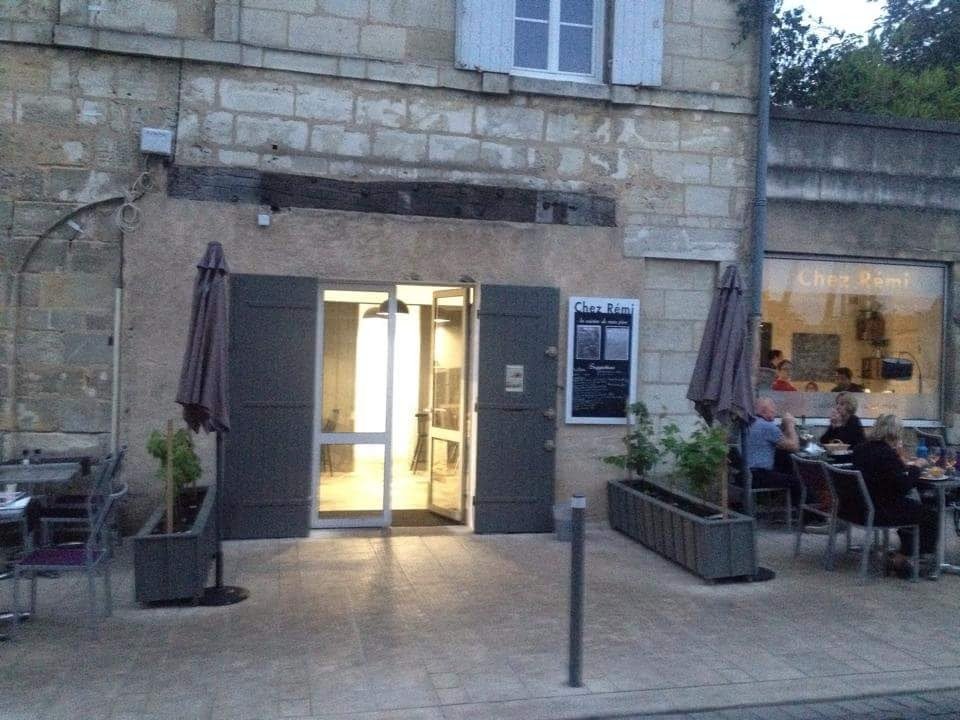
At a Glance
- Classic
- Rustic
- Quiet
- Romantic Getaway
- Solo Exploration
- Wine Education
- Special Occasion
- Vineyard
- Pomerol AOC
- Merlot
- Cabernet Franc
- Cabernet Sauvignon
- Still Red
Traditional Right Bank Bordeaux estate ambiance focused on classic Pomerol terroir and cellar-aged reds rather than design-driven visitor facilities; the feel is more agricultural and family-run than polished hospitality destination.