Cave du Rhodan

Cave du Rhodan places Salgesch’s Valais AOC character in clear focus: indigenous varieties, biodynamic farming, and a cellar culture shaped by a family estate dating to 1962. Its 2022 Swiss Winery of the Year title gives the visit a serious quality signal, but the appeal is grounded in the region itself: Petite Arvine, Heida, Cornalin, Pinot Noir, Syrah, and Humagne Rouge read as a compact lesson in Valais wine.
Pearl is the En Primeur Club membership app — saves, bookings, and concierge access live there. Same editors, same standards.
- Address
- Salgesch, Salquenen - Salgesch, Valais, Schweiz
 Saves & bookings on Pearl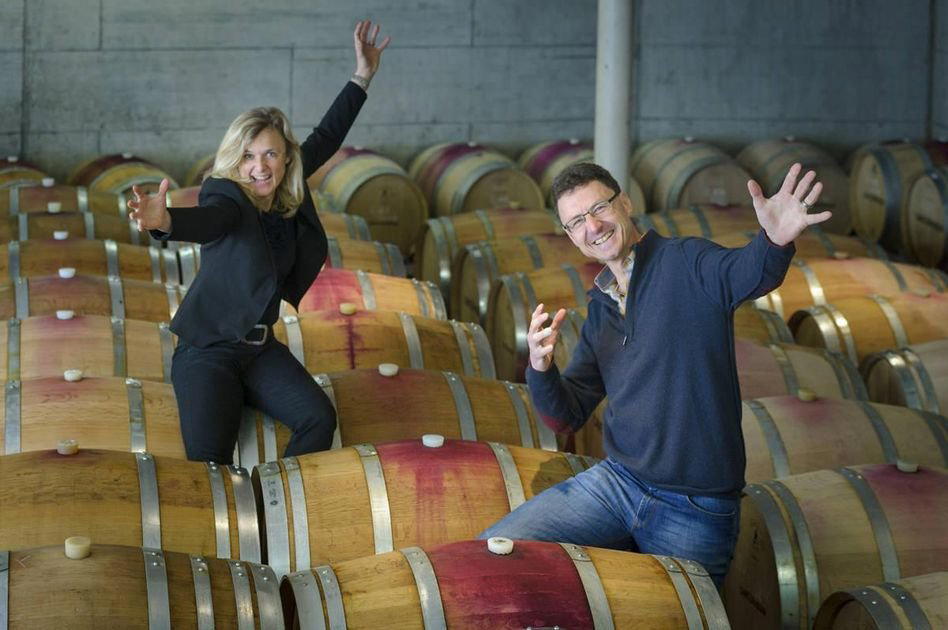
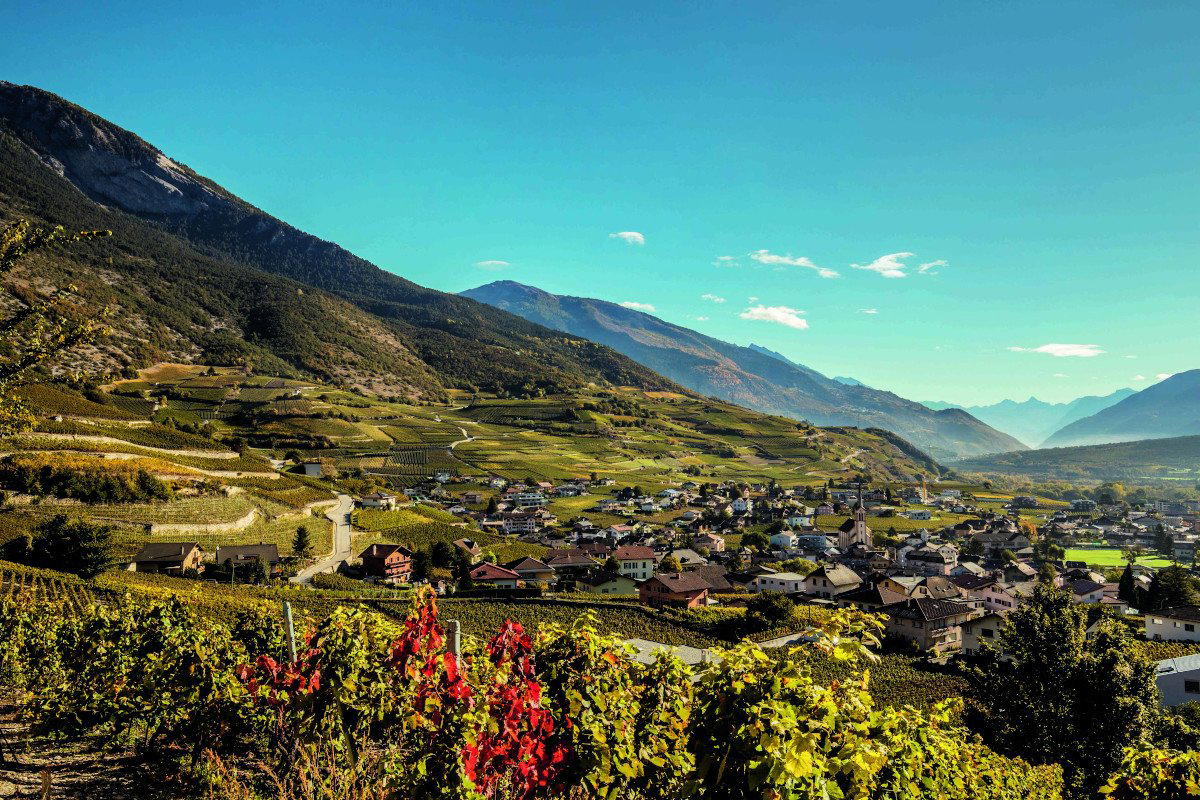
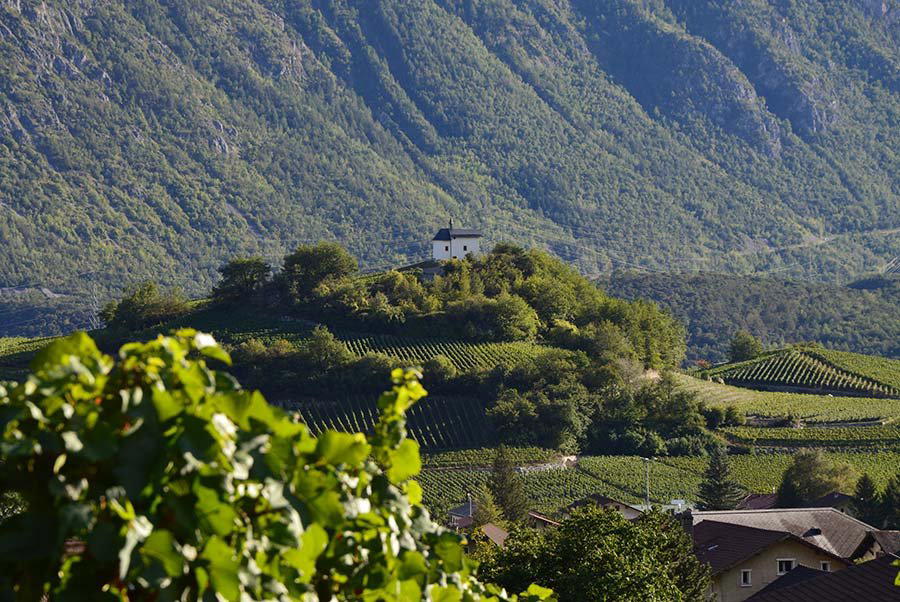
Salgesch has the look of a wine village that knows exactly what it is: vines close to the village, mountain lines beyond them, and cellars built for conversation rather than spectacle. In that setting, Cave du Rhodan works as a direct introduction to Valais wine culture, where altitude, sun exposure, indigenous grapes, and family estates matter more than theatrical tasting-room design. The tone is relaxed and cellar-led, with the emphasis on the wines and the land that shapes them.
Valais does not behave like a single-variety region. Its interest comes from breadth: Petite Arvine and Heida on the white side, Cornalin and Humagne Rouge among the reds, alongside Pinot Noir, Syrah, sparkling, dessert, and fortified styles. Cave du Rhodan’s range reflects that regional spread without turning it into a museum exercise. The estate’s Valais AOC focus gives the tasting a useful structure: white wines for acidity and mountain freshness, reds for ripeness and local identity, and a broader portfolio that shows how Swiss wine can be both traditional and technically current.
Salgesch terroir through Valais varieties, not cellar theatre
The strongest reason to pay attention here is terroir expression. The estate farms around 10 hectares in Salgesch, a scale large enough to offer range but still tied to a family estate rhythm. Biodynamic production is not treated as decoration; it sits at the centre of the viticultural identity. In a region where steep vineyard work, sun, and Alpine-influenced conditions already demand discipline, that farming choice gives the wines a clearer editorial frame: Cave du Rhodan is best understood as a Valais producer using traditional grapes to make the place legible.
Petite Arvine and Heida are the clearest entry points for white-wine drinkers. Both varieties carry strong Valais associations, and both are more useful here than international grapes for understanding why the region deserves attention. Cornalin and Humagne Rouge bring the same argument to the red side, while Pinot Noir and Syrah place the estate in a broader Swiss and Alpine context. The value of the tasting is not a single headline bottle; it is the chance to see how several Valais varieties respond to one village and one farming philosophy.
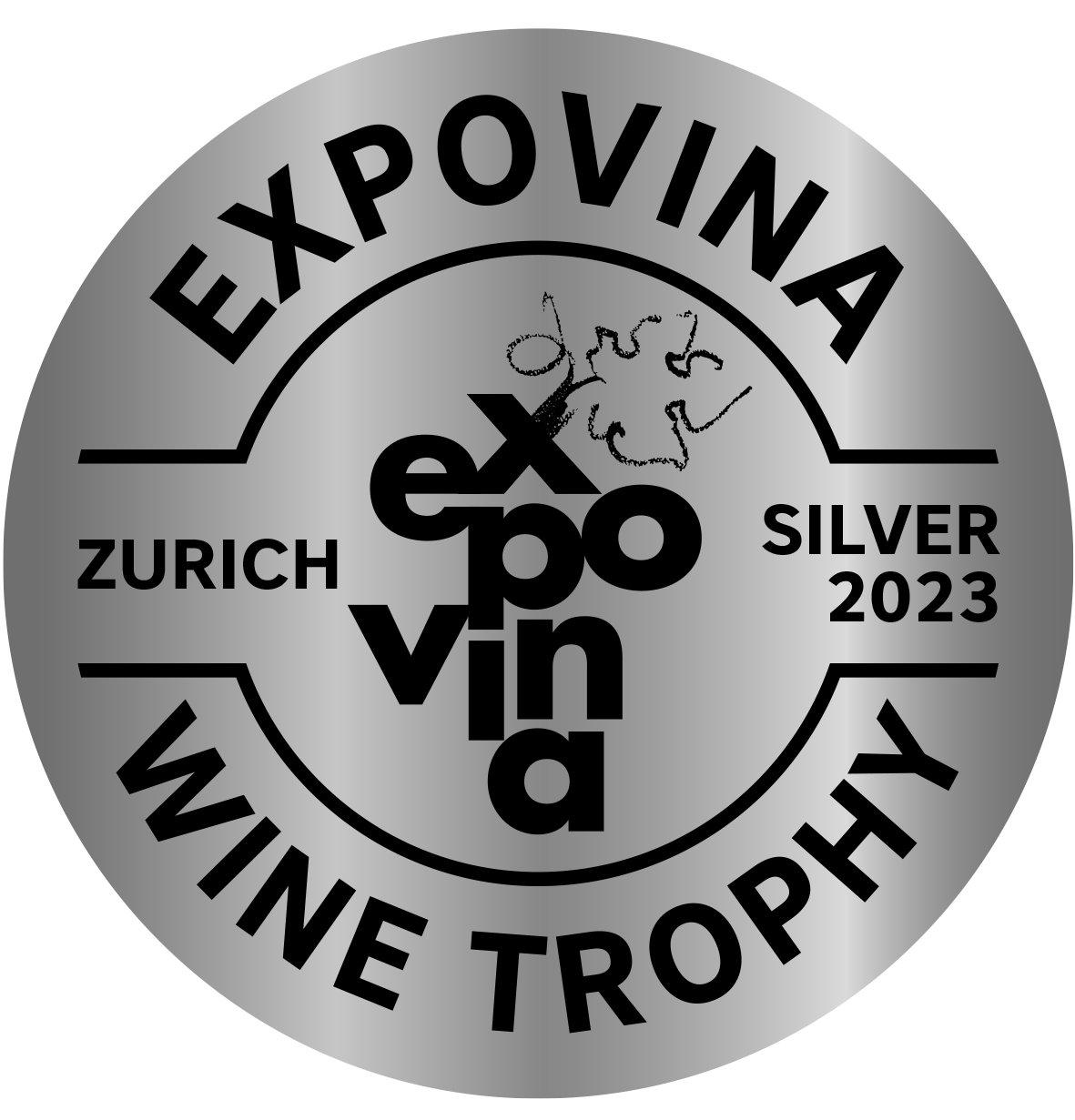
The estate’s recognition supports that reading. The winery was named Swiss Winery of the Year at the Grand Prix du Vin Suisse in 2022, a serious national signal in a country whose wines are often consumed domestically and underrepresented abroad. Sélection des Vins du Valais medals in 2024 and 2025 add a more regional quality marker, particularly across Petite Arvine, Blanc de Noir, Heida, Fendant, Humagne Blanche, Johannisberg, Cornalin, and Pinot noir Perle du Rhodan. Awards do not explain the wines on their own, but they do confirm that the estate’s work with Valais varieties has been judged beyond local loyalty.
A family estate with biodynamic intent and a practical visitor format
The family story matters here only because it explains continuity. Founded in 1962 and now associated with third-generation stewardship under Olivier Mounir, the estate has had time to move from conventional family production into a more sustainability-led model without losing its village-cellar character. That is a recurring tension in Swiss wine: small and medium estates are expected to preserve local varieties, modernise farming, and offer hospitality that feels personal rather than branded. The winery sits squarely in that lane.
Production philosophy is biodynamic, with organic and sustainable sourcing tags attached to the estate’s viticulture. For visitors, that translates less into abstract claims and more into a useful tasting conversation: soil health, vineyard work, grape selection, and the way Valais varieties handle ripeness. The estate also frames itself around wine education, with bar tastings, seated tastings, tasting packages, cave tastings, vineyard tours, barrel-room elements, private tastings, estate grounds, and Wine & Walk-style experiences all fitting the format. The practical advantage is range: a first-time visitor can keep the visit compact, while a more engaged drinker can use the estate as a deeper classroom for Valais AOC.
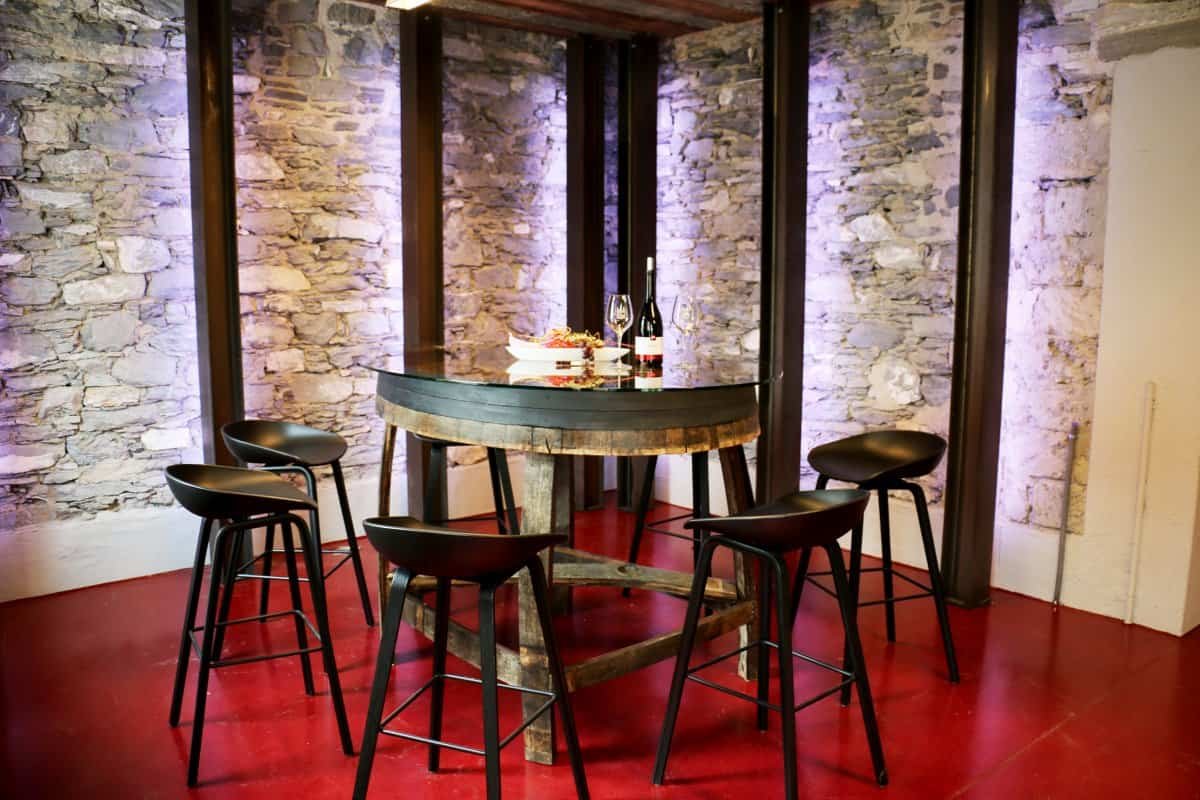
Hospitality style is informal by design. This is not a luxury-winery script built around polished scarcity. The listed atmosphere is conversational, cozy, intimate, rustic, and scenic, with vineyard and mountain views forming the backdrop. That matters in Salgesch because the village experience is strongest when the cellar does not separate itself from the surrounding vines. The estate’s on-site parking and accessibility features, including wheelchair access and accessible parking, also make it easier to treat as part of a broader wine-focused day in the village.
How to place it within a Salgesch wine itinerary
The winery is a smart anchor for travellers who want Valais wine to feel specific rather than generic. The visit suits wine education, group outings, solo exploration, romantic getaways, special occasions, and corporate events, but its natural audience is the drinker who wants to compare grape varieties and farming choices in context. The price level sits in the approachable middle of the premium-winery spectrum, while the award history gives the stop more weight than a casual cellar call.
Salgesch rewards concentration. Rather than treating the village as a quick detour, build the day around wine and keep enough time between appointments to understand how closely the estates sit within the same regional conversation. EP Club’s broader Salgesch coverage can help set that frame, including Our full Salgesch wineries guide, Our full Salgesch restaurants guide, Our full Salgesch hotels guide, Our full Salgesch bars guide, and Our full Salgesch experiences guide.
For nearby Salgesch winery research, keep the focus on producers rather than abstractions: Adrian & Diego Mathier Nouveau Salquenen, Adrian & Diego Mathier Nouveau Salquenen AG, Albert Mathier & Fils, Cave chez Violaine, and Cave de Canali. Wider Swiss and European winery browsing can extend through 180°Süd in Frick, A & A Weinbau in Henggart, A. & C. Chevalley in Lutry, »der Steiner« Hans Steiner in Podersdorf am See, and & Handwein in Mannheim.
Recognition history
Dated appearances from independent guides and award organizations, with the underlying list record or original source where available.
Falstaff Winery - 3 Stars
Falstaff
Continue exploring
More in Salgesch

At a Glance
- Classic
- Rustic
- Scenic
- Cozy
- Intimate
- Well Known
- Group Outing
- Wine Education
- Romantic Getaway
- Solo Exploration
- Special Occasion
- Corporate Event
- Vineyard Tour
- Cave Tasting
- Barrel Room
- Estate Grounds
- Private Tasting
- Organic
- Biodynamic
- Sustainable
- Vineyard
- Mountain
- Valais AOC
- Petite Arvine
- Heida
- Cornalin
- Humagne Rouge
- Pinot Noir
- Syrah
- Still Red
- Still White
- Still Rosé
- Sparkling
- Dessert
- Fortified
- Bar Tasting
- Seated Tasting
- Tasting Package
- Virtual Tasting
Family-run Valais winery with a welcoming, down-to-earth atmosphere focused on quality, tradition and innovative, sustainable viticulture, offering friendly, informative tastings in a relaxed cellar setting.