
Castillo de Sajazarra is a Rioja DOCa winery shaped by estate-grown Tempranillo, Graciano, and the cooler conditions of Sajazarra’s high-altitude village setting. Its appeal lies less in spectacle than in the combination of medieval stone, small-scale production, Reserva ageing, and a still-red focus rooted in Rioja Alta tradition.
Pearl is the En Primeur Club membership app — saves, bookings, and concierge access live there. Same editors, same standards.
- Address
- Sajazarra, Castilla y León, Argentinien
 Saves & bookings on Pearl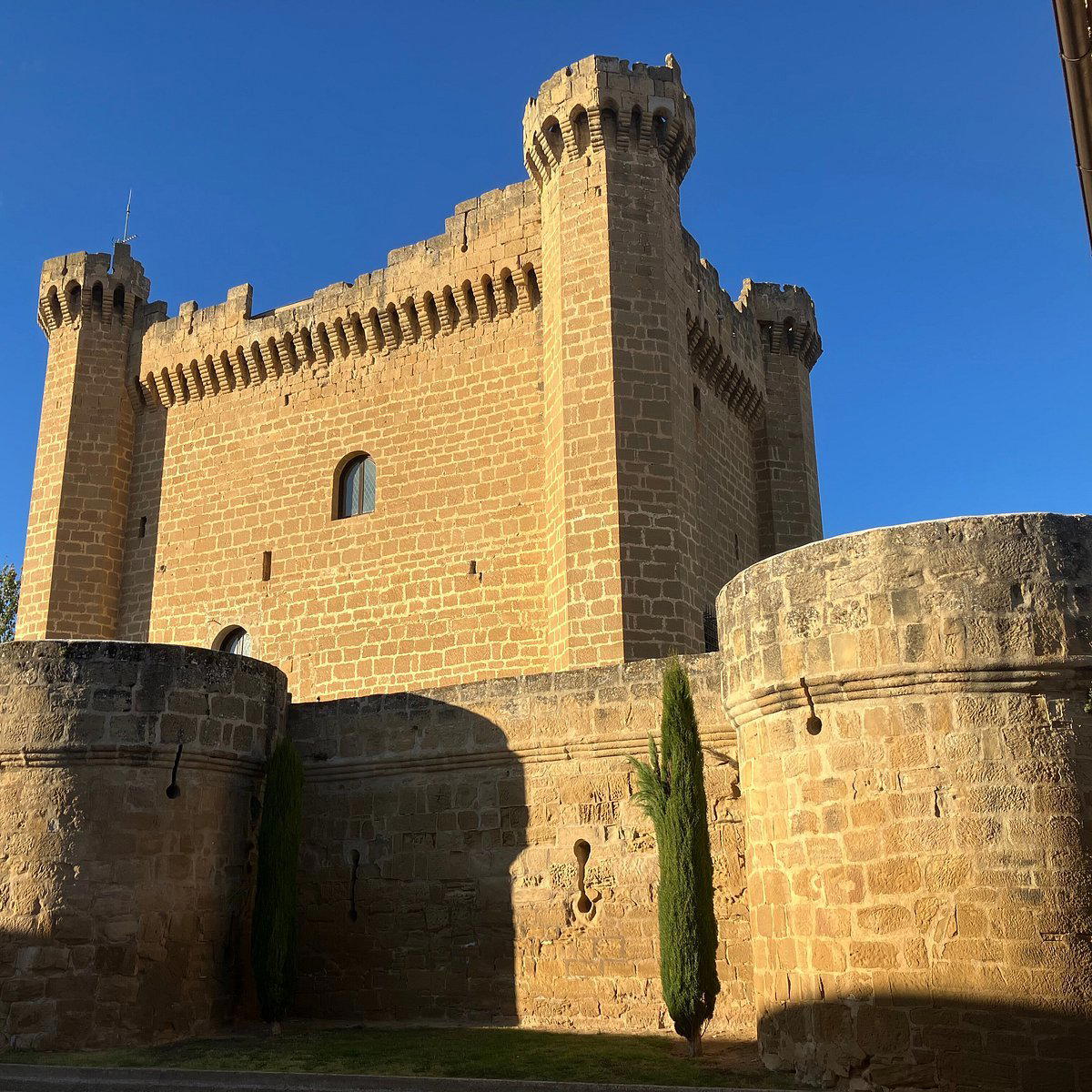
Stone does much of the talking in Sajazarra. The village moves at walking pace, with cobbled streets and a restored castle setting giving the place a strong sense of historic atmosphere. Castillo de Sajazarra fits that quieter side of local hospitality: scenic, classic, and picturesque, with a winery area adjacent to the village streets. It is the sort of place where the setting does not need to be over-explained; the appeal comes through in the relationship between the castle, the village fabric, and the slower rhythm of moving through a compact historic centre.
For a wider read on the village’s drinking and dining map, see Our full Sajazarra wineries guide, alongside Our full Sajazarra restaurants guide, Our full Sajazarra hotels guide, Our full Sajazarra bars guide, and Our full Sajazarra experiences guide. Those broader guides are useful because Castillo de Sajazarra is best understood as part of a small-place itinerary rather than as an isolated stop: the surrounding streets, nearby hospitality options, and the general village mood all help shape the visit.
A historic Sajazarra setting
The appeal is the restored castle atmosphere, the adjacent winery area, and the cobbled village context around it. Taken together, those elements create a setting that feels rooted in the physical character of Sajazarra rather than in a heavily staged visitor experience. The castle presence gives the stop an immediate visual focus, while the cobbled streets around it keep the scale human and walkable.
The mood is classic, scenic, quiet, and slightly hidden-gem in feel. It suits visitors who want a picturesque stop in Sajazarra and who value a walkable historic setting more than a heavily programmed hospitality experience. This is not a place that needs to be framed through a long list of extras to make sense; its strength is the simple pleasure of being in a village where stone façades, narrow streets, and a restored castle atmosphere do much of the work. Visitors looking for that kind of understated setting are likely to appreciate the restraint.
Castle atmosphere without overstatement
Draw is direct: a restored castle in Sajazarra, a winery area nearby, and the visual texture of cobbled streets. That combination gives the venue an well-known local presence without needing to rely on claims about rankings, bottle counts, grape varieties, or guided formats. The point is not to inflate the listing with unsupported detail, but to recognise that the castle and village context already provide a clear reason to stop, look around, and fold the place into a relaxed Sajazarra visit.
For planning purposes, Castillo de Sajazarra is listed in the $$ price tier. Beyond that, the safest expectation is a quiet, scenic, historic environment rather than a specific restaurant-style or tasting-room format. That distinction matters for travellers setting their expectations: the confirmed appeal here is environmental and atmospheric, not tied to a documented sequence of service, a particular menu structure, or a formal programme. Approach it as a setting first, and the listing becomes easier to read on its own terms.
Visitors who enjoy compact, walkable villages are likely to find the setting especially appealing. The experience is anchored by place: Sajazarra’s historic streets, the castle backdrop, and the slower pace of a scenic village stop. It is well suited to travellers who like to let a destination unfold on foot, noticing the texture of the streets and the relationship between buildings rather than moving quickly between fixed appointments. In that sense, the winery works as both a point of interest and a marker of the village’s broader character.
How it fits into a wider itinerary
Sajazarra rewards a slower itinerary because the village itself supplies part of the experience. The winery can be treated as a central visual and atmospheric anchor for a walk through the village, with other dining in Sajazarra considered generically as part of the broader plan. A visit does not have to be built around complicated logistics to make sense; the more natural approach is to allow time for the village setting, use the castle atmosphere as a reference point, and let nearby streets shape the pace.
Rather than comparing it to named venues elsewhere, the useful comparison is simpler: the winery is for travellers who want a quiet, picturesque, historic setting in Sajazarra. It is less about confirmed accolades or a documented service format, and more about the character of the restored castle environment. That makes it especially relevant for visitors who are choosing places by mood and setting, and less relevant for those who need every detail of the experience specified in advance.
The editorial case for the winery is clear: go for the castle setting, the adjacent winery area, and the cobbled-village atmosphere. It is strongest for travellers who prefer scenic, walkable, historic places over places defined by detailed service claims or destination-restaurant expectations. Read that way, it is a concise but meaningful entry in Sajazarra’s hospitality landscape: not a venue to overstate, but one whose setting gives it a distinct local role.
Recognition history
Dated appearances from independent guides and award organizations, with the underlying list record or original source where available.
Falstaff Winery - 2 Stars
Falstaff
At a Glance
- Classic
- Scenic
- Quiet
- Well Known
- Solo Exploration
- Special Occasion
- Wine Education
- Historic Building
- Design Destination
- Sustainable
- Street Scene
- Rioja Doca
- Tempranillo
- Graciano
- Still Red
- Guided Tasting
Historic, restored castle setting with a winery area adjacent to the cobbled village streets; the atmosphere is described as picturesque and delightfully walkable.