
Casa Girelli gives Trento a different kind of winery narrative: less single-estate romance, more Italian range under one technical roof. Its Trento headquarters anchors a broad portfolio built from multiple regions, 35 grape varieties, 130 labels, and cellar infrastructure scaled for precision rather than rustic theatre.

Pearl is the En Primeur Club membership app — saves, bookings, and concierge access live there. Same editors, same standards.
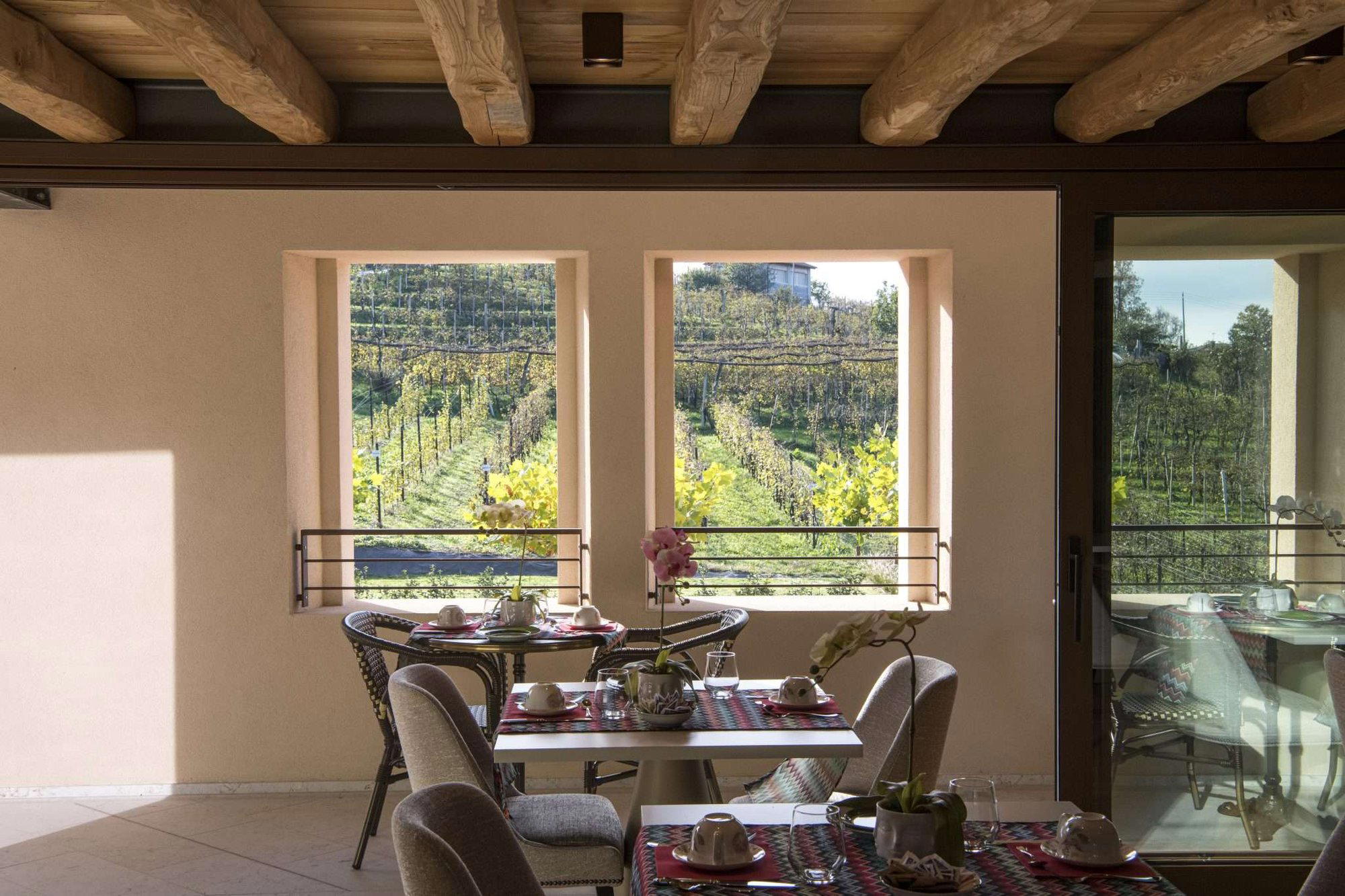
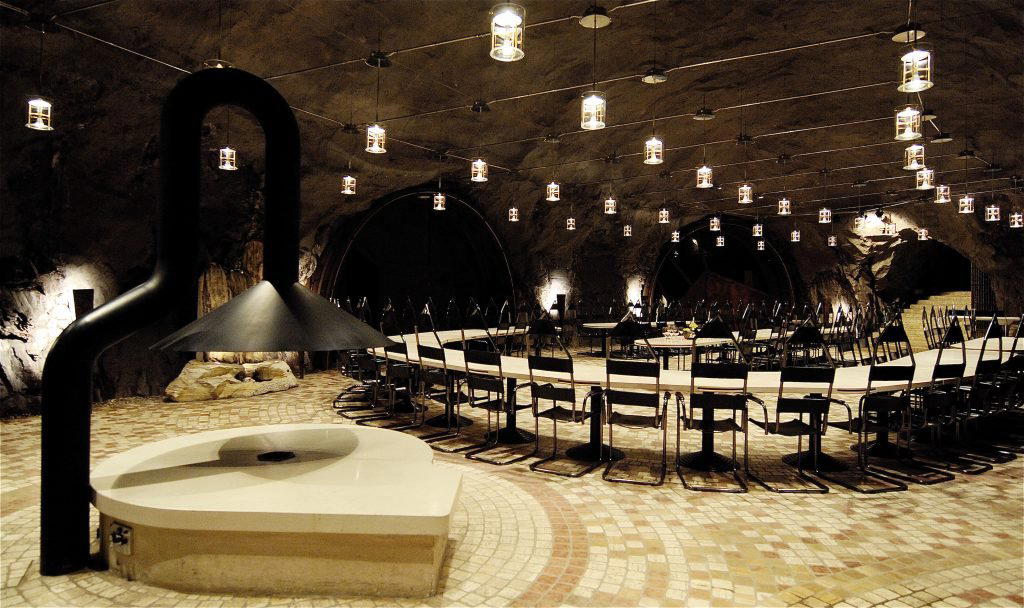
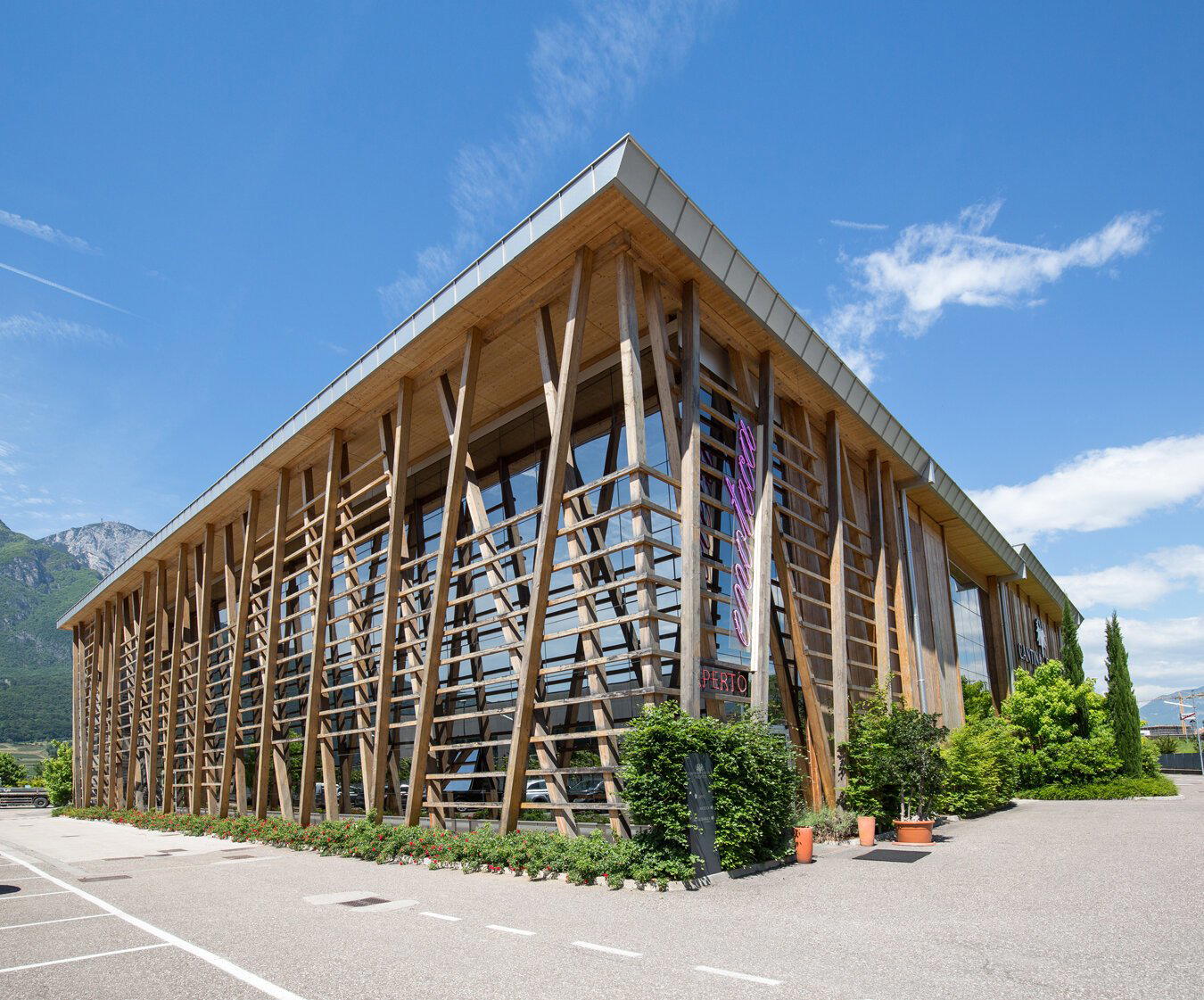
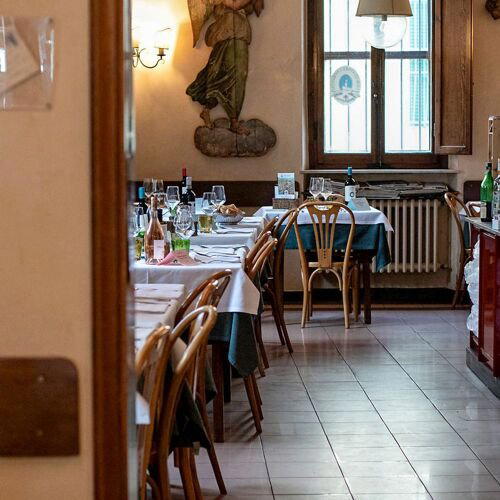
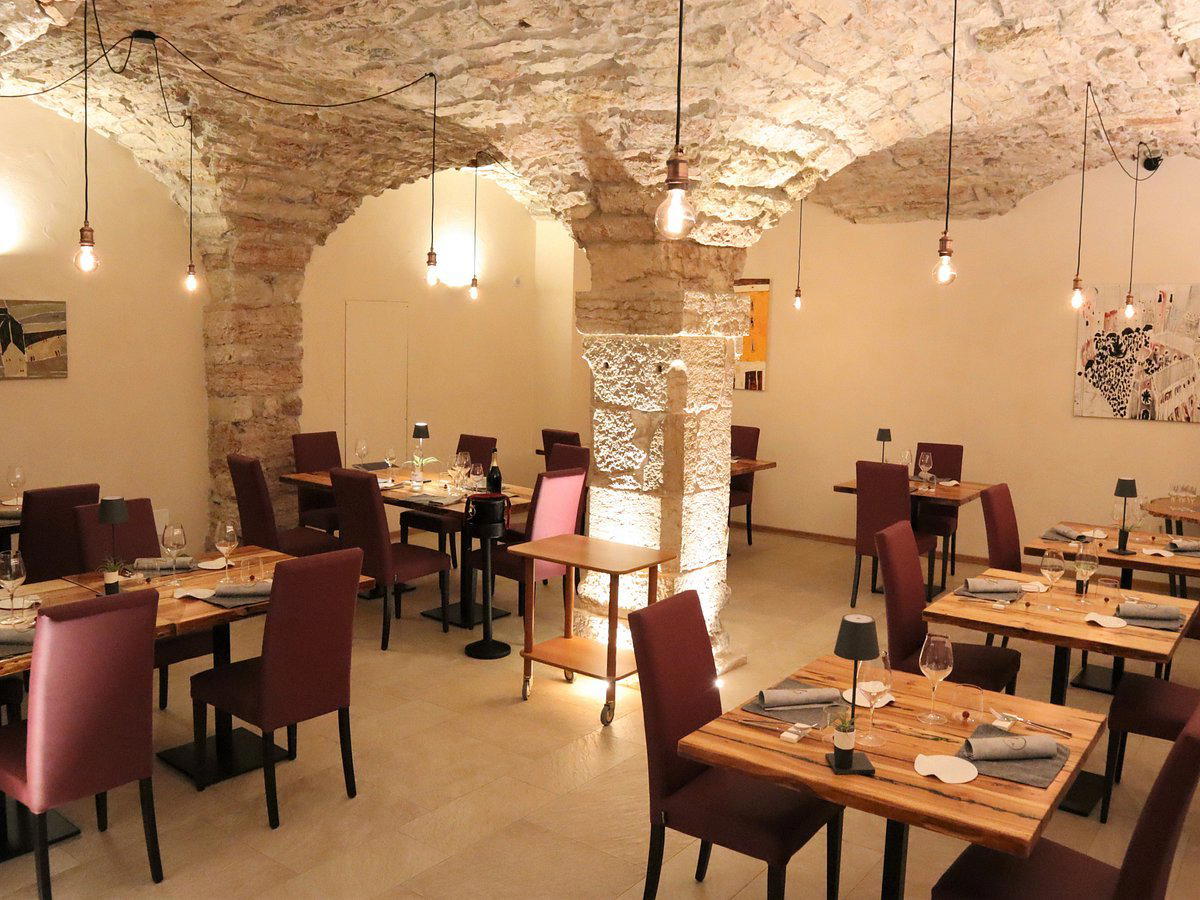
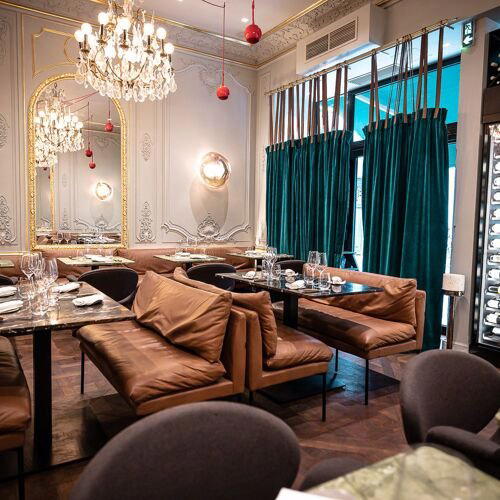
Approach Casa Girelli as a winery headquarters rather than as a conventional dining room. The picture is of a historic winery headquarters in Trento with a modern, high-tech production environment and large cellar infrastructure. The mood is classic, industrial, and sophisticated: more about the production setting and cellar scale than about a restaurant narrative. That distinction matters when setting expectations. The appeal is not a named chef, a dish-by-dish menu, or a clearly defined hospitality format, but the sense of a wine address whose identity is rooted in production, storage, and the working architecture of a substantial cellar operation.
A historic winery headquarters in Trento
For planning purposes, Casa Girelli is best understood as a winery headquarters in Trento. This is one useful frame for interpreting the venue, because it keeps the emphasis on place, function, and atmosphere rather than on assumptions about dining service.
That makes the venue relevant for travelers who are interested in the atmosphere of a substantial winery environment. Instead of expecting a restaurant-style experience, expect a setting shaped by cellar infrastructure, production discipline, and a polished industrial character. The word “headquarters” is important here: it suggests a primary wine-production address rather than a casual stop designed only around leisure. The experience, as far as the available information supports, should be read through that lens.
The price level is listed as $$, which gives a basic planning signal without implying a specific menu, tasting price, or service format. It is useful as a broad indicator, but it should not be stretched into a promise about what is included or how a visit is structured. Details such as hours, booking rules, tastings, food service, and accessibility should be confirmed directly before making plans. That confirmation is especially important because a production-focused site can have arrangements that differ from the expectations created by restaurants, bars, or small tasting rooms.
A Trento cellar with a modern production setting
Trento is the location, and the strongest confirmed detail is the nature of the site itself: Casa Girelli is a historic winery headquarters with a modern, high-tech production environment and large cellar infrastructure. That combination gives the place its identity. It is not presented here as a restaurant, bar, or boutique tasting room; it is best framed as a wine-production address with a classic, industrial, sophisticated feel. The contrast between historic headquarters and modern technical setting is the core of the description, and it is enough to shape a clear expectation without adding unsupported claims.
The production environment is the main planning hook. Visitors looking for intimate dining specifics, chef information, a dish list, or a defined beverage program will need to verify those details elsewhere, because they are not part of the confirmed data. What can be stated confidently is the overall character: historic winery headquarters, contemporary technical setting, and substantial cellar context. In practical terms, that means the venue reads more as a serious operational backdrop than as a venue whose personality is built around décor, plated food, or a scripted hospitality sequence.
Heritage is part of the impression, but no specific founding year or ownership history is here. Keep the focus on what is known: the winery is in Trento, carries a $$ price level, and is associated with a large, high-tech winery infrastructure. The safest reading is therefore atmospheric rather than biographical. The historic quality helps explain the classic tone, while the high-tech production setting explains the industrial sharpness. Together, they create a sophisticated cellar identity without requiring further narrative detail.
What, and what to confirm
Any such detail should be checked directly with the winery before being treated as current or official. The same cautious approach applies to any assumptions about guided visits, tastings, food pairings, private events, or public access. None of those details should be inferred simply from the fact that the address is a winery headquarters.
For an itinerary, the winery works well as a Trento wine-production stop rather than as a page built around menus, awards, grape lists, or visitor formats. Its value lies in the confirmed setting: a historic winery headquarters with a modern industrial edge and substantial cellar infrastructure. That makes it most relevant for readers who are mapping the wine character of Trento and want to understand what kind of place this is before deciding whether it fits their plans.
The winery is therefore well suited to readers who want a concise, practical understanding of the venue before confirming current arrangements. In Trento, compare it only with other local options in general terms, and verify any appointment, tasting, or service details directly before visiting. The essential takeaway is deliberately simple: this is a classic, sophisticated winery headquarters context, defined by production scale and cellar infrastructure, not by restaurant-style promises.
Recognition history
Dated appearances from independent guides and award organizations, with the underlying list record or original source where available.
Falstaff Winery - Listed
Falstaff
Continue exploring
More in Trento
Wineries in Trento
Browse all →
At a Glance
- Classic
- Industrial
- Sophisticated
- Corporate Event
- Group Outing
- Wine Education
- Historic Building
- Design Destination
- Street Scene
- Still Red
- Still White
- Sparkling
- Tasting Room
- Producer Visit
Historic winery headquarters with a modern, high-tech production environment and large cellar infrastructure.