
Cantine Montagna is a historic family-run winery in Broni, rooted in Oltrepò Pavese’s hillside tradition since 1895. The draw is terroir rather than spectacle: 15 hectares of estate vineyards, local grapes such as Croatina, Ughetta, Rara Uva and Moscato, and a rural cellar atmosphere built around traditional tastings and vineyard tours.

Pearl is the En Primeur Club membership app — saves, bookings, and concierge access live there. Same editors, same standards.
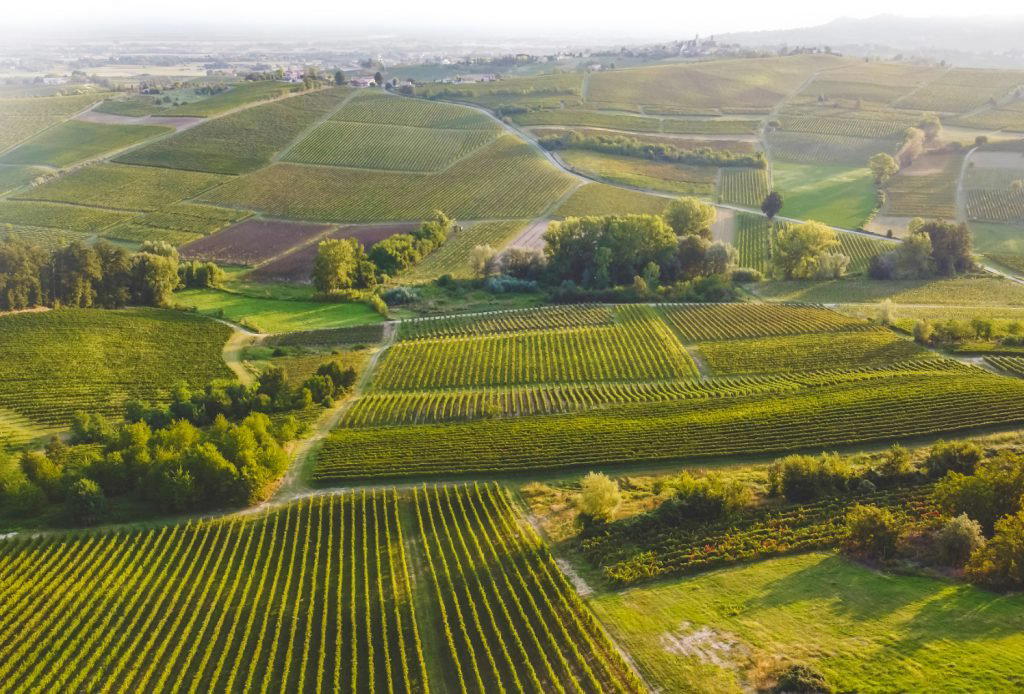
Broni’s wine country does not need theatrical grandeur to make its point. Cantine Montagna belongs to a quieter register: a historic, family-run Oltrepò Pavese winery with a traditional rural atmosphere, rooted in more than a century of winemaking in Broni and the surrounding hillside vineyards. The appeal is not built around spectacle, but around a classic, rustic setting where the building, the landscape and the local wine culture do most of the work. In that sense, its character is closely tied to the kind of understated wine travel that asks visitors to notice texture rather than performance: the rural context, the historic feel, and the continuity between place and production.
For visitors trying to understand Broni through wine, Cantine Montagna offers a grounded point of reference. The picture is intentionally simple: a cozy historic winery in a scenic rural context, shaped by long family continuity and by the agricultural identity of Oltrepò Pavese. It should be approached as a traditional wine-country stop rather than as a restaurant, bar or polished resort-style tasting venue. That distinction matters, because the experience suggested here is not one of urban hospitality transplanted into the countryside, but of a local winery whose value is inseparable from its setting.
Oltrepò Pavese atmosphere, without overstatement
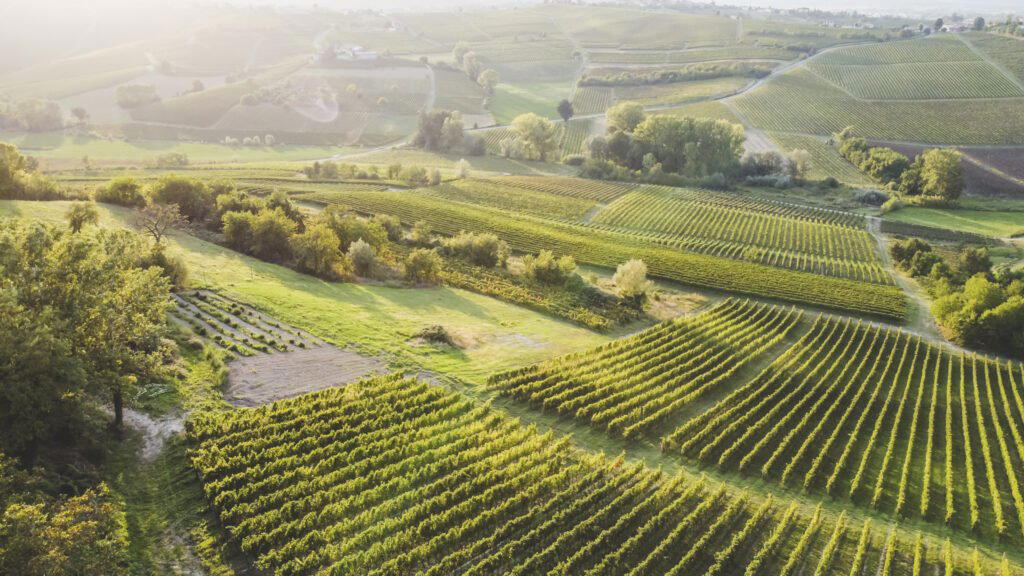
The strongest confirmed reason to pay attention to Cantine Montagna is its setting and continuity. It is tied to Broni and to the hillside vineyards around the village, with a historic building and a rural character that fit the wider Oltrepò Pavese landscape. That makes the winery especially relevant for travellers who care about place: not just the glass, but the village, the hills and the older winemaking culture behind it. The atmosphere is therefore part of the substance, not merely a backdrop; it helps explain why a modest, traditional address can be meaningful in a region where wine is woven into the countryside itself.
What should not be assumed is as important as what is known.
That restraint gives the venue its shape. Rather than relying on claims about a particular menu, service style or cellar program, the guide should frame the winery as a traditional Oltrepò Pavese address whose value lies in atmosphere, heritage and setting. It is a winery to consider for the character of Broni’s wine country, not for extras. This more careful reading also keeps expectations aligned with the confirmed identity of the place: historic, rural, family-run and connected to the surrounding vineyards.
A traditional rural winery setting
The winery’s mood is best described as classic, rustic and cozy. The details point to a historic building and a scenic rural atmosphere, with family-run continuity and more than a century of local winemaking behind it. That combination makes it a natural fit for visitors who prefer low-key wine-country places over highly staged hospitality environments. Its appeal is not in being polished into something generic, but in retaining the feel of a local cellar whose surroundings and history give it a recognizable Oltrepò Pavese identity.
The grounded takeaway is simpler: the winery is a historic Broni winery with a traditional rural character and a strong connection to the surrounding hillside vineyards. Anyone planning around it should therefore treat practical arrangements as something to verify separately, while using the venue’s confirmed character to understand what kind of stop it is.
Price is listed as $$, which places it in a moderate range for planning purposes. Beyond that, the confirmed information supports a direct expectation: a rustic, scenic Oltrepò Pavese winery experience rather than a luxury dining or nightlife venue. The price marker is useful as a broad orientation, but it should not be stretched into assumptions about what is included or how a visit is structured.
How to read Broni around the cellar
Broni rewards visitors who treat wine as part of a local landscape rather than as a single isolated stop. The winery can anchor that understanding because it connects the town, the surrounding hills and a long winemaking tradition in one place. A reliable way to read the winery is therefore as a lens on the area: a reminder that the appeal of Broni’s wine country is cumulative, built from scenery, rural rhythm and continuity rather than from one headline feature.
For a wider itinerary, the clearest comparison is not with named destination wineries elsewhere, but with the broader idea of rural wine travel: historic buildings, hillside vineyards, family continuity and a slower sense of place. The winery’s confirmed strength is exactly that, a compact, traditional Broni winery rooted in Oltrepò Pavese rather than a grand destination built on elaborate claims. For travellers who value that kind of context, its restraint is part of its usefulness: it keeps attention on the landscape and the long local wine culture that define the setting.
Recognition history
Dated appearances from independent guides and award organizations, with the underlying list record or original source where available.
Falstaff Winery - Listed
Falstaff
Continue exploring
More in Broni

At a Glance
- Classic
- Rustic
- Scenic
- Cozy
- Group Outing
- Wine Education
- Romantic Getaway
- Solo Exploration
- Estate Grounds
- Vineyard Tour
- Historic Building
- Sustainable
- Vineyard
- Oltrepò Pavese
- Barbera
- Croatina
- Ughetta
- Rara Uva
- Moscato
- Still Red
- Still White
- Sparkling
- Dessert
- Traditional Tasting
- Vineyard Tour
Historic family-run Oltrepò Pavese winery with a traditional, rural atmosphere rooted in more than a century of winemaking in the village of Broni and surrounding hillside vineyards.