
A family-run Franciacorta estate in Erbusco, Azienda Agricola Enrico Gatti works in the classic-method sparkling tradition from hillside vineyards on moraine soils. The draw is not spectacle but scale: a quiet cellar-and-vineyard experience, focused on Chardonnay and Pinot Noir, with Nature, Satèn and Brut as the core reading of the estate.

Pearl is the En Primeur Club membership app — saves, bookings, and concierge access live there. Same editors, same standards.

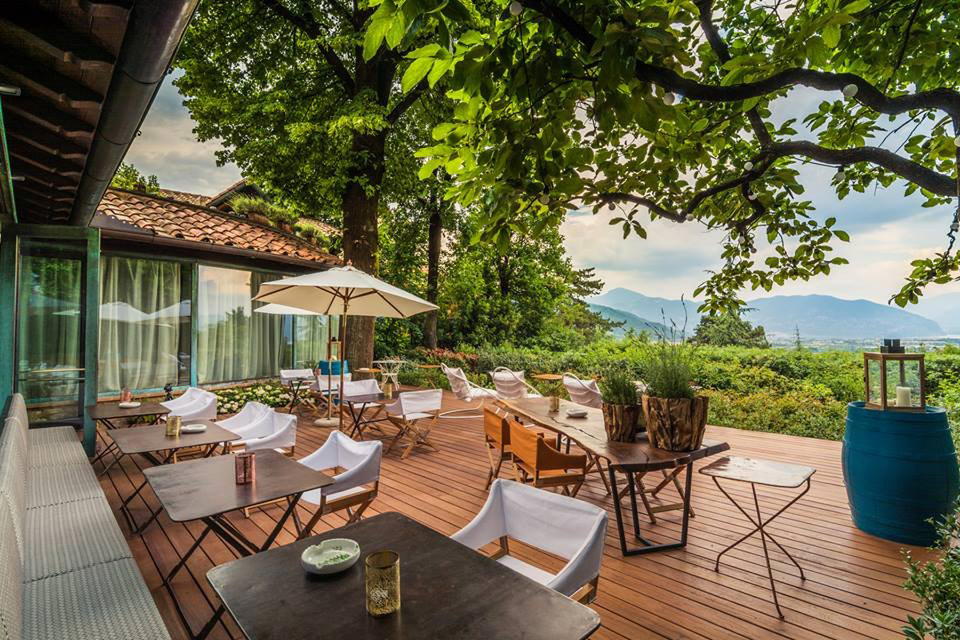
Approaching the Franciacorta hills around Erbusco, the first signal is terrain: vineyard rows on glacial moraine, low slopes, garden edges and the quieter rhythm of a family cellar. This part of Lombardy built its sparkling-wine identity on method rather than theatrics, and Azienda Agricola - Enrico Gatti di Lorenzo Gatti & C. s.s. belongs to its smaller, cellar-led culture. The experience is intimate and quiet, focused on vineyard, bottle fermentation and the disciplined grammar of Franciacorta DOCG rather than grand visitor infrastructure.
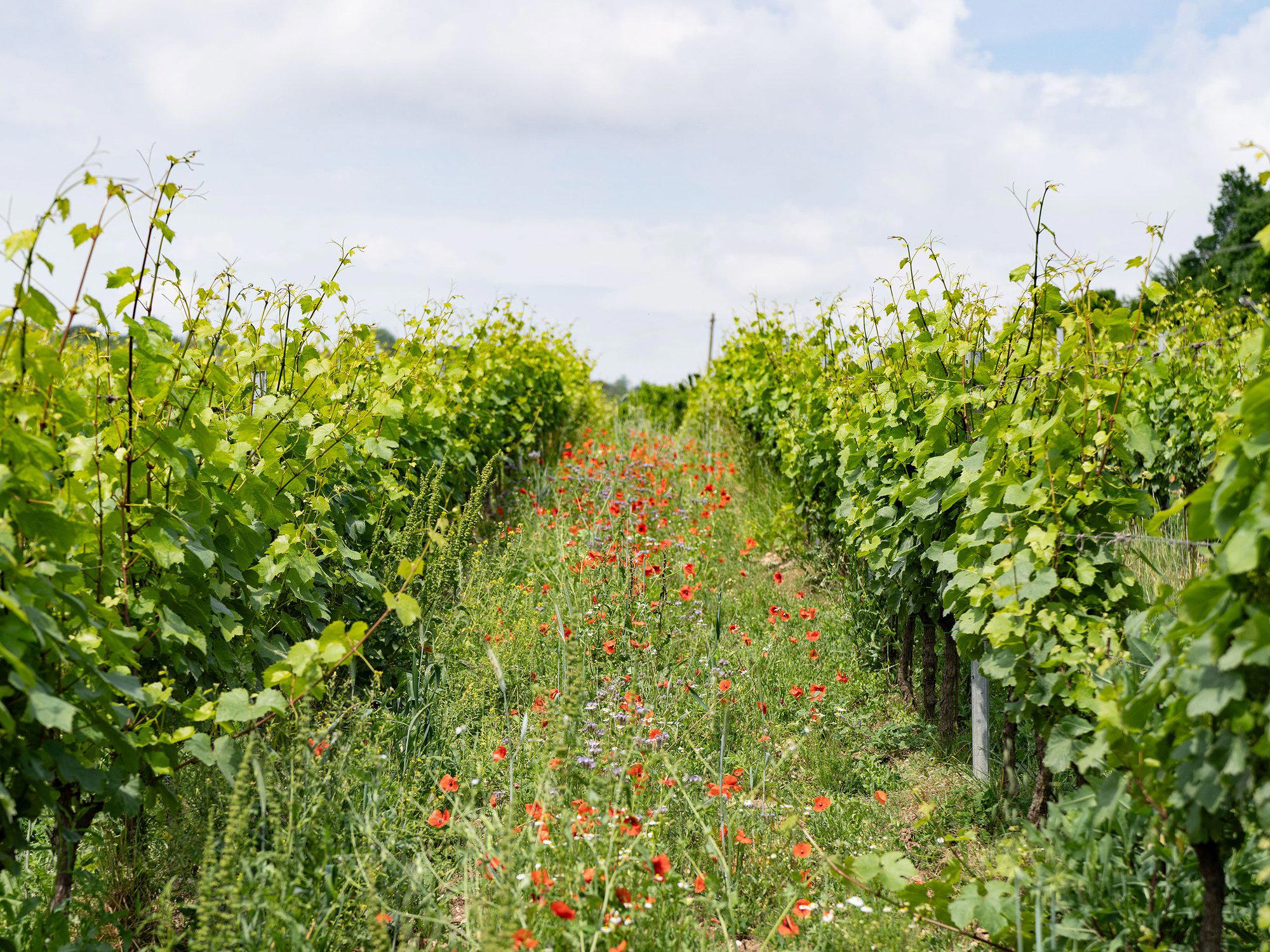
Franciacorta is often compared to Champagne because both use secondary fermentation in bottle, but the better local reading starts with place. Erbusco sits in a zone shaped by glacial deposits, where moraine soils give drainage and structure to grapes needing acidity as much as ripeness. Here, setting is not decoration. Vineyards at roughly 200 to 280 metres frame the wines’ argument: freshness, controlled texture and sparkling wine dependent on patient cellar work after careful picking.
Erbusco moraine, classic method and the quieter side of Franciacorta
The estate dates to 1975, when Enrico Gatti began with a single hectare in Erbusco. Its Franciacorta shift came in the mid-1980s, with 1986 marking the start of its sparkling-wine identity. That chronology matters: Franciacorta’s DOCG status arrived later, in 1995, and the region’s current polish rests on producers who committed to classic-method sparkling wine before the appellation became shorthand for premium Italian bollicine.
Scale sets the context. With around 28 hectares of vineyards and annual output of roughly 120,000 bottles, this is a boutique Franciacorta producer, not a mass hospitality address. Production is narrow: sparkling wines built principally around Chardonnay and Pinot Noir, with Pinot Blanc also part of the broader Franciacorta tradition. The core styles, Nature, Satèn and Brut, give first-time drinkers a concise map of the house idiom: Nature at the no-dosage end; Satèn as the softer, Chardonnay-led Franciacorta style; Brut closer to the region’s central lane.
The technical foundation is classic method, but the telling details are agricultural. The estate works with sustainable vineyard practice, hand-oriented cellar culture and hillside parcels on moraine soils. A named historic parcel, La Casella, dates to 1985 and is associated with reserve and vintage selections. It anchors the range: not every Franciacorta needs a single-vineyard narrative, but older, specific hillside material can sharpen the difference between a general sparkling category and wine rooted in a particular slope.
Andrea Rudelli and Domenico Danesi are named as winemakers, a role best read through the appellation’s demands. Franciacorta rewards restraint: base wines must keep tension, secondary fermentation must add texture without blurring origin, and lees ageing must support rather than dominate. Here, the production story is credible because it remains tied to Erbusco’s raw materials and a focused sparkling portfolio.
What the tasting format tells you about the wines
The hospitality follows the bottles. This is a small-capacity, reservation-led estate visit, with cellar tasting and private tasting formats rather than an open-ended resort model. The listed 120- to 150-minute tour duration is telling: long enough to understand vineyard, cellar and style, yet still grounded in wine education rather than event programming. Italian is the listed tour language, and the mood is casual, quiet and low-key.
The absence of food pairing as a formal feature clarifies the visit. The wines are not staged around a restaurant-style sequence; they are presented as Franciacorta first. That suits visitors who want to compare dosage, texture and grape balance across the range, especially Nature, Satèn and Brut. In a region where larger addresses can feel highly produced, this cellar-forward format has value: it lets structure do the explaining.
For planning a wine day in Erbusco, the implication is practical. A visit here is not designed around children, dogs or casual outdoor lounging; it is designed around focused tasting in a vineyard-and-cellar context. On-site parking and payment by cash, credit card or debit card keep logistics simple once arranged, while shipping availability gives collectors a route beyond the tasting room. The price level is premium, but the value proposition is not ornament. It is access to a family-owned Franciacorta specialist working at modest scale.
How to place Enrico Gatti inside an Erbusco wine itinerary
Erbusco rewards comparison, but by style and format rather than reputation alone. Large estates, design-led cellars and intimate family producers all work inside the Franciacorta frame, and the useful question is what each stop teaches about the appellation. Azienda Agricola - Enrico Gatti di Lorenzo Gatti & C. s.s. makes the smaller-region case: hillside vineyards, classic-method discipline and a tasting room where the cellar remains the point.
For travellers building a broader Franciacorta circuit, EP Club’s Erbusco wine coverage can sit alongside nearby estate research. Start with Our full Erbusco wineries guide, then compare individual producer pages including Azienda Agricola Gian Paolo e Giovanni Cavalleri, Bellavista, Ca’ del Bosco, Derbusco Cives and Enrico Gatti. The contrast is useful: Franciacorta is not a single hospitality style, and the region becomes clearer when tasted across scales.
The same trip can widen into city planning around Erbusco. Use Our full Erbusco restaurants guide for dining around tastings, Our full Erbusco hotels guide for overnight planning, Our full Erbusco bars guide for evening options and Our full Erbusco experiences guide for non-wine pacing. For wider European winery reading beyond Lombardy, EP Club also tracks producers such as 3GP SRL in Treviso, 47 Anno Domini in Trebaseleghe, A Mano Wine in Noci, »der Steiner« Hans Steiner in Podersdorf am See and & Handwein in Mannheim.
The strongest reason to come here is educational rather than ceremonial. Franciacorta can look simple from a distance: sparkling wine from Lombardy with Champagne-method credentials. In glass and cellar, distinctions are tighter: moraine soil, altitude, dosage, lees time, Chardonnay texture, Pinot Noir structure. Enrico Gatti gives those variables a compact, family-run expression in Erbusco, useful for travellers who want the region explained by wine rather than spectacle.
Recognition history
Dated appearances from independent guides and award organizations, with the underlying list record or original source where available.
Falstaff Winery - Listed
Falstaff
Continue exploring
More in Erbusco
Wineries in Erbusco
Browse all →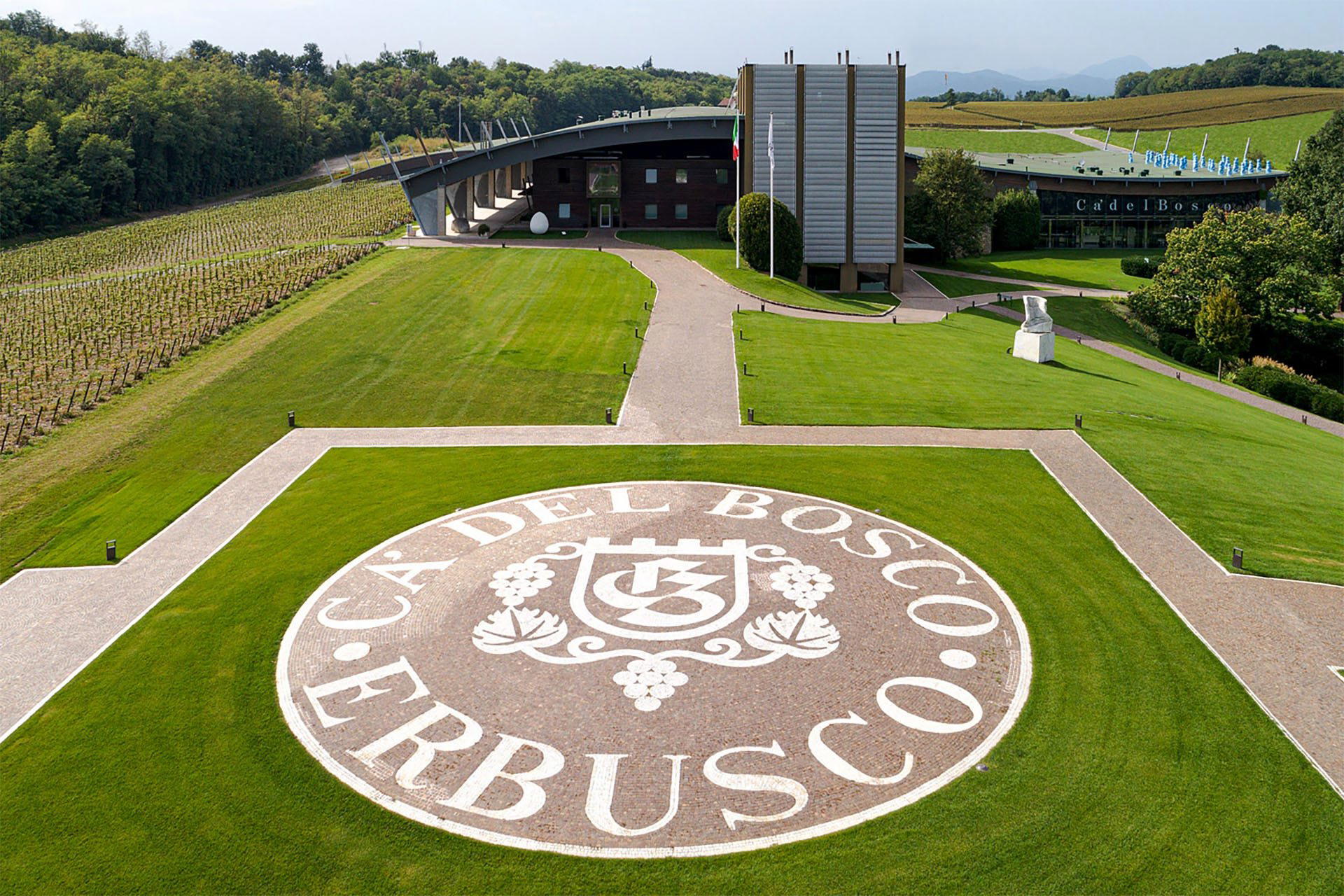

Bars in Erbusco
Browse all →
Restaurants in Erbusco
Browse all →
Hotels in Erbusco
Browse all →
At a Glance
- Intimate
- Classic
- Scenic
- Rustic
- Romantic Getaway
- Group Outing
- Wine Education
- Solo Exploration
- Estate Grounds
- Private Tasting
- Sustainable
- Vineyard
- Garden
- Franciacorta DOCG
- Chardonnay
- Pinot Noir
- Sparkling
- Cellar Tasting
- Estate Visit
Family-run Franciacorta estate in the hills around Erbusco, with a quiet, intimate atmosphere focused on the cellar and vineyards rather than elaborate visitor facilities; tastings are described as personable and low-key, highlighting the elegance and freshness of the sparkling wines.