Averna
Averna belongs to Sicily’s older amaro culture rather than the polished tasting-room circuit. In Caltanissetta, its identity is tied to monastic herbal practice, a recipe associated with the Abbey of Santo Spirito, and a production tradition dating to 1868, making it a useful stop for travelers interested in Italian bitter liqueurs as cultural history.

Pearl is the En Primeur Club membership app — saves, bookings, and concierge access live there. Same editors, same standards.
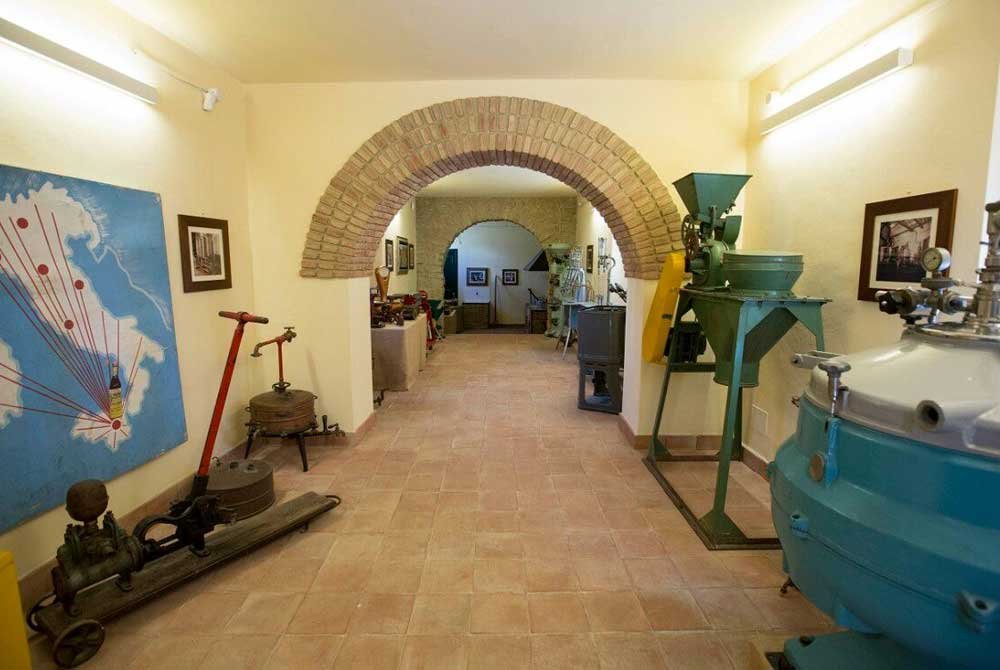
The atmosphere around Averna is closer to working Sicilian industry than leisure architecture: a historic distillery environment, functional indoor production, and a place-name that matters more than a designed guest spectacle. Caltanissetta is not coastal Sicily selling postcard ease; it sits inland, where the amaro’s story reads through monastery practice, citrus country, and the domestic ritual of pouring something bitter after a meal.
That distinction matters. Italian amaro is often misunderstood abroad as a cocktail modifier first, but in Sicily its older grammar is medicinal, monastic, and hospitable. Averna’s origin narrative begins with friar Girolamo of the Abbey of Santo Spirito giving Salvatore Averna an herbal formula in 1859; by 1868, the liquid was being produced for guests at home. The point is not nostalgia for a family label. It is the way a local herbal infusion moved from devotional knowledge into household service, then into a national digestif culture.
Sicilian bitterness shaped by monastery herbs and citrus
The clearest way to understand Averna is through formulation rather than distillation theatre. This is an amaro built from herbs, roots, citrus rinds, and caramel, with named botanical references including pomegranate and essential oils from bitter orange and lemon. The method belongs to maceration and blending: plant material releases bitterness and aroma into alcohol before the liquid is reduced to drinking strength and bottled.
That places the experience in a different category from a vineyard visit or barrel-room tasting. The land expresses itself less through soil exposition and more through the Mediterranean botanical register that Sicilian amari have long used: bitter citrus, cultivated herbs, roots, and the post-prandial logic of digestion. The current alcohol strength is 29% ABV, a useful number because it explains the drink’s service range. It has enough weight for neat or over-ice service after dinner, but it also has enough bitterness and sweetness to work in cocktails without needing a rare-bottle ceremony.
The house’s strongest recognition signals are historical. King Umberto I’s 1895 private visit brought Francesco Averna a gold pin with the House of Savoy insignia, and in 1912 Victor Emmanuel III granted the right to use the royal crest with “Patent of the Royal House.” Those markers predate the modern awards economy and show how prestige once moved through exhibitions, court recognition, and national reputation rather than annual medal counts.
A heritage amaro, not a conventional winery stop
Travelers planning Caltanissetta around wine should read Averna as a spirits-and-heritage counterpoint. The city’s wider drinks map also includes producers such as Tenute Lombardo and Tenute Navarra, but Averna operates in the amaro tradition rather than vineyard hospitality. That difference changes the editorial frame: the reward is not a scenic tasting lawn or a food-pairing sequence, but a clearer understanding of how Sicily’s bitter liqueurs connect religious herbal practice, domestic hosting, and industrial continuity.
The brand’s endurance is part of the case. Production is associated with Caltanissetta from 1868, the family company survived both world wars, exports later reached America, and Campari Group acquired the business in 2014. Those facts place the liquid inside a long arc: local formula, family stewardship, national status, international distribution. The flagship remains Amaro Averna, and the evidence points to continuity around that core expression rather than a broad portfolio of numbered releases or seasonal variants.
For readers building a broader itinerary, the useful move is to treat Averna (Fratelli Averna) as one node in inland Sicily’s drinks culture, then widen the lens through our full Caltanissetta wineries guide, our full Caltanissetta restaurants guide, our full Caltanissetta bars guide, our full Caltanissetta hotels guide, and our full Caltanissetta experiences guide. The same comparative habit applies beyond Sicily: producers such as 3GP SRL in Treviso, 47 Anno Domini in Trebaseleghe, A Mano Wine in Noci, a6mani in Fragagnano, Abbadia Ardenga in Torrenieri, »der Steiner« Hans Steiner in Podersdorf am See, and & Handwein in Mannheim show how place-led drinks culture can mean vineyard, cellar, or production house depending on the region.
Who should put it on a Caltanissetta drinks itinerary
Averna suits travelers who care about category history as much as hospitality format. The price signal sits in the moderate range, the visit type is appointment only, and the setting is better read as a historic production environment than a scenic estate. That makes it a sharper fit for solo exploration, spirits education, and Sicilian food-and-drink context than for groups seeking a polished leisure stop.
The editorial value is clear: Averna explains a part of Sicily that restaurant tables alone cannot. It shows how bitter drinks moved from monastic herbalism into the grammar of after-dinner service, and why a single flagship amaro can carry more regional meaning than a large portfolio of releases. In Caltanissetta, that is the reason to pay attention.
Continue exploring
More in Caltanissetta
Wineries in Caltanissetta
Browse all →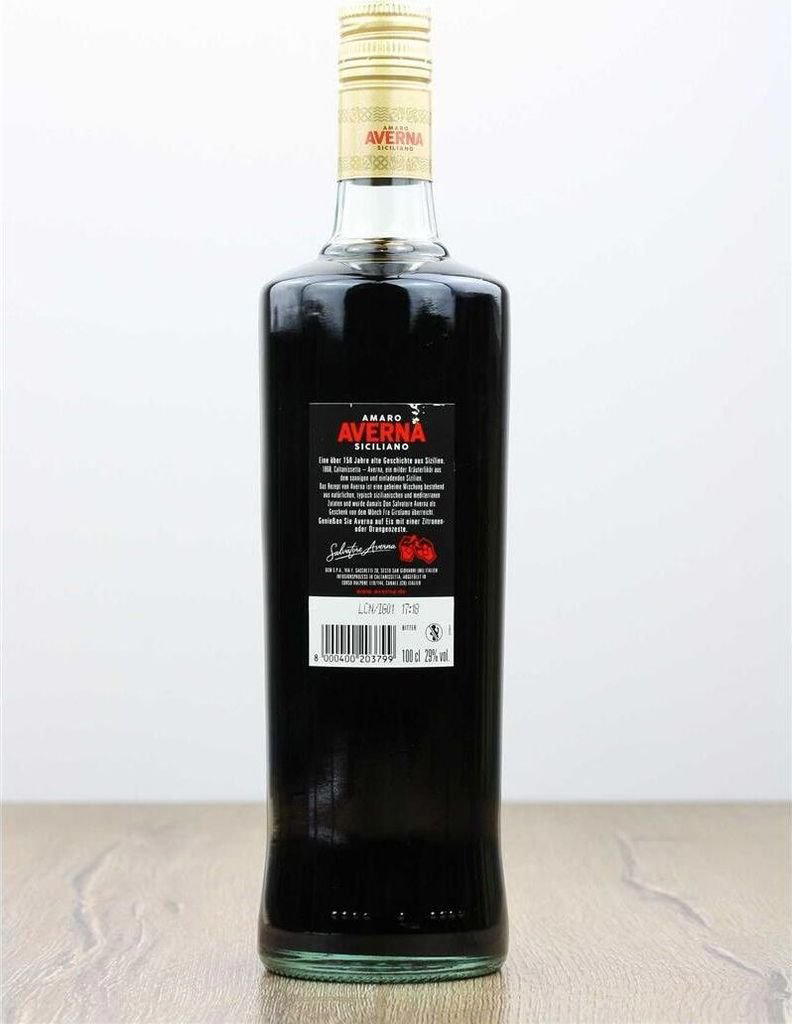

Restaurants in Caltanissetta
Browse all →
At a Glance
- Well Known
- Classic
- Solo Exploration
- Historic Building
Historic industrial distillery environment tied to Sicilian monastic herbal traditions, more functional than scenic and primarily focused on production rather than a designed guest space.