
Aquila del Torre gives Friuli Colli Orientali a quieter, land-led reading: terraced vineyards, preserved forest, organic farming, and a portfolio built around Friulano, Refosco dal Peduncolo Rosso, Picolit, Verduzzo, Sauvignon, and Vermut Eretico. The draw is not cellar theatre or formal luxury, but the connection between Povoletto’s hills, biodiversity, and small-scale Friulian wine culture.
Pearl is the En Primeur Club membership app — saves, bookings, and concierge access live there. Same editors, same standards.
- Address
- Povoletto, Friuli-Venezia Giulia, Italien
 Saves & bookings on Pearl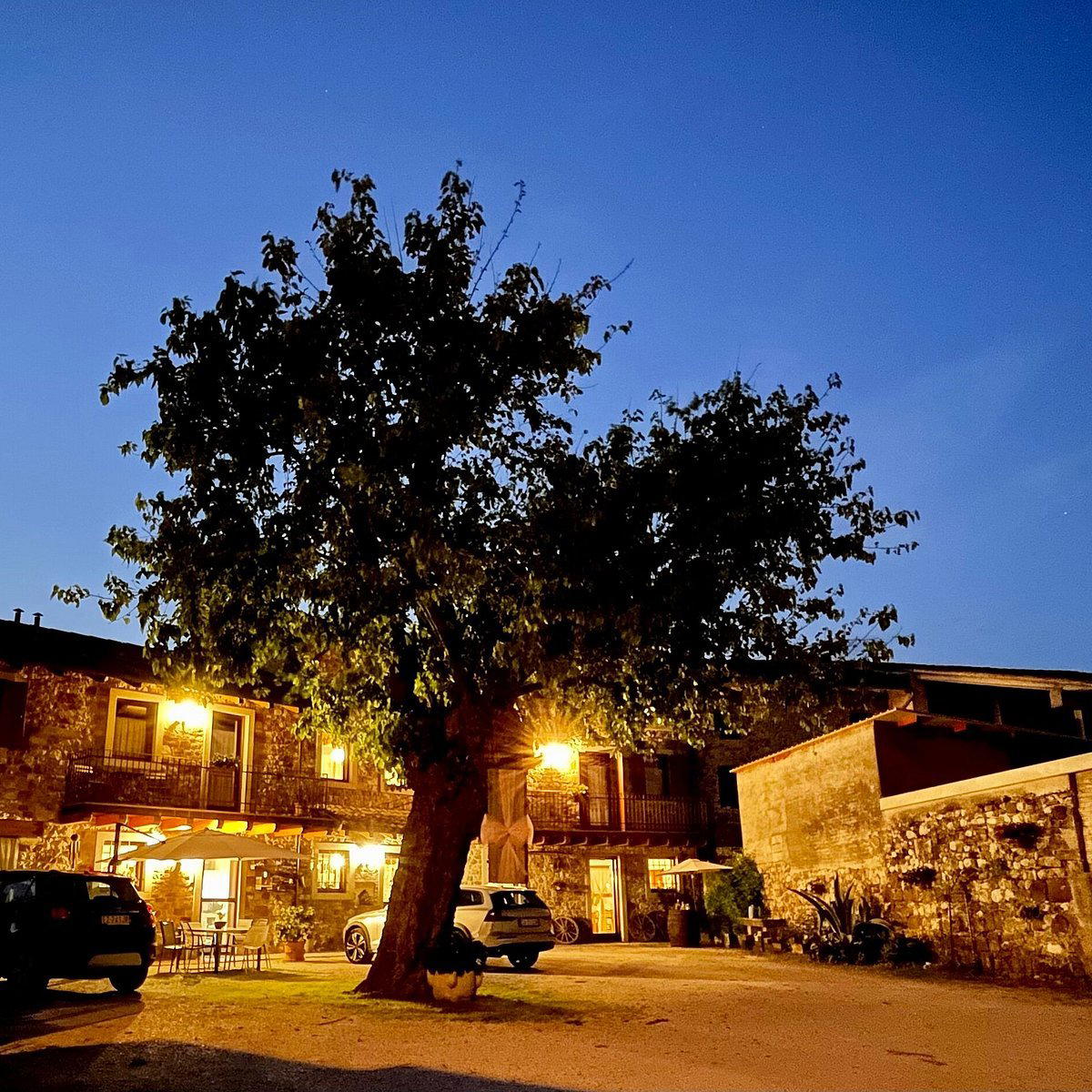
The approach to wine in Povoletto is defined by slope and vegetation before labels enter the conversation. In the Friuli Colli Orientali hills, vines sit against forest rather than monoculture, and the visual grammar is practical: terraces, woodland edges, calcareous marl, sandstone, clay, and the cooling logic of elevation. Aquila del Torre belongs to that register, an organic hillside estate where the experience is shaped by landscape as much as by the glass.
Friuli’s eastern hills do not behave like a single-variety postcard. This is a region where white wines often carry the intellectual weight, red grapes retain local identity, and dessert wine traditions have not been pushed entirely into nostalgia. The estate’s work with Friulano, Refosco dal Peduncolo Rosso, Picolit, Verduzzo, and Sauvignon places it squarely inside that broader Friulian argument: indigenous grapes are not museum pieces when the farming, soils, and cellar choices give them a current vocabulary.
Terraced vineyards, forest cover, and the Friulian case for biodiversity
The estate was established by the Ciani family in 1996, a useful date because it places the project in the modern organic era rather than in the older aristocratic-winery narrative that dominates parts of Italy. Its scale also matters: 80 hectares in total, with 18 hectares planted to terraced vineyards and 66 hectares preserved as forest. In a region where microclimate and soil shifts are part of the point, that ratio reads as a farming statement, not decorative scenery.
Organic certification came in 2014, followed by a move toward biodynamic agriculture. The point is not the vocabulary itself, which can be overused in wine travel, but the practical implication: vineyard health, biodiversity, and reduced synthetic intervention become part of how the place is interpreted. Forest of oak, hornbeam, and holly works as a buffer around the vines, while the hillsides sit within the Friuli Colli Orientali DOC, one of northeastern Italy’s serious appellations for aromatic whites, structured native reds, and small-production sweet wines.
Soil gives the sharper editorial clue. Calcareous marl, sandstone, and clay are not romantic details; they are why Friulano can feel saline and firm, why Refosco can keep grip, and why Picolit has the cultural weight it does in Friuli. The vineyards are described as sitting between 200 and 400 meters, a band that helps explain the emphasis on freshness and aromatic definition rather than sheer ripeness. That is the useful lens for the tasting: read the wines as a hillside study, not as a trophy flight.
What the glass says about Friuli Colli Orientali
The portfolio runs to 10 author wines plus Vermut Eretico, an herbal wine that extends the estate’s interest in local raw material beyond conventional still-wine categories. The more instructive bottles for first-time context are the regional anchors: Friulano for the white-wine identity of Friuli, Refosco dal Peduncolo Rosso for native red structure, and Picolit for the sweet-wine tradition that has long carried prestige in the area.
In the cellar, the estate uses stainless steel for freshness in whites such as Friulano and Sauvignon, while red wines such as Refosco receive longer maceration and natural fermentation. Oak barrels and clay amphorae also appear in the aging program, a combination that places the estate in a contemporary Friulian lane: respectful of local practice, but not trapped in rusticity. Production is around 60,000 bottles a year, small enough for the farming choices to remain legible to visitors.
Recognition here is better understood through category depth than headline awards. Picolit has drawn critic scores in the 90–95 point range, while Friulano and Refosco dal Peduncolo Rosso are repeatedly positioned as serious parts of the range. Editorial attention from names such as Wine Italy 24, Live Wine, and Uncorked in Italy reinforces the same point: this is a winery for travelers interested in Friuli’s specific grape culture, not a generic Italian tasting-room stop.
A low-formality tasting for people who care about place
The hospitality format follows the landscape-led mood. Tastings are built around three main experiences: a classic three-wine tasting, a cellar tour, and a wine-and-food pairing with local products. That range suits Povoletto well. The area rewards slower itineraries, where a winery visit can sit alongside distilleries, small producers, and hill-town meals rather than competing with city sightseeing.
The setting is quiet and casual, with outdoor areas and a Garden of Wine that turn the visit toward the hills rather than inward toward polished design. Multilingual hosts are part of the tasting setup, which matters in Friuli: the region’s wines often need explanation because the grape names, soil types, and food traditions are less instantly legible to international travelers than Tuscany or Piedmont. Here, interpretation is part of the value.
For a Povoletto itinerary, this is the winery to choose when the priority is terroir, organics, and native grapes rather than a high-ceremony cellar appointment. Broader local planning can start with Our full Povoletto wineries guide, then branch into nearby producer pages such as Bepi Tosolini, Pinat Marco, and Teresa Raiz. For the rest of the trip, keep Our full Povoletto restaurants guide, Our full Povoletto hotels guide, Our full Povoletto bars guide, and Our full Povoletto experiences guide close at hand.
Travelers building a wider Italian wine route can place this stop against different regional expressions: 3GP SRL in Treviso, 47 Anno Domini in Trebaseleghe, A Mano Wine in Noci, a6mani in Fragagnano, and Abbadia Ardenga in Torrenieri. For cross-border contrast, »der Steiner« Hans Steiner in Podersdorf am See and & Handwein in Mannheim make the Friulian emphasis on hillside biodiversity feel even more specific.
Recognition history
Dated appearances from independent guides and award organizations, with the underlying list record or original source where available.
Falstaff Winery - Listed
Falstaff
Continue exploring
More in Povoletto
Wineries in Povoletto
Browse all →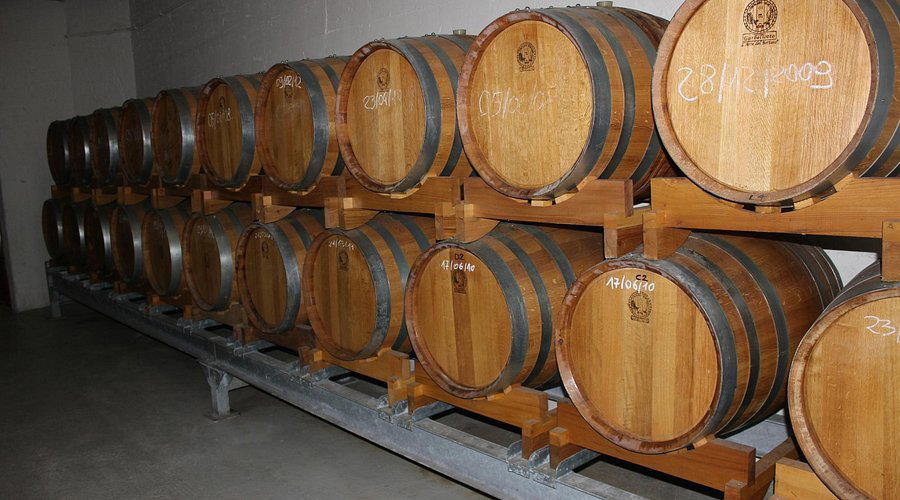

At a Glance
- Scenic
- Rustic
- Classic
- Romantic
- Intimate
- Romantic Getaway
- Group Outing
- Wine Education
- Solo Exploration
- Special Occasion
- Vineyard Tour
- Estate Grounds
- Panoramic View
- Garden
- Private Tasting
- Organic
- Biodynamic
- Sustainable
- Vineyard
- Mountain
- Garden
- Friuli Colli Orientali DOC
- Friulano
- Sauvignon Blanc
- Picolit
- Verduzzo
- Riesling
- Merlot
- Still White
- Still Red
- Dessert
- Sparkling
- Skin Contact
- Guided Tasting
- Vineyard Tour With Tasting
- Private Tasting
Organic hillside estate winery with a tranquil, natural feel, surrounded by terraced vineyards and offering panoramic views over the Friuli Colli Orientali hills; the atmosphere is quiet, relaxed, and focused on wine and landscape rather than formality.