Wein- und Sektgut Wilhelmshof

Falstaff Winery - 3 Stars
A serious Pfalz address for traditional-method Sekt, Wein- und Sektgut Wilhelmshof links 350 years of family tradition with hand-harvested vineyards and unusually long lees aging. The draw is not spectacle but cellar craft: bottle fermentation, Palatinate and French oak, sustainable farming, and a Blanc de Noirs story tied to German sparkling-wine history.

Pearl is the En Primeur Club membership app, where members save venues, book tables and use the concierge.

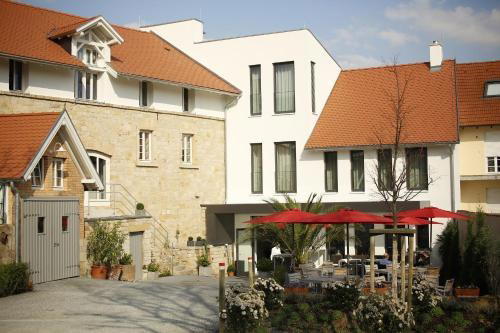
In Siebeldingen, Wein- und Sektgut Wilhelmshof is best approached as a traditional family estate rather than as a venue defined by spectacle or trend. The picture is deliberately simple: a wine and sparkling-wine estate with a strong focus on craftsmanship, sustainability, and cellar-based sparkling wine production. That is enough to set the tone, but not enough to support claims about exact vineyard size, grape varieties, founding dates, tour formats, opening rules, or individual bottles. Those details should be checked directly with the estate before planning a visit around them.
The useful way to read Wilhelmshof, then, is through atmosphere and category. It sits in Siebeldingen, and its stated character is classic, rustic, sophisticated, and quiet. The setting is not presented as a high-gloss hospitality complex or a casual bar substitute. It is better understood as a family-estate environment where wine, Sekt, and cellar work shape the identity of the place. For visitors who care about production culture, that distinction matters: the appeal is less about a scripted luxury experience and more about the craft-led language of a working estate.
Hand-harvested Pfalz fruit, treated as the starting point rather than a raw material
Those specifics are not part of the record available here, so they should not be treated as confirmed. What can be said with confidence is narrower: Wein- und Sektgut Wilhelmshof presents itself through craftsmanship and sustainability, with cellar-based sparkling wine production as a central part of the estate’s identity.
That narrower statement is still meaningful. A wine estate that foregrounds craftsmanship asks to be judged by care, continuity, and the relationship between vineyard work and cellar work. A sustainability focus also gives the visit a different frame from a purely commercial tasting stop.
The atmosphere supports that reading. “Classic” and “rustic” suggest a place grounded in estate tradition; “sophisticated” points to seriousness rather than informality alone; “quiet” signals a calmer tempo. Together, those descriptors create a useful expectation for visitors: this is not a venue to approach for loud nightlife or an anonymous tasting counter, but for a more measured family-estate experience in Siebeldingen.
Sekt with time in bottle, not just bubbles in glass
The word “Sektgut” in the venue name and the description both point toward sparkling wine as an important part of the estate’s identity. The confirmed framing is cellar-based sparkling wine production, not a set of specific cuvées, aging periods, riddling methods, grape varieties, or historical firsts. Any exact claim about production times, named bottlings, or technical milestones would go beyond the available facts and should therefore be left out unless confirmed directly by the estate.
Even with that restraint, the cellar emphasis is significant. Sparkling wine production is not merely a serving category; it changes how a venue is understood. It suggests that the cellar is part of the estate’s story, not just a storage space behind the scenes. For a visitor, that means the most relevant questions are likely to be about how the estate explains its craft, how sustainability connects to its wines, and how the quiet family-estate atmosphere shapes the experience.
The safest planning advice is to contact Wein- und Sektgut Wilhelmshof directly for current visit options, availability, and any practical requirements.
How to read the visit: cellar education over luxury theatre
The most grounded expectation is an estate atmosphere built around tradition, craft, sustainability, and cellar-based Sekt production. That makes Wein- und Sektgut Wilhelmshof a strong fit for visitors who prefer a quieter, more classic wine-country setting over a venue built around nightlife energy or highly staged luxury. It is also a good match for travelers who are interested in the culture of a family wine estate in Siebeldingen and who are comfortable confirming practical details before they go.
Rather than ranking Wilhelmshof against named venues elsewhere or claiming a specific place within a broader guide hierarchy, it is more accurate to say that visitors can consider it alongside other dining, wine, or hospitality options in Siebeldingen depending on the kind of day they want. If the priority is a quiet estate atmosphere and a focus on craftsmanship and sustainability, Wilhelmshof is the relevant reference point.
Price is listed as $$, which places the venue in a moderate bracket without supporting any exact tasting fee, bottle price, package cost, or event rate. The dress and atmosphere guidance is more informative than a strict fashion rule: classic, rustic, sophisticated, and quiet.
Recognition history
Dated appearances from independent guides and award organizations, with the underlying list record or original source where available.
Falstaff Winery - 3 Stars
Falstaff
Continue exploring
More in Siebeldingen
Wineries in Siebeldingen
All wineries in Siebeldingen →
Bars in Siebeldingen
Browse all →
Restaurants in Siebeldingen
All restaurants in Siebeldingen →
Details
- Classic
- Rustic
- Sophisticated
- Quiet
- Group Outing
- Wine Education
- Special Occasion
- Corporate Event
- Vineyard Tour
- Historic Building
- Private Tasting
- Organic
- Sustainable
- Vineyard
- Riesling
- Pinot Blanc
- Pinot Noir
- Pinot Gris
- Sparkling
- Still White
- Still Red
- Still Rosé
- Cellar Tour Tasting
- Guided Tasting
- Food Pairing Tasting
- German
- English
- French
Traditional family estate atmosphere with a strong focus on craftsmanship, sustainability, and cellar-based sparkling wine production.