Adega Portalegre

Falstaff Winery - Listed
Adega Portalegre gives Portalegre a clear counterpoint to the warmer, broader image of Alentejo wine. The interest is altitude, granite, quartzite and schist in the Serra de São Mamede, where reds and whites are framed less by easy ripeness than by freshness, structure and a regional identity shaped since 1954.
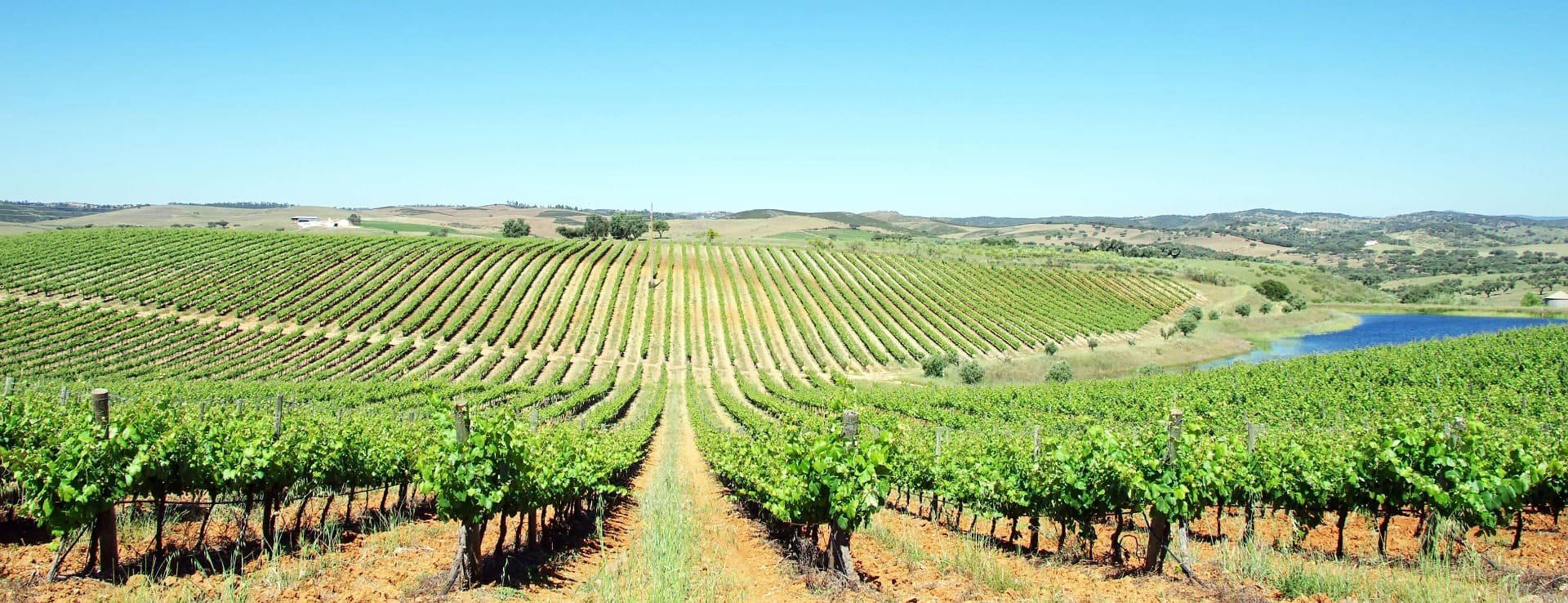
Approaching wine in Portalegre means looking beyond a generic picture of Alentejo and paying attention to the more particular identity of this corner of the region. Adega Portalegre is best understood as a historic, terroir-driven winery set in the Natural Park of Serra de São Mamede, with a focus on distinctive Portalegre wines and a heritage narrative dating to 1954. That combination gives the winery a clearer sense of place than a broad regional label alone could provide.
For travellers building a wine-focused route through the city, Adega Portalegre is best understood as a Portalegre winery with a scenic, classic, quiet and rustic character. It is not presented here as an all-purpose restaurant, hotel, bar or late-night venue, so dining, hotels and after-dark planning should be considered separately from the winery itself. The more useful lens is to see it as a wine stop rooted in landscape and local identity.
Portalegre wines with a Serra de São Mamede context
Portalegre’s connection to the Serra de São Mamede is central to the way Adega Portalegre is presented. The draw is not a specific grape list, cellar technique or production figure, but the broader relationship between place, landscape and distinctive Portalegre wines. In this sense, the winery’s appeal comes from context: the idea that the wines belong to a particular setting rather than simply to a large, familiar wine region.
That makes the winery useful for travellers who want a grounded sense of the region rather than a generic tasting stop. The setting inside the Natural Park of Serra de São Mamede gives the visit its context, while the historic narrative dating to 1954 gives the winery a clear local identity. Those details matter because they help frame the experience before any individual bottle or tasting format is considered. The emphasis is on Portalegre as a place with its own wine character.
For visitors who are mapping Portuguese wine through landscapes and regional contrasts, that distinction is useful. Adega Portalegre points toward the quieter, more place-led side of wine travel: less about spectacle, and more about understanding how a winery presents itself through heritage, terrain and a sense of continuity. The Natural Park setting and the 1954 narrative do the main descriptive work, giving travellers a way to locate the winery within Portalegre rather than flattening it into a general Alentejo category.
Travellers comparing Portuguese wine regions might naturally place Adega Portalegre alongside producers such as Adega Cooperativa de Borba, Adega do Monte Branco, Herdade do Mouchão, Luís Pato or Quinta do Carmo, while keeping the focus here on Portalegre itself. Those comparisons are best used as orientation points, not as claims that the wineries offer the same atmosphere, hospitality model or regional expression.
A historic winery with a quiet, rustic character
The atmosphere is scenic, classic, quiet and rustic, making Adega Portalegre better suited to travellers interested in place and heritage than to those looking for a nightlife-style wine bar. That mood is part of the practical appeal: it suggests a visit where the surrounding landscape, the historical frame and the local wine identity are more important than a high-energy social scene.
The 1954 heritage gives the winery its historical frame. Rather than relying on claims about specific founders, cellar methods, menus or hospitality formats, the most reliable way to describe Adega Portalegre is as a historic Portalegre winery tied to the Natural Park of Serra de São Mamede and to a distinctive local wine identity. This keeps the description anchored in what is essential and avoids overstating details that are not needed to understand the venue’s role.
For the right traveller, that restraint is part of the appeal. Adega Portalegre does not need to be interpreted through added promises about cuisine, awards or nightlife. Its stronger story is simpler: a classic, rustic winery in Portalegre, shaped in presentation by its mountain-park setting and by a heritage line that reaches back to 1954. Visitors who value that kind of context will likely find the winery easier to place within a thoughtful wine itinerary.
How to place it in a Portugal wine itinerary
Adega Portalegre makes the strongest sense for travellers who care about how place shapes wine. Its appeal is the combination of Portalegre, the Serra de São Mamede setting, a quiet rustic mood and a heritage story dating to 1954. It works well as a considered regional stop rather than as a catch-all destination for every part of a trip.
In a wider Portuguese itinerary, it can be compared thoughtfully with other wine producers such as Adega Cooperativa de Borba, Adega do Monte Branco, Herdade do Mouchão, Luís Pato and Quinta do Carmo, without treating them as the same kind of stop or as part of the Portalegre scene. The comparison is useful mainly because it helps travellers place Adega Portalegre within the broader mental map of Portuguese wine, while still respecting its particular setting and character.
The practical takeaway is simple: Adega Portalegre is a $$ winery in Portalegre, open Monday through Friday from 8:30 AM to 5:30 PM and closed on Saturday and Sunday. Its value lies in a historic, terroir-driven Portalegre wine setting rather than in claims about cuisine, awards, service format or cellar specifics. Plan around it accordingly: treat the winery as a quiet, place-focused wine stop, and handle meals, accommodation and evening plans elsewhere in the itinerary.
Frequently asked questions
What's the general vibe of Adega Portalegre?
The mood is quiet, rustic, classic and scenic, with a setting inside the Natural Park of Serra de São Mamede. It suits visitors who want a calm winery stop in Portalegre.
What's Adega Portalegre's location?
Adega Portalegre is located in Portalegre.
What's the price range for Adega Portalegre?
Pricing at Adega Portalegre is listed as $$.
What's the schedule for Adega Portalegre?
Hours at Adega Portalegre: Mon: 8:30 AM–5:30 PM; Tue: 8:30 AM–5:30 PM; Wed: 8:30 AM–5:30 PM; Thu: 8:30 AM–5:30 PM; Fri: 8:30 AM–5:30 PM; Sat: Closed; Sun: Closed.
What's the defining thing about Adega Portalegre?
Its main draw is a historic, terroir-driven winery setting in Portalegre, with a heritage narrative dating to 1954 and a focus on distinctive Portalegre wines.
Snapshot
Comparable venues by cuisine and price in the same metro.
| Venue | Awards |
|---|---|
| Adega PortalegreThis venue (the venue you are viewing) | Falstaff Winery - Listed |
Recognition history
Dated appearances from independent guides and award organizations, with the underlying list record or original source where available.
Falstaff Winery - Listed
Falstaff
Request a visit to Adega Portalegre
Tell us when you would like to go and how many people, and we put the request to the estate and reply to you by email.
Continue exploring
More in Portalegre
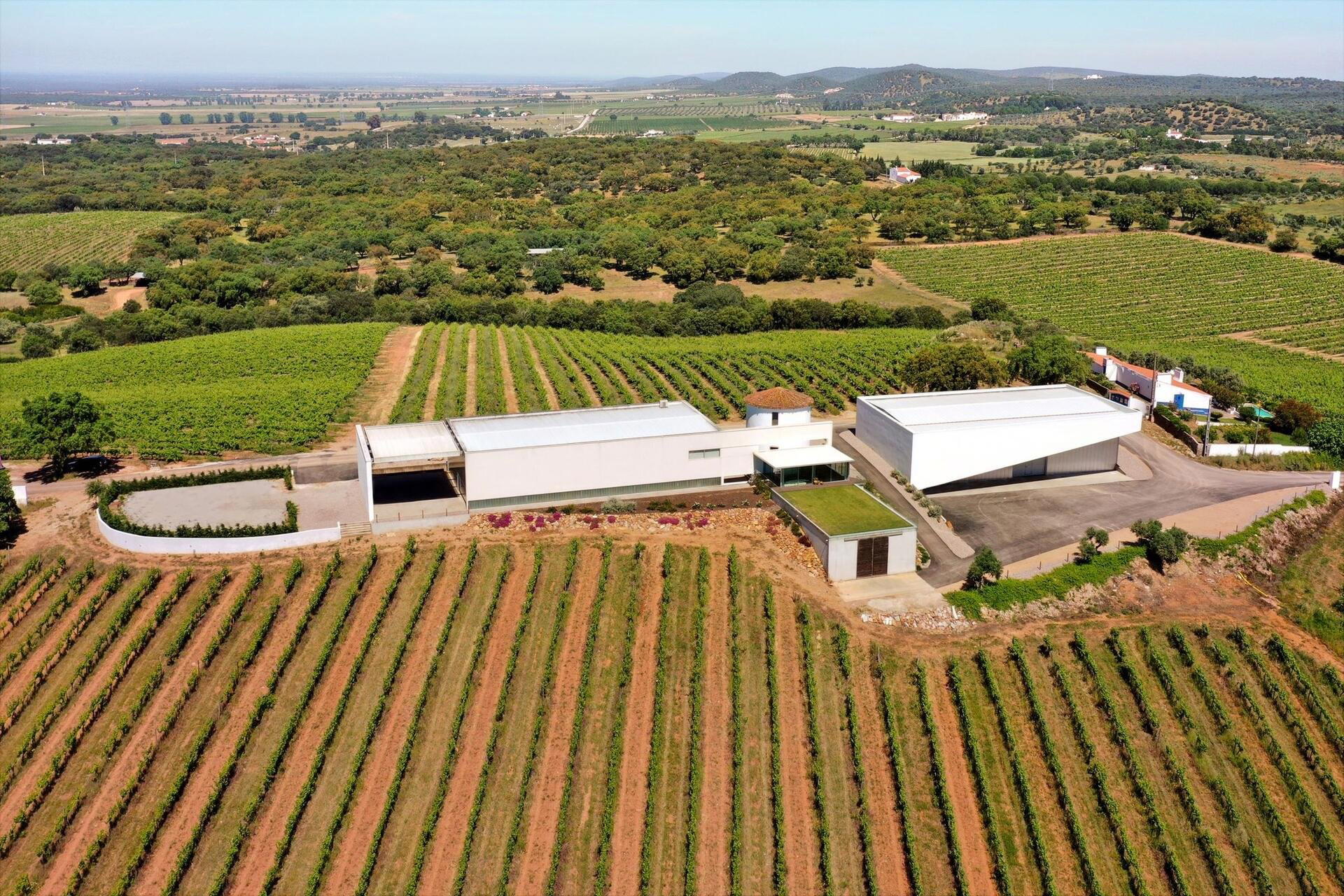
Wineries in Portalegre
All wineries in Portalegre →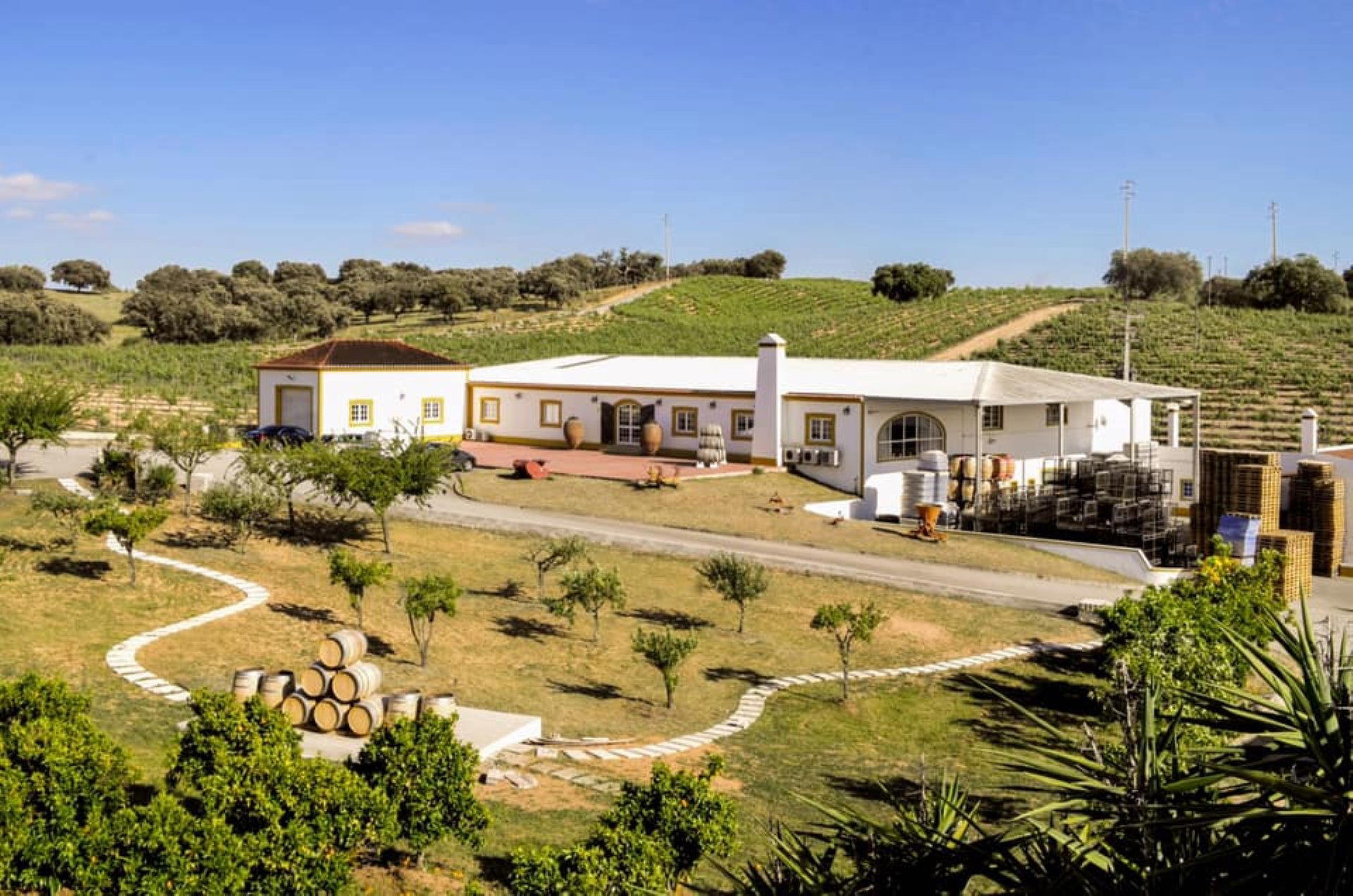
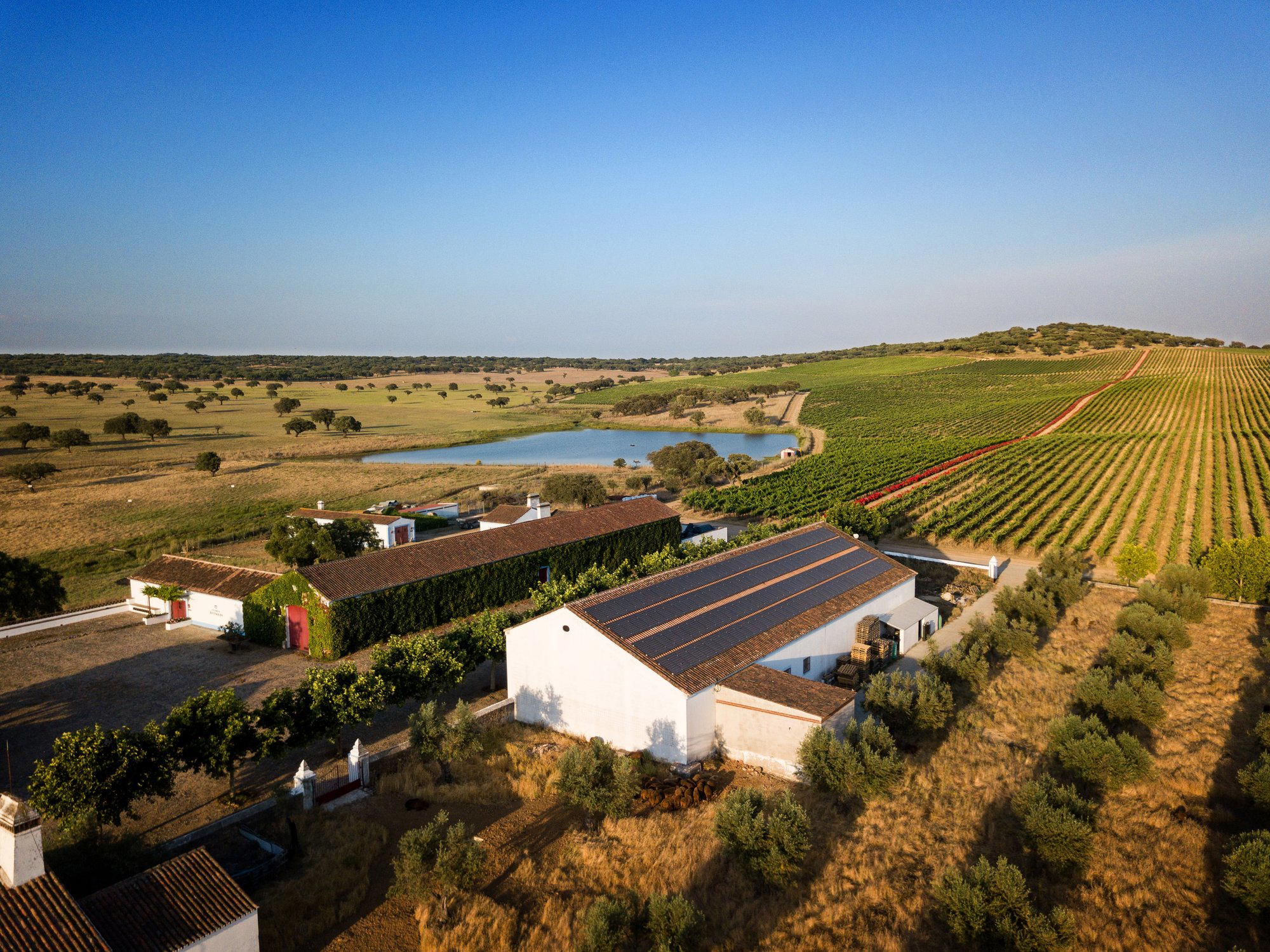

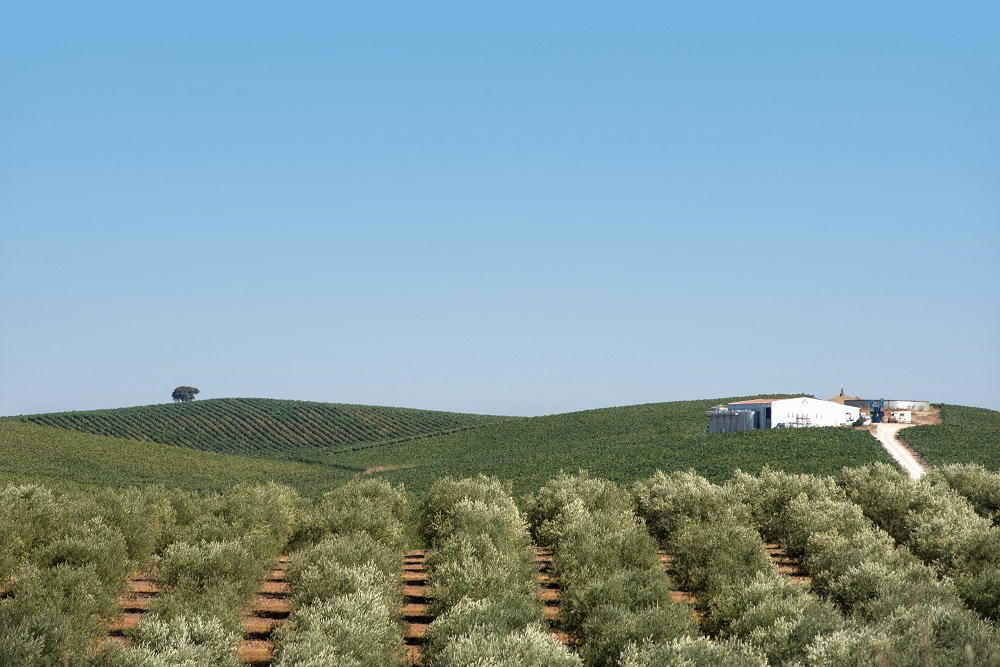
Restaurants in Portalegre
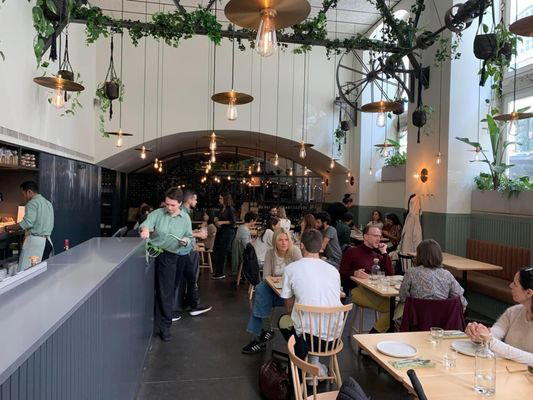
All restaurants in Portalegre →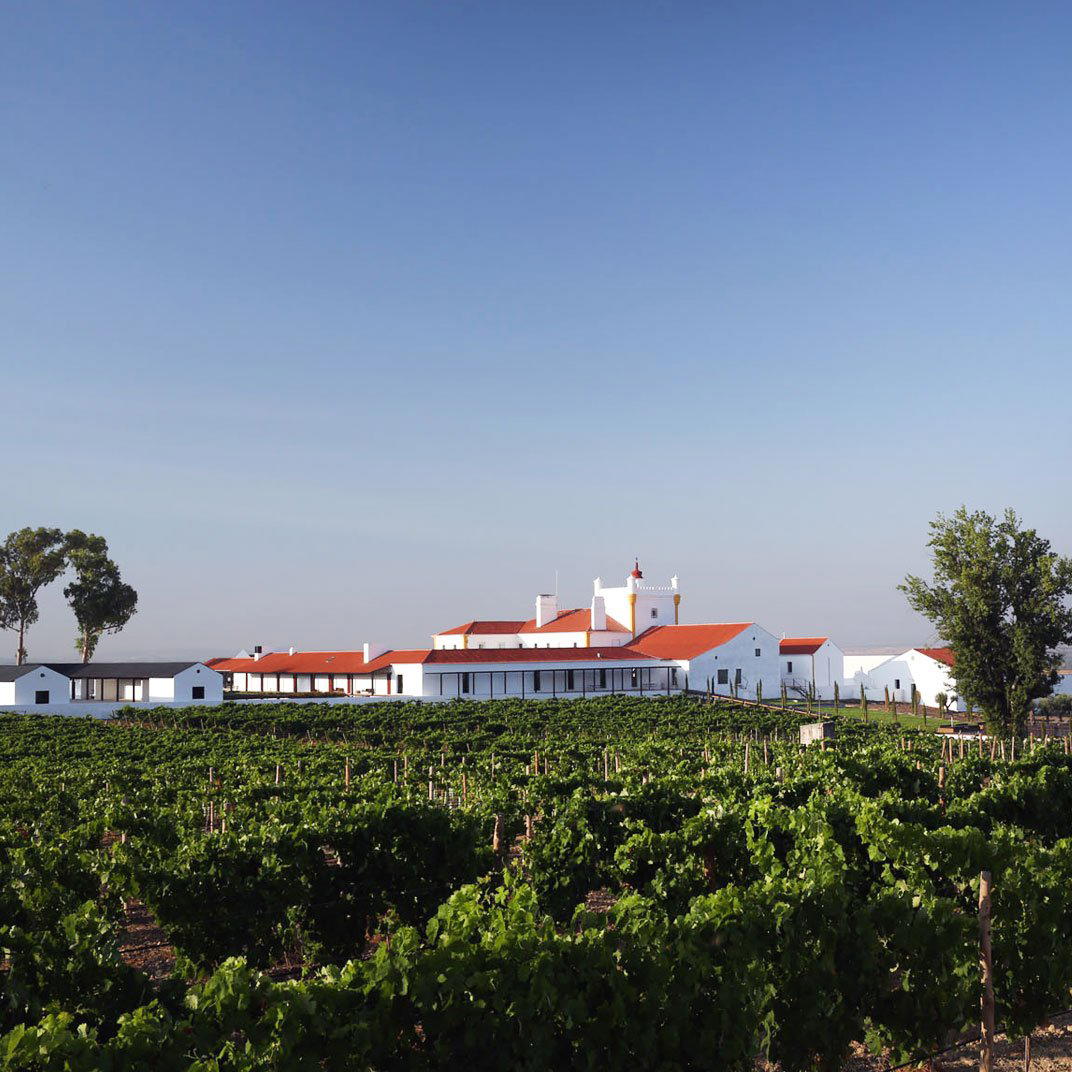
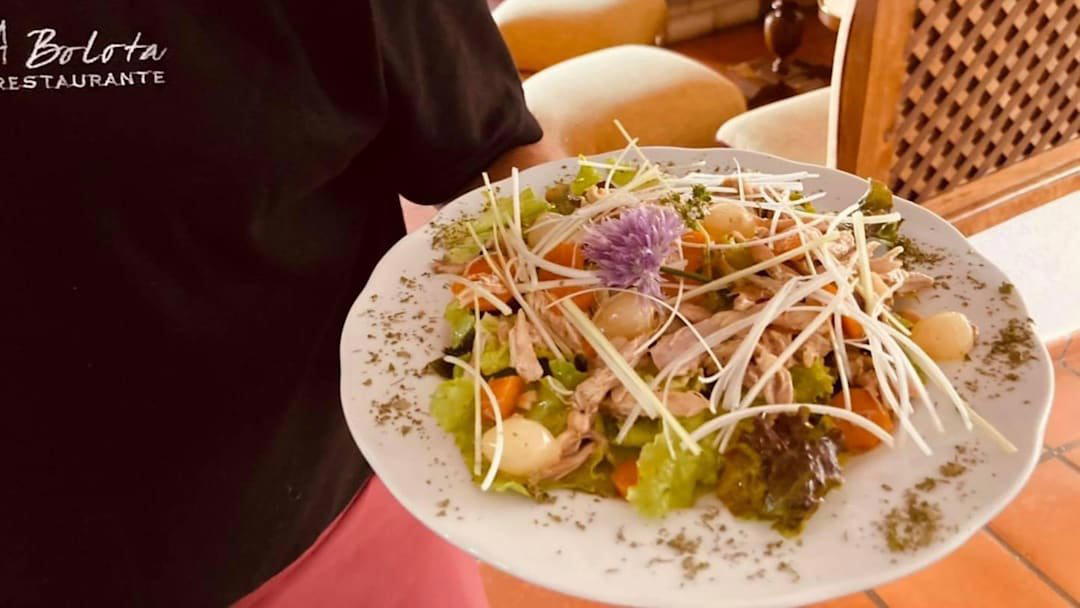
Hotels in Portalegre
Browse all →
Details
- Scenic
- Classic
- Quiet
- Rustic
- Wine Education
- Special Occasion
- Group Outing
- Historic Building
- Estate Grounds
- Mountain
- Vineyard
- Still Red
- Still White
- Still Rosé
Current opening hours
- Monday
- 8:30 AM–5:30 PM
- Tuesday
- 8:30 AM–5:30 PM
- Wednesday
- 8:30 AM–5:30 PM
- Thursday
- 8:30 AM–5:30 PM
- Friday
- 8:30 AM–5:30 PM
- Saturday
- Closed
- Sunday
- Closed
Hours can change for holidays and private events. Hours as of .
A historic, terroir-driven winery set in the Natural Park of Serra de São Mamede, with a focus on distinctive Portalegre wines and a heritage narrative dating to 1954.